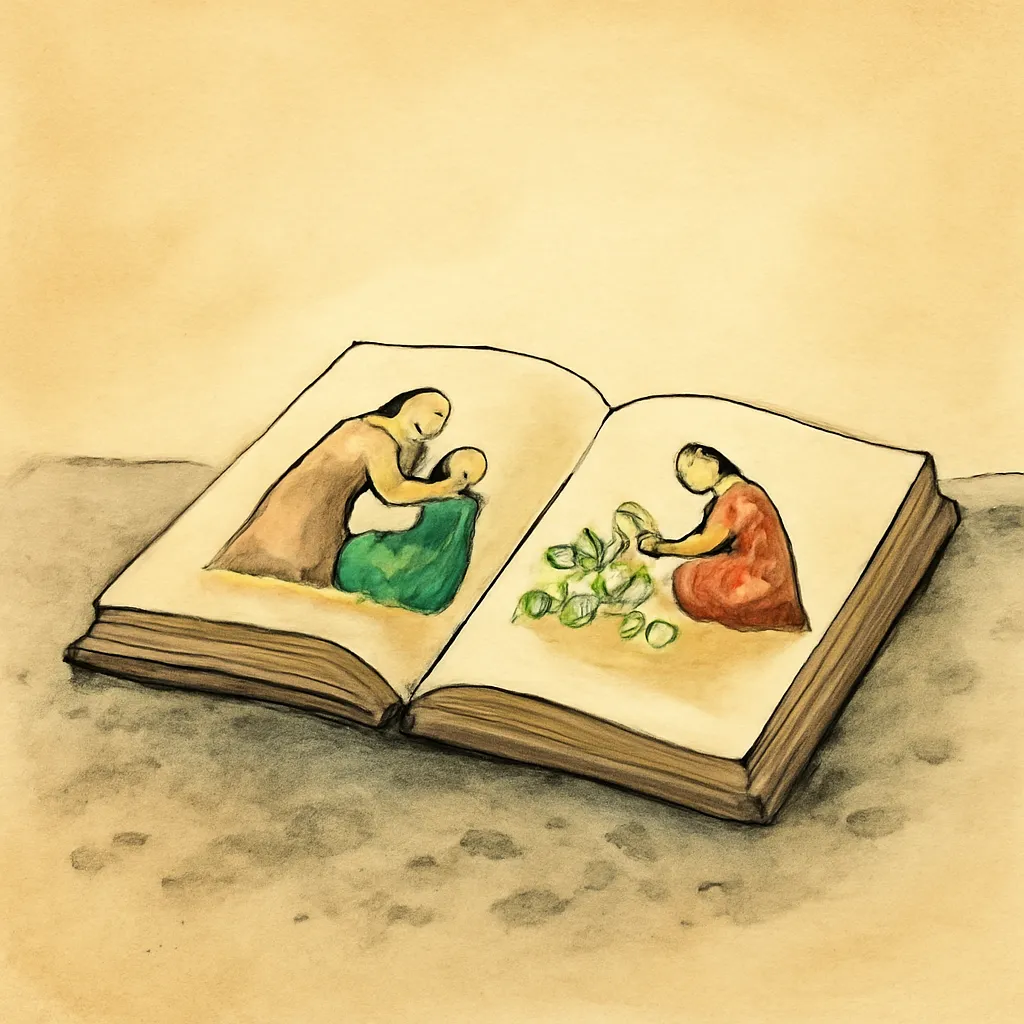
1.The 'Gifted' Child's Predicament
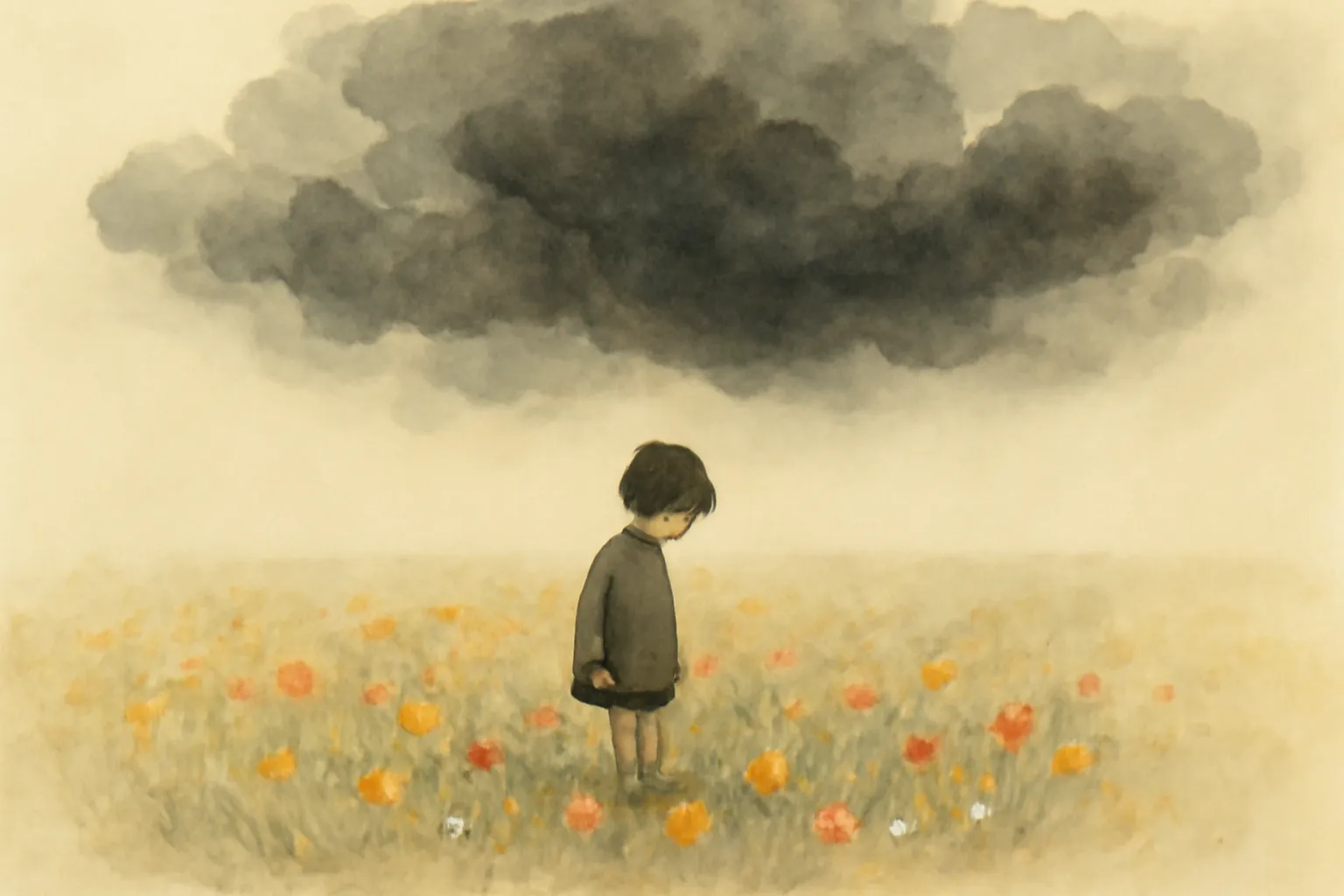
Miller redefines 'giftedness' not as intellectual brilliance, but as a child's heightened sensitivity to parental needs and expectations. Such children often become adept at intuiting and fulfilling their parents' emotional requirements, suppressing their own authentic feelings in the process. This adaptation allows them to survive emotionally, but at the cost of losing touch with their true selves. As adults, they may feel hollow or disconnected, unable to identify their own desires or feelings, despite external success.
2.The Roots of Emotional Suffering
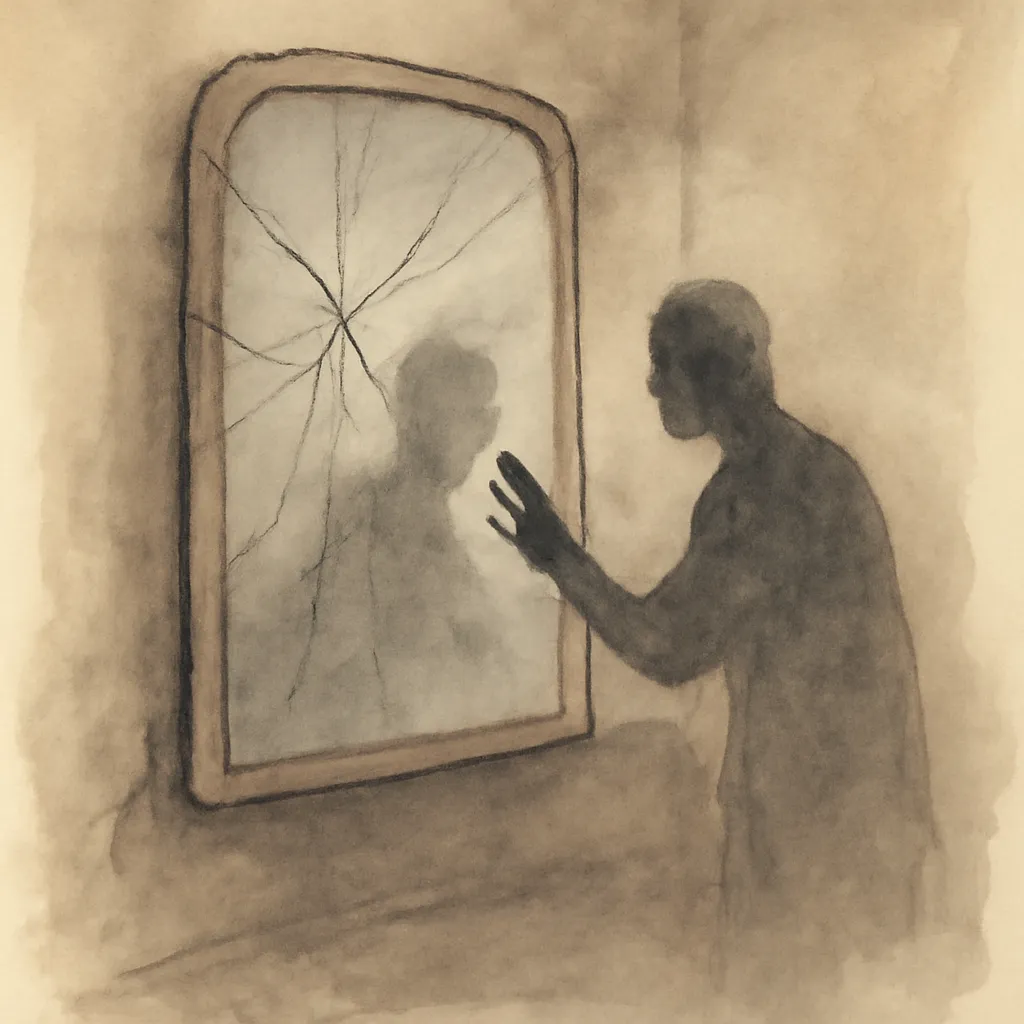
Central to Miller's thesis is the idea that many emotional problems in adulthood—depression, emptiness, self-alienation—stem from early childhood experiences where a child's needs for love, validation, and genuine attention were unmet. Instead of being seen and accepted for who they are, children were valued for their ability to please or reflect the needs of their caregivers. This dynamic creates a lifelong struggle to access authentic emotions.
3.The Role of Parental Narcissism
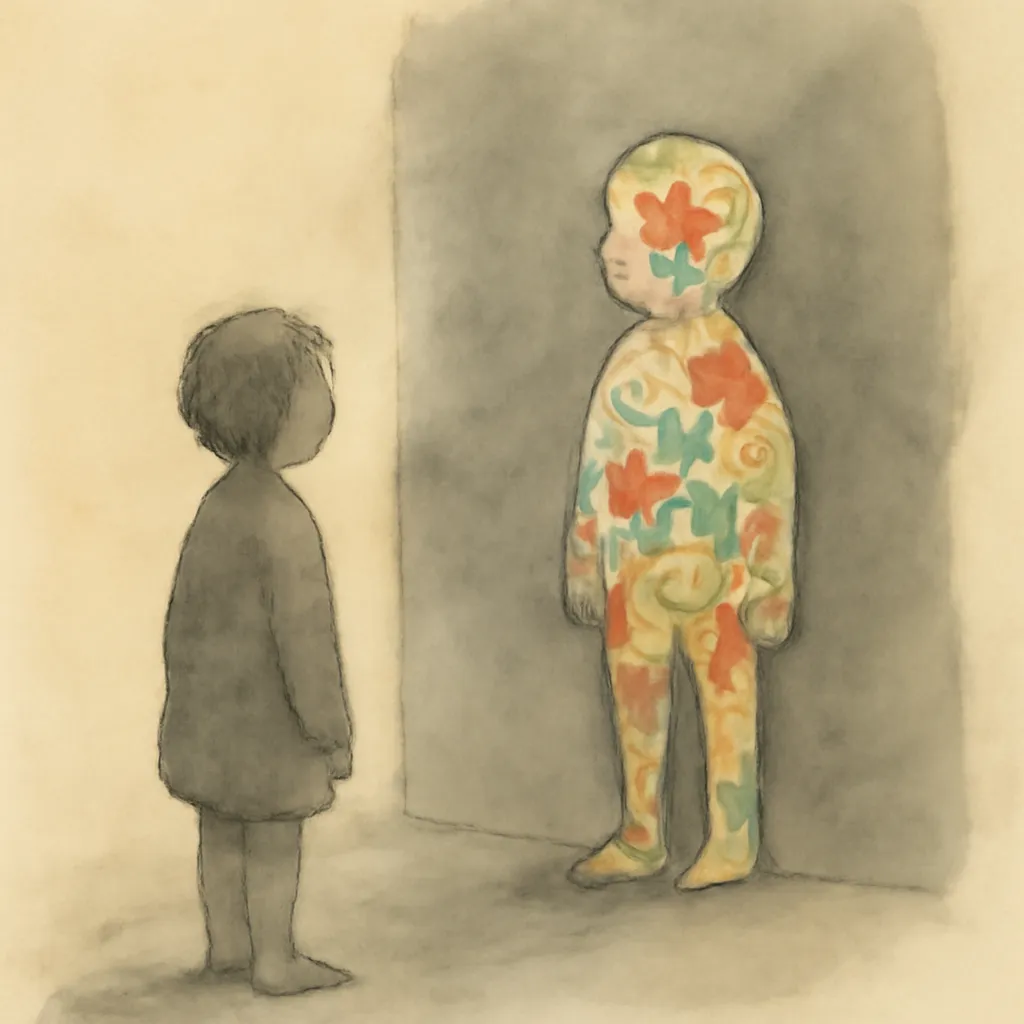
Miller argues that narcissistic parents, often unconsciously, use their children to fulfill their own unmet emotional needs. The child becomes a mirror for the parent's ideal self, rather than being allowed to develop as an independent individual. This dynamic can be subtle and is frequently masked by apparent parental devotion, making it difficult for both parent and child to recognize the harm being done.
4.Breaking the Cycle
A key message of the book is that healing is possible, but it requires confronting painful childhood truths. Miller emphasizes the importance of acknowledging and mourning the losses and injuries of the past, rather than denying or rationalizing them. Through therapy or self-reflection, individuals can begin to reclaim their authentic feelings and break the cycle of emotional repression and transmission of trauma to the next generation.
5.The Importance of Empathy and Witnessing
Miller highlights the transformative power of having one's childhood pain recognized and validated—what she terms 'the enlightened witness.' Empathy from another person, whether a therapist or trusted confidant, can help individuals process and integrate their emotional experiences. This validation is essential for healing and for developing a sense of self that is rooted in one's own feelings and needs.
6.Societal Resistance to Facing Childhood Pain
The book also addresses why society tends to minimize or deny the impact of childhood emotional trauma. Miller suggests that cultural taboos around criticizing parents and the idealization of childhood make it difficult for people to acknowledge their own suffering. This resistance perpetuates cycles of denial and emotional dysfunction across generations.