1.The Nature of True Power
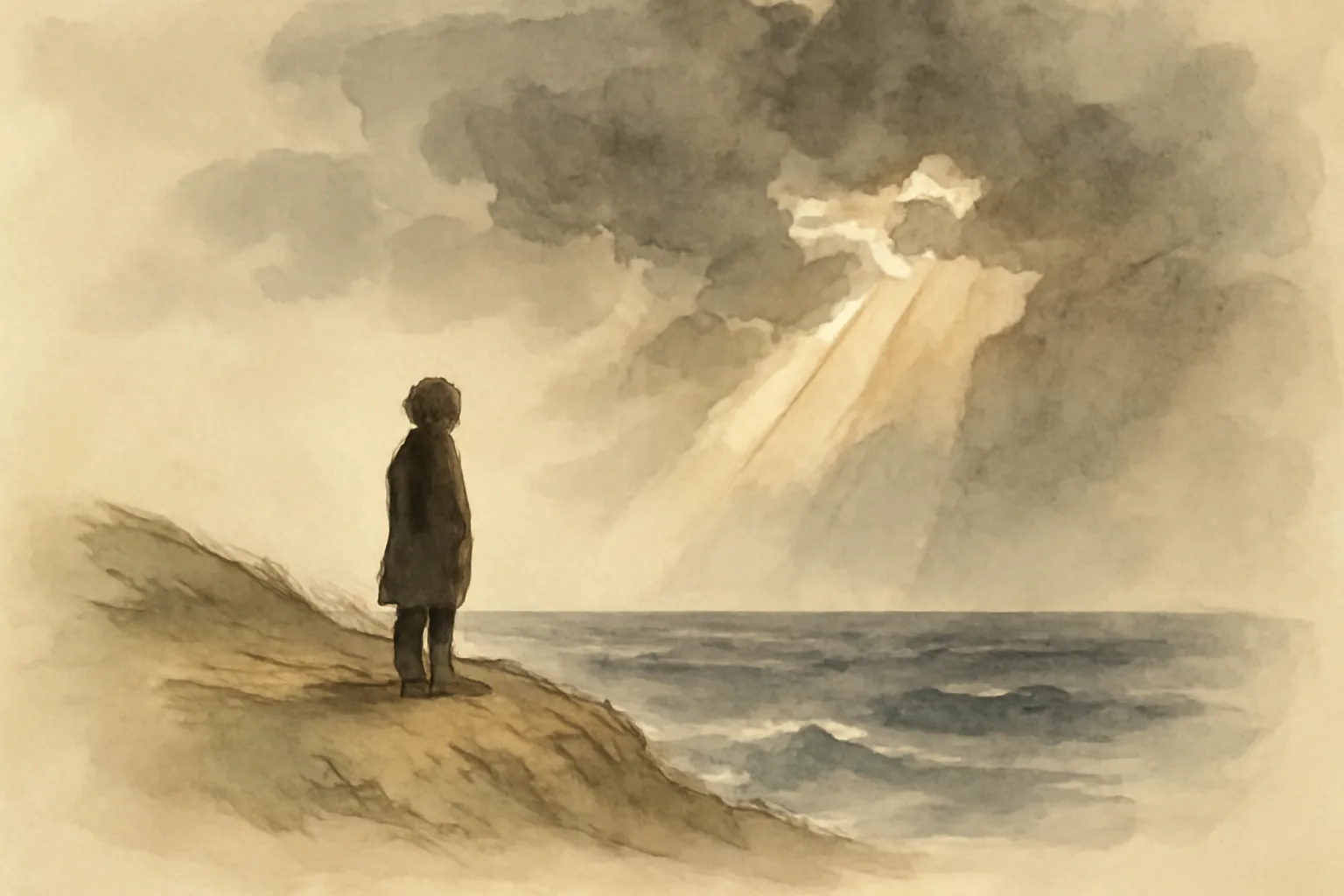
Le Guin’s Earthsea is a world where magic is tied to the knowledge of names, and power is inseparable from responsibility. Rather than depicting magic as a tool for conquest, the trilogy emphasizes restraint and self-knowledge. The protagonist Ged’s journey illustrates that true power lies not in imposing one’s will, but in understanding the deeper connections between things and accepting the limits of one’s influence. This challenges the typical fantasy trope of the all-conquering hero and invites readers to reflect on the ethical dimensions of power.
2.Balance and Equilibrium
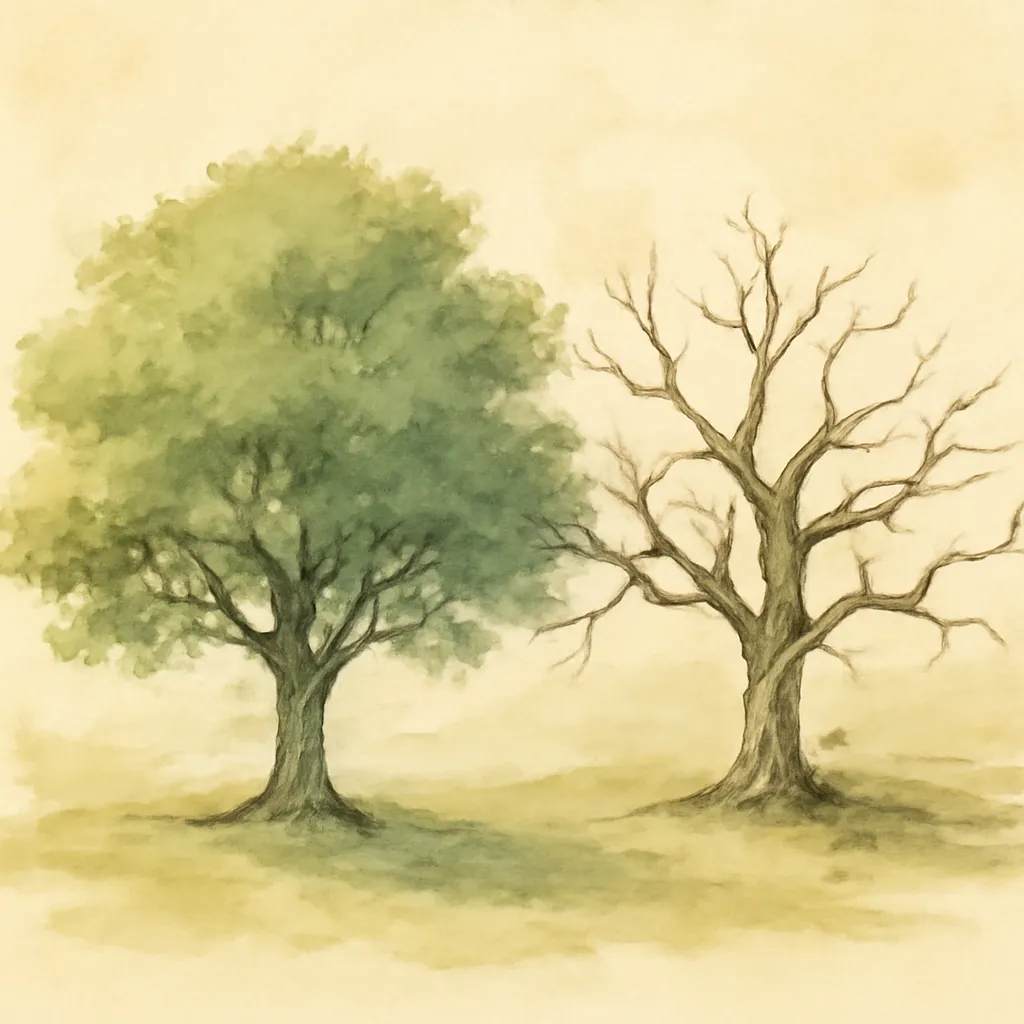
A central motif in Earthsea is the concept of balance—between light and dark, life and death, action and inaction. Magic, and by extension all human action, has consequences that ripple through the world. The trilogy continually returns to the idea that disrupting the natural order, even with good intentions, can lead to unintended harm. This ecological and philosophical perspective feels especially relevant in the modern era, encouraging readers to consider the impact of their choices on the world around them.
3.Identity and Coming of Age
Earthsea’s narrative arc is, at its heart, a coming-of-age story. Ged’s journey from reckless youth to wise mage mirrors the universal process of self-discovery and acceptance. Le Guin explores the tension between the masks we wear and our true selves, suggesting that wisdom comes from embracing one’s flaws and shadows. The trilogy’s nuanced exploration of identity, particularly through characters who struggle with gender, race, and belonging, was groundbreaking for its time and remains resonant today.
4.The Power of Language and Naming
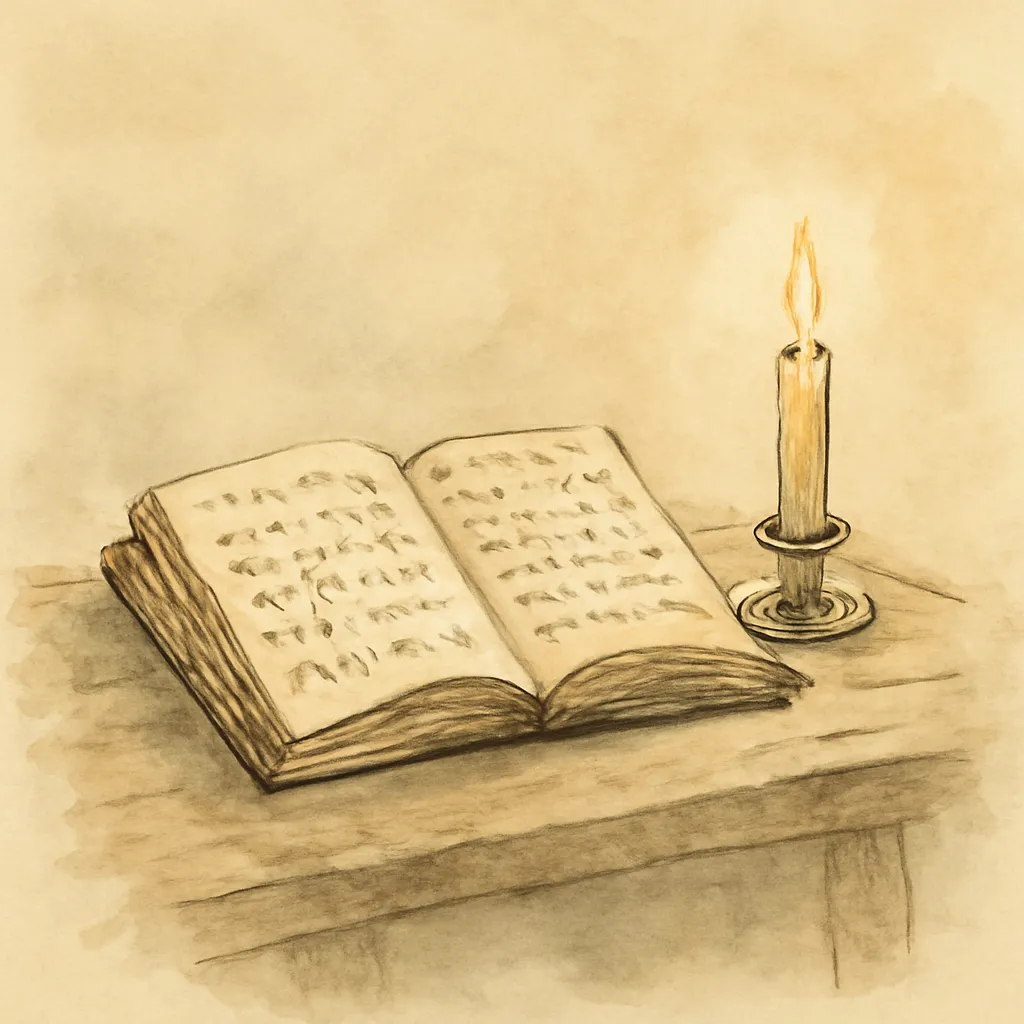
In Earthsea, knowing the true name of a person or thing grants power over it—a metaphor for the importance of language, understanding, and respect. Le Guin uses this magical system to explore how words shape reality and relationships. The careful use of names becomes a symbol for empathy and connection, as well as a warning against careless or arrogant speech. This theme encourages readers to consider the weight of their words and the importance of listening before acting.
5.Death, Acceptance, and the Limits of Mortality
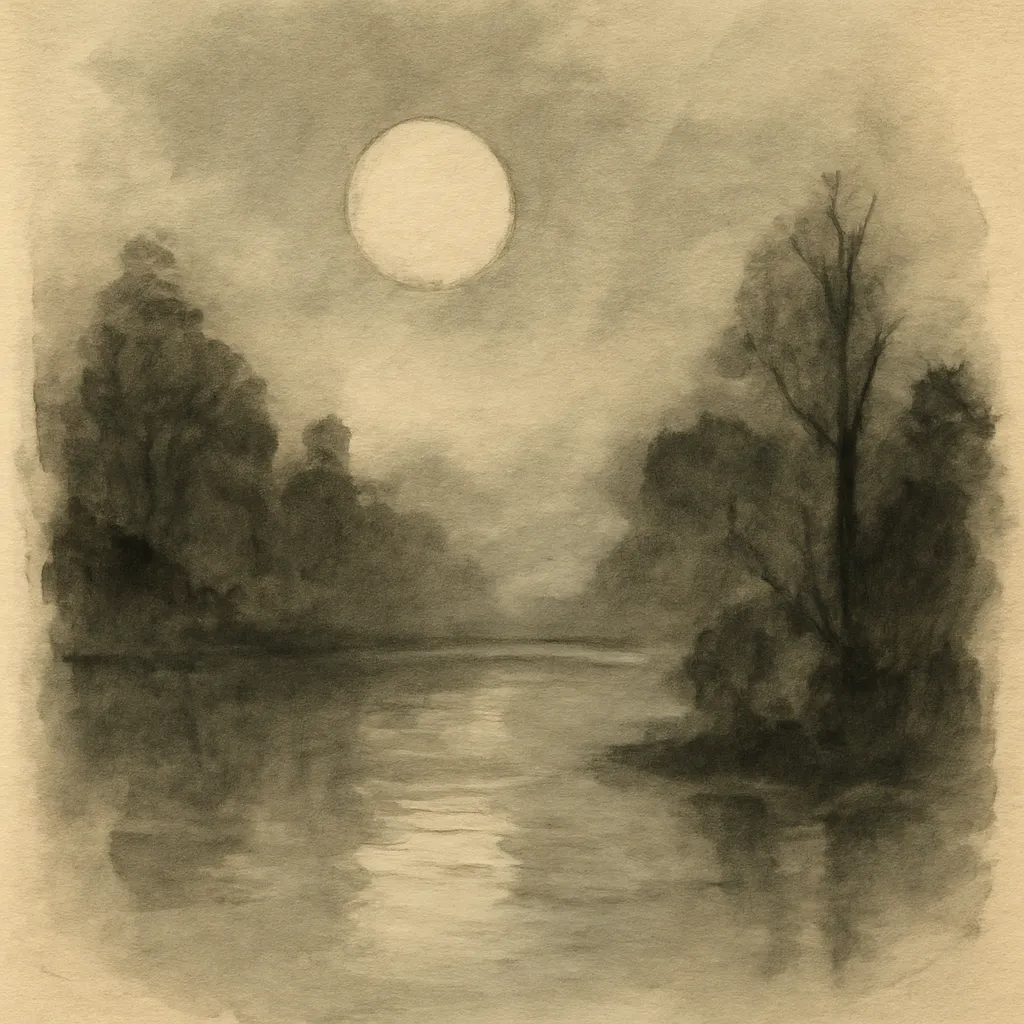
Unlike many fantasy worlds where death is an enemy to be vanquished, Earthsea treats mortality as an integral part of existence. The trilogy confronts the fear of death and the desire for immortality, ultimately suggesting that acceptance, rather than denial, leads to peace. Le Guin’s treatment of death is both somber and hopeful, offering a mature perspective that deepens the emotional resonance of the story.
6.Subversion of Fantasy Tropes
Le Guin deliberately subverts many conventions of the fantasy genre: her hero is dark-skinned, her world is archipelagic rather than medieval-European, and her magic is more about harmony than heroics. By doing so, she expands the possibilities of fantasy literature and invites a broader range of readers to see themselves reflected in the genre. This inclusivity and innovation have made Earthsea a touchstone for generations of writers and readers.