1.The Chaotic Pulse of New York City
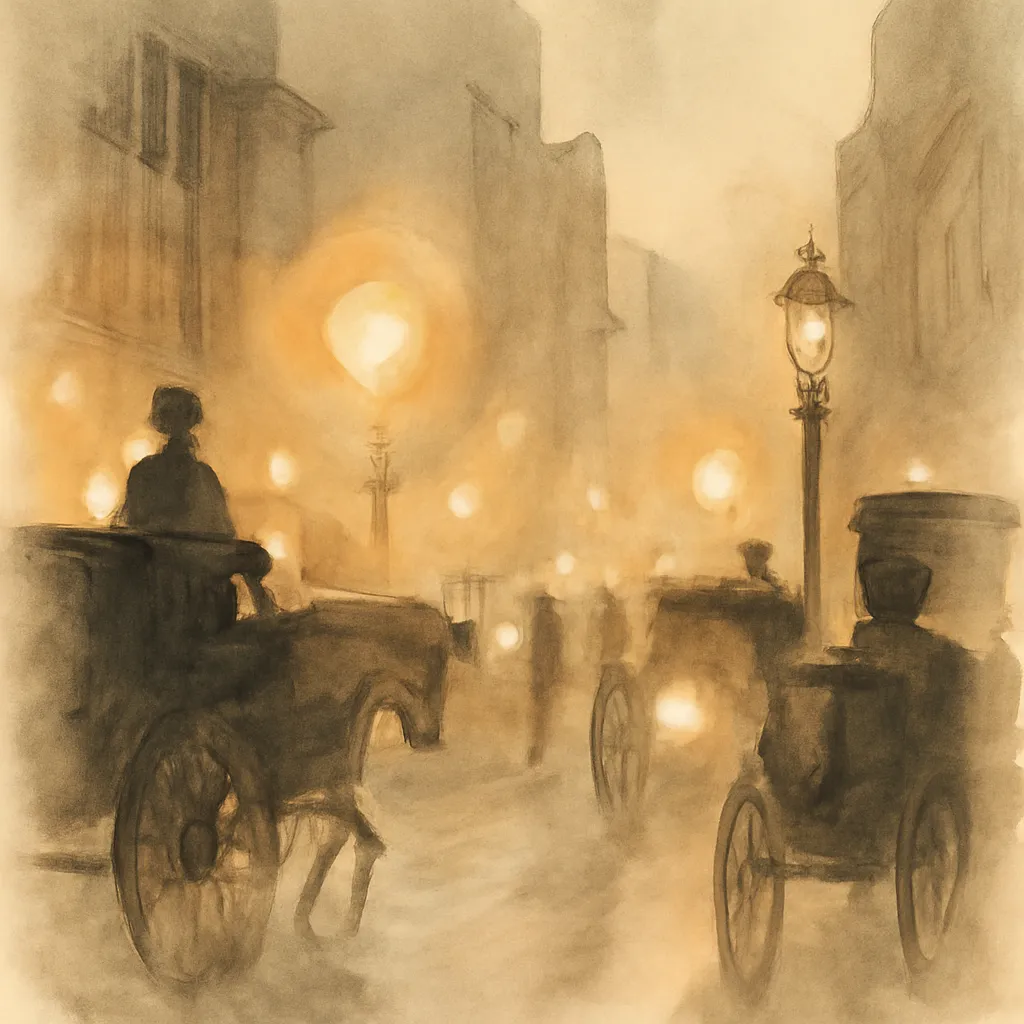
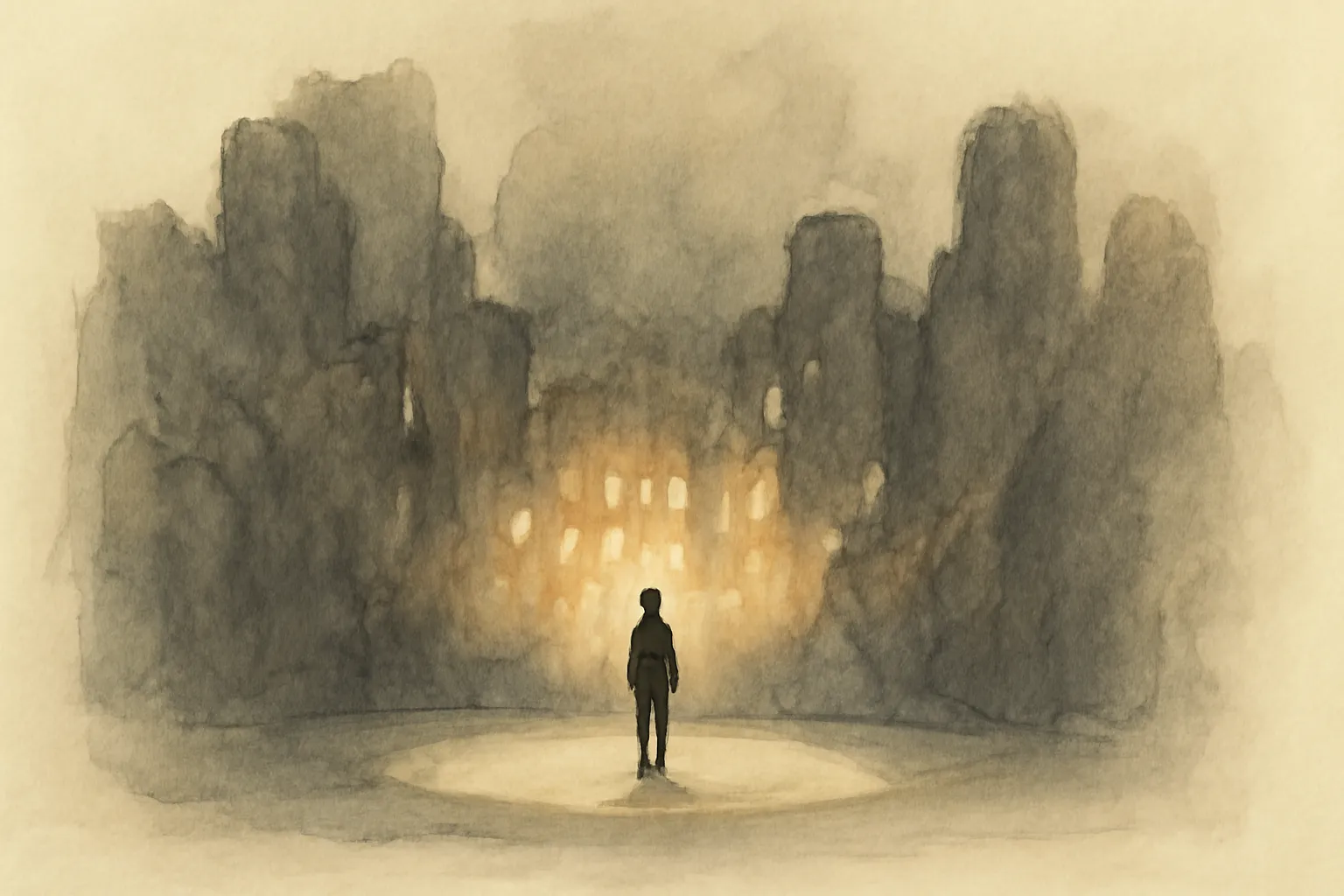
The novel opens with a vivid depiction of the bustling streets of New York City, particularly around Broadway and Forty-second Street, where the excitement of the theatre district collides with the chaos of urban life. The scene captures the essence of metropolitan existence, where crowds of elegantly dressed individuals scramble to find their way home, reflecting both the vibrancy and the madness of city life. This setting serves as a metaphor for the characters' emotional states; just as the streets are filled with a mix of joy and confusion, so too are their lives marked by the highs of success and the lows of personal turmoil. The constant movement of the city mirrors Laura's own restless pursuit of happiness, drawing readers into the frenetic energy that defines her world. The overwhelming noise, the urgent shouts of street vendors, and the clamor of honking taxis create an environment that is as intoxicating as it is disorienting, reflecting the dual nature of urban reality—full of potential yet rife with danger.
2.Laura Murdock: Beauty as Currency
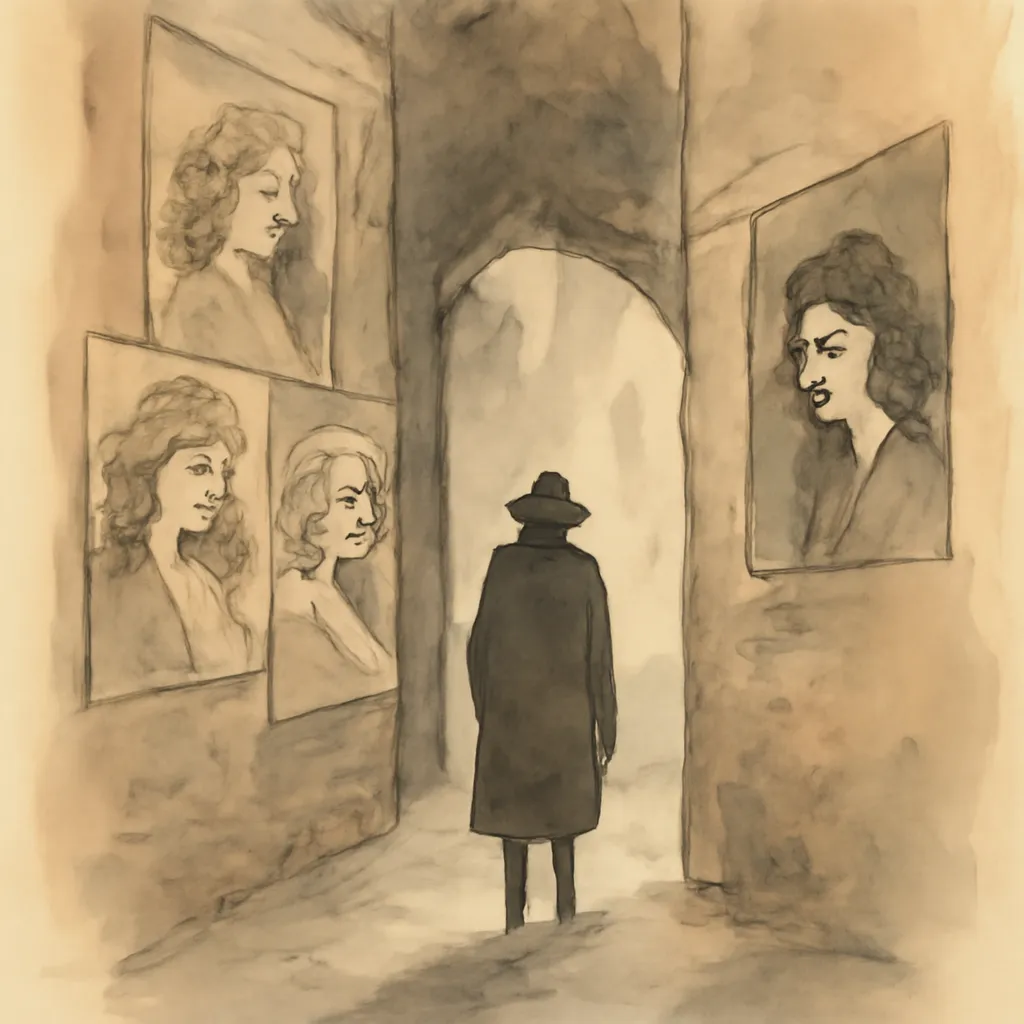
Laura Murdock, the protagonist, embodies the struggle of women in a society that often values appearance over substance. At just twenty-five, her youthful beauty becomes a double-edged sword—while it opens doors in the theatrical world, it also subjects her to the superficial judgments of others. Laura's journey from a naive girl to a successful actress illustrates how her physical allure is both a blessing and a curse, offering her fame but also leading her down a path fraught with moral ambiguity. Her initial success is not rooted in talent but rather in her ability to captivate audiences with her looks, highlighting the societal expectation that women must leverage their beauty to achieve their goals. As Laura receives compliments for her appearance rather than her performances, it becomes increasingly clear that her identity is intertwined with her looks, raising critical questions about self-worth and the sacrifices made for success. Her experiences serve as a mirror reflecting the challenges faced by women who are pressured to conform to societal standards of beauty, leading to a discussion about the ethics of ambition.
3.The Illusion of Success
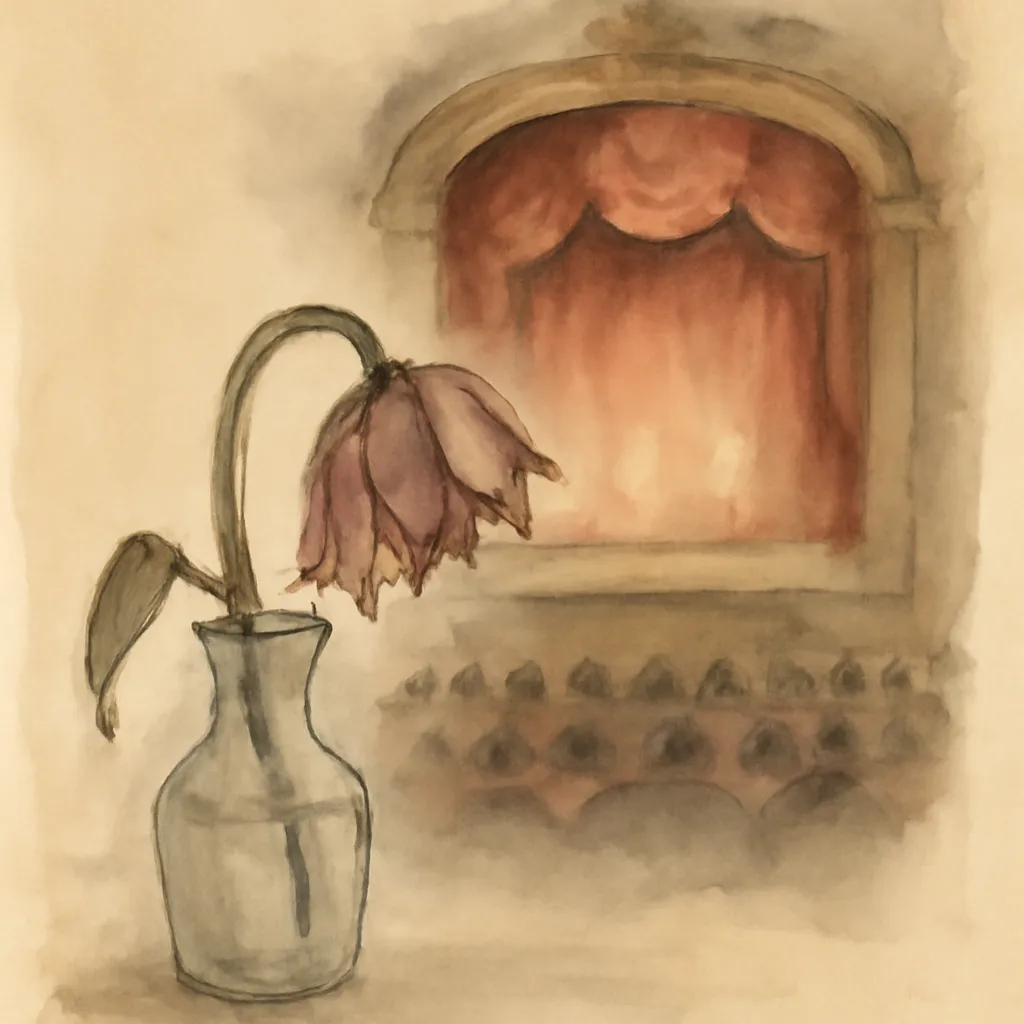
As Laura rises to prominence, the narrative delves into the illusion of success that permeates the theatrical world. The initial excitement of fame quickly gives way to the harsh realities of maintaining one's status. Laura's correspondence reveals her struggles and insecurities, as she grapples with the fleeting nature of public adoration. The letters she writes to her friend Will encapsulate her internal conflict; while she boasts about her triumphs, there is an underlying anxiety about the sustainability of her success. Laura's realization that what is celebrated today can be forgotten tomorrow serves as a stark reminder of the ephemeral nature of fame. The novel illustrates how the pursuit of fame can lead to a disconnection from one's authentic self, as individuals become ensnared in the expectations of others. Laura's experiences serve as a cautionary tale about the pitfalls of chasing an idealized version of success, prompting readers to reflect on the true meaning of achievement in their own lives.
4.The Complexity of Relationships

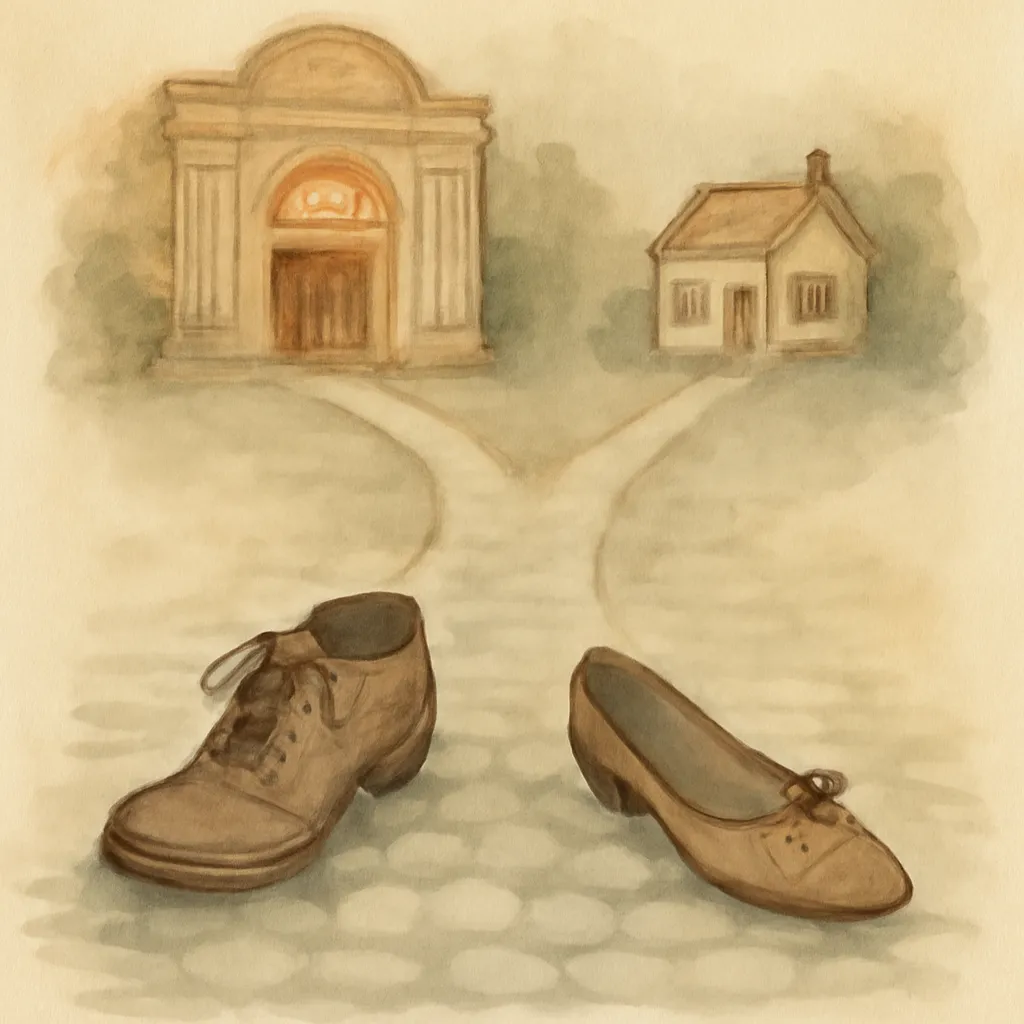
Laura's interactions with the men in her life, particularly Will Brockton and John Madison, showcase the complexities of love and ambition. Will represents the seductive allure of wealth and stability, while John embodies the hope for genuine connection and a fresh start. As Laura oscillates between these two relationships, the narrative explores how personal desires can conflict with societal expectations. Will's offer of a 'house of her own on Riverside Drive' symbolizes the material security that Laura craves, yet it also comes with emotional strings attached. In contrast, John represents the possibility of a clean slate, but his return complicates Laura's entanglement with Will. This tension between material comfort and emotional fulfillment serves as a central theme throughout the novel. The relationships Laura navigates reveal the societal pressures that women face to secure their futures, raising questions about love, loyalty, and the sacrifices made for security. Laura's journey illustrates the tension between following one's heart and adhering to societal norms, making her choices all the more poignant.
5.The Consequences of Choices
Laura's choices have far-reaching consequences that ripple through her life and the lives of those around her. Her decision to return to Will after a period of hardship highlights the difficult choices many women face in pursuit of security. The novel emphasizes that choices made in desperation can lead to regret and further complications. Laura's internal conflict between her past and her aspirations for a better future illustrates the moral dilemmas faced by individuals in a rapidly changing society. The consequences of her decisions are not only personal but also affect her relationships, as seen in her interactions with John and Will. This theme underscores the importance of self-awareness and the need to consider the long-term implications of one's actions. Each choice Laura makes pulls her further into a web of emotional turmoil, forcing her to confront her values and the impact of her decisions on her future.
6.The Role of Women in a Patriarchal Society
Hornblow's narrative provides a critical lens on the role of women in early 20th-century America, particularly within the entertainment industry. Laura's journey reflects the limited options available to women, who often had to navigate a landscape dominated by male power structures. The societal expectations placed on women to conform to certain ideals of beauty and behavior highlight the systemic challenges they faced. Laura's relationships with men are shaped by these dynamics, as she must balance her ambition with the need for acceptance and validation. The novel illustrates how women were often forced to make compromises in their personal and professional lives to survive in a competitive and unforgiving environment. Laura's experiences serve as both a critique of the era's gender norms and a reflection of the persistent struggles women face in achieving independence and recognition in their own right.
7.The Illusion of Freedom
While Laura initially seeks freedom from her past and the constraints of her upbringing, her journey reveals that true freedom is often an illusion. The choices she makes in pursuit of independence lead her to new forms of entrapment, both emotionally and financially. The novel explores the paradox of seeking liberation through relationships that ultimately restrict her autonomy. Laura's struggle to break free from the expectations of others, while simultaneously yearning for acceptance, highlights the complexities of personal agency. Her experiences serve as a reminder that the pursuit of freedom can sometimes lead to unanticipated consequences, forcing individuals to confront the realities of their choices. Laura's quest for independence is clouded by the very relationships she believes will liberate her, showing how the desire for freedom can sometimes lead to new forms of dependency.
8.The Search for Authenticity
As Laura navigates the chaotic world of theatre and personal relationships, her quest for authenticity becomes a central theme. The pressures of fame and societal expectations often force her to wear a mask, hiding her true self from those around her. The novel delves into the tension between public persona and private identity, as Laura grapples with her desire to be seen for who she truly is. This search for authenticity is complicated by the expectations placed upon her by men and society at large. Ultimately, Laura's journey reflects the broader struggle for individuals to reconcile their public and private selves in a world that often demands conformity. Her experiences serve as a reminder of the importance of self-awareness and the courage to embrace one's true identity, despite the challenges that may arise.
9.The Seduction of Materialism
The narrative also critiques the seductive nature of materialism, as Laura's desire for wealth and comfort often leads her down morally ambiguous paths. The allure of financial security can cloud judgment and lead individuals to make choices that compromise their values. Laura's relationship with Will is emblematic of this theme, as she grapples with the temptation to accept his offers of luxury at the expense of her integrity. The novel serves as a cautionary tale about the dangers of prioritizing material wealth over personal fulfillment and ethical considerations. This critique of materialism resonates with contemporary audiences, as it raises important questions about the true cost of success. Laura's experiences illustrate the fleeting nature of material satisfaction, prompting readers to consider the balance between ambition and moral integrity in their own lives.
10.Hope and Despair: A Double-Edged Sword
Throughout the novel, the themes of hope and despair are intricately woven together, presenting a complex interplay that shapes Laura's journey. Hope drives Laura to pursue her dreams and navigate the challenges of the theatrical world, yet it is also a source of profound despair when reality falls short of her expectations. This duality is evident in her letters to John, where her optimism about the future often clashes with the harshness of her present circumstances. The juxtaposition of hope and despair underscores the emotional depth of the narrative, as Laura grapples with the realities of her choices. Ultimately, the novel suggests that hope can be both a guiding light and a heavy burden, shaping the trajectory of one's life. Laura's journey illustrates how the interplay of hope and despair can be both a source of motivation and a cause of suffering, highlighting the complexities of the human experience.