1.Business as the Engine of Environmental Destruction—and Solution
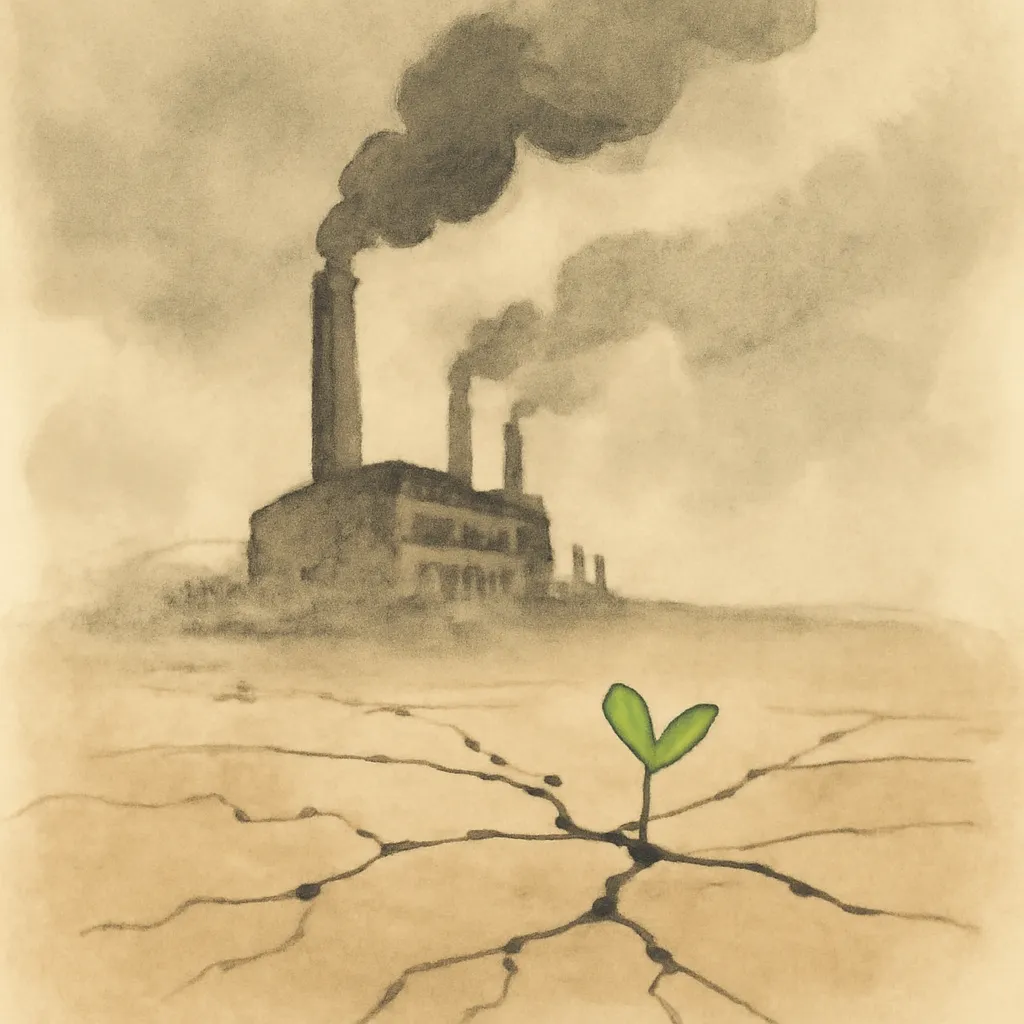
Hawken argues that business is the primary driver behind environmental degradation, from pollution to resource depletion. However, he insists that this same engine has the capacity—and responsibility—to reverse the damage. Rather than seeing commerce and ecology as opposing forces, Hawken envisions a model where business becomes the agent of ecological restoration, not just harm mitigation.
2.The Myth of True Cost Accounting
A central idea is that markets fail to account for the 'true costs' of goods and services. Environmental damage, health impacts, and resource depletion are treated as externalities—costs not reflected in prices. Hawken calls for a new economic system where these hidden costs are internalized, so that prices reflect real ecological and social impacts.
3.Restorative Economy
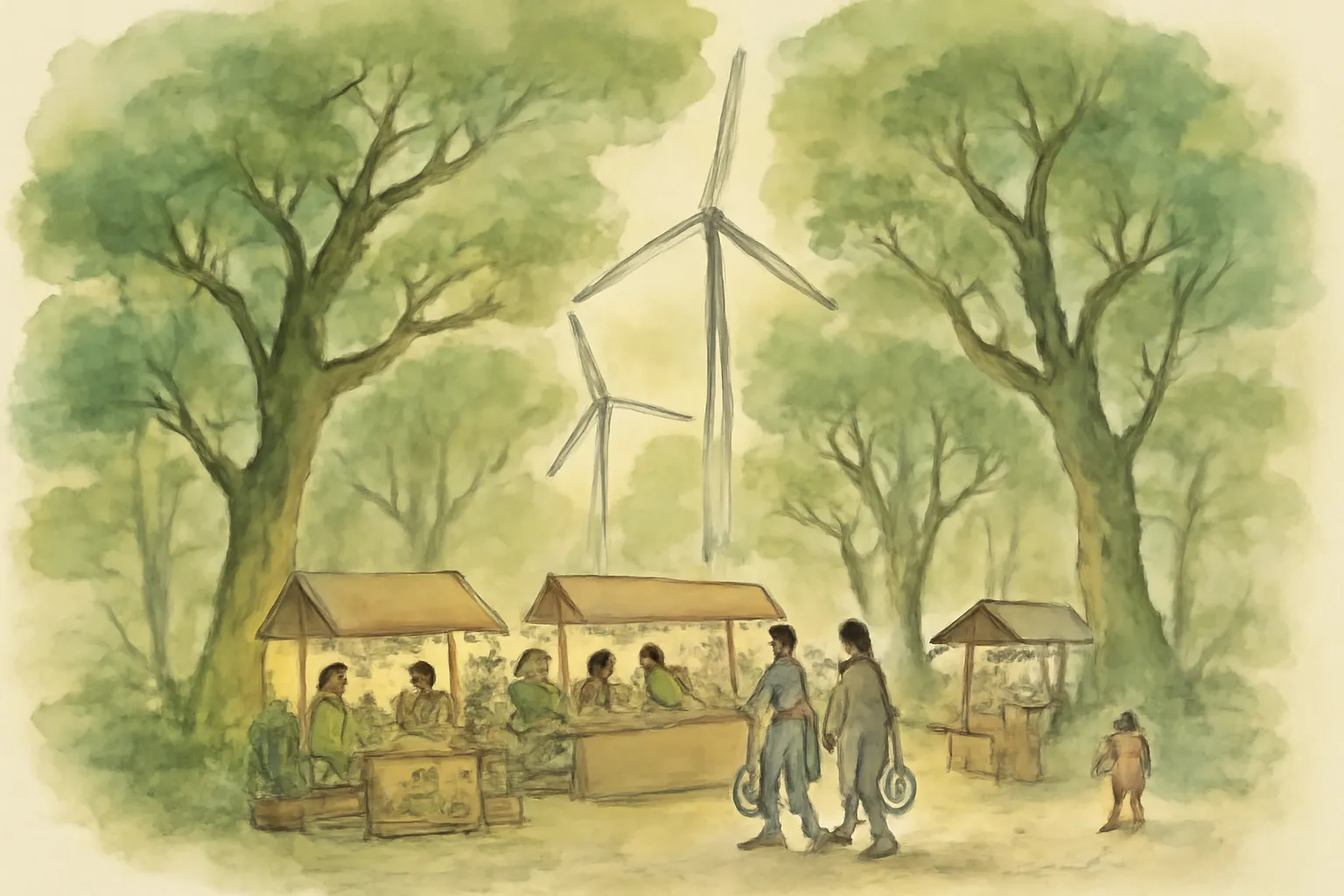
Moving beyond sustainability, Hawken introduces the concept of a restorative economy. Instead of merely reducing harm, he advocates for business models that actively restore ecosystems, regenerate natural capital, and improve the quality of life. This means designing products, services, and systems that leave the planet healthier than before.
4.Redesigning Commerce for Sustainability
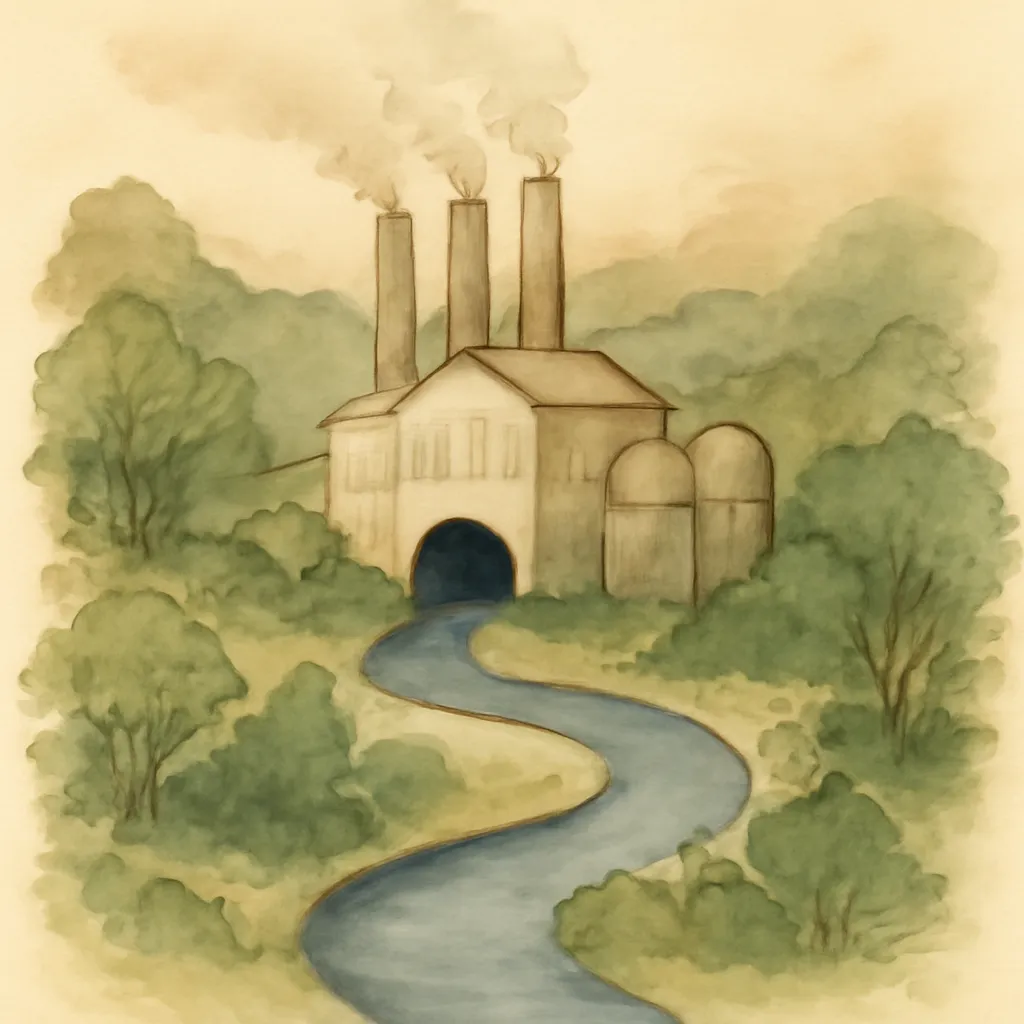
The book proposes practical steps for transforming commerce: closed-loop manufacturing, renewable energy, biomimicry, and cradle-to-cradle design. Hawken emphasizes the need for innovation in product design, supply chains, and business practices that mimic natural systems—where waste becomes food, and nothing is discarded.
5.The Role of Consumers and Investors
Hawken highlights the power of informed consumers and investors to drive change. By demanding transparency, supporting responsible companies, and investing in sustainable ventures, individuals can influence the direction of the marketplace. The book encourages a shift from passive consumption to active participation in shaping a restorative economy.
6.Moral Imperative and Leadership
Underlying Hawken’s argument is a moral imperative: business leaders must recognize their responsibility to future generations. The book calls for visionary leadership that prioritizes long-term ecological health over short-term profits, urging executives and entrepreneurs to redefine success in broader, planetary terms.