1.Economics as a Story of Ideas
The book frames economics not just as a set of equations or policies, but as a dynamic story shaped by people, societies, and historical context. By presenting over 100 key concepts and thinkers chronologically, it shows how economic thought has evolved in response to real-world challenges—from scarcity and trade to inequality and globalization. This approach humanizes economics, making it easier to see how abstract theories connect to everyday life.
2.Making Complex Theories Accessible
One of the book’s core strengths is its use of visual aids—diagrams, infographics, and timelines—to break down dense theories. Instead of overwhelming readers with jargon, it distills ideas like supply and demand, market failures, and game theory into digestible, memorable visuals. This makes it possible for readers without a background in economics to grasp the essentials and see how different schools of thought relate to each other.
3.The Power and Limits of Markets
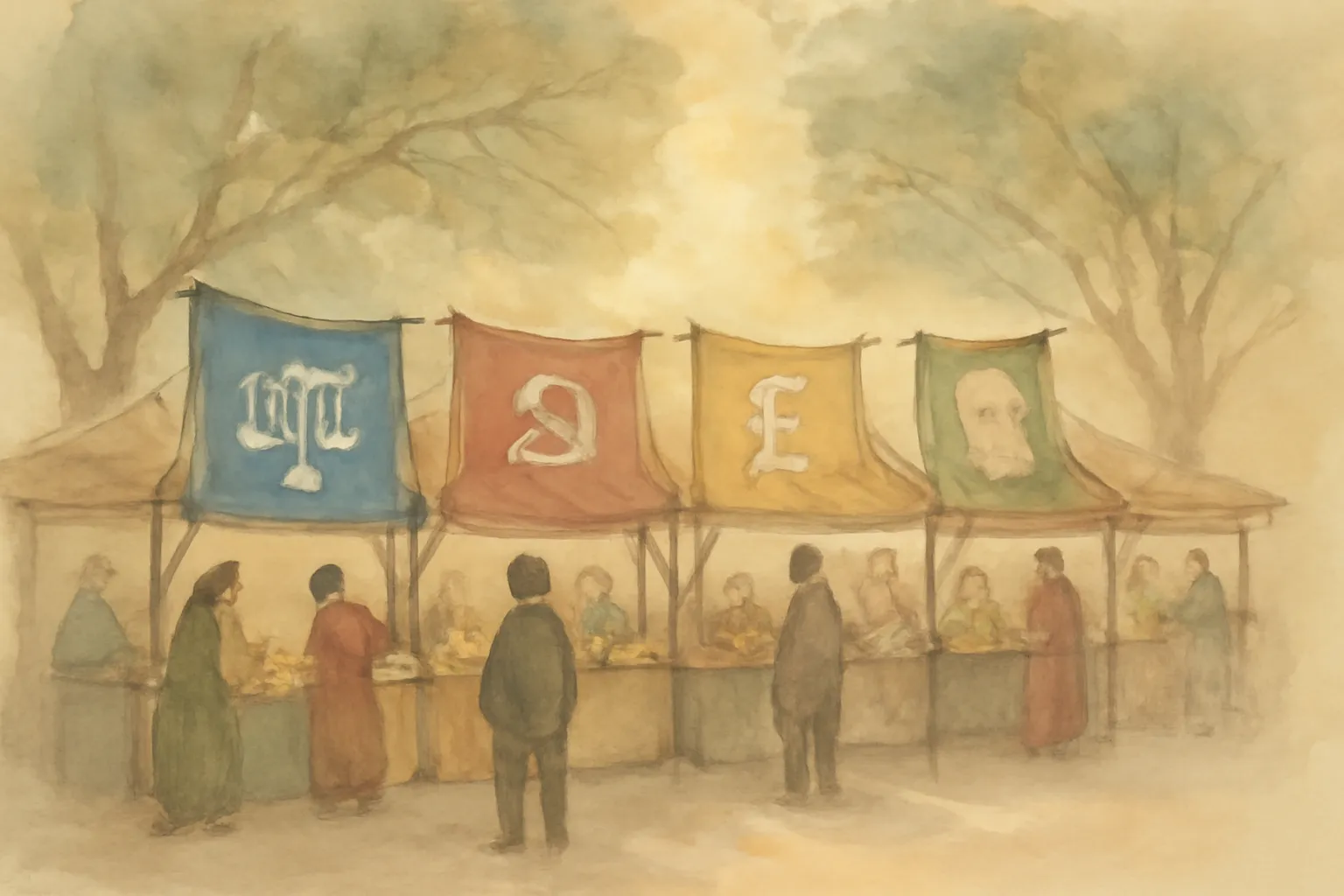
The book explores the enduring debate over the efficiency of markets versus the need for government intervention. By juxtaposing thinkers like Adam Smith and Karl Marx, it highlights the arguments for free markets as engines of prosperity, as well as the critiques about inequality, instability, and exploitation. Readers come away with a nuanced understanding that markets can be powerful but are not infallible, and that economic policy is always a balancing act.
4.Economics in Everyday Life
Rather than treating economics as a distant academic subject, the book shows its relevance to daily concerns—why prices rise, how jobs are created, what causes recessions, and how governments make fiscal choices. By connecting theory to issues like housing, taxation, and globalization, it empowers readers to interpret the news and make informed decisions in their own lives.
5.The Evolution of Economic Thought
From ancient philosophers to modern behavioral economists, the book traces how ideas have changed in response to new problems and discoveries. It covers milestones such as Keynesianism, monetarism, development economics, and behavioral insights, showing that economics is not static but continually adapting. This historical sweep encourages readers to see economic knowledge as provisional and open to debate.
6.The Role of Individuals and Institutions
The book emphasizes that economics is shaped by both individual choices and the institutions that structure those choices—governments, banks, corporations, and more. It examines how incentives, rules, and social norms interact, and why institutional design matters for economic outcomes. This helps demystify why some economies thrive while others struggle.