1.Science as a Human Drama
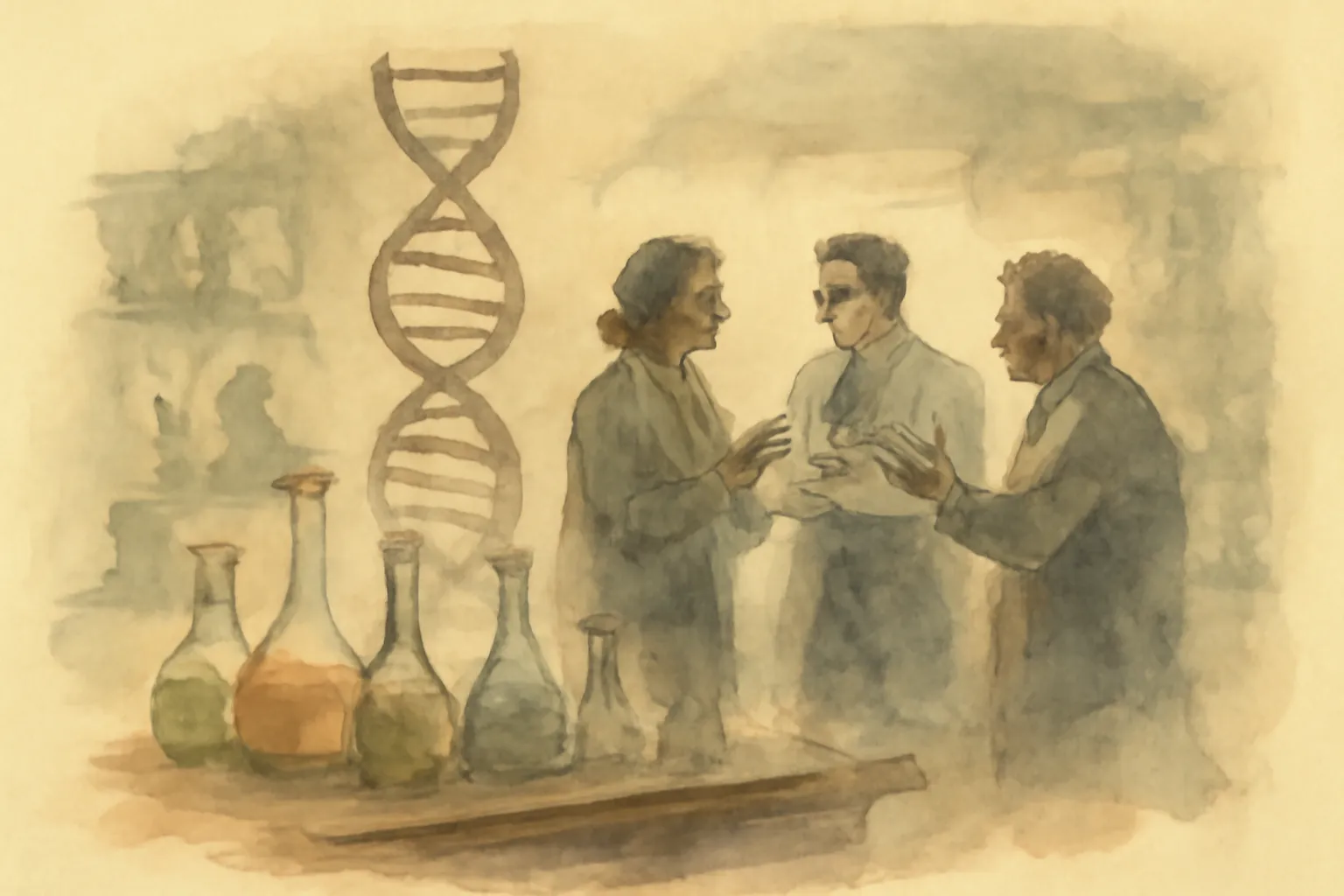
Judson’s narrative dispels the myth of science as a purely logical, impersonal process. Through extensive interviews with the pioneers of molecular biology—including Watson, Crick, Monod, and Brenner—he reveals that scientific progress is driven by ambition, competition, collaboration, and even serendipity. The book captures the emotional intensity, egos, and ethical dilemmas that accompanied the race to decipher the secrets of life, making the story as much about people as about molecules.
2.The Birth of Molecular Biology
The book traces the emergence of molecular biology from the late 1940s through the 1960s, focusing on pivotal discoveries such as the structure of DNA, the nature of the genetic code, and the mechanisms of gene regulation. Judson shows how a new discipline was forged by physicists, chemists, and biologists who brought diverse perspectives and methods to the study of life at the molecular level, ultimately transforming biology into a rigorous, quantitative science.
3.The Power of Collaboration and Rivalry
Judson highlights how scientific breakthroughs often arise from a mix of collaboration and fierce competition. He details the interplay between research groups in Cambridge, Paris, and the United States, showing how the sharing—and withholding—of information shaped the pace and direction of discovery. The book illustrates that science advances through both open dialogue and the drive to be first.
4.The Role of Technology and Method
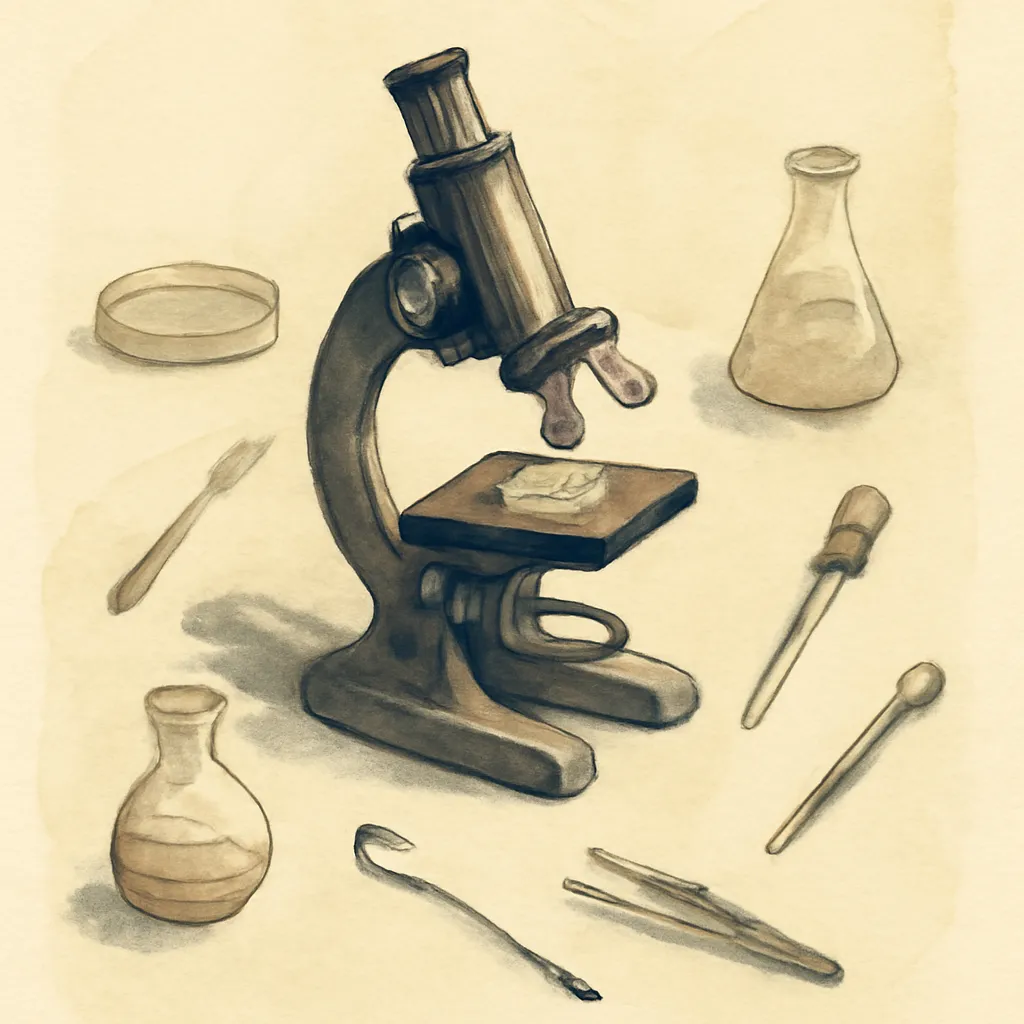
A recurring theme is the central role of new experimental techniques—such as X-ray crystallography, ultracentrifugation, and radioactive labeling—in enabling discovery. Judson demonstrates that conceptual leaps in biology were often inseparable from advances in instrumentation, and that the ability to ask new questions depended on the ability to see and measure the previously invisible.
5.The Nature of Scientific Explanation
Judson explores how explanations in molecular biology differ from those in classical biology. He shows how the field’s pioneers sought to explain life in terms of physical and chemical principles, and how this reductionist approach led to profound insights but also posed philosophical challenges about the limits of explanation and the complexity of living systems.
6.The Legacy and Limits of the Molecular Revolution
While celebrating the achievements of the molecular biologists, Judson is also clear-eyed about the limits of their triumphs. He discusses how the early optimism about reducing all of biology to molecular terms gave way to a recognition of the complexity and messiness of living systems, foreshadowing later developments in genomics and systems biology.