1.Art as Political Engagement
Cernuschi argues that Lam’s paintings are not merely formal experiments but deliberate interventions in the politics of race and identity in 20th-century Cuba. By drawing on anthropology and his own fieldwork, Cernuschi shows how Lam’s art becomes a site of resistance, confronting the racism and marginalization faced by Afro-Cubans. The book positions Lam as an artist who used his work to advocate for social dignity and pride within his community.
2.Anthropology’s Influence on Lam
A core thread of the book is Lam’s engagement with contemporary anthropology, particularly its studies of kinship, ritual, and cultural hybridity. Cernuschi demonstrates how Lam was influenced by anthropological theories and fieldwork, incorporating motifs and structures from Afro-Cuban religious practices. This anthropological lens allows Lam’s paintings to be read as visual ethnographies—complex commentaries on cultural fusion and survival.
3.Afro-Cuban Ritual and Symbolism
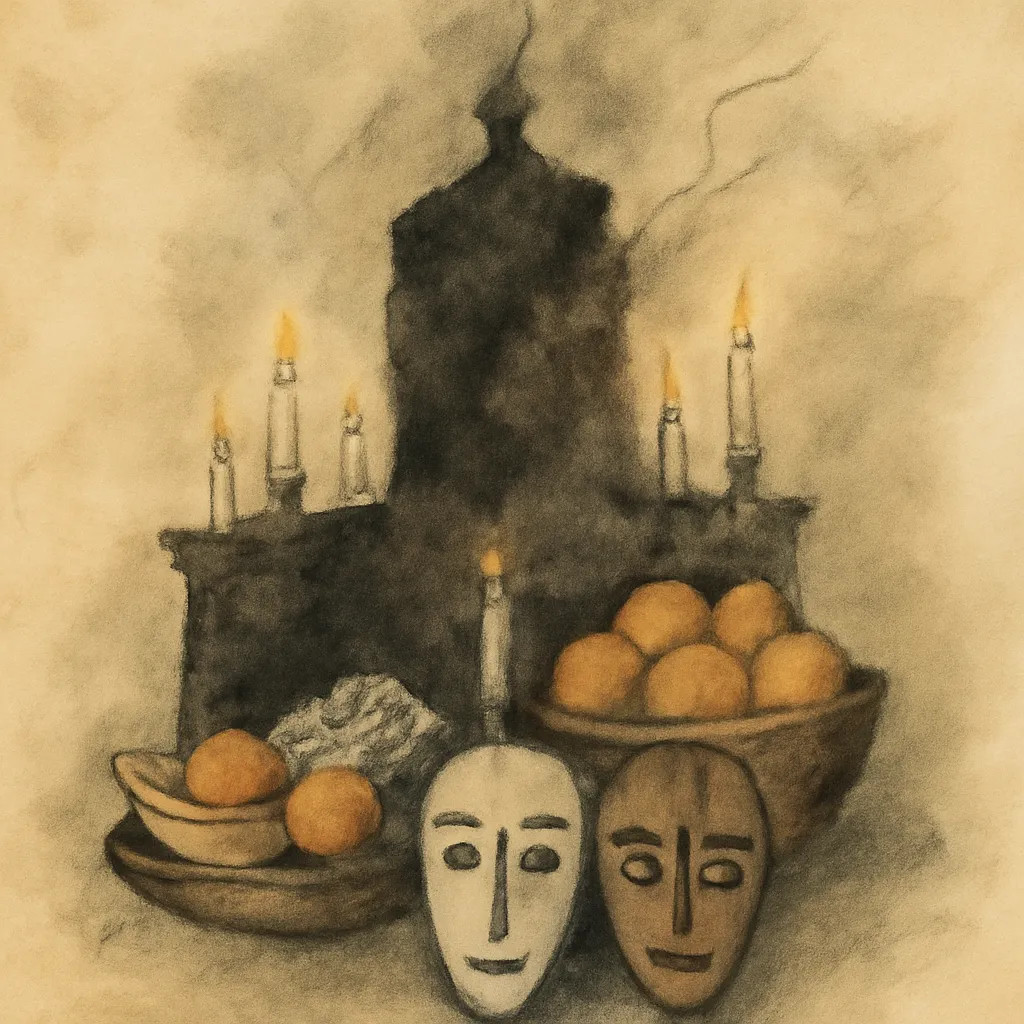
Cernuschi’s own fieldwork in Cuba enriches his analysis of Lam’s use of Afro-Cuban religious imagery. He details how Lam witnessed and absorbed the symbolism of rituals such as Santería and Abakuá, weaving their visual language into his art. This approach reveals the paintings as layered with spiritual and communal meanings, not just abstract forms.
4.Hybrid Style as Cultural Assertion
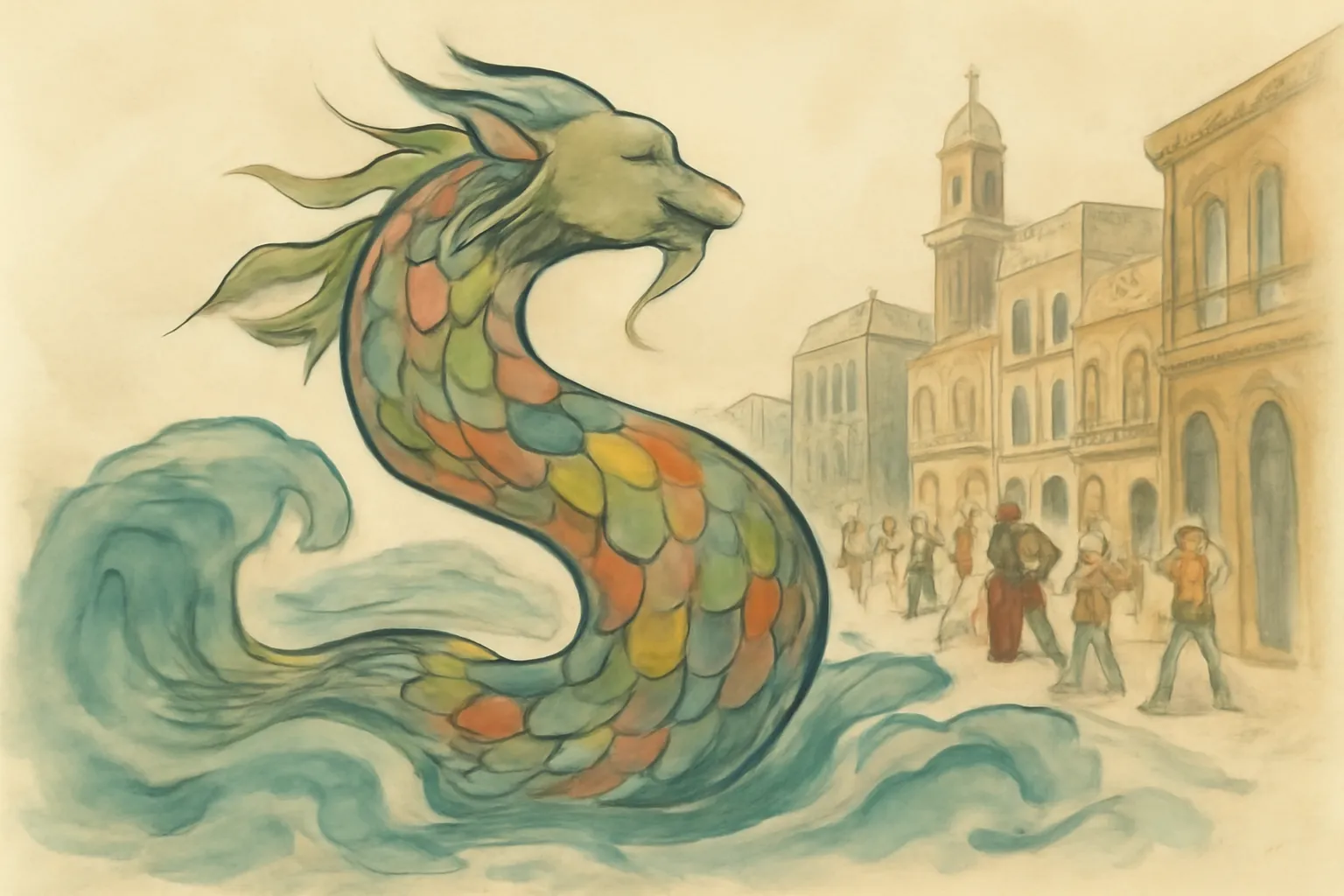
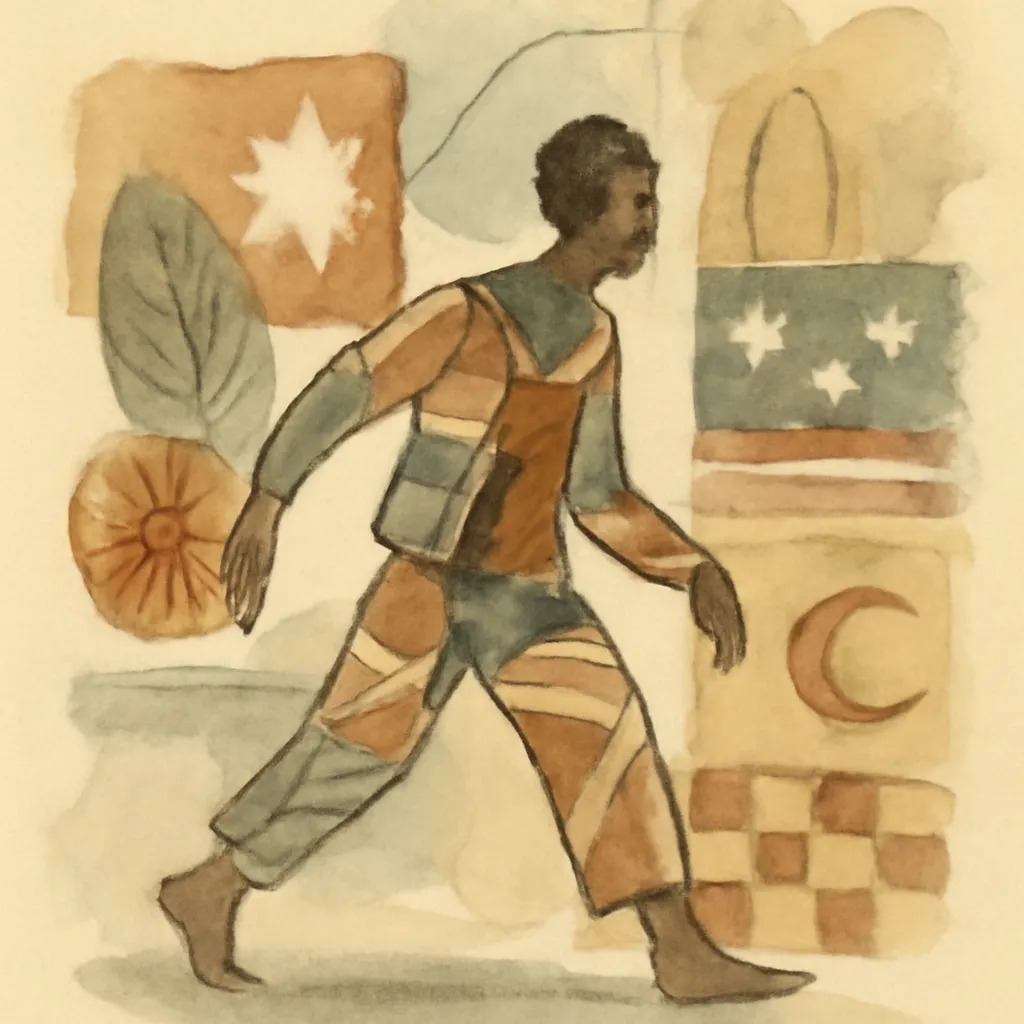
The book contends that Lam’s hybrid artistic style—melding European modernism with Afro-Cuban iconography—was a conscious strategy to create a new visual identity. For Cernuschi, this hybridity is not just aesthetic but political: it asserts the value of mixed heritage and counters the erasure imposed by colonial and racist ideologies. Lam’s work becomes a celebration of cultural complexity and resilience.
5.Counteracting Racism Through Art
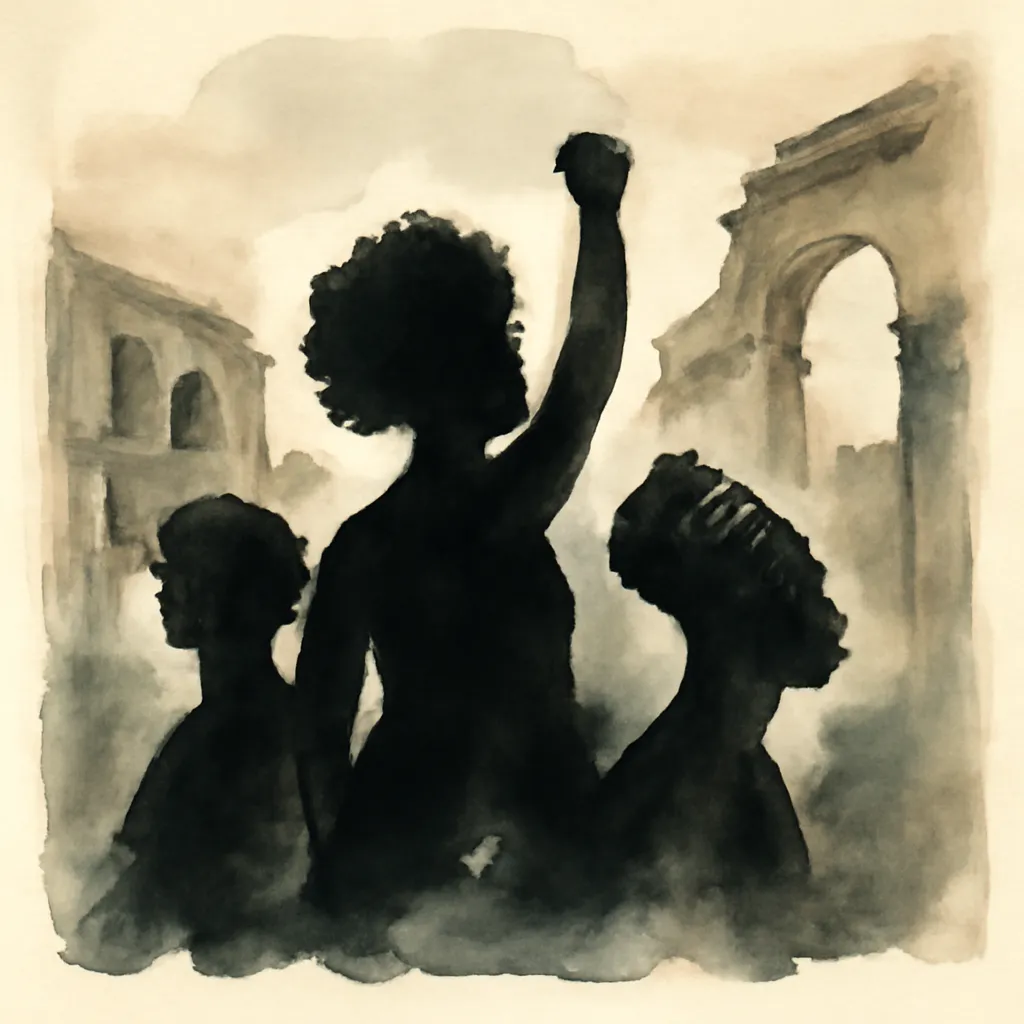
Cernuschi situates Lam’s work within the broader context of Cuban society’s acute racism. He argues that Lam’s paintings actively subvert the dominant narratives that devalue Afro-Cuban culture. By foregrounding black bodies, spiritual symbols, and hybrid forms, Lam’s art confronts viewers with the dignity and agency of the marginalized.
6.The Artist as Cultural Mediator
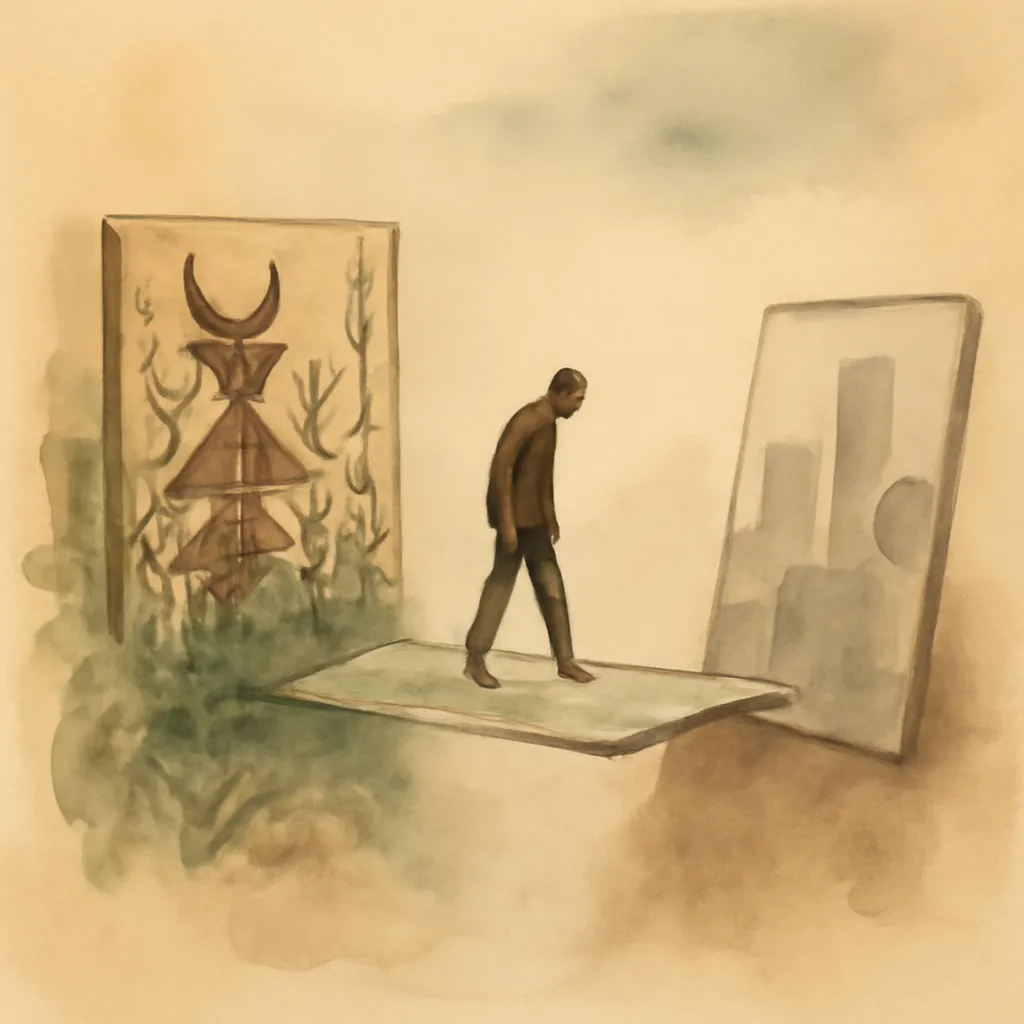
The book frames Lam as a mediator between worlds: European avant-garde circles and Afro-Cuban communities, colonial histories and postcolonial futures. Cernuschi explores how Lam navigated these tensions, using his art to bridge divides and foster new understandings of identity and belonging.