1.Bearing Witness to Ecological Loss
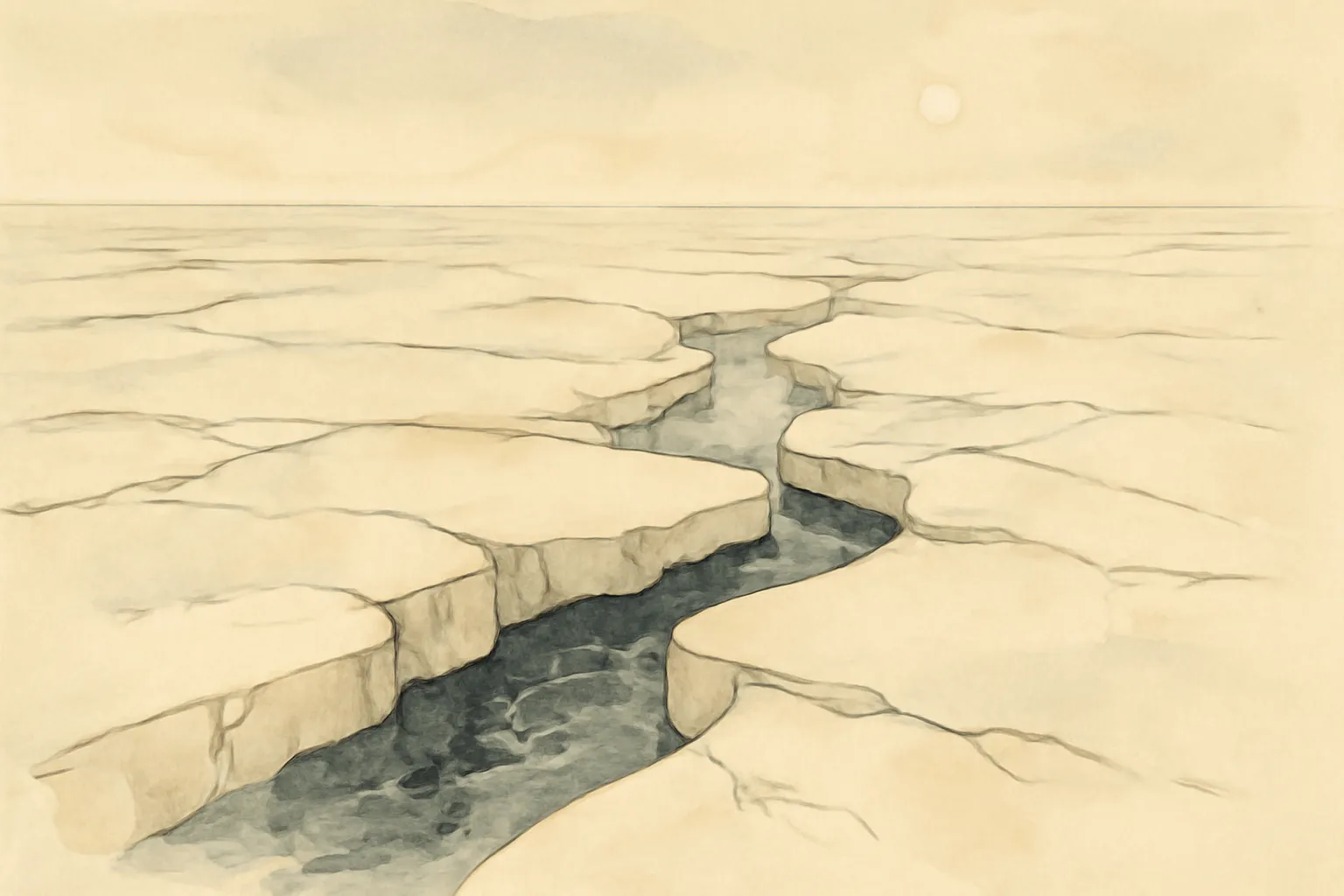
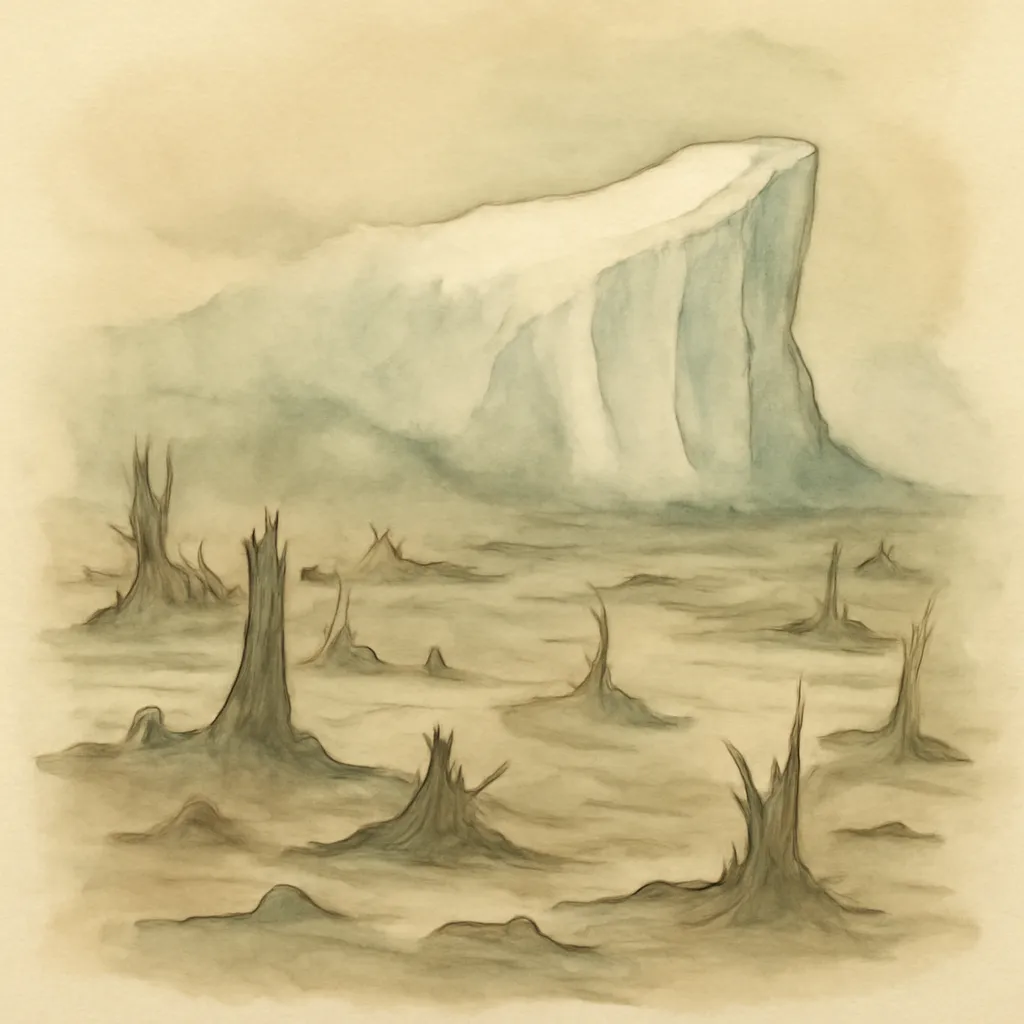
Jamail approaches climate change not just as a scientific issue, but as a profound loss—of landscapes, species, and ways of life. By traveling to places like Alaska, the Great Barrier Reef, and the Amazon, he documents firsthand the irreversible changes occurring. His narrative emphasizes the importance of witnessing and acknowledging these losses, arguing that emotional engagement is necessary if we are to respond authentically to the crisis.
2.Limits of Technological Optimism
The book challenges the idea that technology alone can save us from climate catastrophe. Through conversations with scientists and indigenous leaders, Jamail highlights the scale and speed of the changes underway, suggesting that adaptation and mitigation may not be enough. He calls for humility in the face of nature’s power and the limits of human control.
3.Interconnectedness of Human and Natural Systems
Jamail’s reporting reveals how climate disruption affects not just remote wilderness but also human communities, food systems, and cultures. The melting of glaciers, for example, threatens water supplies for millions. The fate of coral reefs is intertwined with the livelihoods of coastal peoples. The book insists that environmental and social justice are inseparable.
4.Grief as a Pathway to Action
Rather than shying away from despair, Jamail argues that acknowledging grief over environmental loss can be transformative. He explores how facing ecological grief head-on can foster deeper connection, compassion, and a sense of responsibility. This emotional honesty is presented as a necessary step for meaningful engagement with the climate crisis.
5.Learning from Indigenous Wisdom
Throughout his travels, Jamail listens to indigenous voices who have long understood living within ecological limits. He contrasts their holistic, relational worldview with the extractive mindset of modern industrial society. The book suggests that indigenous perspectives offer crucial guidance for finding meaning and resilience amid disruption.
6.Finding Meaning Beyond Hope
Jamail ultimately questions whether hope, as it is commonly understood, is the right response to climate disruption. Instead, he advocates for acting ethically and bearing witness, regardless of the outcome. This stance is rooted in accepting the reality of loss and focusing on how we live and relate to the world in the present.