1.The Search for Belonging
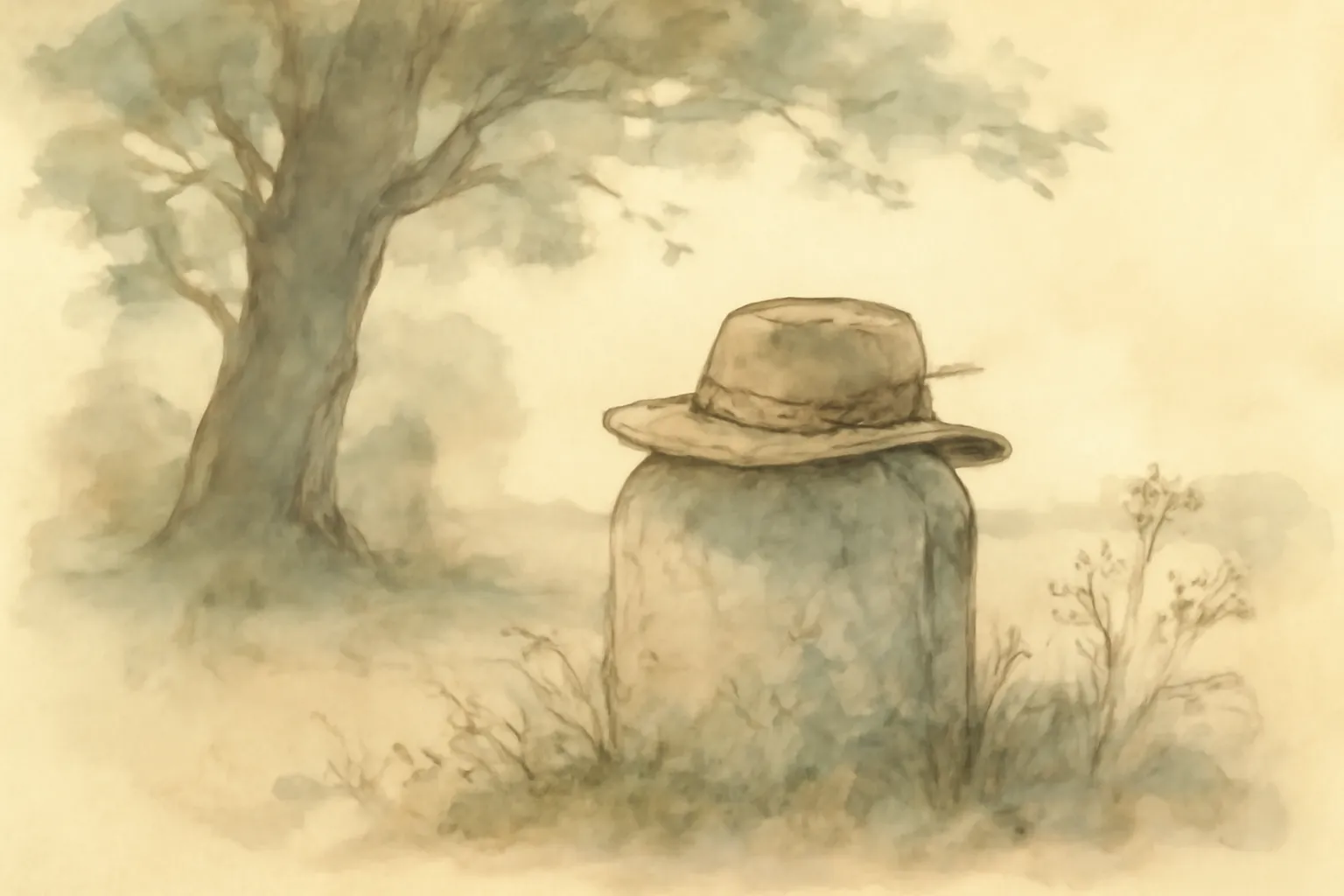
The protagonist's journey begins with a painful realization of disconnection from his roots. Despite having traveled extensively and described various locales, he feels a profound emptiness, as if he has no true home. This longing for belonging drives him back to Snow Hill, a town steeped in his family's history. The initial reflection that he knows no place well despite his travels underscores a universal human experience—the quest for identity. This search prompts readers to ponder their own connections to home and heritage. Through this exploration, Townsend illustrates the desire to reclaim one’s past and find a place within the tapestry of community. The protagonist’s nostalgic return serves as a catalyst for self-discovery, revealing how intertwined family history can shape personal identity.
2.The Eccentricity of Characters
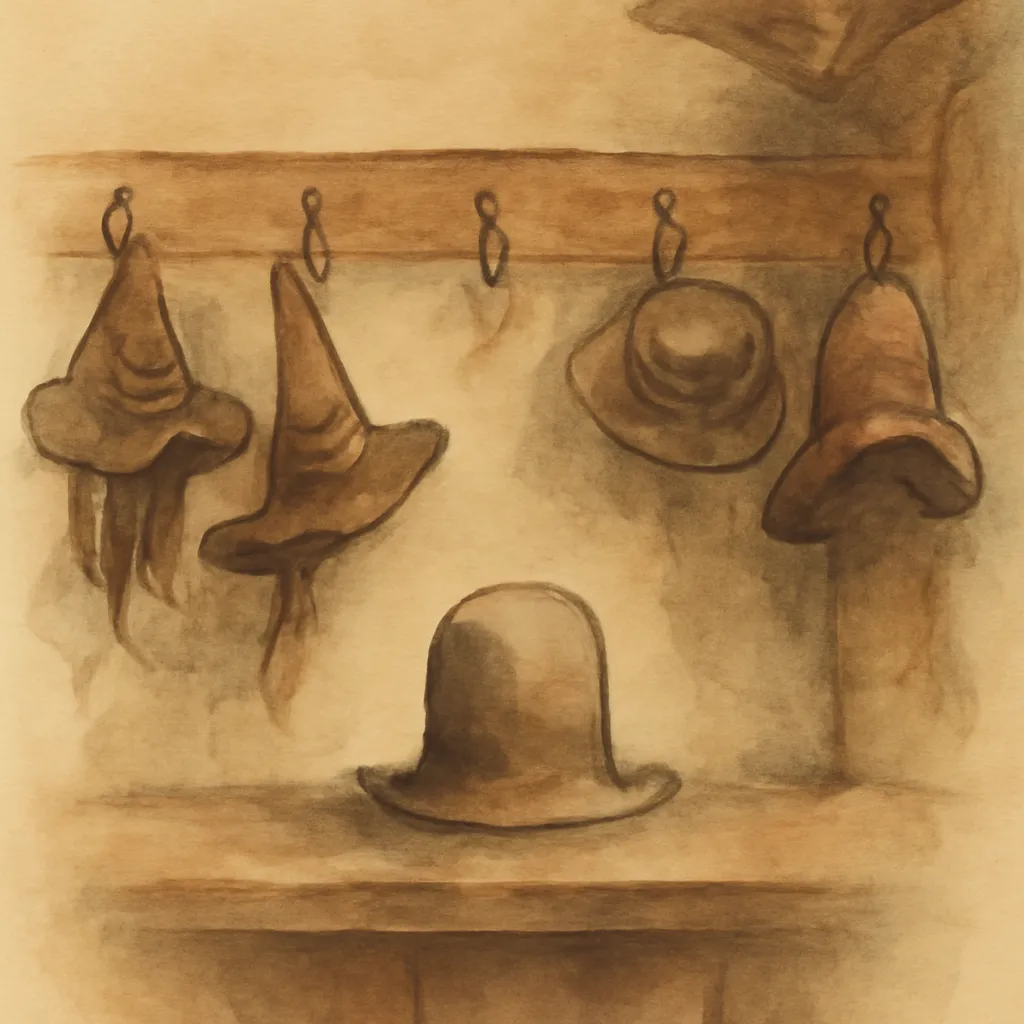
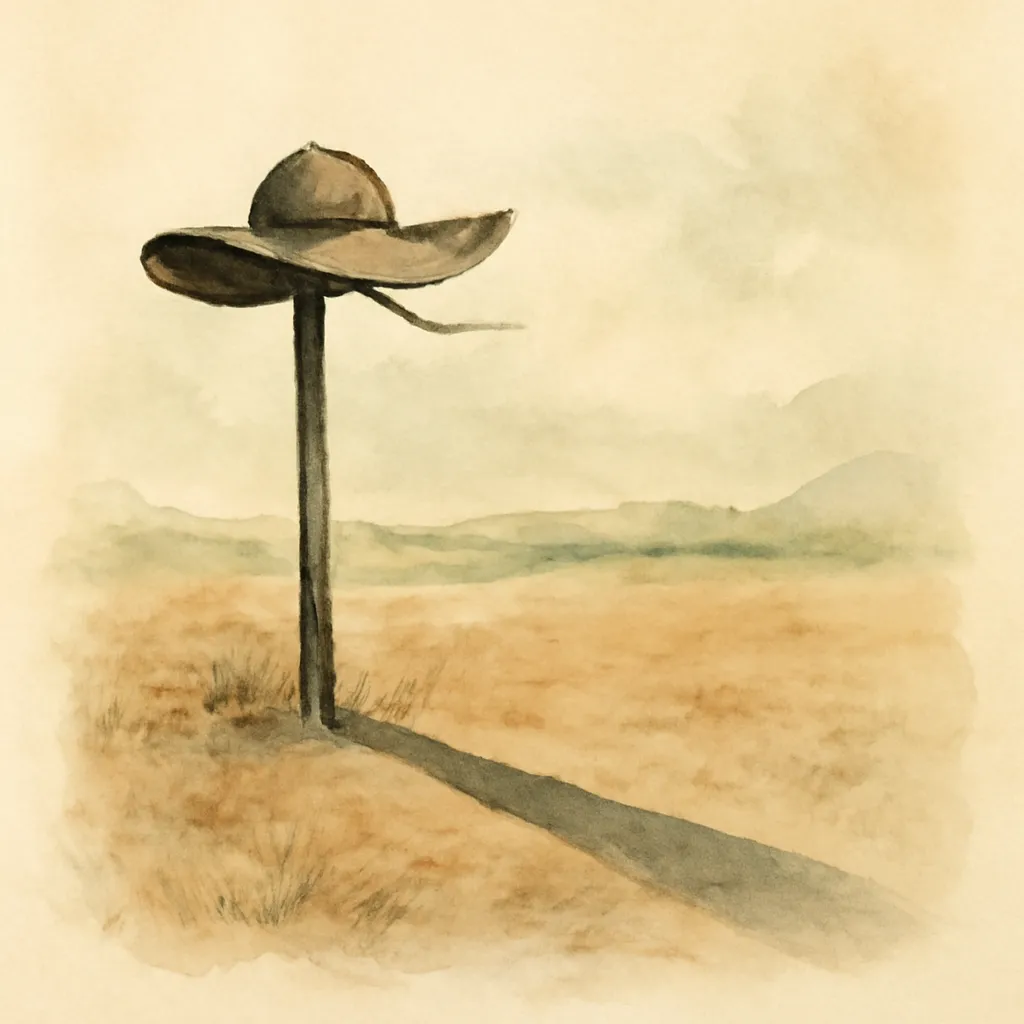
Townsend introduces a cast of eccentric characters, such as Jack Wonnell and Meshach Milburn, whose identities are closely defined by their unusual hats and peculiar behaviors. Jack, with his gradually worn bell-crown hats, epitomizes the struggle of clinging to the past while grappling with the pressure to adapt to changing times. His slow extinction of a stock of hats reflects a gradual decline of his own social relevance amid changing fashions. Meanwhile, Meshach, with his towering steeple hat, represents the burden of pride and the weight of societal judgment. His character embodies the theme of individuality versus conformity, showcasing the tension between personal quirks and societal expectations. Through their eccentricities, Townsend highlights how individuality can be both a source of ridicule and a badge of honor, suggesting that the most unusual traits can become defining characteristics that shape community perception.
3.The Role of Women in Society
The character of Vesta Custis emerges as a symbol of the societal expectations placed on women during this historical period. As the daughter of Judge Custis, Vesta grapples with her role within a patriarchal society that values marriage and familial duty over personal ambition. Her interactions with Meshach Milburn reveal complexities of love and societal pressure, as she is torn between her family's expectations of marrying within her social class and her feelings for a man deemed socially inferior. Vesta’s journey exemplifies the struggle for agency in a world that often sidelines women's desires and aspirations. Townsend's portrayal of Vesta invites readers to consider how women have historically navigated societal constraints and the ongoing fight for autonomy against external pressures. Her evolution from a dutiful daughter to an individual capable of making her own choices reflects the broader societal shifts regarding women's rights and roles.
4.Heritage and Legacy
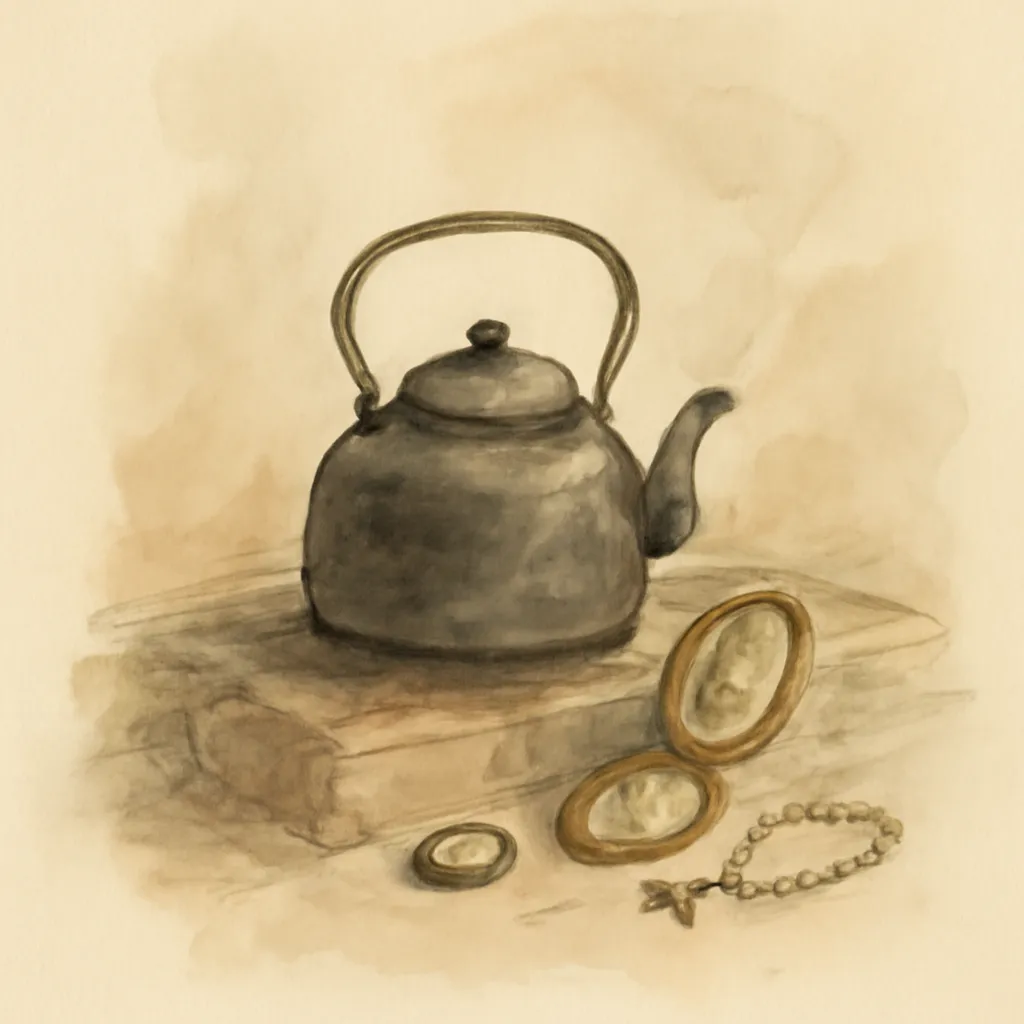
The narrative is rich with themes of heritage and legacy, particularly as the protagonist uncovers details about his ancestors and their modest bequests. The discovery of a will detailing the inheritance of a small iron kettle and other humble possessions serves as a poignant reminder of the simplicity and humility of those who came before him. This realization prompts introspection about what it means to inherit not just material possessions but also values, traditions, and the weight of familial expectations. The protagonist’s exploration of his lineage becomes a journey of understanding how the past shapes the present. Townsend adeptly illustrates that understanding one’s heritage is crucial for personal growth and identity formation, urging readers to recognize the importance of their own legacies and how they inform their current lives.
5.The Influence of Nature
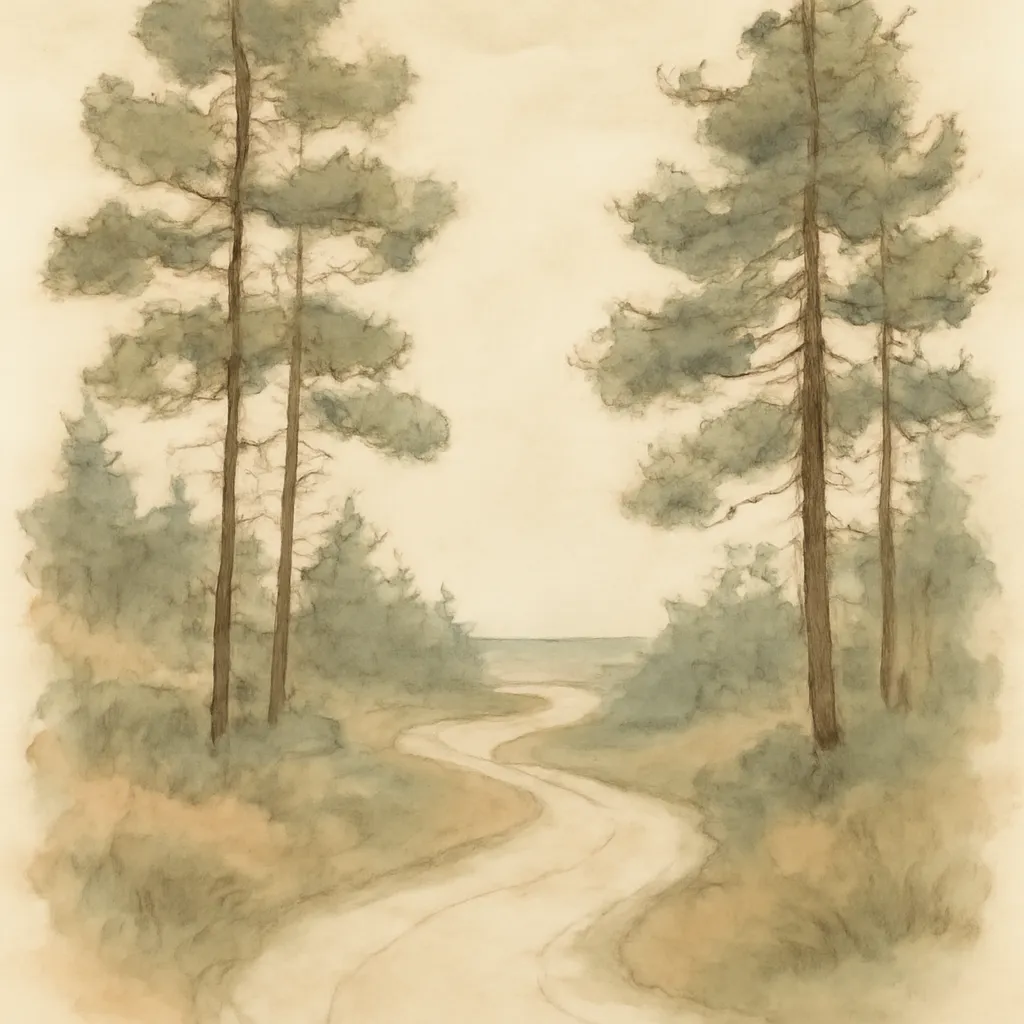
Nature plays a significant role in 'The Entailed Hat,' serving as both a backdrop and a character in its own right. The descriptions of the Eastern Shore's landscape, from the sandy roads of Hard-scrabble to the lush forests, contribute to the novel's atmosphere and thematic depth. Nature reflects the characters' inner turmoil and the broader societal changes occurring around them. For instance, the vibrant descriptions of changing seasons serve as a metaphor for the characters' emotional transitions and the inevitable passage of time. The pine trees and swamps symbolize both beauty and desolation, mirroring the characters’ struggles for identity. Townsend’s vivid imagery invites readers to immerse themselves in the setting, reinforcing the idea that nature is intertwined with human experience, prompting reflection on how the environment influences personal and communal identities.
6.Social Class and Status
The novel delves into the complexities of social class and status, particularly through the lens of Judge Custis and his family. As a member of the gentry, the Judge grapples with the expectations of his position while facing the potential ruin of his family's fortune due to the failed iron furnace. This tension highlights the fragility of social standing and the impact of economic instability on personal identity. Townsend uses the Judge's plight to illustrate how one's status can be a double-edged sword—providing both privilege and the anxiety of maintaining it. The interactions among characters from different social strata, such as the wealthy Custises and the poorer Milburn, reveal the nuances of class dynamics and the often unacknowledged biases that permeate society. The resulting conflicts prompt readers to reflect on the implications of class in their own lives and the ways it shapes interactions and opportunities.
7.The Burden of Pride
Pride emerges as a central theme, particularly in the character of Meshach Milburn, whose attachment to his peculiar hat symbolizes his defiance against societal norms. His pride isolates him, creating a barrier between him and the community, as others view him with suspicion and ridicule. However, this same pride also fuels his ambition and determination to carve out a place for himself in a world that often marginalizes those who do not conform. Townsend skillfully portrays the duality of pride as both a source of strength and a potential downfall. As Meshach navigates his relationships and societal perceptions, readers are invited to contemplate the fine line between healthy self-respect and hubristic arrogance. This complexity adds depth to his character, ultimately suggesting that while pride can lead to personal victories, it can also alienate individuals from the very community they seek to belong to.
8.Love and Sacrifice
The theme of love and sacrifice is intricately woven throughout the narrative, particularly in the relationship between Vesta and Meshach. Their connection is fraught with societal constraints and personal dilemmas, forcing them to confront the sacrifices they must make for love. Vesta’s eventual decision to marry Meshach, despite the disapproval of her family and society, reflects her willingness to challenge conventions for the sake of her heart. Townsend illustrates that love often requires sacrifice, whether it be personal ambition, societal acceptance, or familial loyalty. The characters' struggles with their feelings and the resultant sacrifices lead to poignant moments of realization, highlighting the transformative power of love. This exploration of love's complexities resonates deeply, prompting readers to consider the sacrifices they may face in their own lives when pursuing meaningful relationships.
9.The Impact of Community
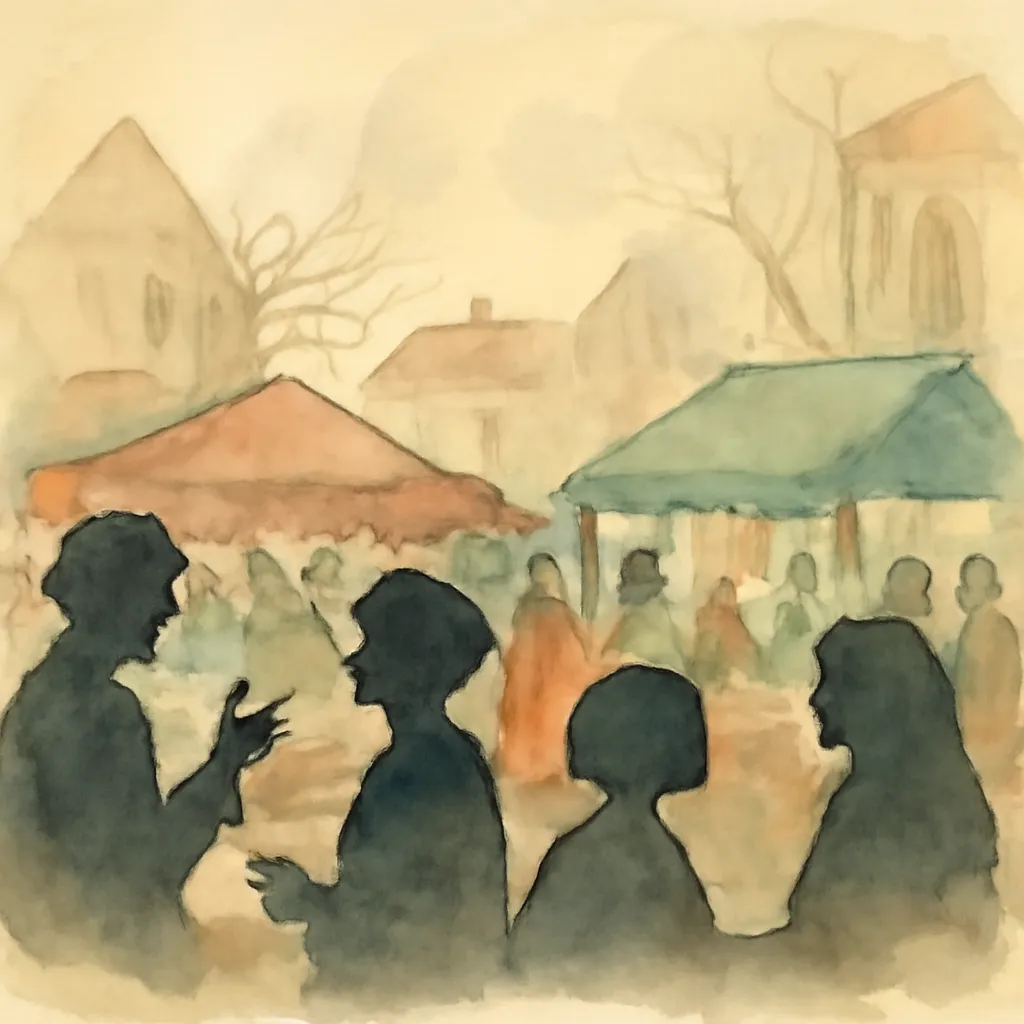
The sense of community plays a pivotal role in shaping the characters' identities and experiences. The interactions among the residents of Princess Anne reveal the intricate web of relationships that define the social fabric of the town. Through gossip, camaraderie, and conflict, Townsend demonstrates how community can both uplift and constrain individuals. The protagonist's return to Snow Hill underscores the importance of community in fostering a sense of belonging and identity. However, as he navigates the dynamics of his hometown, he also confronts the darker aspects of community, including judgment and exclusion. This duality invites readers to reflect on their own communities and the ways in which they shape personal narratives. The exploration of community dynamics emphasizes that while belonging can provide comfort, it can also impose limitations on individual expression and growth.
10.Confronting the Past
The act of confronting the past is a recurring motif in 'The Entailed Hat,' as characters grapple with their histories and the legacies they inherit. The protagonist's exploration of his family's past forces him to reckon with the complexities of memory, nostalgia, and the impact of history on present-day life. This journey is not merely about uncovering facts but involves an emotional reckoning with the choices and circumstances that shaped his ancestors. Townsend suggests that to truly understand oneself, one must engage with the past, acknowledging both its beauty and its burdens. This theme resonates with readers, encouraging them to reflect on their own histories and the ways in which they inform their identities. The protagonist’s reconciliation with his heritage ultimately becomes a pathway to personal understanding and growth.