1.The Power of Letters

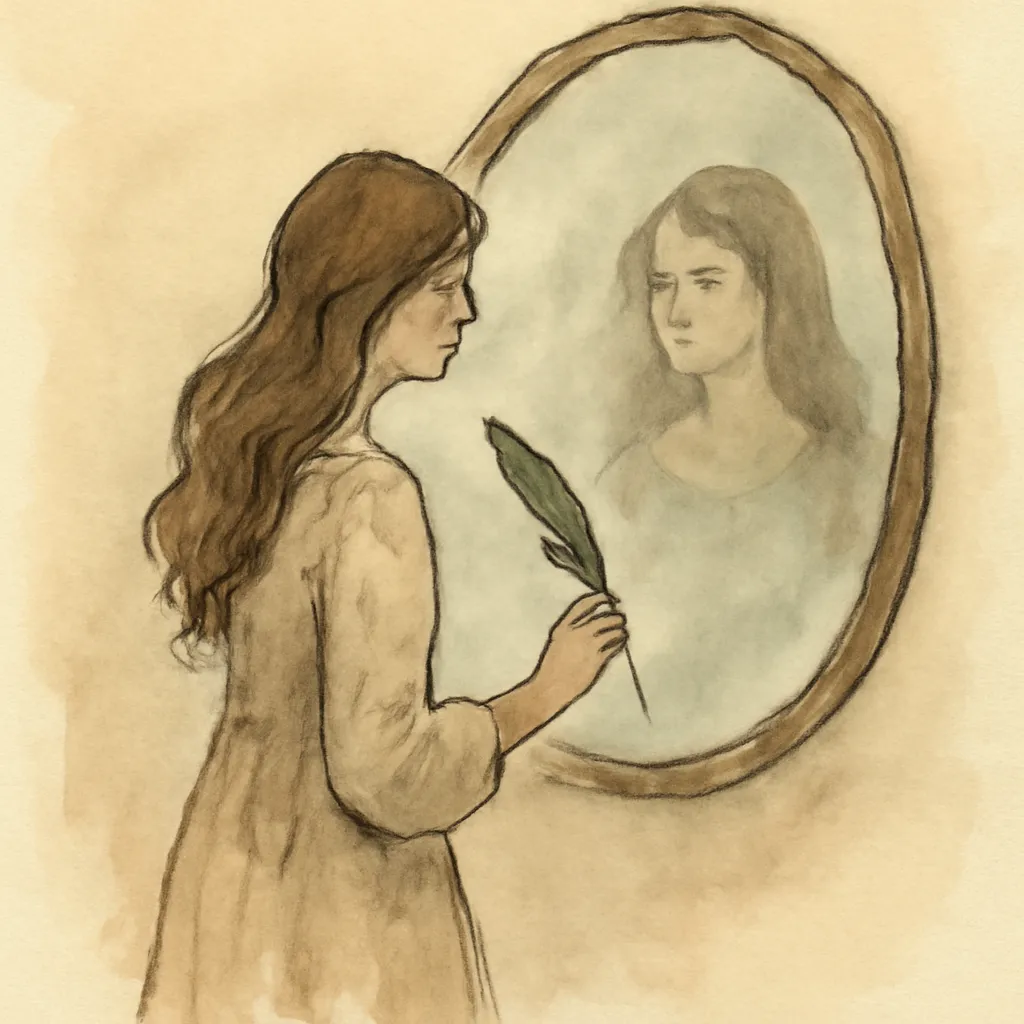
The novel is structured entirely as a series of letters, showcasing the power of written communication in expressing thoughts, emotions, and social commentary. Each character's letters reveal their distinct voice and perspective, allowing readers to grasp their internal struggles and external conflicts. For instance, Melford's correspondence often reflects his frustrations with societal norms and his family dynamics, while Lydia's letters reveal her romantic aspirations and emotional turmoil. This epistolary format not only deepens character development but also serves as a critique of the social issues of the time, such as class distinctions and gender roles. Through the lens of personal correspondence, Smollett highlights the significance of individual voice and agency, illustrating how letters can transcend personal and societal barriers. By relying on letters, Smollett captures the nuances of communication, emphasizing how misunderstandings and misinterpretations can lead to both comedic and tragic outcomes in relationships.
2.Family Dynamics and Conflicts
At the heart of 'The Expedition of Humphry Clinker' is the complex interplay of family dynamics, particularly within the Bramble family. The characters of Uncle Matthew, Aunt Tabitha, and their niece Lydia each embody different aspects of familial relationships. Uncle Matthew, a cantankerous yet endearing figure, often clashes with Aunt Tabitha, whose strong opinions and self-righteousness create tension. Lydia, caught between her uncle's domineering nature and her aunt's meddling, longs for autonomy and love. This familial conflict serves as a microcosm of broader societal tensions, illustrating how personal relationships mirror larger social structures. The Bramble family's journey not only highlights their individual struggles but also emphasizes the importance of understanding and compassion within familial bonds. Smollett deftly presents both the humor and the challenges that arise from living within a family, suggesting that love and conflict are intertwined in the familial experience, and that navigating these relationships often requires both patience and resilience.
3.Romantic Aspirations and Misadventures
Romance is a central theme in the novel, explored through the various courtships and romantic entanglements of its characters. Lydia's pursuit of love, particularly her connection with the charming but enigmatic Wilson, underscores the challenges faced by women in a patriarchal society. Her romantic aspirations are complicated by her family's expectations and societal pressures, leading to moments of both heartbreak and hope. Smollett contrasts Lydia's earnest desires with the often ridiculous situations she finds herself in, highlighting the absurdity of love and courtship in the 18th century. For example, Lydia's interactions with various suitors illustrate the precarious nature of romance, where social status and family approval weigh heavily on personal happiness. Through Lydia's eyes, readers witness the trials of seeking genuine connection amidst societal constraints, making her journey relatable across generations. Ultimately, Smollett suggests that the quest for love is fraught with obstacles, yet infinitely worth pursuing.
4.Class and Social Commentary
Smollett's keen observations on class and social structure permeate the narrative, revealing the absurdities and injustices of the time. Characters like the pompous Mr. Justice Lismahago represent the self-importance of the upper class, while the humble yet wise Humphry Clinker embodies the virtues of the lower class. The interactions between these characters often expose the hypocrisy and pretensions of the elite, as they navigate their social standing and the expectations that come with it. Smollett uses humor and satire to critique the rigid class distinctions, suggesting that true worth is not determined by wealth or status but by character and integrity. This exploration of class dynamics serves to question societal norms and encourage readers to reflect on the value of authenticity over superficiality. The contrast between characters' moral values and their social standings invites readers to consider how societal structures shape individual actions and relationships.
5.The Absurdity of Human Behavior

Throughout the novel, Smollett showcases the absurdity of human behavior, often through comedic situations that highlight the folly of his characters. From Uncle Matthew's exaggerated ailments to Aunt Tabitha's relentless pursuit of social status, the characters often find themselves in ludicrous predicaments that elicit both laughter and reflection. This absurdity serves to emphasize the unpredictability of life and the often irrational nature of human desires and motivations. For example, characters frequently react in extreme ways to minor inconveniences, revealing how societal pressures can distort natural responses to life's challenges. Smollett's humor invites readers to enjoy the antics of his characters while also considering the deeper truths about human nature and the complexities of existence. The novel ultimately suggests that amidst the chaos and absurdity, there is a shared humanity that connects us all, binding us in our follies and strengths.
6.The Quest for Identity
The journey undertaken by the Bramble family is also a quest for identity, as each character grapples with their sense of self in relation to their family and society. Lydia, in particular, seeks to assert her independence and define her identity beyond the confines of her family and societal expectations. This struggle is vividly depicted in her letters, where she expresses her frustrations and desires for autonomy. Additionally, Uncle Matthew's character development highlights the theme of identity, as he confronts his own shortcomings and prejudices throughout the journey. This quest for identity is not solely personal; it reflects the broader societal struggles of the time, where individuals sought to carve out their own identities amidst rigid class distinctions and gender roles. Smollett's exploration of identity resonates with readers, encouraging them to reflect on their own journeys of self-discovery and the influences that shape who they are.
7.Health and Wellness in the 18th Century
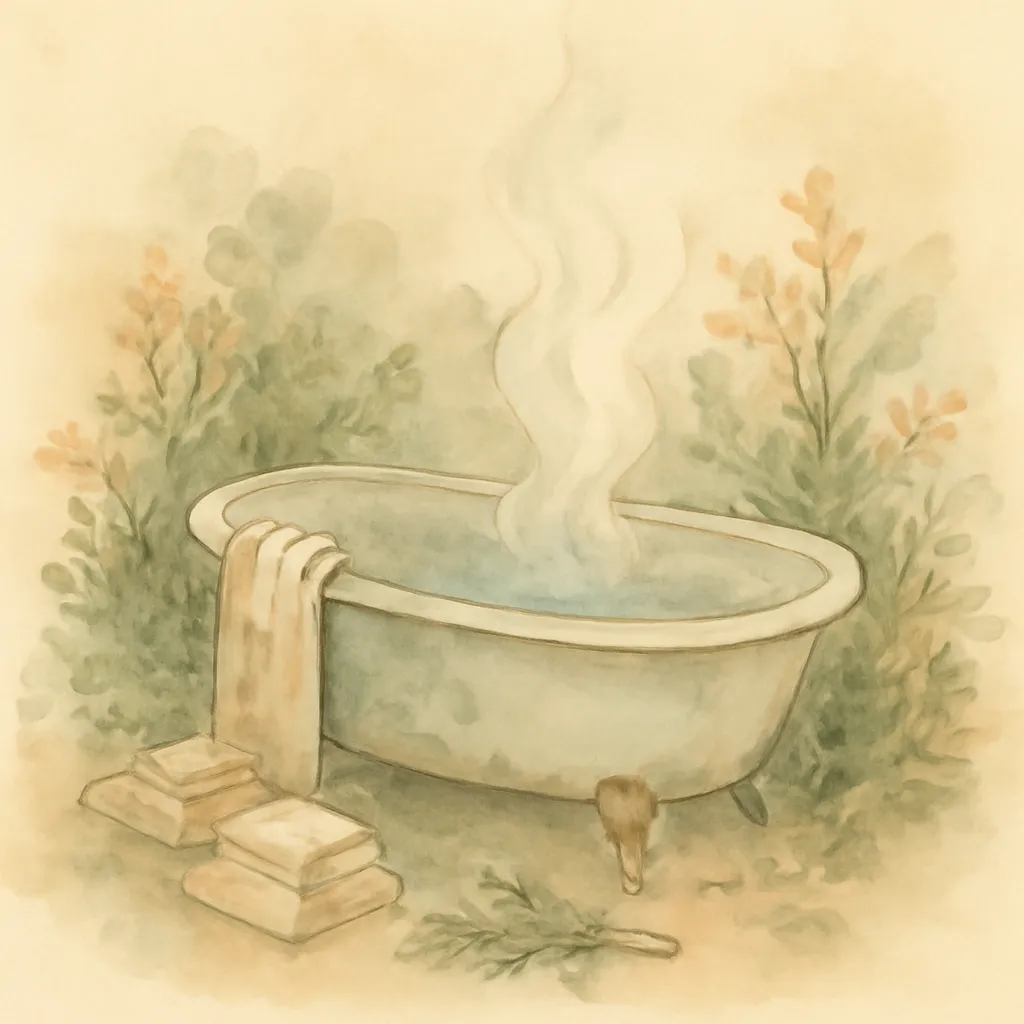
Health and wellness play a significant role in 'The Expedition of Humphry Clinker', as characters frequently seek out baths and treatments for their ailments. The journey to Bath is emblematic of the era's fascination with health fads and the belief in the curative properties of mineral waters. Characters like Uncle Matthew often exaggerate their health issues, exhibiting both a comedic and tragic reflection of societal anxieties about health. Smollett uses these health quests to satirize the gullibility of those who seek quick fixes for their problems, often leading to humorous situations. The characters' interactions with the health practitioners and their experiences in the baths provide insight into the medical practices of the time, reflecting both the advancements and limitations of 18th-century medicine. This exploration of health not only serves as a backdrop for character development but also critiques the societal obsession with appearances and wellness, urging readers to consider the authenticity of health practices versus societal expectations.
8.Friendship and Loyalty
Friendship and loyalty emerge as vital themes throughout the novel, as the characters navigate their relationships with one another amidst the chaos of their journey. The bond between the Bramble family members, despite their conflicts, showcases the importance of loyalty and support in the face of adversity. Humphry Clinker, as a loyal servant, exemplifies the virtues of friendship, often stepping in to mediate conflicts and provide support to his employers. His unwavering loyalty contrasts with the more self-serving motivations of other characters, highlighting the value of genuine connection. For instance, Clinker's interactions with the Brambles emphasize the importance of community and support systems in overcoming personal trials. Smollett emphasizes that true friendship is built on understanding, compassion, and mutual respect, offering readers a poignant reminder of the significance of these qualities in their own lives.
9.Cultural Reflections and Social Norms
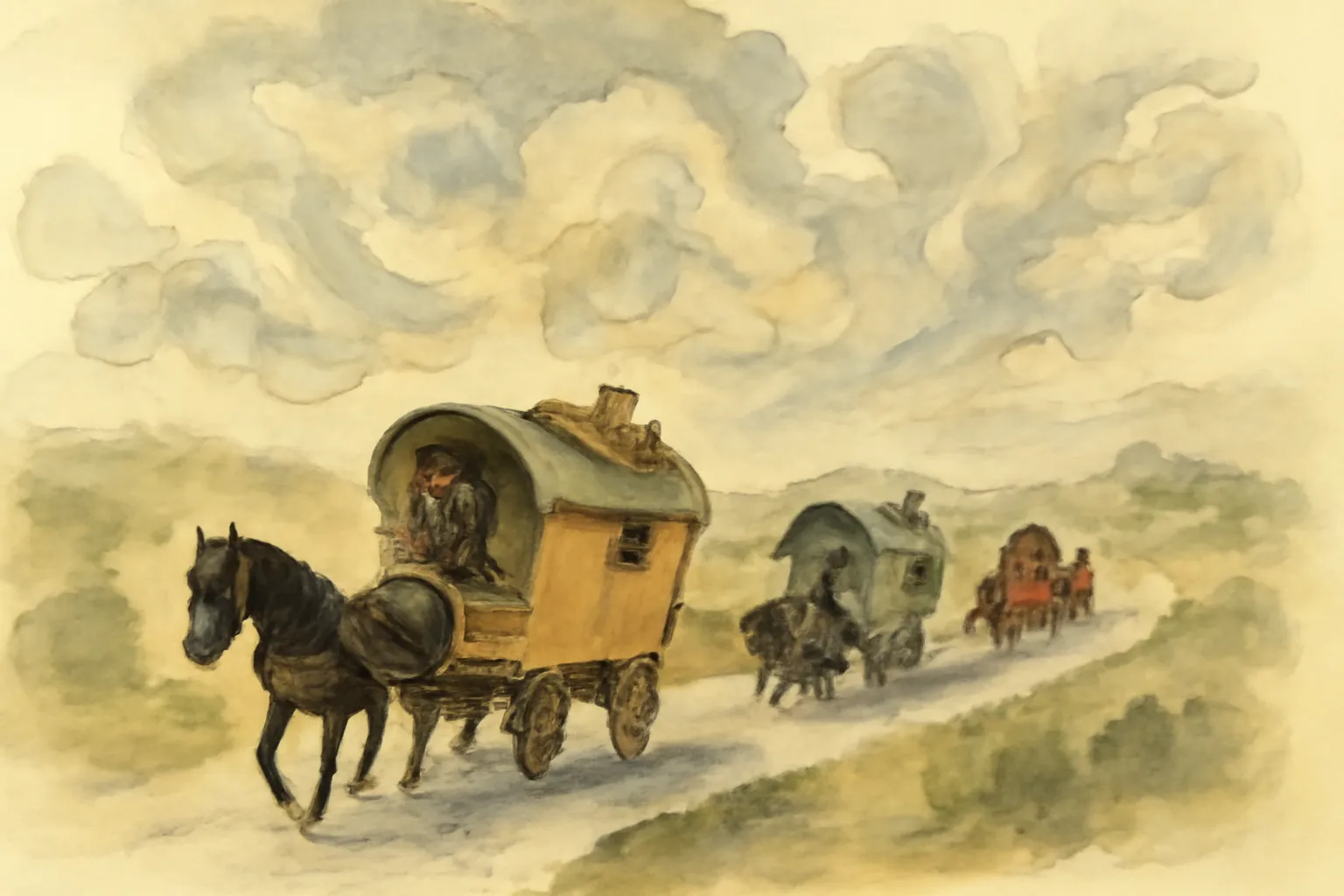
The novel serves as a cultural reflection of 18th-century England, capturing the social norms, values, and absurdities of the time. Through the characters' experiences and interactions, Smollett provides a lens into the customs, fashions, and societal expectations that defined the era. The various settings, from the bustling streets of London to the serene baths of Bath, further illustrate the contrasts between urban and rural life, as well as the evolving landscape of society. Smollett's keen observations invite readers to consider how cultural influences shape individual behavior and societal norms, making the novel a rich tapestry of its time. This cultural exploration encourages readers to reflect on the continuity and changes in social dynamics, drawing parallels with contemporary society. By examining the customs and behaviors of his characters, Smollett urges readers to question the norms of their own times and to consider how personal values might intersect with societal expectations.
10.Humphry Clinker as a Symbol of Virtue
Humphry Clinker, the servant to the Bramble family, serves as a pivotal character who embodies virtue and simplicity amidst the chaos of the upper-class lives around him. His humble origins and genuine nature present a stark contrast to the pretensions and absurdities of the other characters. Clinker's character reflects Smollett's belief in the value of authenticity and moral integrity over social status. Throughout the journey, Clinker often provides sage advice and demonstrates kindness, earning the respect and affection of those around him. His role as a grounded figure allows the narrative to explore deeper themes of social justice and the importance of character in defining one's worth in society. Smollett uses Clinker not only as a source of comic relief but also as a vehicle to critique the superficiality of the upper classes and to highlight the nobility found in humble virtues.