1.Space and Time Are Dynamic
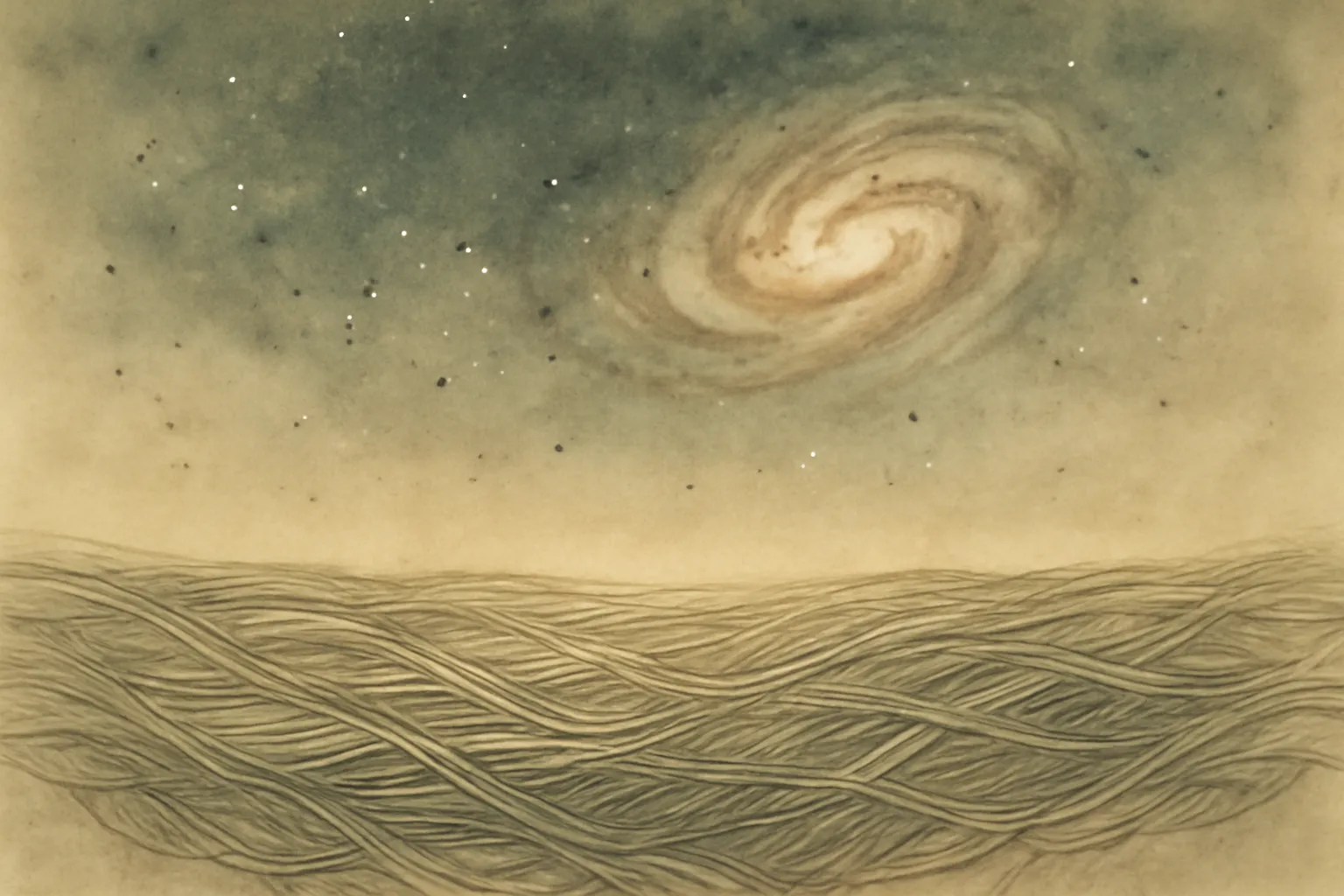
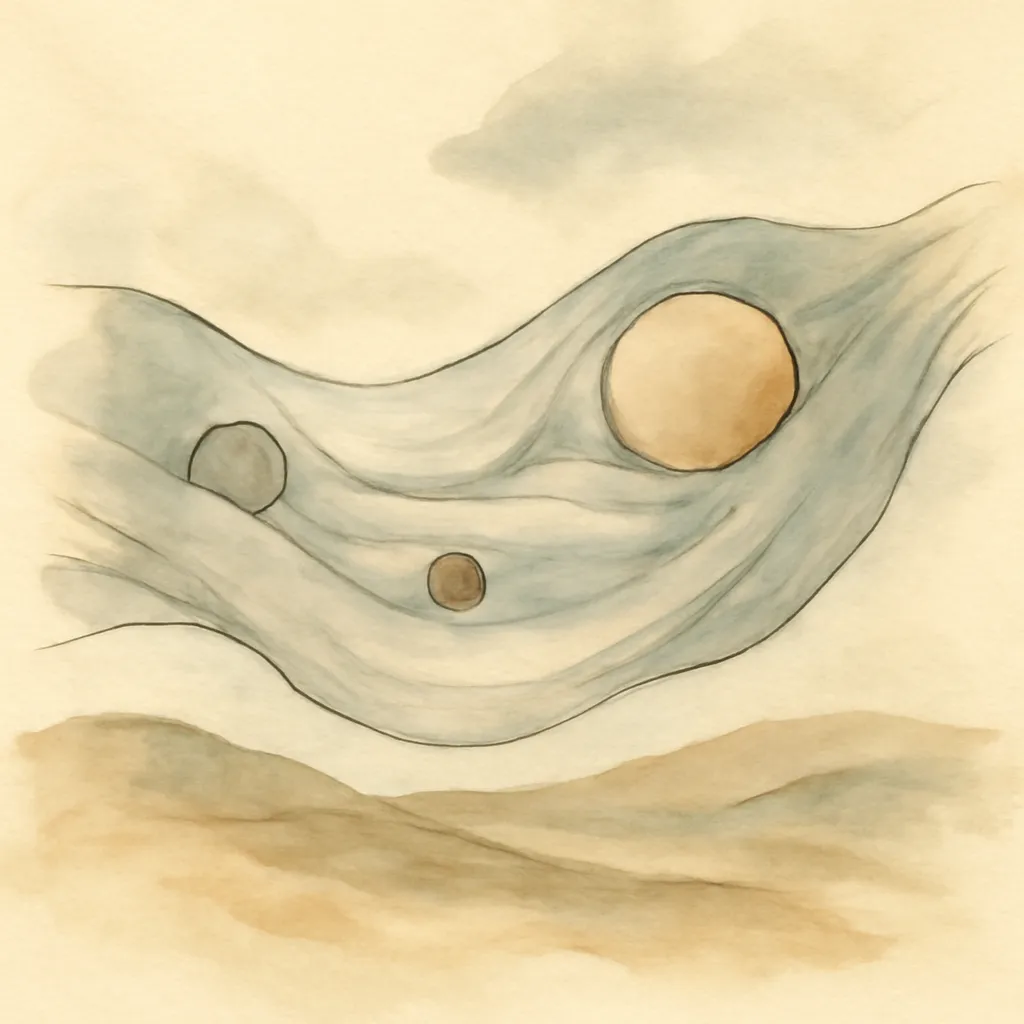
Greene emphasizes that space and time are not static backgrounds but dynamic entities that can stretch, warp, and ripple. Drawing from Einstein’s relativity, he shows how gravity is not a force pulling objects but a manifestation of curved spacetime. This reimagining fundamentally changes our understanding of motion, causality, and the interconnectedness of events in the universe.
2.Quantum Weirdness and Reality
The book delves into quantum mechanics, highlighting its counterintuitive implications: particles can be in multiple states at once, and the act of observation can influence outcomes. Greene explains how quantum phenomena challenge our classical intuitions and raise deep questions about the nature of reality, causality, and even free will.
3.The Illusion of Time's Flow
Greene explores the concept that the passage of time—the sense of past, present, and future—is not a fundamental feature of the universe but an emergent property of our perception. Physics suggests that all moments exist equally, and the 'flow' of time arises from entropy and the way we process information, not from the underlying laws of nature.
4.The Multiverse Hypotheses
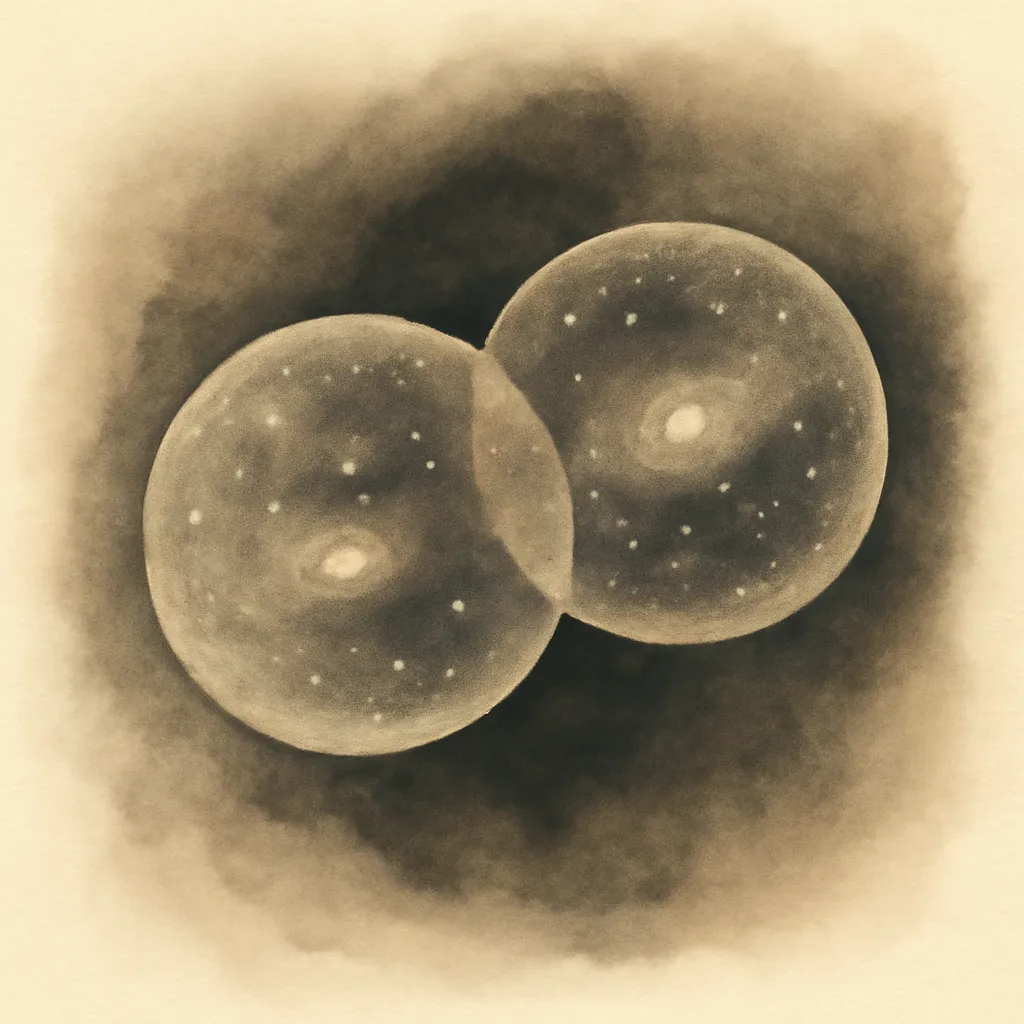
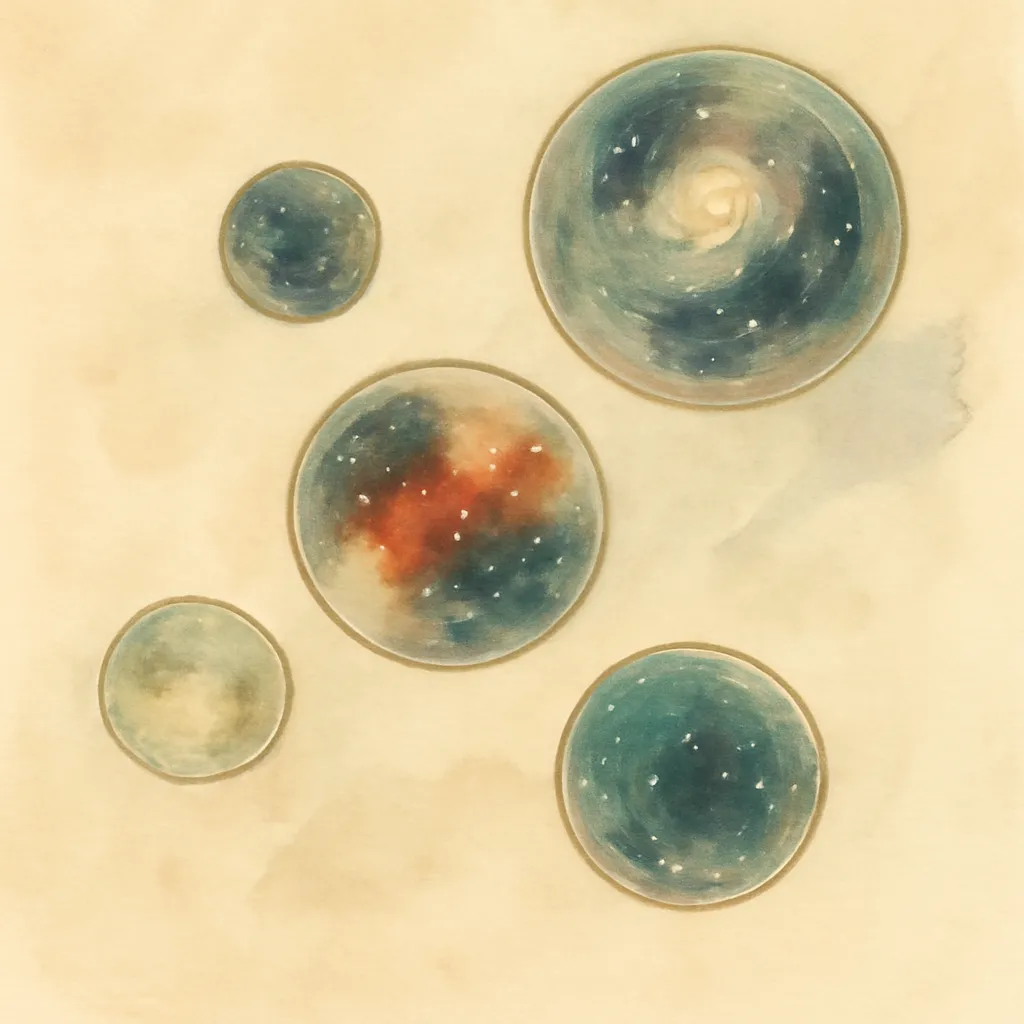
A major theme is the possibility that our universe is just one of many. Greene surveys several multiverse models, from the 'bubble universes' of inflationary cosmology to the many-worlds interpretation of quantum mechanics. He discusses the scientific motivations behind these ideas, as well as their philosophical and empirical challenges.
5.String Theory and the Quest for Unification
Greene introduces string theory as a leading candidate for unifying gravity with quantum mechanics. He explains how this framework envisions fundamental particles as tiny vibrating strings, which can give rise to the rich tapestry of forces and matter. The theory's mathematical beauty and its implications for extra dimensions and parallel universes are explored in depth.
6.The Limits of Scientific Knowledge
Throughout the book, Greene is candid about the boundaries of current understanding. He acknowledges that many of the most intriguing ideas—like the multiverse—are still speculative and may never be directly testable. Yet, he argues that exploring these frontiers is essential for pushing science forward and expanding our conception of reality.