1.Shifting the Lens: From Generals to Soldiers
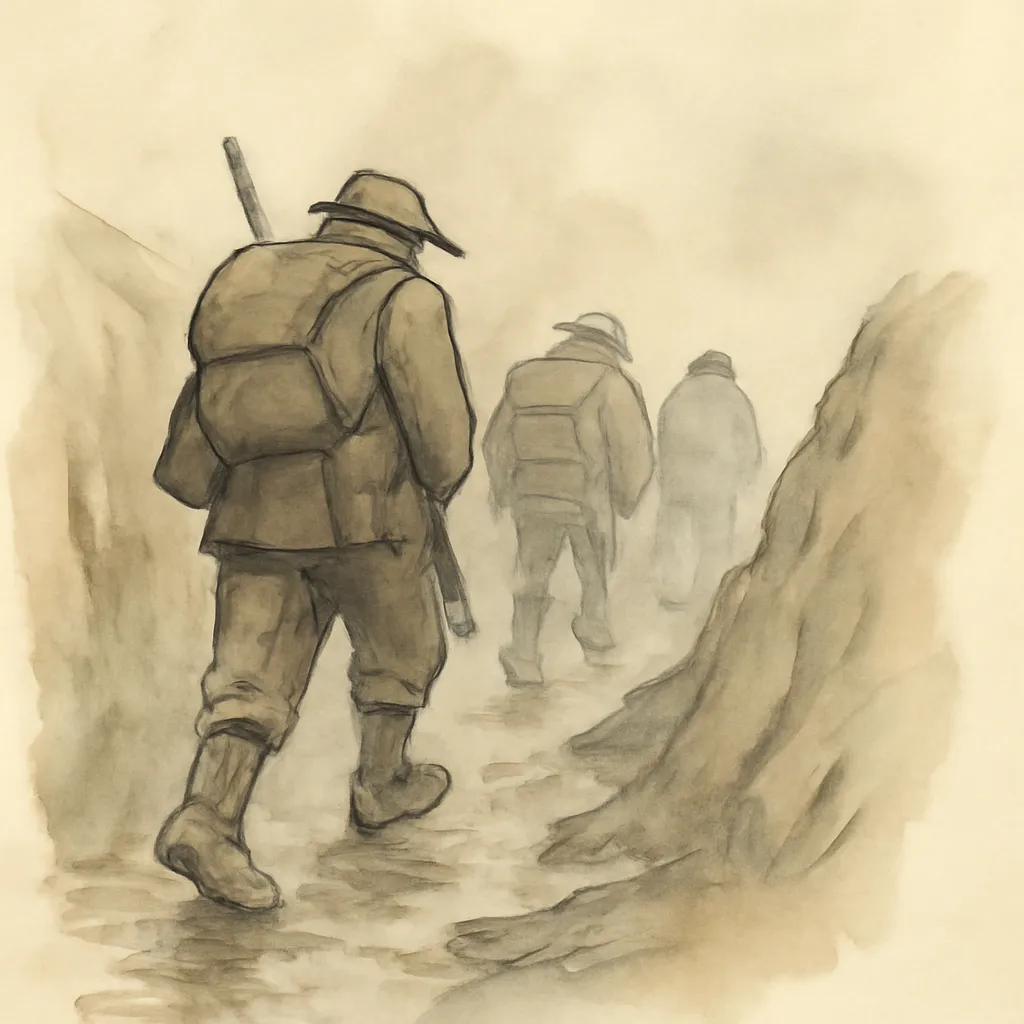
Keegan challenges traditional military history, which often focuses on commanders, strategies, and sweeping movements. Instead, he zeroes in on the ordinary soldier’s experience, asking what it was actually like to fight and survive on the front lines. This shift humanizes warfare, highlighting confusion, fear, and the chaos that dominate the battlefield, rather than the clarity of hindsight or command.
2.The Realities of Combat
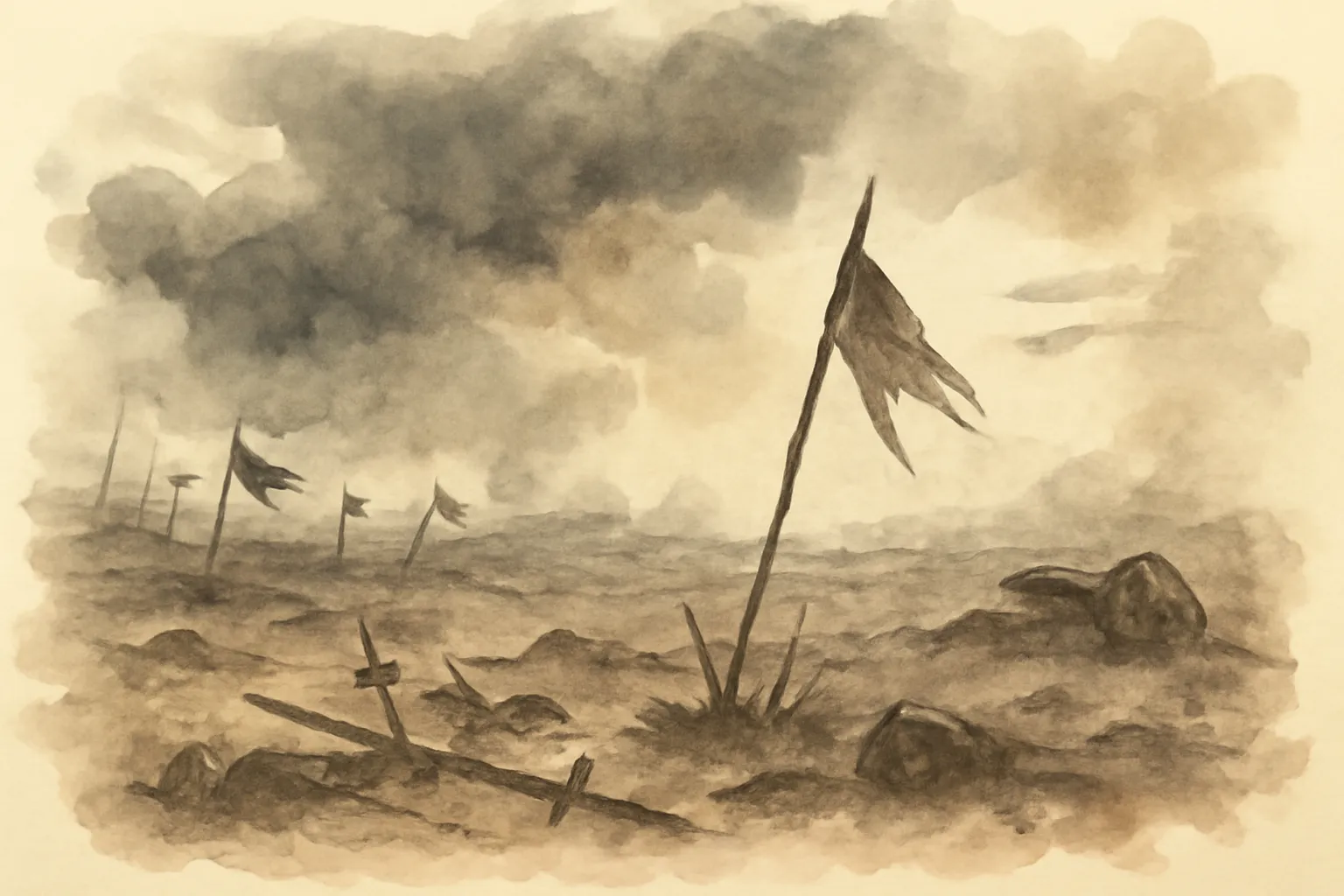
The book meticulously reconstructs what soldiers faced physically and emotionally in battle. Keegan explores the confusion, noise, exhaustion, and terror that define combat, as well as the sensory overload and unpredictability. By examining the details—mud, blood, fatigue, and fear—he dispels sanitized or romanticized notions of war, showing its true brutality and complexity.
3.Three Battles Across Centuries
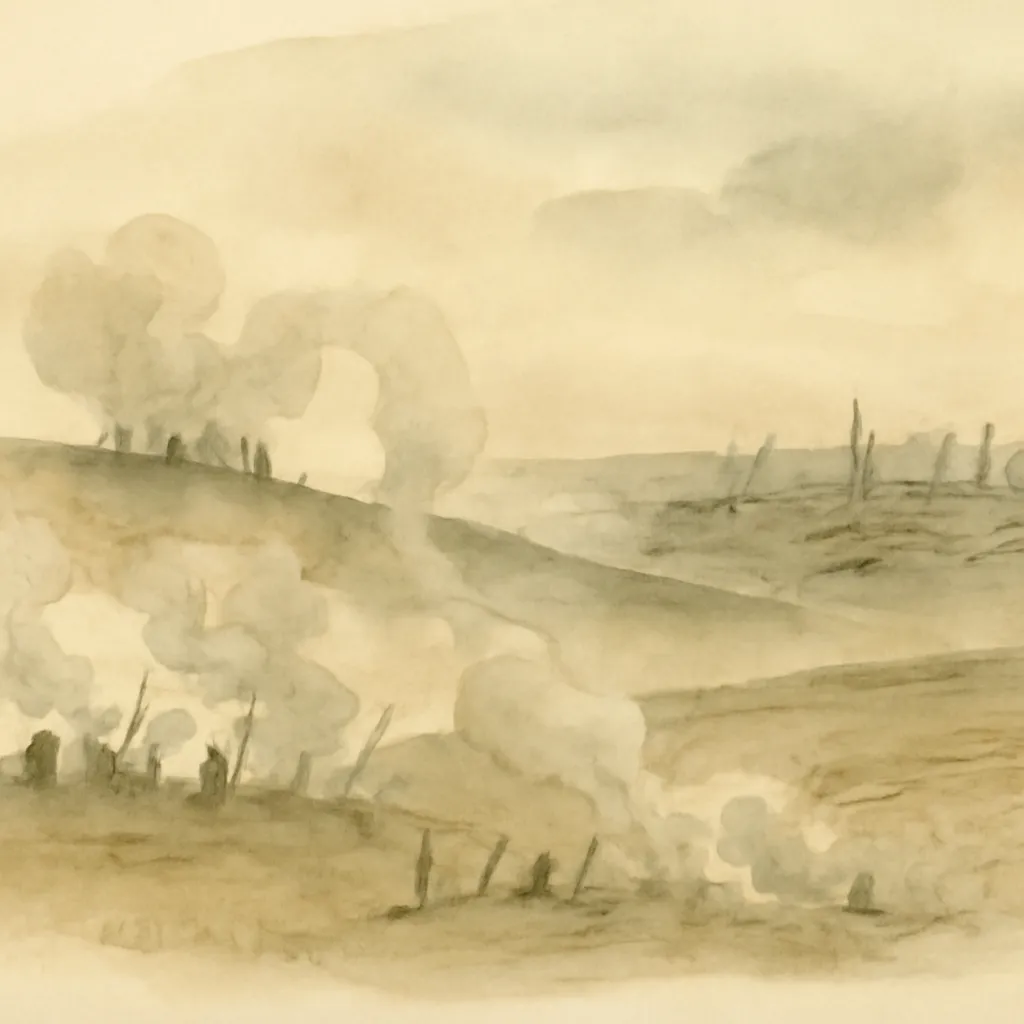
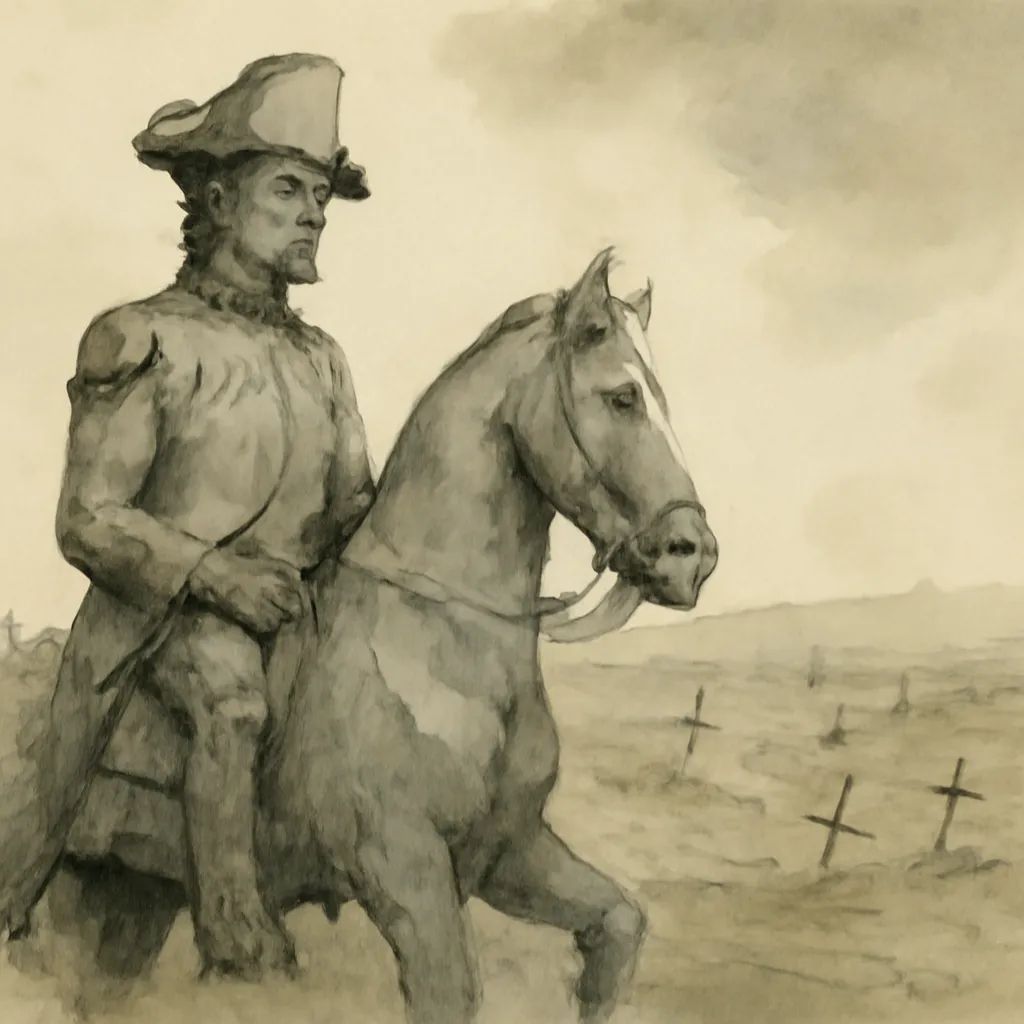
Keegan analyzes Agincourt (1415), Waterloo (1815), and the Somme (1916), each representing a different era and style of warfare. By comparing these battles, he illustrates how the experience of combat changed (or didn’t) over time, and how technological, tactical, and social developments shaped the soldier’s ordeal. This comparative approach reveals both the universality and the evolution of battle.
4.Myth-Busting and Historical Honesty
Keegan is skeptical of the myths that surround famous battles and the tendency to glorify war. He critically examines sources, questions accepted narratives, and exposes the gaps between legend and reality. This approach encourages readers to think critically about how history is constructed and why certain stories persist.
5.Motivation and Morale in Battle
A central question Keegan explores is why soldiers fight and what keeps them from fleeing. He delves into factors like discipline, camaraderie, leadership, and social pressure, arguing that these are often more decisive than patriotism or ideology. Understanding these motives is key to grasping the psychology of battle and the endurance of armies under extreme stress.
6.Limits of Military History
Keegan openly reflects on the limitations of historical sources and the historian’s ability to truly capture the experience of battle. He acknowledges the gaps in evidence and the challenges of reconstructing events from fragmentary, often biased accounts. This humility adds depth and credibility to his analysis, reminding readers that history is always, to some extent, an act of interpretation.