1.Facing Mortality with Honesty
Hazel and Augustus, both teenagers with cancer, confront the reality of their limited time head-on. The book refuses to sugarcoat illness or offer false hope, instead exploring how young people process the knowledge of impending death. This honesty strips away clichés about 'fighting' disease and instead asks what it means to live authentically when time is short.
2.Love in the Shadow of Death
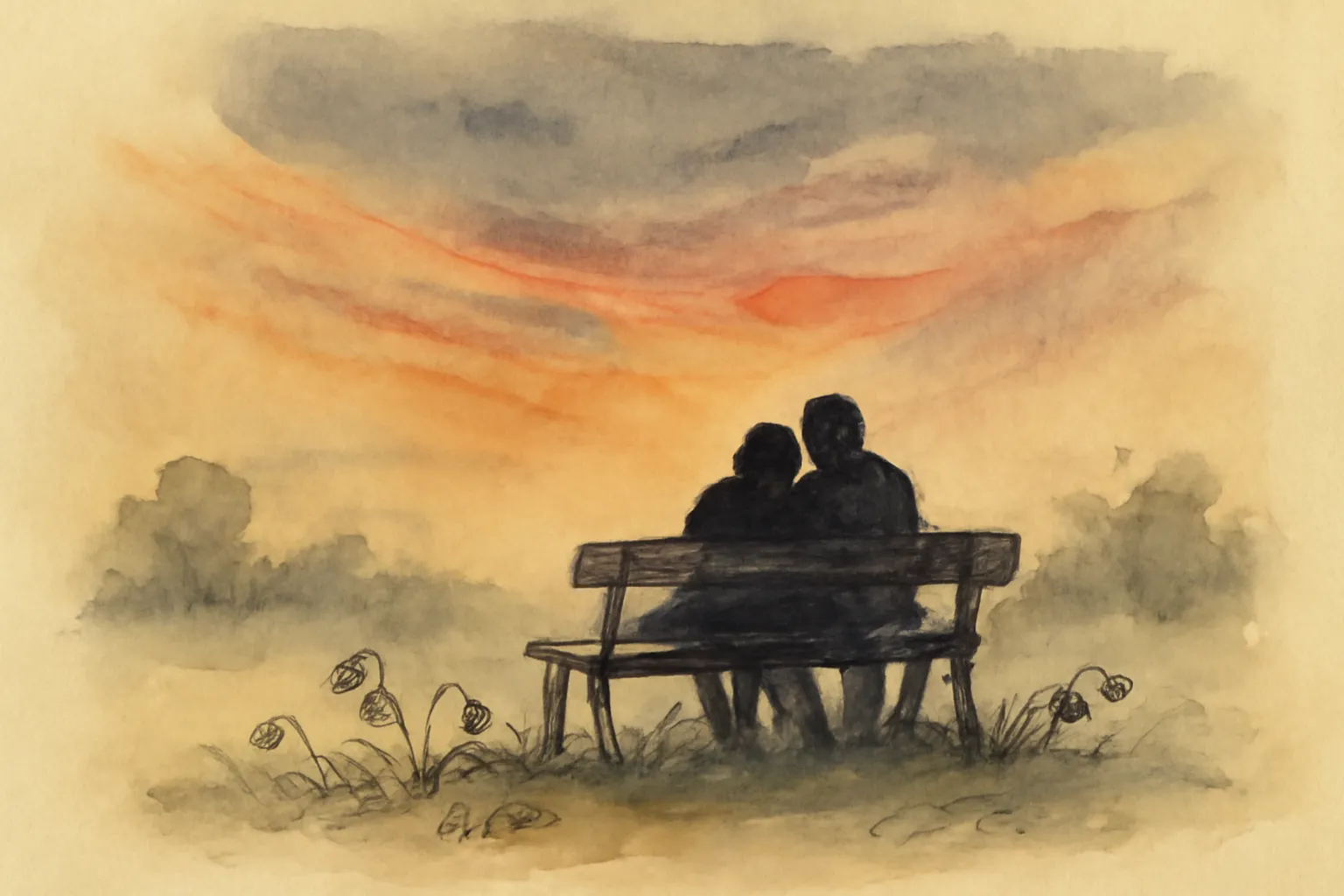
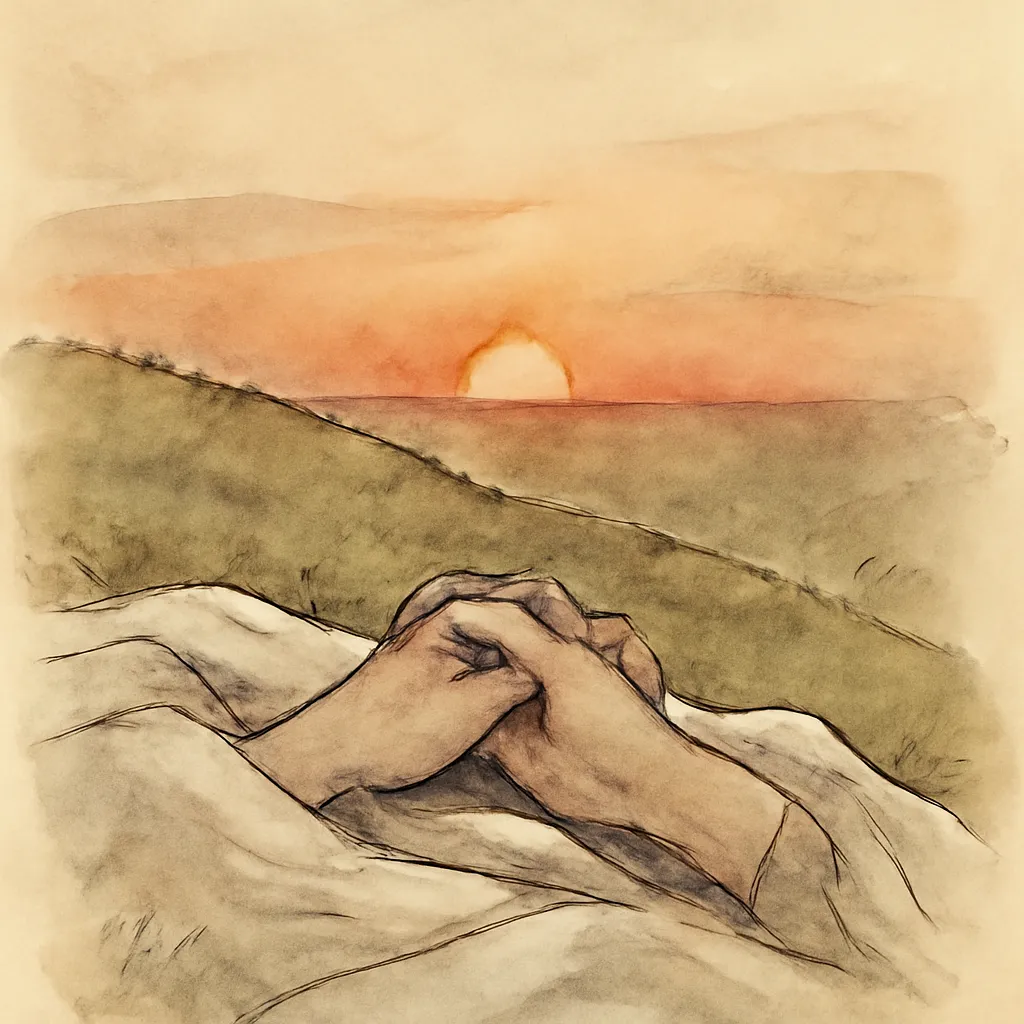
At its heart, the novel is a love story, but one shaped by the awareness that love can be fleeting. Hazel and Augustus's relationship is intense and urgent, marked by the knowledge that their time together is precious. Their romance is not about grand gestures, but about small moments of connection that matter all the more because of their impermanence.
3.The Search for Meaning
Both protagonists grapple with questions of legacy and significance. Hazel is haunted by the idea of being a 'grenade'—hurting those she loves when she dies—while Augustus yearns to leave a mark on the world. The novel interrogates whether meaning comes from being remembered or from the impact we have on individuals around us.
4.The Power and Limits of Storytelling
Books and stories play a major role in the characters' lives, especially Hazel's obsession with a novel that ends abruptly. Their quest to find answers from the book's author mirrors their own search for closure and understanding. The story acknowledges that literature can comfort and connect us, but also that it cannot solve every mystery or provide all the answers we seek.
5.Humor and Humanity Amid Suffering
Despite its heavy themes, the novel is laced with wit and humor. Hazel and Augustus use sarcasm and dark jokes as coping mechanisms, refusing to let cancer define their personalities. This blend of tragedy and comedy makes the story feel real and relatable, showing that laughter and pain often coexist.
6.Challenging Clichés About Illness
John Green deliberately subverts the 'inspirational sick kid' trope. Hazel and Augustus are not defined by their illnesses, nor do they exist to teach others lessons about bravery or hope. The book critiques the way society romanticizes or simplifies the experiences of those who are sick, insisting instead on their complexity and individuality.