1.Consciousness as a Biological Process
Damasio argues that consciousness is not a mysterious, ethereal phenomenon but a biological process rooted in the brain's interactions with the body. He distinguishes between core consciousness (the basic sense of self in the here and now) and extended consciousness (the autobiographical self that spans past and future). This framing grounds the study of consciousness in observable brain functions, making it accessible to scientific inquiry.
2.The Centrality of Feelings
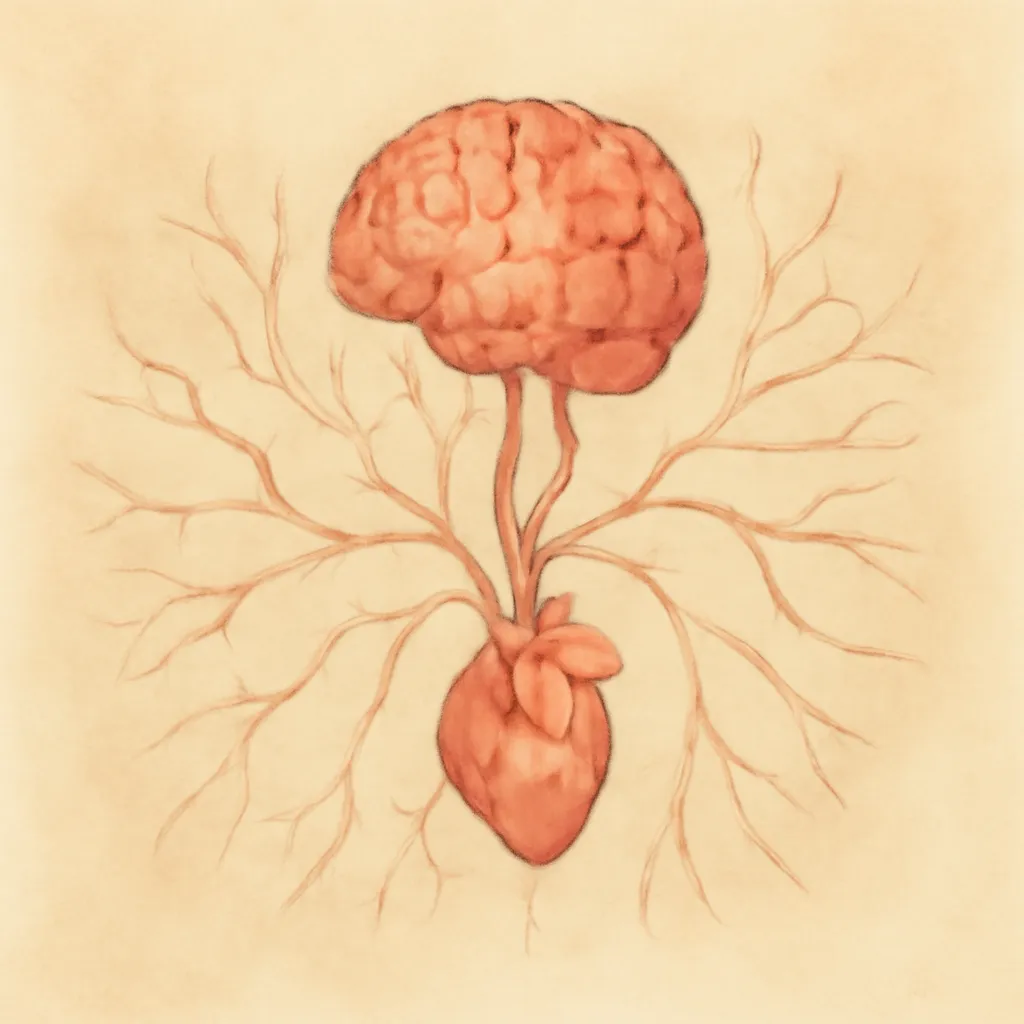
A pivotal idea in the book is that feelings—subjective experiences of emotions—are foundational to consciousness. Damasio posits that feelings arise from the brain's mapping of the body's internal states, providing a continuous sense of what is happening within us. This ongoing feedback loop between body and brain is what gives rise to the 'feeling of what happens,' anchoring our sense of self in lived experience.
3.Emotion and Reason are Intertwined
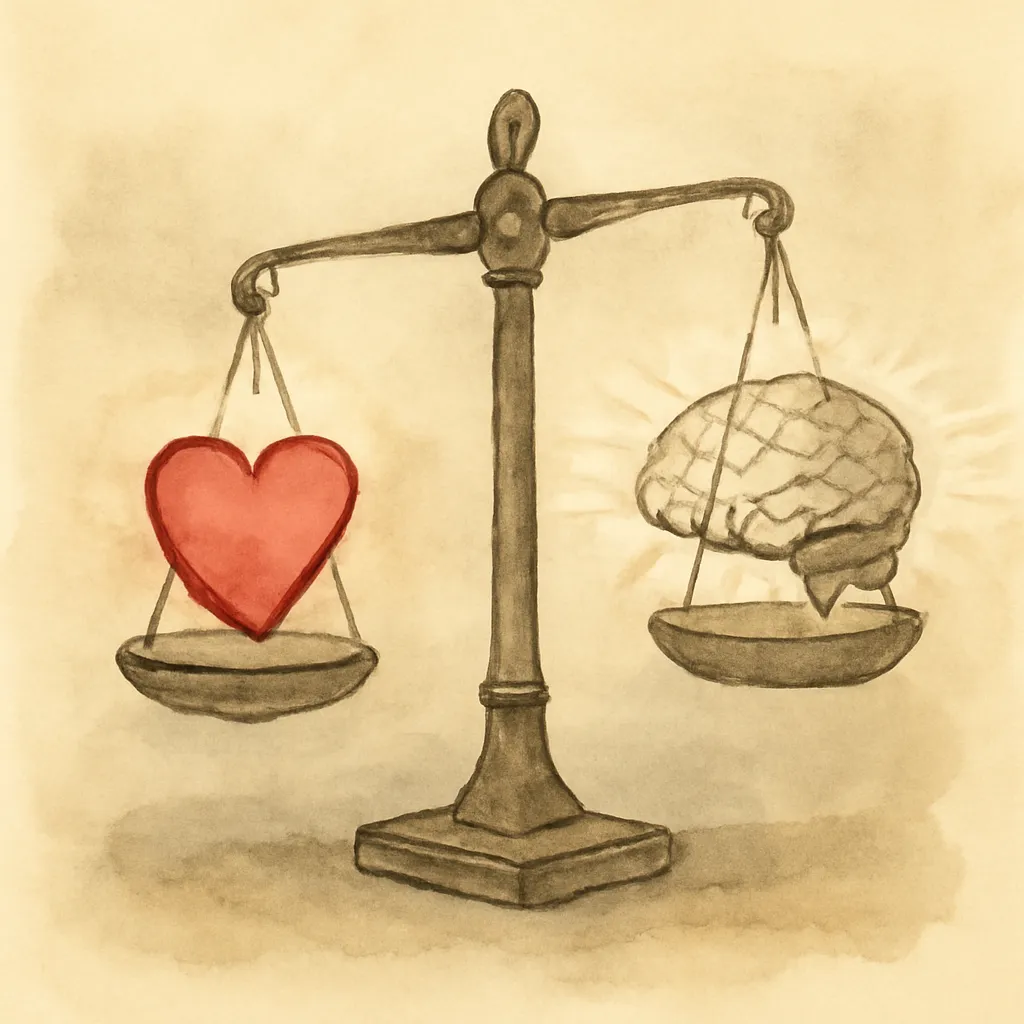
Contrary to the traditional view that emotion and reason are separate or even opposed, Damasio shows that emotions are essential for rational decision-making. He draws on clinical cases and neuroscience research to demonstrate that without emotional input, even the most logical minds struggle to make effective choices. This insight challenges the longstanding mind-body dualism and highlights the integration of affect and cognition.
4.The Proto-Self and the Autobiographical Self
Damasio introduces the concept of the proto-self—a non-conscious, moment-to-moment mapping of the body's internal state. The core self emerges when this proto-self interacts with objects and events, creating a sense of being present. The autobiographical self builds on this foundation, incorporating memories and future plans to create a narrative identity. This layered model explains how selfhood can exist in degrees and evolve over time.
5.Implications for Understanding Disorders
By grounding consciousness in the body and brain, Damasio's framework offers new ways to understand and treat neurological and psychiatric disorders. He discusses cases where damage to specific brain regions disrupts the sense of self or emotional processing, illustrating how fragile and complex consciousness is. This approach has influenced fields from clinical neurology to artificial intelligence.
6.Bridging Science and Philosophy
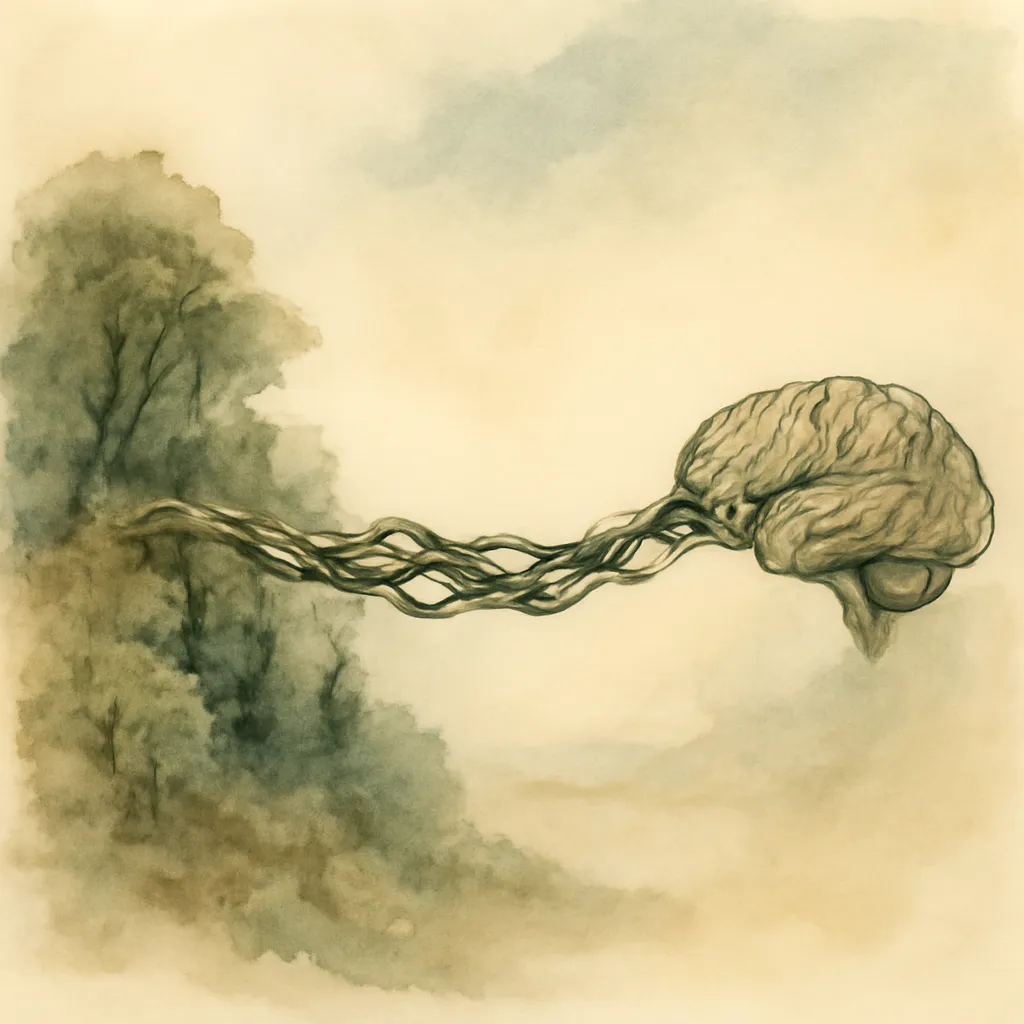
Damasio's work stands out for its synthesis of rigorous neuroscience with philosophical questions about mind, self, and experience. He challenges readers to reconsider long-held assumptions about the mind-body problem, arguing that subjective experience can, in fact, be studied scientifically. This bridging of disciplines has made the book influential beyond neuroscience, impacting psychology, philosophy, and cognitive science.