1.The Fight as Myth and Spectacle
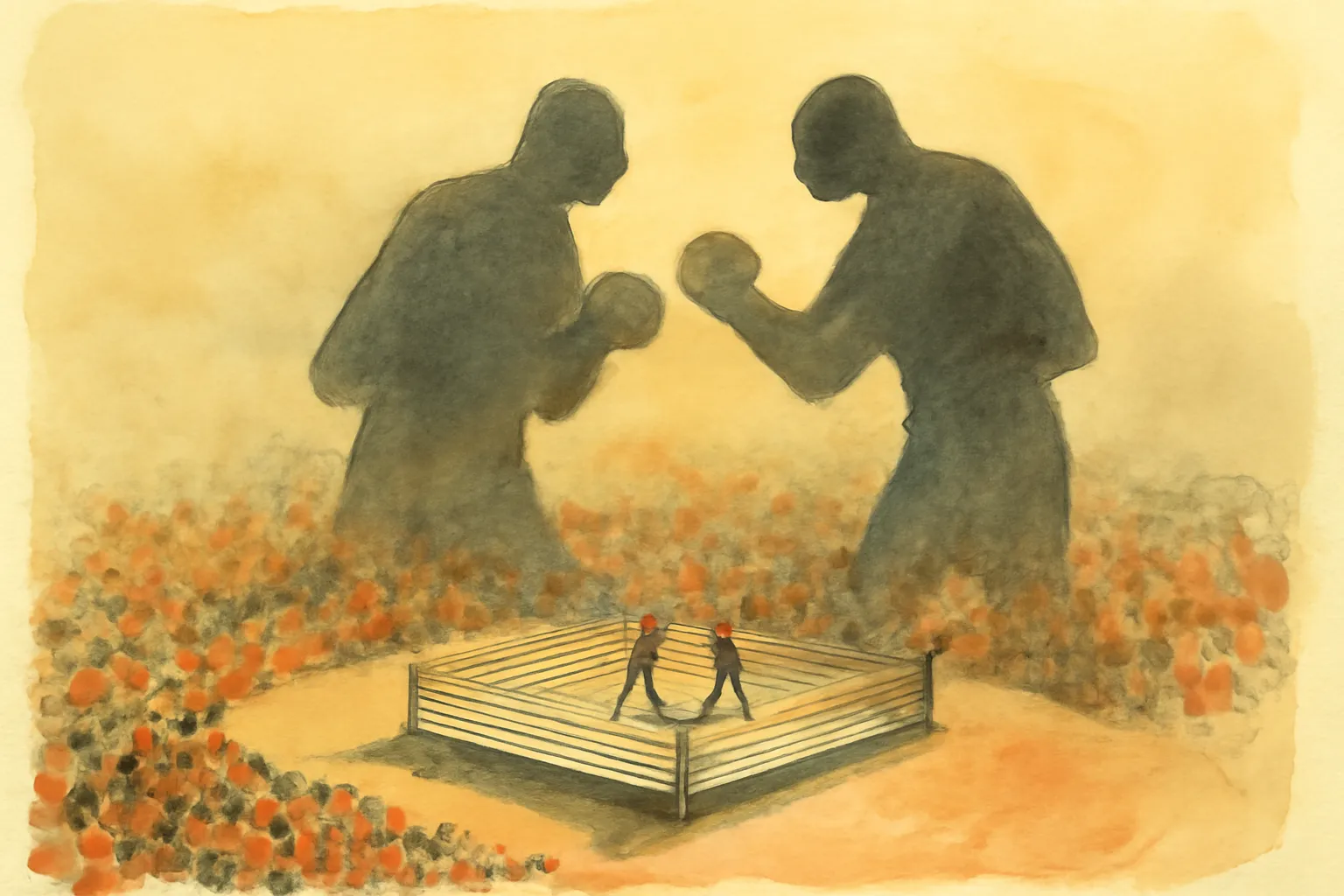
Mailer frames the Ali-Foreman bout as a modern myth, blending the raw physicality of boxing with the grandeur of epic storytelling. He explores how the fight transcends sport, becoming a stage for heroism, psychological warfare, and the projection of global hopes and anxieties. The event is depicted as a spectacle where the boundaries between reality and legend blur, with Mailer himself acting as both chronicler and participant.
2.Ali’s Charisma and Strategy
The book delves into Muhammad Ali’s unique blend of bravado, intelligence, and psychological mastery. Mailer shows how Ali’s public persona—his wit, confidence, and showmanship—was not just entertainment, but a deliberate tactic to unnerve opponents and rally support. The analysis of Ali’s 'rope-a-dope' strategy reveals the depth of his boxing acumen and his ability to turn apparent weakness into victory.
3.Foreman as Force and Enigma
Mailer paints George Foreman as both a physical powerhouse and a mysterious, almost elemental force. Foreman’s intimidating presence is contrasted with Ali’s flamboyance, and Mailer probes the psychological dimensions of fear, intimidation, and vulnerability. Foreman’s silence and stoicism become as significant as Ali’s words, highlighting the different ways athletes project power.
4.Zaire: Setting and Symbolism
The choice of Zaire (now the Democratic Republic of Congo) as the fight’s location is central to Mailer’s narrative. He explores the political and cultural implications of staging a global event in post-colonial Africa, examining the roles of President Mobutu, Western promoters, and local spectators. The setting becomes a character in itself, symbolizing both the exploitation and celebration of African identity.
5.The Writer in the Arena
Mailer inserts himself into the story, reflecting on his own reactions and biases. His presence is not just journalistic but existential, as he grapples with questions of masculinity, mortality, and the nature of greatness. The book becomes as much about Mailer’s quest for meaning as about the fighters, blurring the line between observer and participant.
6.The Nature of Violence and Art
Throughout The Fight, Mailer interrogates the paradox of boxing as both brutal violence and refined art. He explores why audiences are drawn to the spectacle of controlled aggression, and how fighters transform pain and risk into something transcendent. The narrative raises questions about the place of violence in culture and the ways in which it can be harnessed for beauty and meaning.