1.The Harshness of Frontier Life

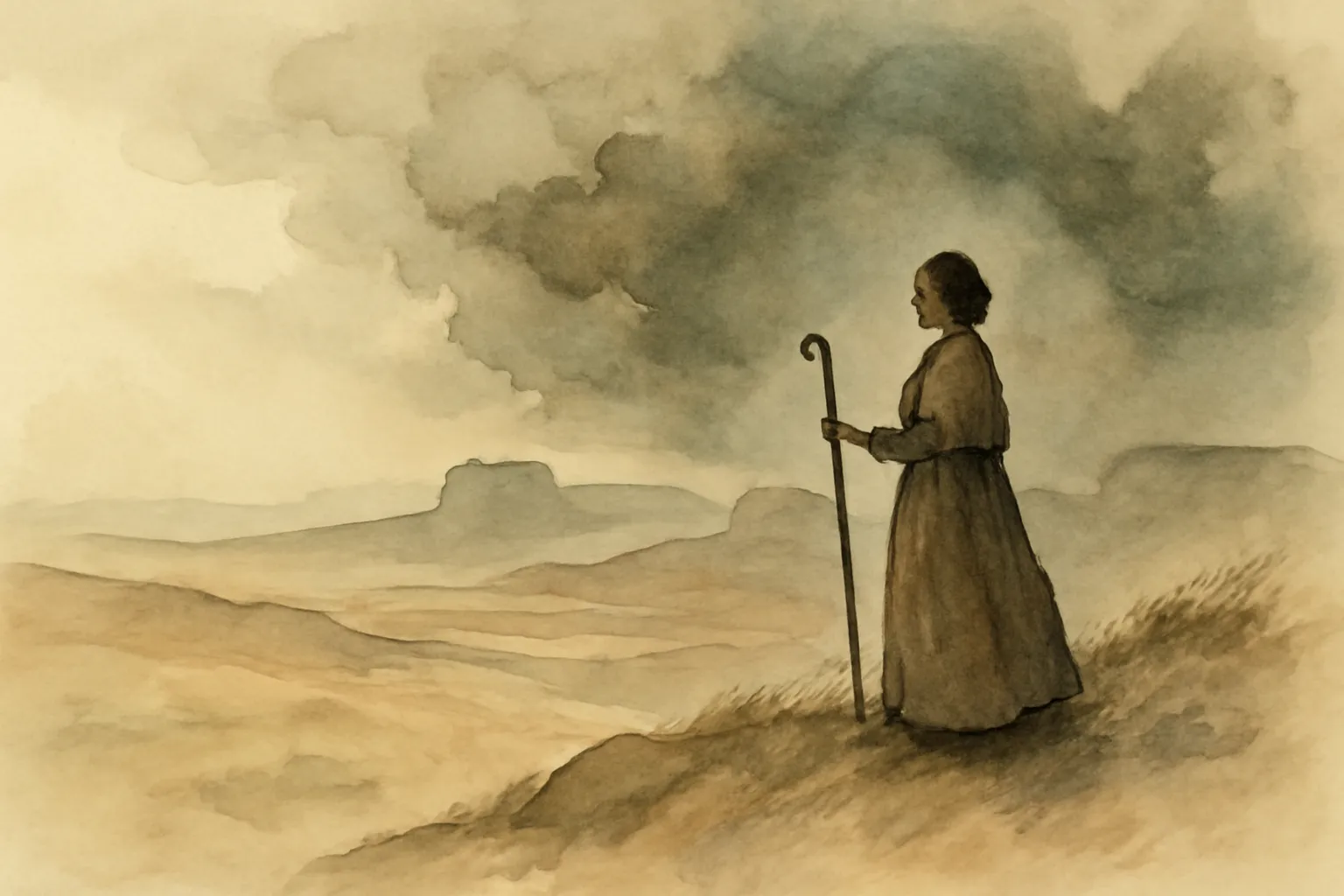
The novel opens with a descriptive portrayal of the Sand Coulee Roadhouse, establishing the setting as both a refuge and a site of struggle. Kate Prentice, the protagonist, is introduced in the midst of ranch duties, embodying the relentless toil required in such a landscape. The imagery of the freight wagon and the rugged environment serves as a backdrop to Kate's challenges, emphasizing the physical demands placed on women who managed households and ranches. Lockhart's attention to detail highlights the arduous tasks women undertook—taming horses, managing supplies, and maintaining the household—all while navigating a world dominated by male expectations. The narrative underscores the contrast between the romanticized notions of the American West and the brutal realities faced by its inhabitants, particularly women. This dichotomy sets the stage for Kate's journey of resilience and self-discovery as she learns to adapt to her environment while striving to maintain her spirit.
2.Familial Tensions and Their Impact

The complex relationship between Kate and her mother, Isabel Bain, serves as a central thematic element in the narrative. Isabel, known as the 'Jezebel of the Sand Coulee,' embodies a tough, survivalist mentality, which often clashes with Kate's more idealistic views. Their interactions are rife with tension, as Isabel's harshness and practicality contrast sharply with Kate's youthful dreams and aspirations for social acceptance. This dynamic is evident when Isabel reprimands Kate for her inattention to detail while working with the horses, encapsulating the generational divide in their understanding of life’s challenges. Lockhart delves into the emotional intricacies of their relationship, revealing how familial expectations can shape one’s identity and aspirations. Kate's yearning for approval and connection, paired with her mother's rigid approach, creates a poignant conflict that drives much of the narrative. As Kate navigates the complexities of her family life, readers witness her struggle to forge her own identity amid the weight of her mother’s expectations.
3.A Journey of Self-Discovery

The Fighting Shepherdess encapsulates a powerful coming-of-age narrative as Kate evolves from a naive girl into a competent, independent woman. The anticipation surrounding the town's grand ball symbolizes her desire for social belonging and the chance to embrace her femininity. Kate's initial excitement reflects her longing for acceptance, contrasting sharply with the quotidian struggles of her ranch life. Throughout the novel, Lockhart vividly portrays Kate's inner conflicts—her dreams of dancing and romance are juxtaposed against the harsh realities of her existence. The dance lessons with Hughie provide a significant turning point, allowing Kate to explore her identity and aspirations outside of her family dynamics. However, as she faces societal pressures and the expectations of others, Kate's journey becomes one of self-assertion and empowerment. Lockhart masterfully captures the nuances of Kate's growth, illustrating the transformative power of experiences that challenge and define her.
4.Isolation as a Catalyst for Growth

Isolation, both physical and emotional, permeates the lives of the characters in The Fighting Shepherdess, particularly for Kate. Living in the remote Sand Coulee Roadhouse, Kate grapples with the loneliness that accompanies frontier life. This isolation is not solely geographic; it also reflects Kate's internal struggles as she yearns for companionship and connection. The impending ball symbolizes a potential escape from her isolation, offering a glimpse into a world filled with social interaction and belonging. However, Lockhart poignantly demonstrates how isolation can foster resilience and self-sufficiency. Kate learns to rely on her instincts, developing resourcefulness and strength as she faces the harshness of her environment. Her ability to navigate solitude ultimately becomes a source of empowerment, allowing her to cultivate a strong sense of self while also yearning for connection. This exploration of isolation adds depth to Kate's character, showcasing how loneliness can shape one’s identity and aspirations.
5.The Pursuit of Adventure and Independence

Kate's adventurous spirit propels much of the narrative, as she seeks independence and a life beyond societal constraints. Lockhart paints her as a determined young woman who defies traditional gender roles, eager to embrace the challenges of ranch life. Kate's willingness to engage in tasks typically reserved for men—such as horse training and managing the ranch—demonstrates her desire for autonomy. This quest for adventure is further complicated by the societal expectations that dictate women's roles during this period. The excitement surrounding her anticipated participation in the town ball illustrates her longing for both adventure and acceptance, highlighting the duality of her experiences. Lockhart skillfully captures this tension, showcasing Kate’s internal conflict as she strives to assert her independence while simultaneously seeking validation from her community. Through Kate's journey, the narrative champions the spirit of adventure, ultimately questioning the limitations imposed by societal norms.
6.The Impact of Tragedy and Loss
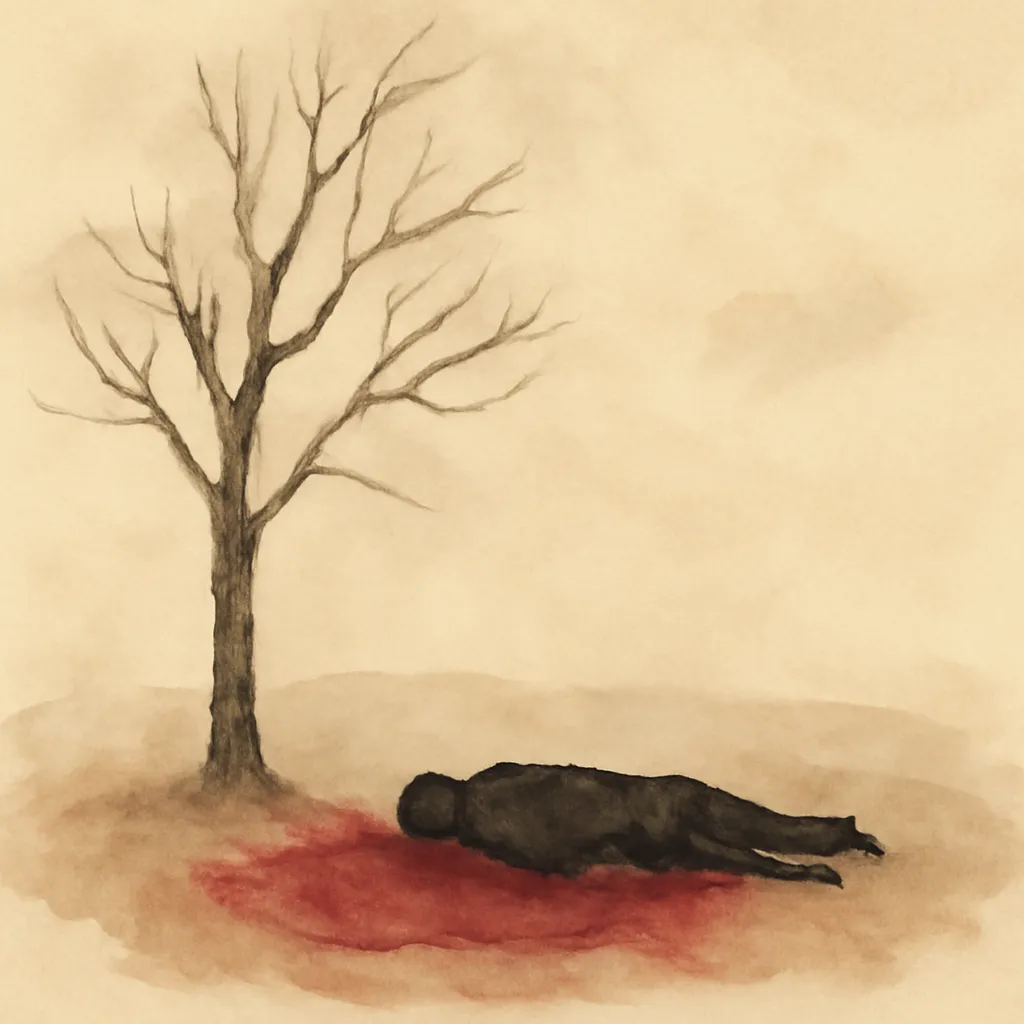
The narrative takes a somber turn with the murder of Mormon Joe, a pivotal figure in Kate’s life. His death serves as a catalyst, thrusting Kate into a world of suspicion and grief that forces her to confront the darker aspects of humanity. Lockhart utilizes this tragedy to deepen Kate's character, illustrating how loss can profoundly impact one's sense of identity and purpose. The investigation surrounding Mormon Joe's murder reveals the fragility of trust within the community, as friendships and allegiances shift in the face of tragedy. Kate's position becomes precarious as she navigates the societal judgment that accompanies her association with the victim. This tragic event propels Kate into a position of strength, as she must confront her grief while also seeking justice. Lockhart deftly explores how personal tragedy can lead to growth and empowerment, ultimately transforming Kate into a more resilient and determined individual.
7.The Role of Community and Belonging
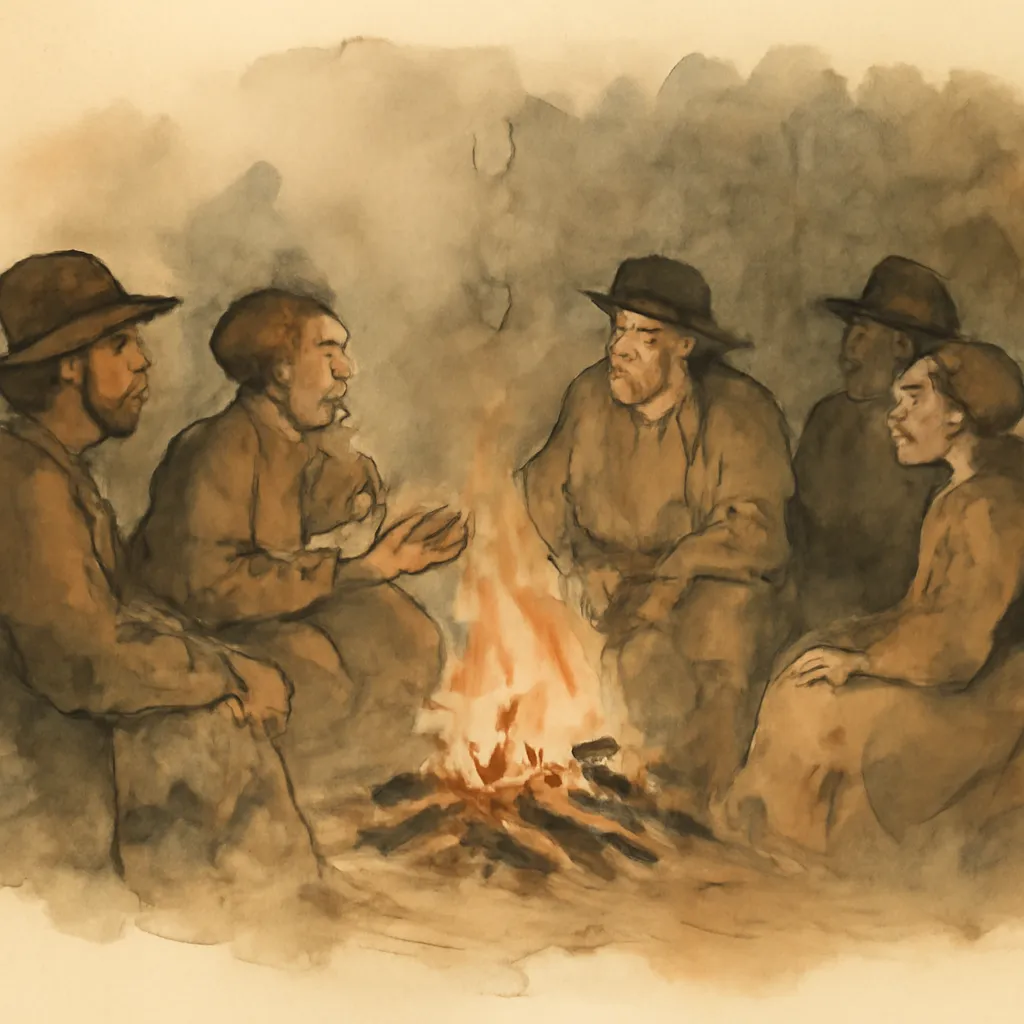
Community plays a vital role in shaping the experiences of the characters within The Fighting Shepherdess. The townsfolk of Prouty, including Major Prouty and Hiram Butefish, contribute to a dynamic social landscape that is marked by both camaraderie and rivalry. The anticipation surrounding the ball reflects the community's desire for connection, celebration, and social engagement despite the hardships of daily life. However, the same community that yearns for unity can quickly become a source of gossip and suspicion, particularly in the aftermath of Mormon Joe's murder. Lockhart illustrates this duality, showing how social dynamics can create both a sense of belonging and division. Kate's struggle for acceptance within this community becomes emblematic of the broader challenges faced by women seeking to carve out their place in a male-dominated society. Ultimately, Lockhart's portrayal of community underscores the complexities of human relationships and the impact of societal pressures on individual lives.
8.The Quest for Identity Amidst Societal Expectations

The theme of identity is intricately woven throughout Kate's journey in The Fighting Shepherdess, as she seeks to define herself against the backdrop of societal expectations. The interplay between her personal aspirations and the limitations imposed by her environment creates a tension that drives much of the narrative. Lockhart artfully depicts Kate’s struggle to reconcile her desires for independence with the roles dictated by her gender. As she navigates the challenges of ranch life and the aftermath of tragedy, Kate's quest for identity becomes increasingly complex. She grapples with the need for approval from her mother and the community while also striving to assert her individuality. This exploration of identity is resonant and relatable, as it encapsulates the universal struggle to find one's place in a world that often seeks to define us. Lockhart's nuanced portrayal of Kate’s journey ultimately celebrates the power of self-discovery and the importance of carving out one's identity in the face of external pressures.
9.Resilience: The Heart of the Frontier Spirit
Resilience emerges as a defining characteristic of Kate and a central theme in The Fighting Shepherdess. Lockhart captures Kate's unwavering spirit as she perseveres through adversity, demonstrating the tenacity required to thrive in the unforgiving landscape of the West. From her struggles with familial expectations to the challenges posed by community scrutiny, Kate's resilience is tested time and again. The author skillfully illustrates how Kate’s determination to overcome obstacles not only shapes her character but also inspires those around her. This emphasis on resilience serves as a powerful testament to the human spirit's capacity to endure, particularly in the face of hardship and loss. Lockhart's portrayal of resilience resonates with readers, highlighting the importance of strength and perseverance in overcoming life's challenges and achieving one’s dreams.