1.The Search for Identity
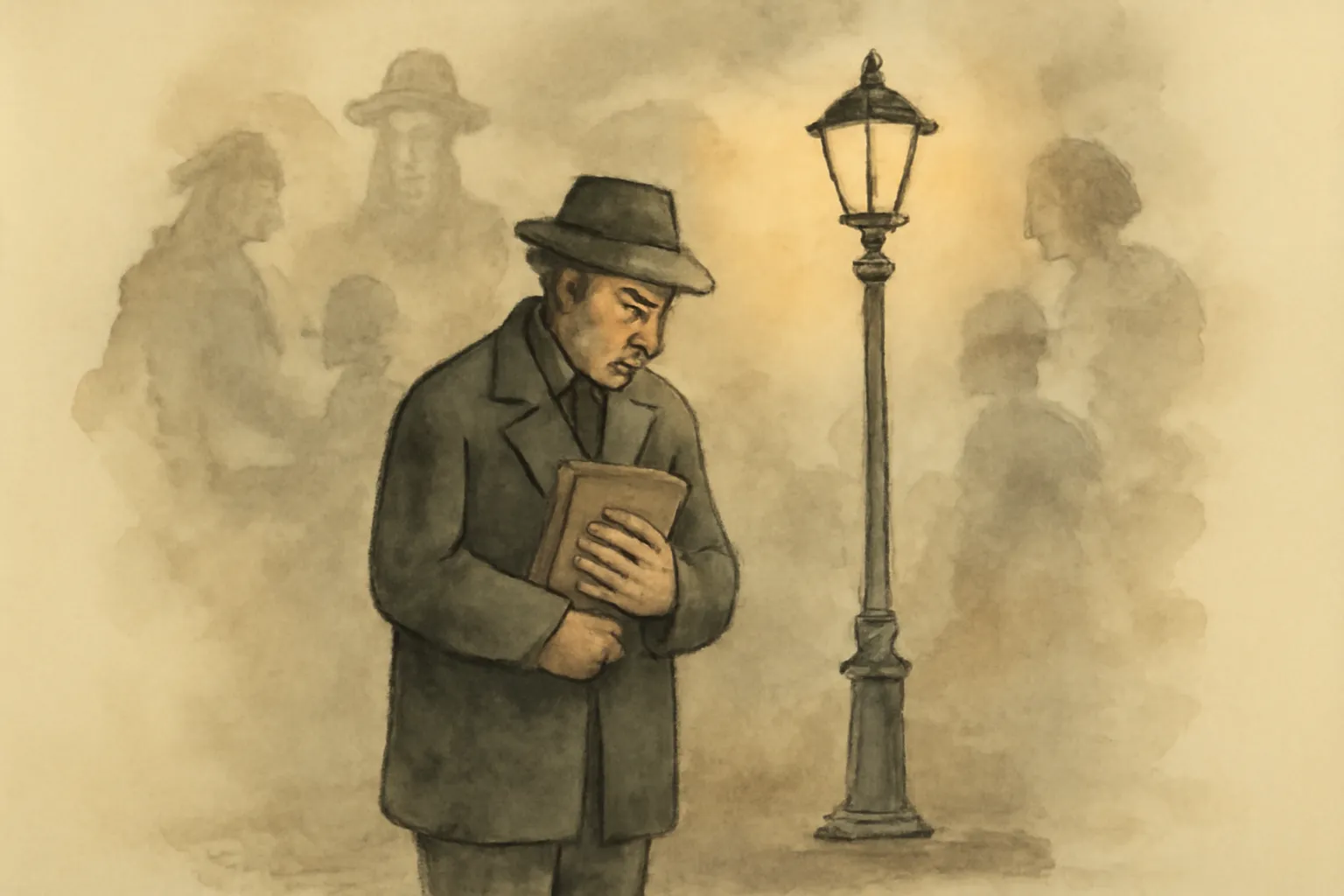
At the heart of the novel is Julian Treslove’s obsessive fascination with Jewish identity, which he both envies and misunderstands. Treslove, not Jewish himself, becomes fixated on what he perceives as the depth and richness of his friend Finkler’s Jewishness. His journey reveals the pitfalls of longing for an identity that is not one’s own, and the ways in which identity is shaped by both internal longing and external perception. Jacobson uses Treslove’s confusion to question the very nature of belonging and authenticity.
2.Friendship and Rivalry
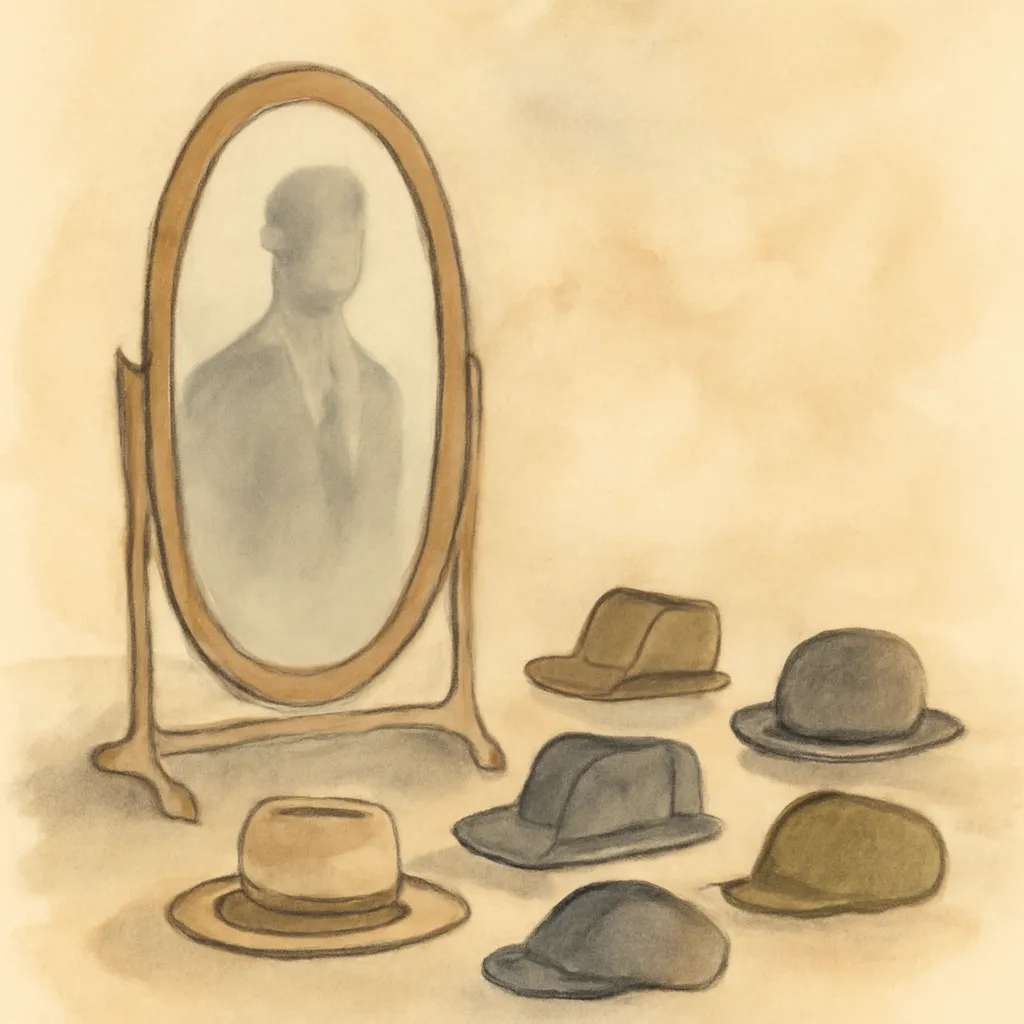
The dynamic between Treslove, Finkler, and their older friend Libor Sevcik is central to the novel. Their decades-long friendship is marked by competition, misunderstanding, and unspoken resentments. Through their interactions, Jacobson explores how male friendships can be both sustaining and corrosive, especially as the men confront aging, loss, and the shifting sands of their own self-conceptions.
3.Jewishness and Anti-Semitism
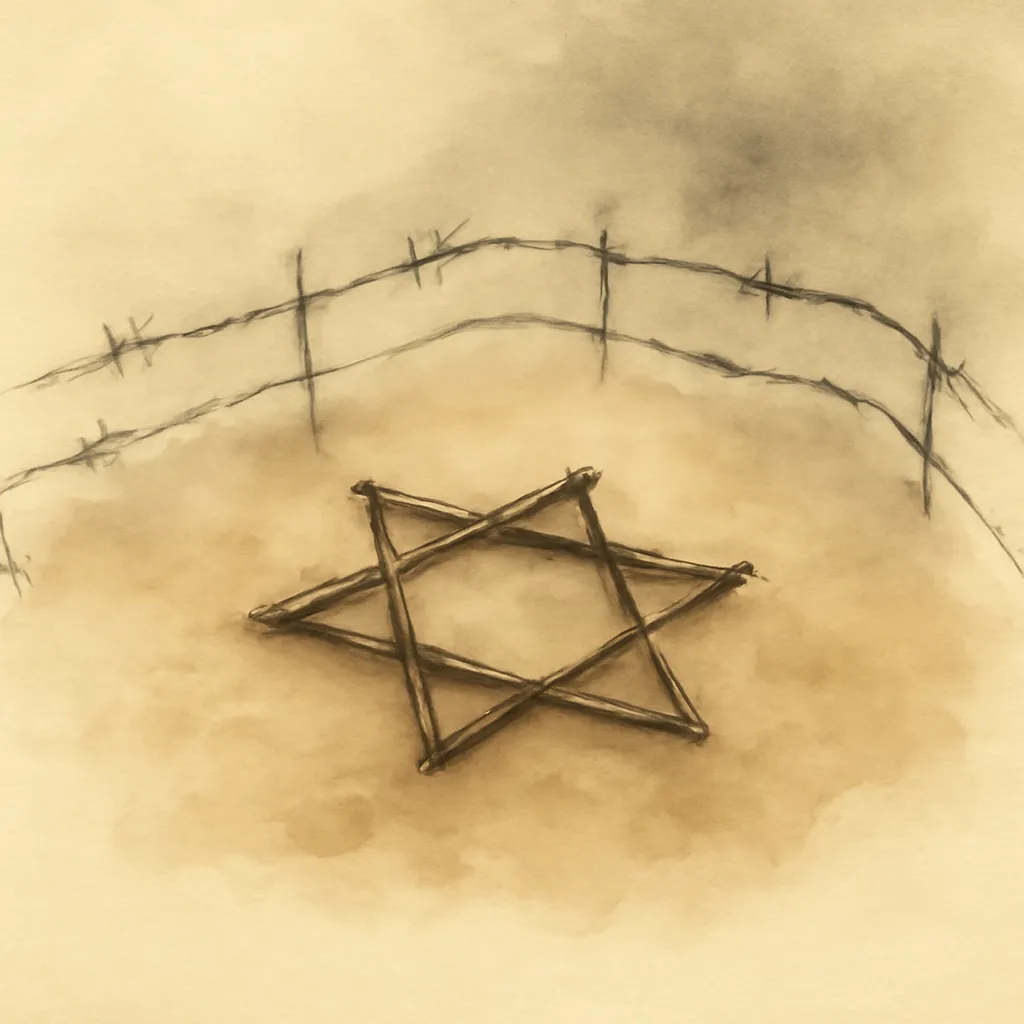
Jacobson tackles the complexities of being Jewish in contemporary Britain, particularly in the face of rising anti-Semitism. The novel interrogates both external prejudice and the internal debates among Jews themselves about what it means to be Jewish. Through Finkler’s public persona and private doubts, and Treslove’s outsider perspective, the book examines the tensions between solidarity and difference, pride and anxiety.
4.Grief and Loss
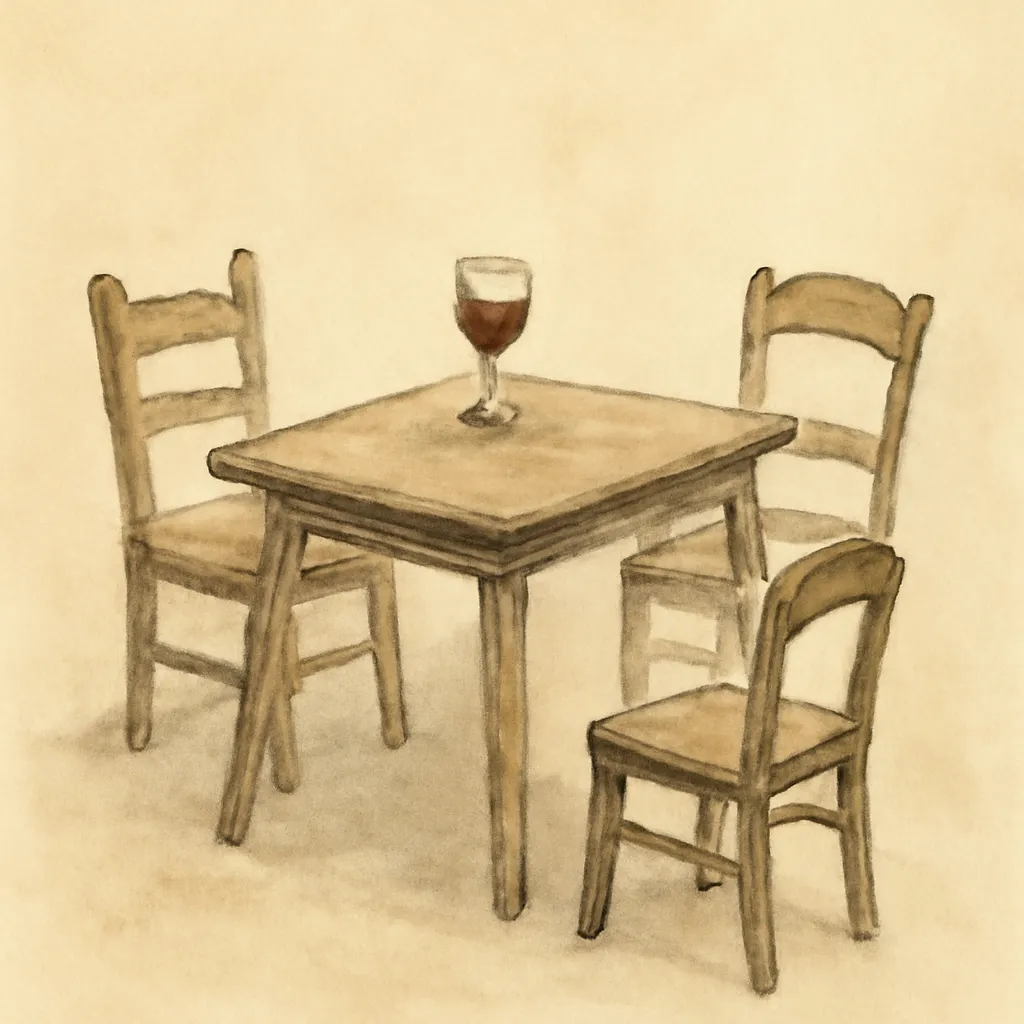
All three protagonists are marked by recent bereavements, and their grappling with loss is a recurring motif. The novel uses grief as a lens through which to examine questions of meaning, memory, and the ways people attempt to fill the void left by those they have lost. Jacobson’s treatment of mourning is unsentimental but deeply empathetic, showing how loss can both isolate and connect us.
5.The Comedy of Misunderstanding
Despite its serious themes, The Finkler Question is laced with sharp wit and comic misunderstandings. Jacobson uses humor to expose the absurdities of cultural stereotypes, self-delusion, and the ways people misread each other and themselves. The comedy often arises from Treslove’s earnest but misguided attempts to understand Jewishness, highlighting the dangers and pathos of cultural appropriation.
6.Belonging and Exclusion
The novel repeatedly returns to the question of who gets to belong—to a community, to a tradition, to a friendship. Treslove’s yearning to be included, and Finkler’s ambivalence about his own Jewishness, reflect the universal human desire for acceptance and the pain of exclusion. Jacobson suggests that belonging is always fraught, shaped as much by difference as by similarity.