1.Science as Human Drama
Gibbons reveals that the search for human origins is not a detached, purely objective pursuit, but a deeply human drama. The book highlights the intense competition, ambition, and even grudges among leading paleoanthropologists. These scientists are driven not only by curiosity but also by a desire for recognition and legacy, which shapes the pace and direction of discoveries. The narrative shows how personal dynamics and national pride can influence the interpretation of evidence and the public unveiling of finds.
2.Africa: The Cradle of Humanity
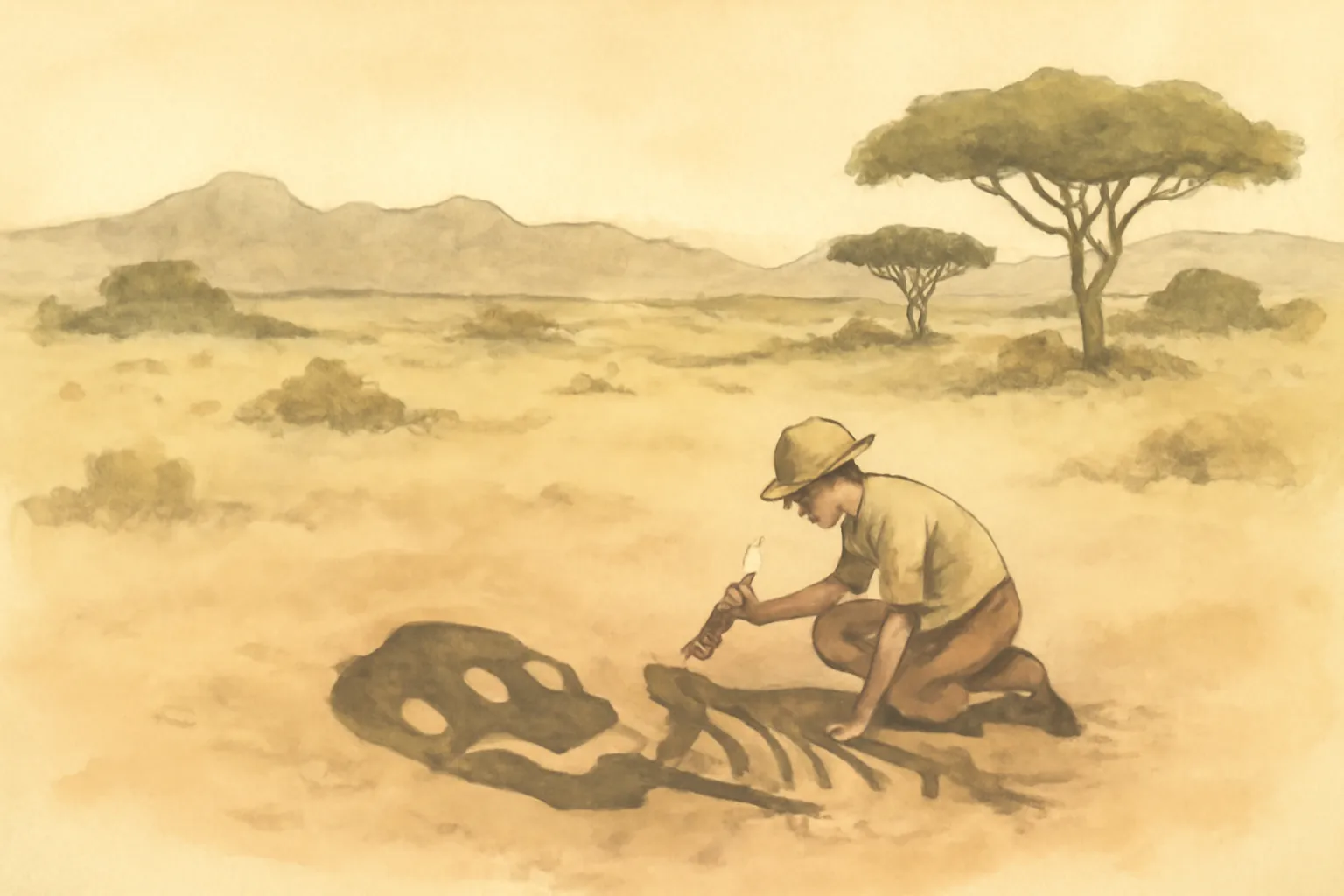
The book underscores Africa’s central role in the story of human evolution. Gibbons details expeditions across the continent, from Ethiopia’s Rift Valley to Chad’s desert, illustrating how the continent’s geology and history have preserved crucial fossils. The story of these discoveries challenges earlier, Eurocentric ideas about human origins and cements Africa as the birthplace of our species.
3.The Puzzle of the Earliest Hominids
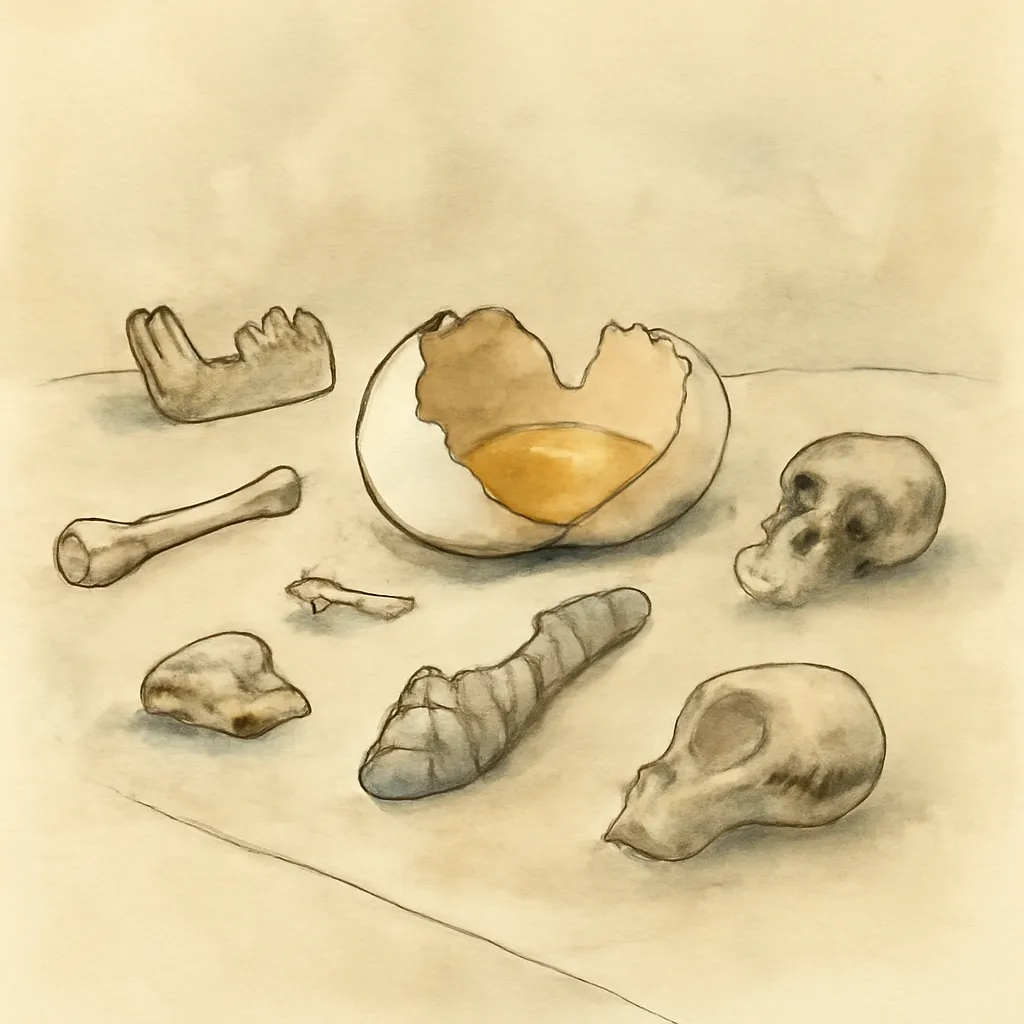
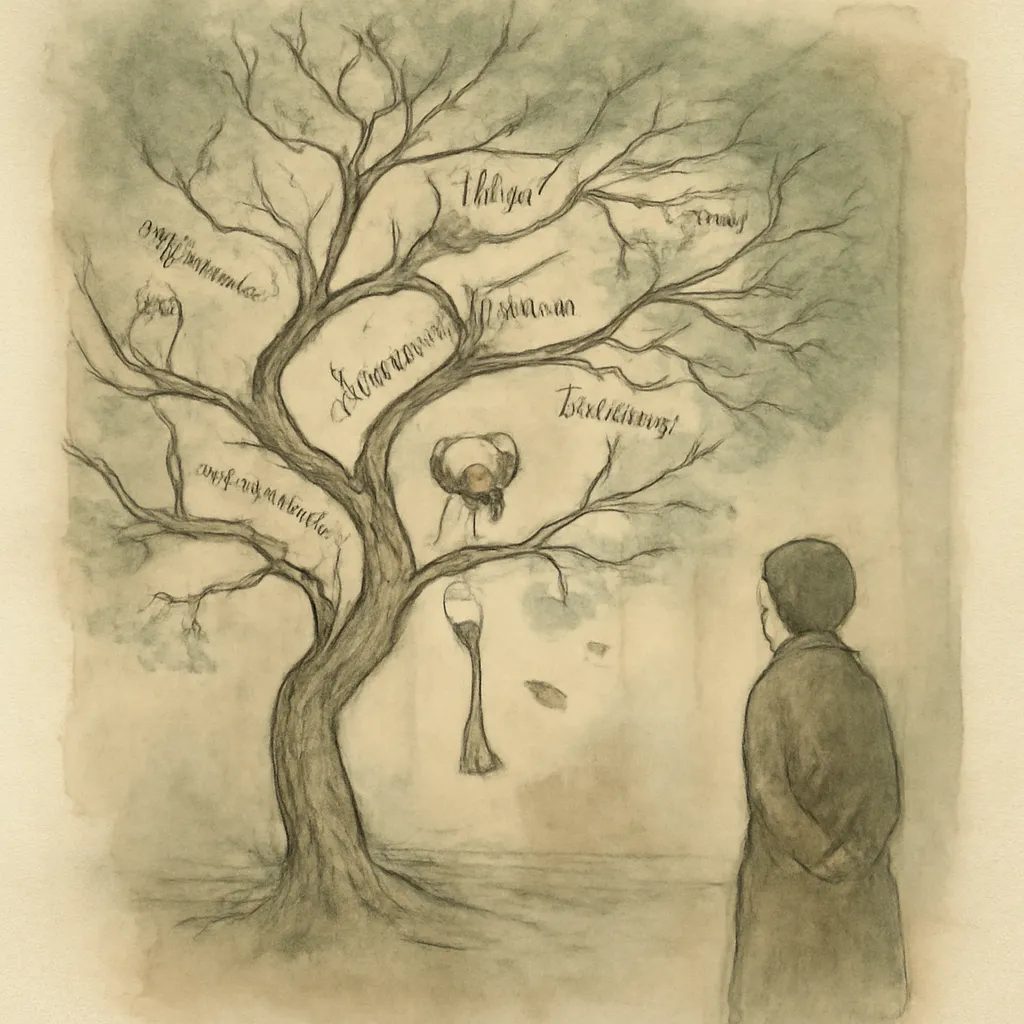
At the heart of the book is the scientific challenge of defining what makes a fossil 'human.' Gibbons explores how new finds—like Ardipithecus and Sahelanthropus—force scientists to continually revise their understanding of the hominid family tree. The book explains the painstaking work of analyzing fragmentary bones and the debates over what traits truly separate our ancestors from other apes.
4.Rivalries and Collaboration
Gibbons details the fierce rivalries between teams led by figures like Tim White, Michel Brunet, and others, but also highlights moments of collaboration and shared excitement. The narrative shows how competition can spur innovation but also lead to secrecy and disputes over credit. This tension is a recurring theme, shaping both the pace of discovery and the public’s understanding of our origins.
5.The Role of Technology and Serendipity
The book illustrates how advances in dating techniques, genetics, and field methods have transformed paleoanthropology. Yet, Gibbons also emphasizes the role of luck—chance finds, political upheavals, and even weather can make or break an expedition. This interplay between technology and serendipity is central to the unfolding story of discovery.
6.The Ongoing Nature of Scientific Inquiry
Gibbons makes clear that the search for the 'first human' is far from over. Each new fossil raises as many questions as it answers, and the book ends with a sense of open-ended curiosity. Readers come away understanding that science is a process, not a destination, and that our understanding of human origins will continue to evolve with each new discovery.