1.Beyond the Stereotypes: The Depth of Sichuan Flavors
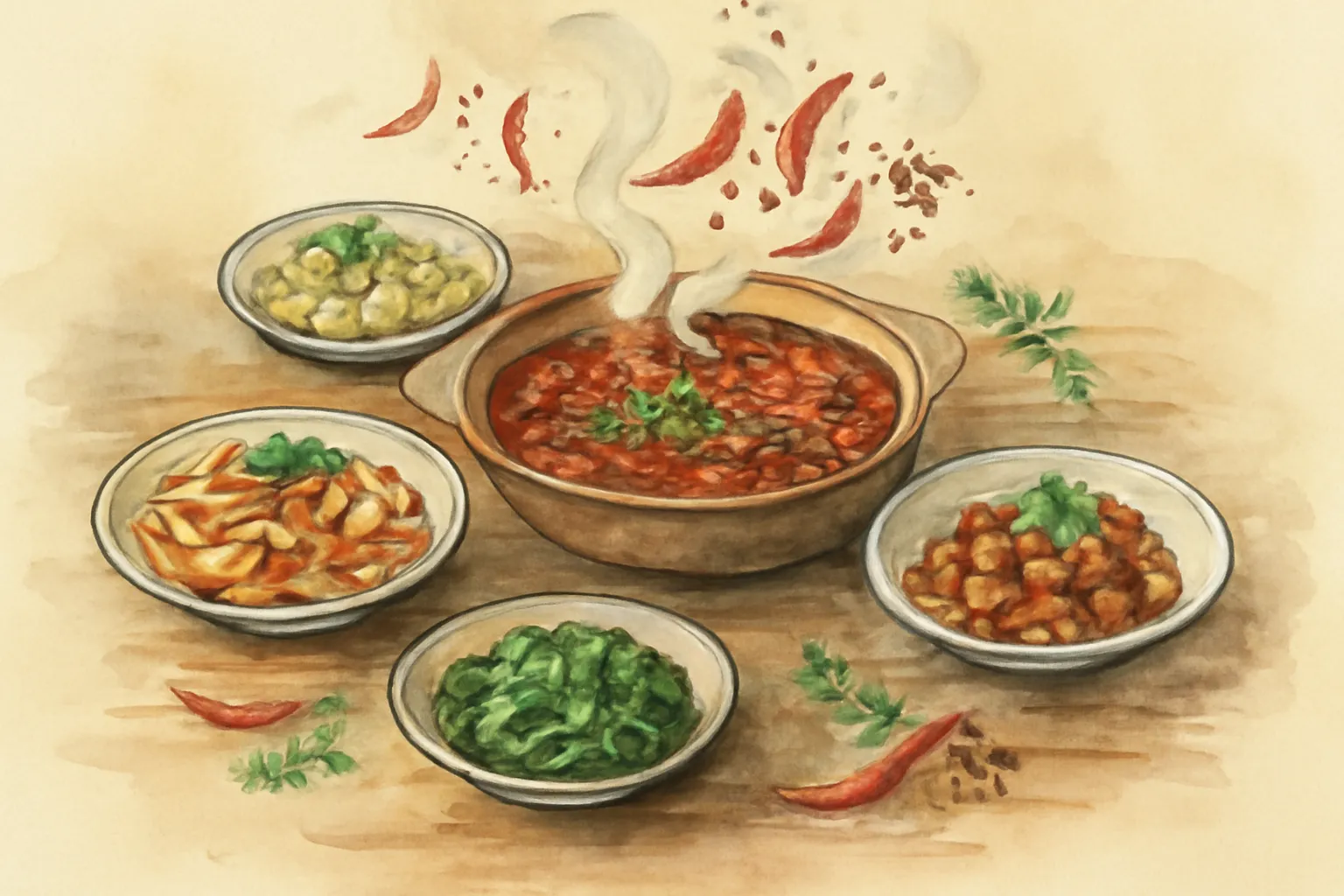
Dunlop dispels the common misconception that Sichuan cuisine is all about heat. She reveals a nuanced palette of flavors—spicy, numbing, sweet, sour, smoky, and fragrant—showing how the region’s food is defined by its complexity and balance. The book explores the famed 'ma la' (numbing and spicy) sensation, but also highlights subtle dishes, intricate techniques, and the culinary philosophy that prizes harmony and contrast. Readers learn that Sichuan’s food is as much about aroma, texture, and layering as it is about chili.
2.Cultural and Historical Context
The Food of Sichuan is as much a cultural history as a cookbook. Dunlop situates recipes within their historical and social context, tracing influences from imperial banquets to humble street food. She examines how geography, climate, and trade shaped the region’s foodways, and how Sichuanese people use food to express identity and hospitality. This context enriches the recipes, making them more than instructions—they become windows into a living tradition.
3.Authenticity and Adaptation
Dunlop addresses the challenges and joys of cooking Sichuan food outside China. She discusses sourcing ingredients, adapting techniques, and respecting tradition while acknowledging the realities of home kitchens. Rather than policing authenticity, she encourages readers to approach the cuisine with curiosity and flexibility, honoring its spirit even when substitutions are necessary. This empowers home cooks while maintaining fidelity to Sichuan’s culinary essence.
4.Technique as Storytelling
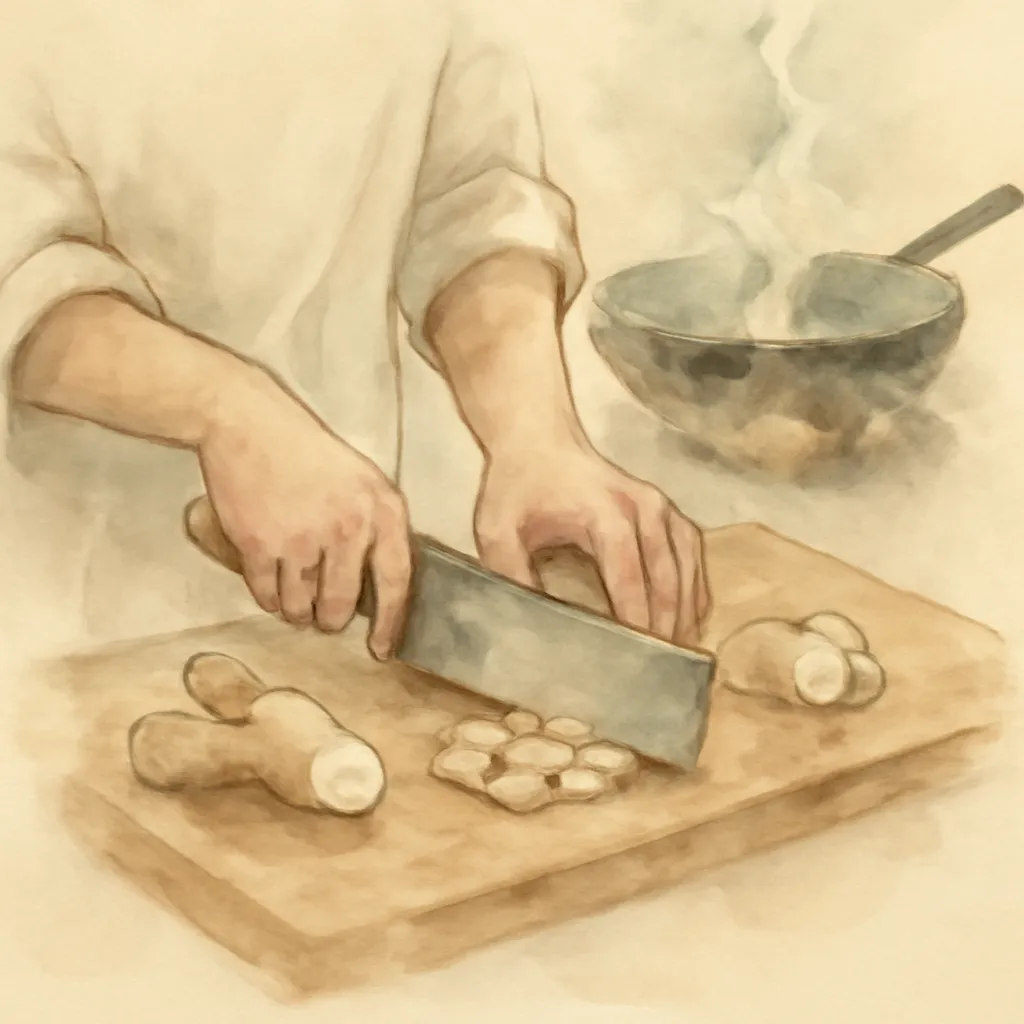
The book emphasizes that Sichuan cooking is not just about recipes, but about mastering techniques that tell stories. From knife skills to the art of stir-frying and the use of fermented ingredients, Dunlop demystifies the processes that give dishes their distinctive character. She explains why certain steps matter, connecting them to the broader narrative of Sichuanese taste and tradition. This approach makes the cuisine accessible and meaningful, even for novices.
5.Personal Journey and Culinary Discovery
Interwoven with recipes and research is Dunlop’s own story—her training at the Sichuan Institute of Higher Cuisine and her immersion in local life. Her personal anecdotes lend warmth and credibility, inviting readers to see the cuisine through both expert and outsider eyes. This narrative dimension transforms the book from a manual into a memoir of discovery, inspiring readers to embark on their own culinary adventures.
6.Sustainability and Seasonality
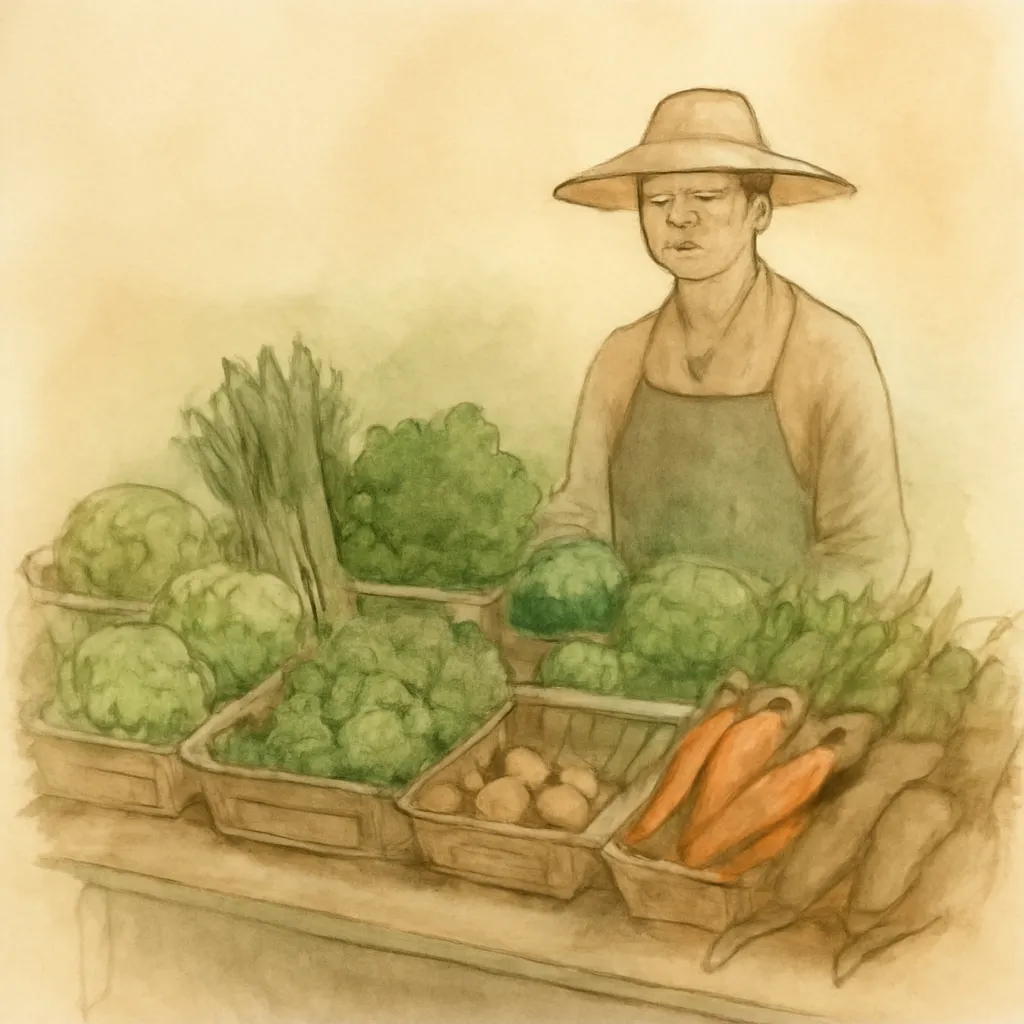
Dunlop highlights the Sichuanese respect for seasonality and resourcefulness, showcasing dishes that make use of local produce and minimize waste. The book encourages readers to appreciate the rhythms of the land and the ingenuity of cooks who turn humble ingredients into extraordinary meals. This focus speaks to broader conversations about sustainability and mindful eating.