1.War as Futility and Absurdity
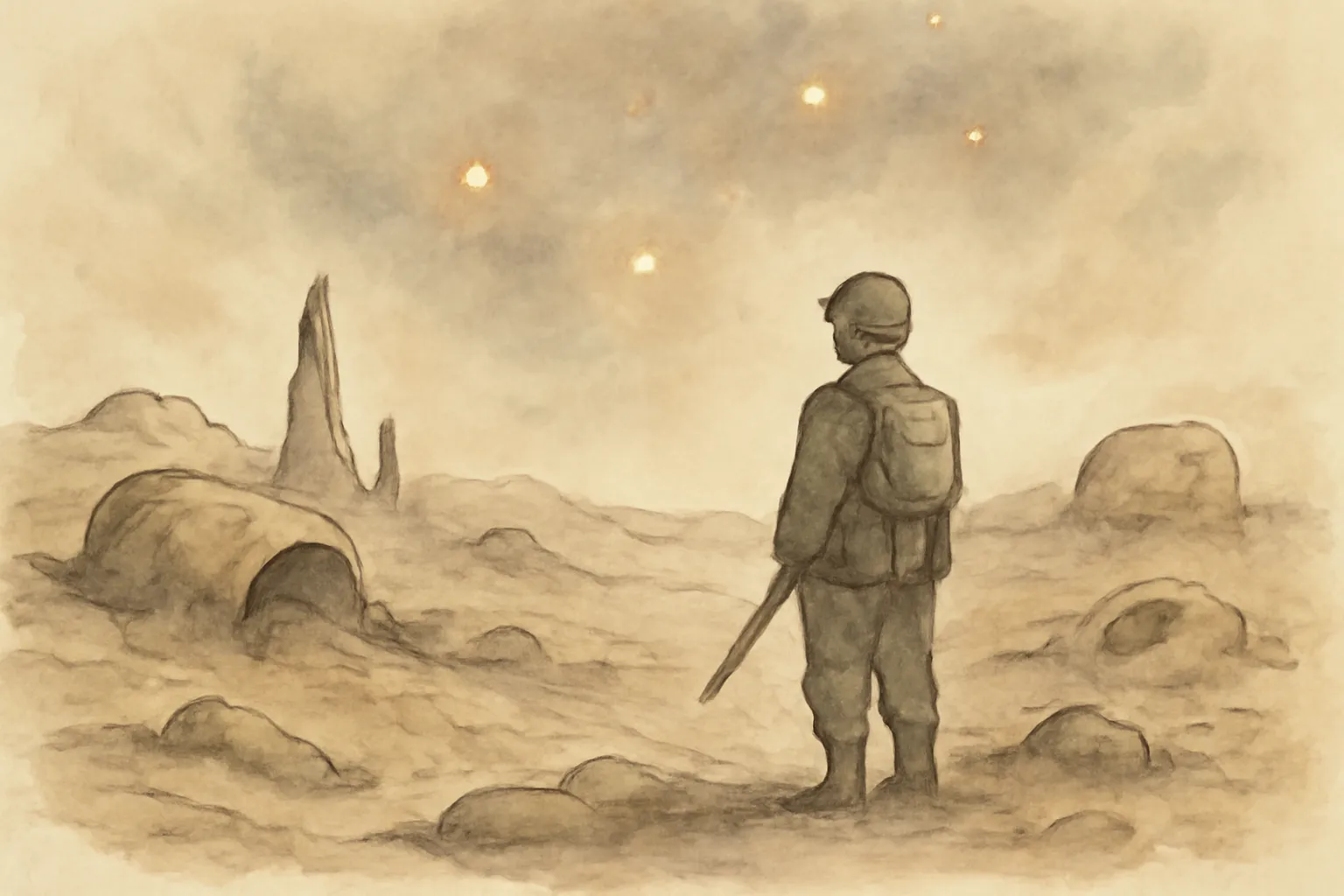
At its core, The Forever War is a meditation on the senselessness and cyclical nature of war. Haldeman, drawing from his experiences in Vietnam, presents a conflict with no clear purpose or end, fought against an enemy that is barely understood. The soldiers are swept up by forces beyond their control, highlighting the absurdity of military bureaucracy and the dehumanizing machinery of war. The novel questions whether any war, especially one fought across centuries, can ever be justified or truly understood by those who fight it.
2.Relativity and Alienation
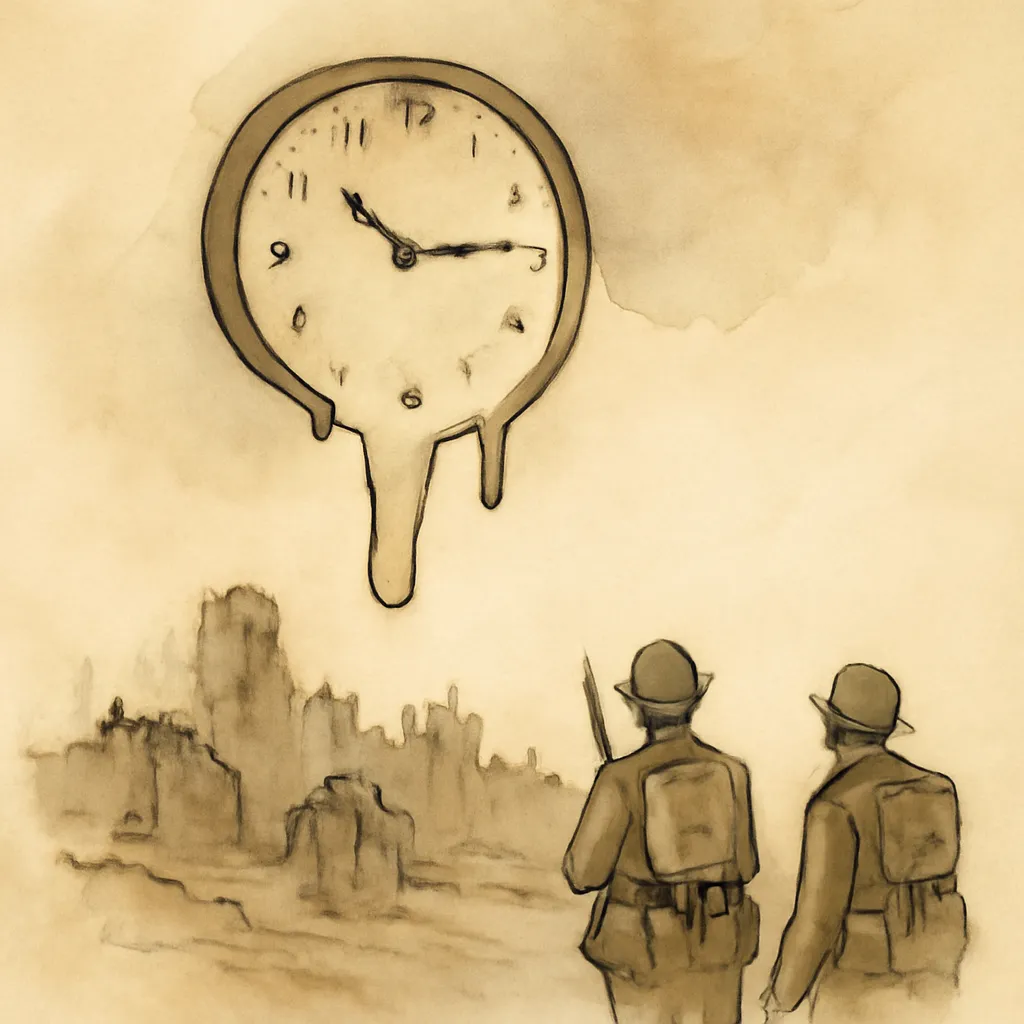
Through the science-fiction concept of time dilation, Haldeman explores the profound alienation experienced by soldiers returning from war. As protagonist William Mandella travels at near-light speeds, he ages only months while centuries pass on Earth. This physical separation becomes a metaphor for the emotional and cultural gulf between veterans and the societies they return to—societies that have moved on, changed, and become unrecognizable. The novel thus captures the dislocation and loss of identity that many veterans feel.
3.Dehumanization of the Soldier
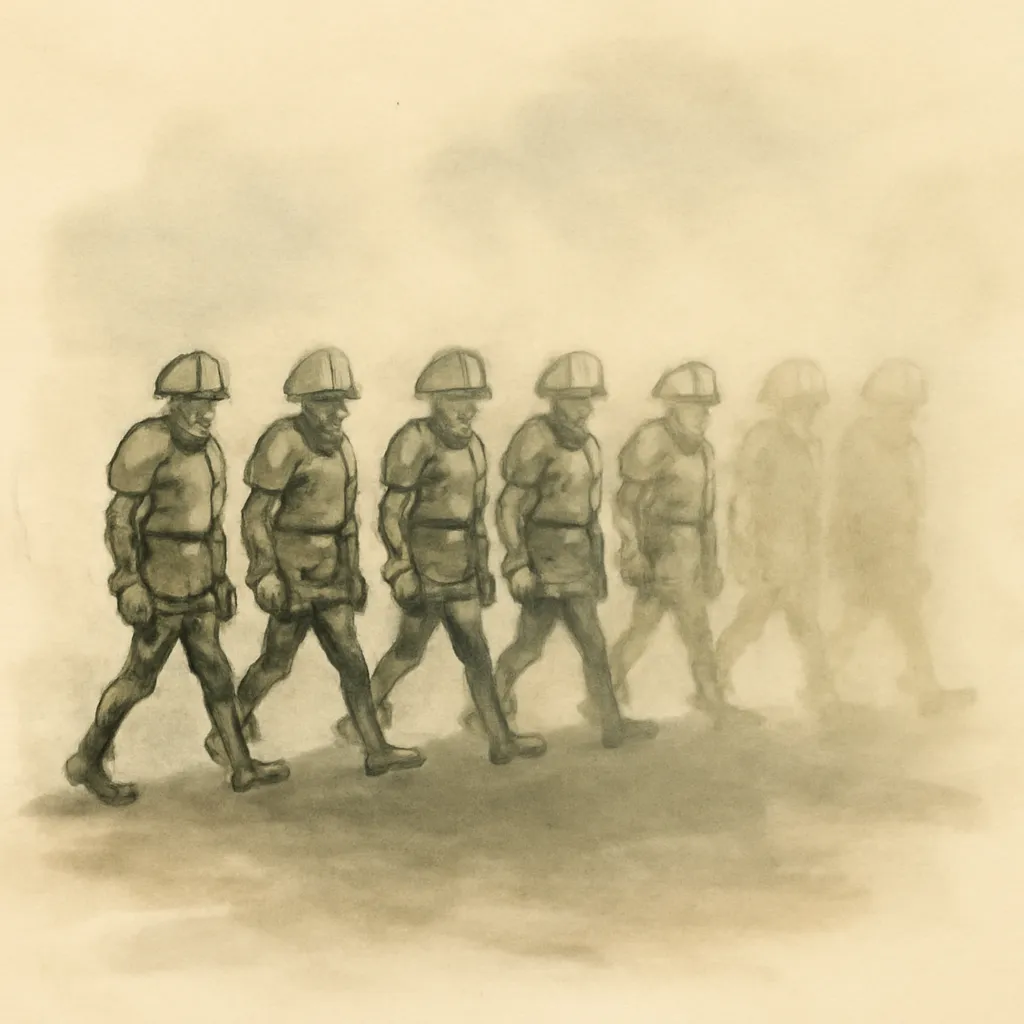
The military in The Forever War is depicted as a system that strips individuals of their autonomy and identity. Soldiers are treated as expendable resources, subjected to harsh discipline, and forced into conformity. Haldeman shows how the process of training, fighting, and surviving in such an environment erodes the humanity of those involved, making it difficult for them to reintegrate into civilian life or maintain meaningful relationships.
4.Social Change and Adaptation
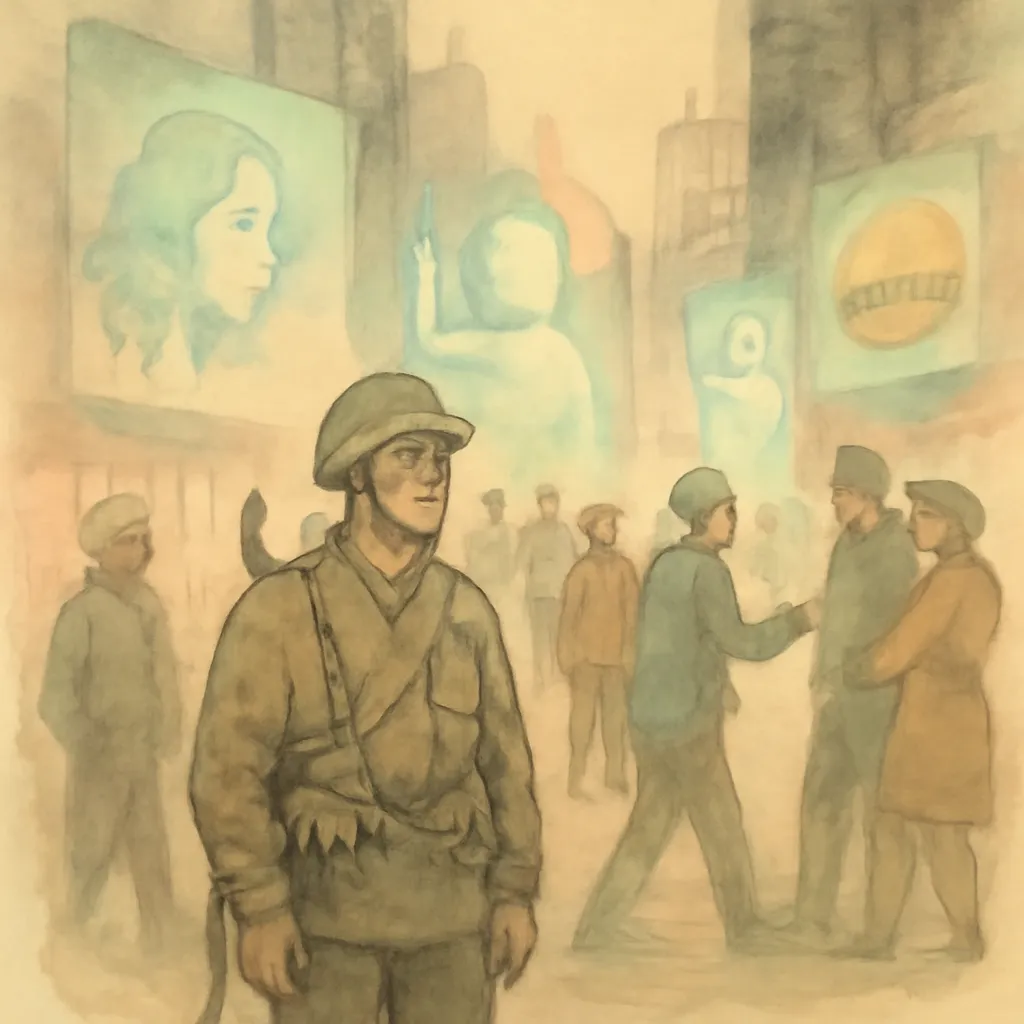
As Mandella returns to Earth after each campaign, he finds a world that has evolved beyond his comprehension—social norms, language, and even human relationships have shifted dramatically. This theme reflects the rapid pace of change in the real world, especially during and after times of conflict. The novel asks whether individuals can adapt to such sweeping transformations, or if they will inevitably become outsiders in their own societies.
5.The Search for Meaning and Connection
Despite the bleakness of the war and the alienation Mandella experiences, The Forever War is also about the search for meaning and connection. Mandella’s relationship with fellow soldier Marygay Potter becomes a lifeline, offering hope and humanity amid chaos. The novel suggests that personal bonds and love can persist, even in the most dehumanizing circumstances, and that these connections are what ultimately give life meaning.
6.Satire of Military and Bureaucracy
Haldeman infuses the novel with a satirical edge, lampooning the inefficiency and rigidity of military structures. Orders are often nonsensical, technology is both advanced and absurdly unreliable, and the logic of the war is never questioned by those in power. This critique extends to the broader systems that perpetuate conflict, making the novel a sharp commentary on institutional inertia and the dangers of unquestioned authority.