1.The Allure of the Haunted
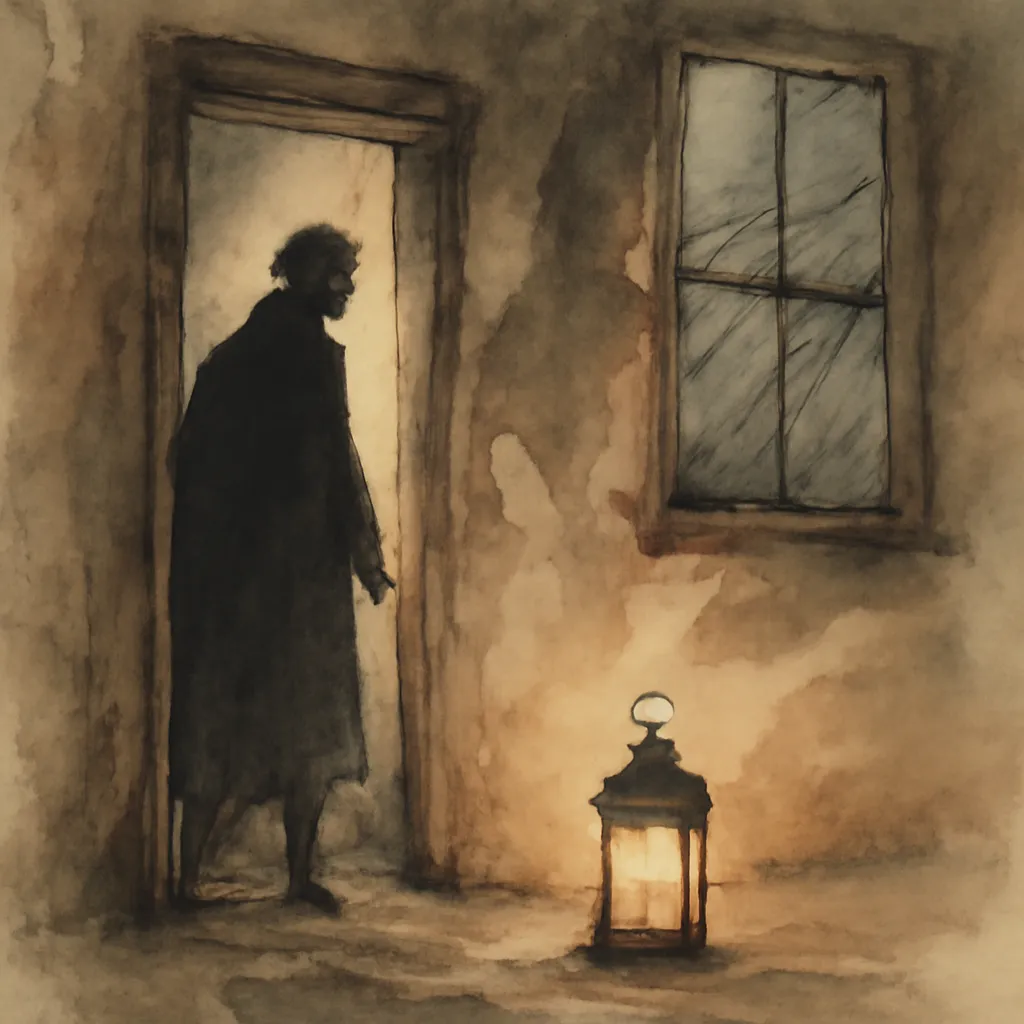
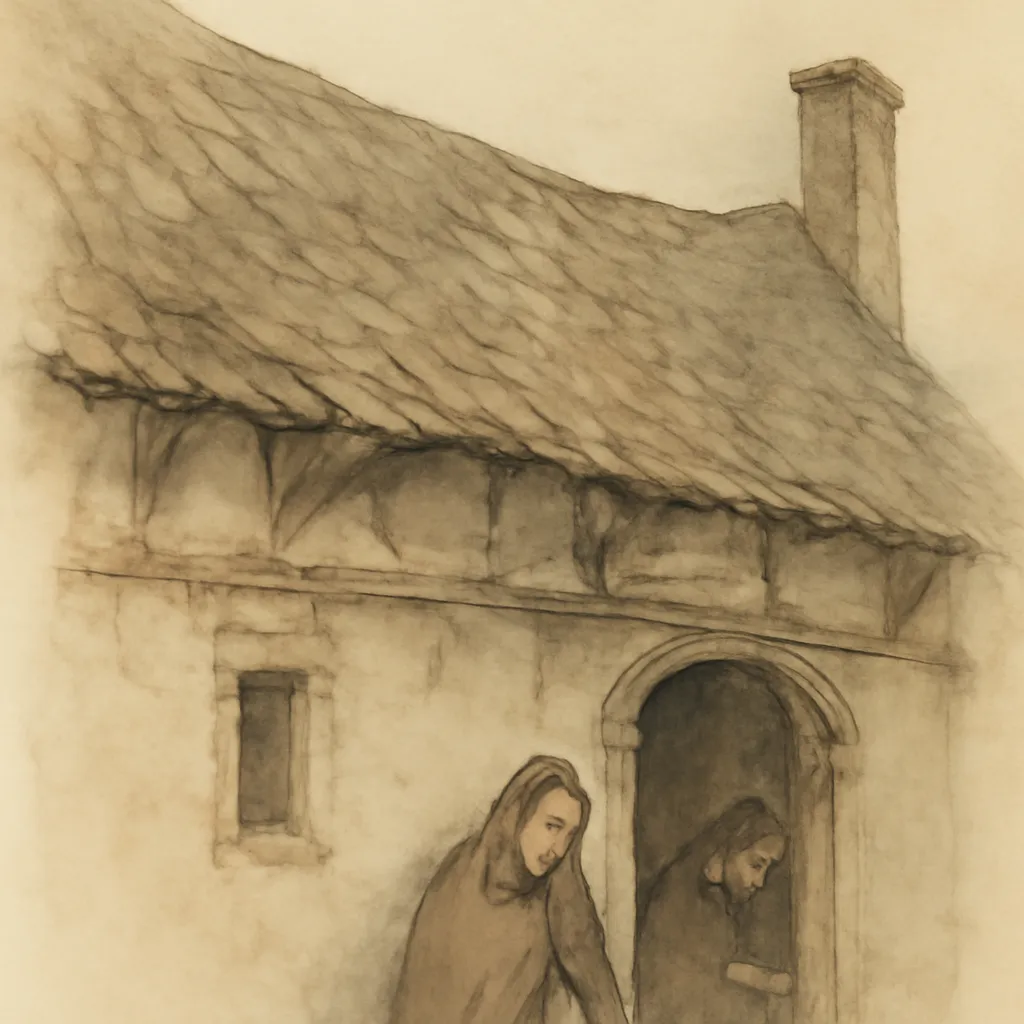
The story begins with a vivid encounter between the protagonist and a mysterious gentleman who warns against taking shelter in a dilapidated ruin. This initial interaction sets the tone for the entire novel, as the inn itself becomes a character imbued with its own dark history. The protagonist's curiosity about the haunted nature of the inn reflects a broader human fascination with the unknown and the supernatural. Green uses this motif to explore themes of fear and attraction, suggesting that the allure of the haunted often draws individuals into dangerous territories. The protagonist's decision to accept the gentleman's offer and leave the ruin behind illustrates the tension between the desire for safety and the lure of the mysterious.
2.Secrets Whispered in Shadows
As the narrative unfolds, the protagonist becomes increasingly entangled in the lives of the Urquharts, whose relationship is shrouded in secrecy and tension. The whispers of conversations overheard in the inn’s hallways reveal the complexities of their bond, hinting at a past that is both haunting and tragic. The protagonist’s concerns about Mrs. Urquhart’s well-being, prompted by a mysterious cry, underscore the theme of hidden truths lurking beneath the surface. Green expertly crafts an atmosphere of suspense, as the protagonist grapples with her suspicions while being drawn deeper into the couple’s enigmatic world. This exploration of secrets serves as a reminder of the weight that unspoken words and suppressed emotions can carry, often leading to dire consequences.
3.The Weight of the Past
The narrative spans sixteen years, illustrating how the characters have been shaped by their past experiences. The protagonist reflects on her initial encounter with the Urquharts, revealing how the memory of that night has haunted her thoughts over the years. Green emphasizes the significance of memory and how it can both haunt and define individuals. The re-emergence of the Urquharts in the protagonist's life prompts her to confront unresolved feelings and fears that have lingered since that fateful night. This theme of the past’s influence on the present resonates throughout the novel, as characters are forced to reckon with their histories and the choices they made. It serves as a poignant reminder that the past is never truly behind us; it often shapes our current realities in profound ways.
4.The Haunting Nature of Guilt
Guilt acts as a powerful undercurrent in 'The Forsaken Inn', particularly in the dynamics between the Urquharts and the protagonist. The protagonist’s growing unease about the couple's relationship is compounded by her own feelings of culpability, as she grapples with the implications of her curiosity. Green deftly portrays how guilt can manifest in various forms—whether through obsessive thoughts, physical symptoms, or strained relationships. The character of Burritt, who remains vigilant in his observations of the Urquharts, embodies the struggle between loyalty and the instinct to protect. His determination to uncover the truth about the couple reflects the idea that guilt can compel individuals to seek justice, even at personal cost. This exploration of guilt adds depth to the narrative, making it a powerful force that drives character motivations and actions.
5.The Role of Justice
Justice emerges as a central theme as the protagonist and her companions navigate the complexities of the Urquhart’s situation. The discovery of a hidden chamber within the inn marks a pivotal moment in the narrative, as it symbolizes the potential for revelation and retribution. The protagonist’s resolve to uncover the truth about the Urquharts speaks to a deeper desire for justice, not just for herself but for the couple as well. Green raises questions about the nature of justice—whether it is served through societal means or personal reckoning. The tension between secrecy and the pursuit of truth serves as a commentary on the moral dilemmas faced by individuals when confronted with the consequences of their actions. This exploration of justice adds layers to the narrative, prompting readers to consider the complexities of right and wrong in a world often governed by shades of gray.
6.The Power of Female Relationships
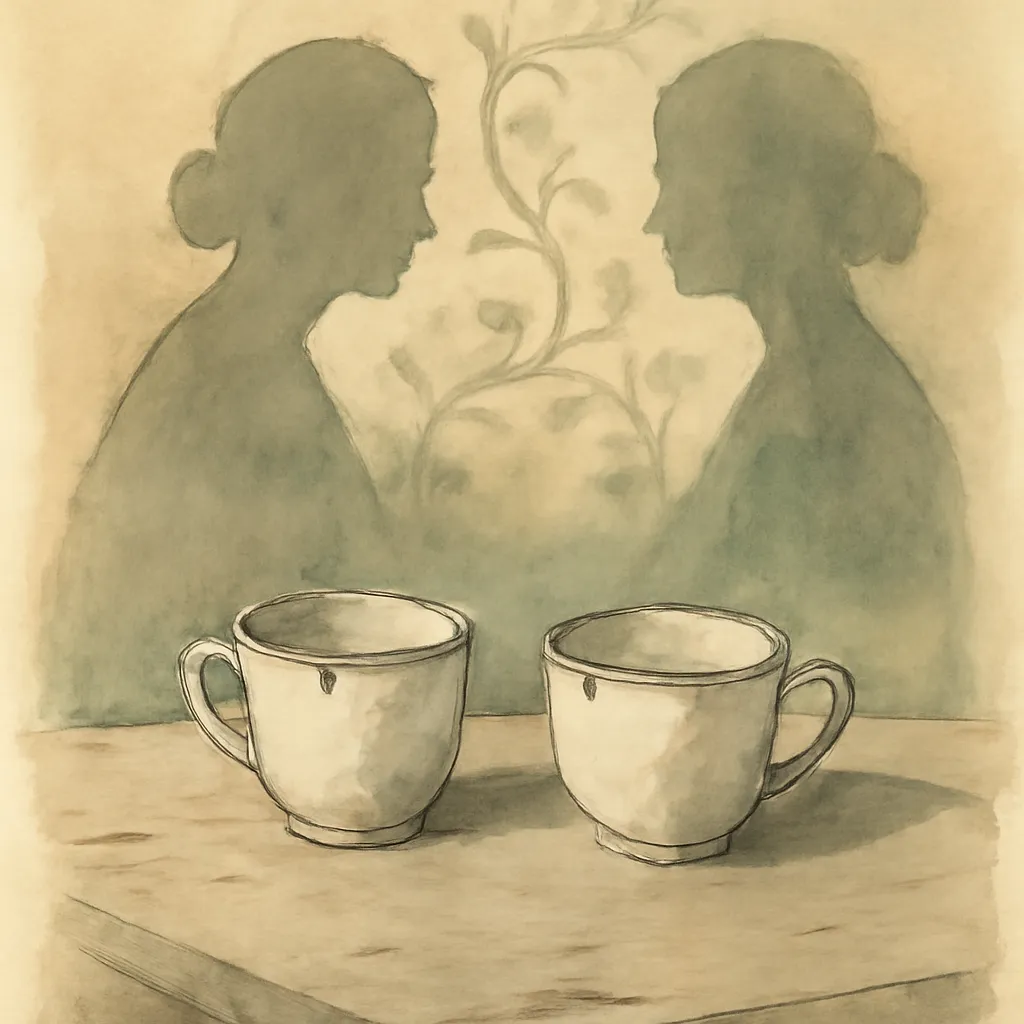
Throughout the novel, the interactions between female characters highlight the significance of solidarity and understanding in the face of adversity. The protagonist’s relationship with Mrs. Urquhart reflects a complex dynamic, as both women grapple with their respective circumstances. Green portrays their connection as one marked by empathy and shared experiences, even as secrets threaten to drive them apart. This exploration of female relationships serves as a counterbalance to the male-dominated narratives often found in gothic literature. The bond between women, characterized by shared understanding and mutual support, emerges as a source of strength that can transcend the confines of societal expectations. Through these relationships, Green underscores the importance of female solidarity in navigating the challenges posed by love, loss, and betrayal.
7.The Inn as a Symbol of Isolation
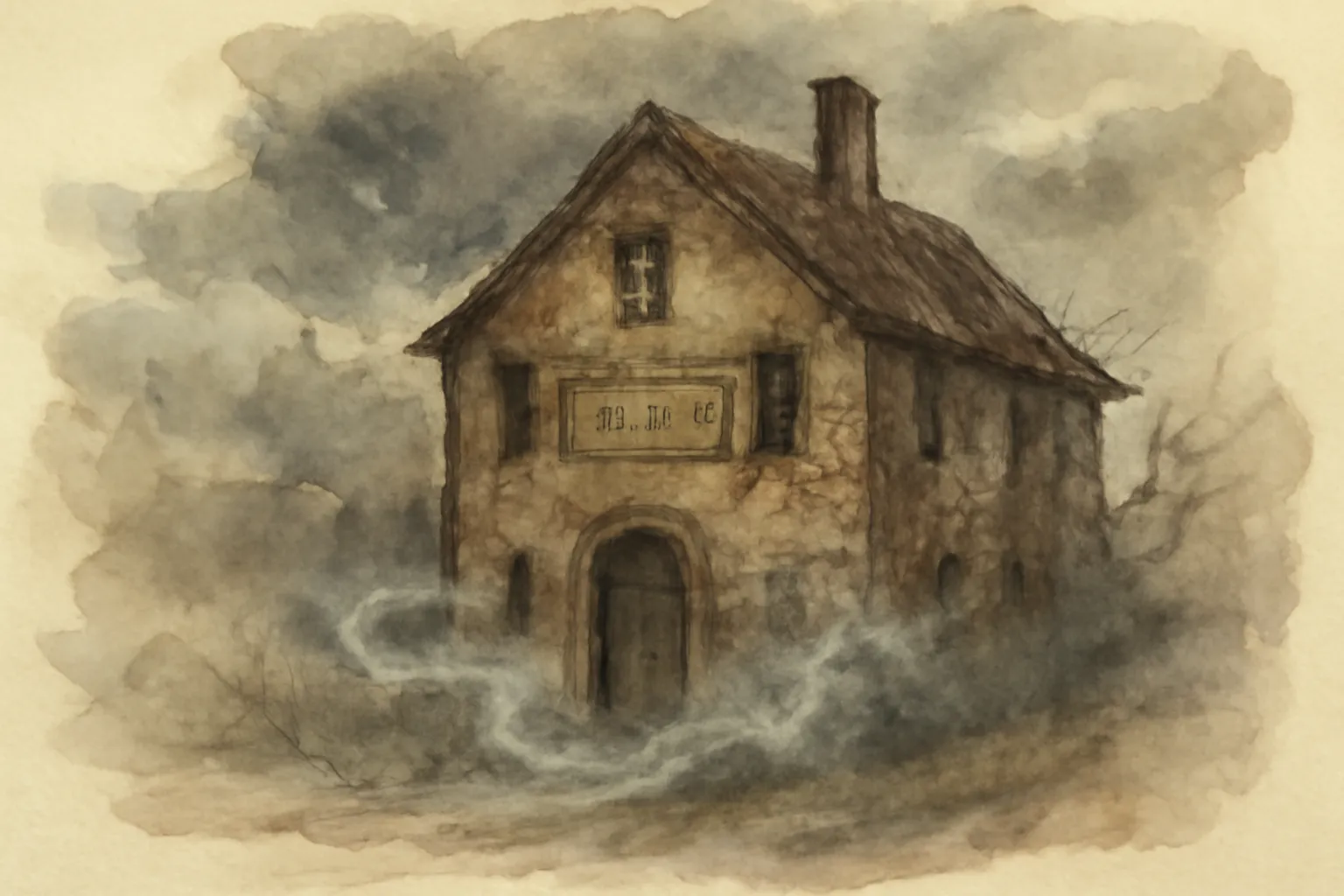
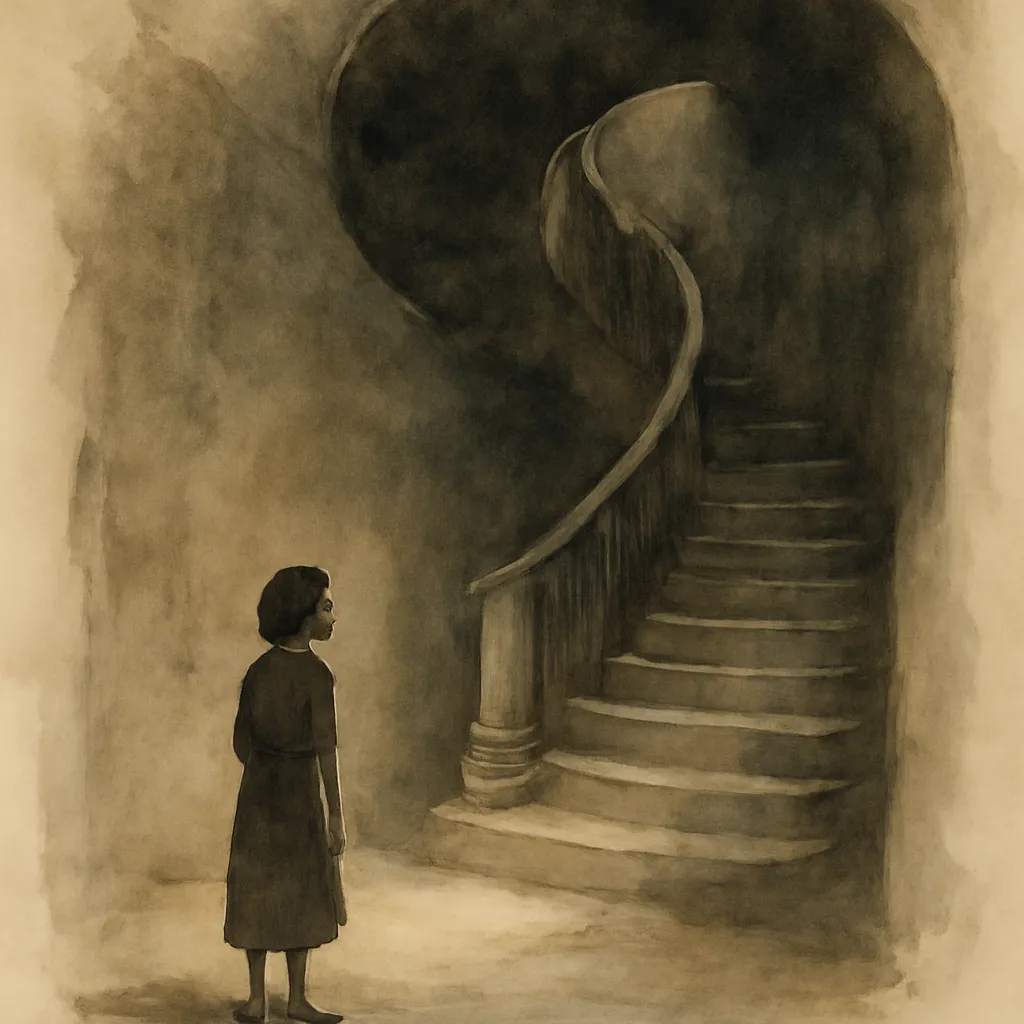
The forsaken inn itself serves as a powerful symbol of isolation, both physically and emotionally. Its dilapidated state mirrors the inner turmoil of the characters who inhabit it, creating an atmosphere thick with despair and longing. Green uses the inn as a setting to explore themes of alienation and the search for connection in a world filled with secrets. The physical barriers of the inn—its locked doors and hidden chambers—reflect the emotional barriers that characters erect to shield themselves from pain. As the protagonist navigates the inn’s corridors, she becomes increasingly aware of the isolation that permeates the lives of those around her. This representation of isolation serves as a poignant reminder of the human desire for connection, even in the face of overwhelming odds.
8.The Intersection of Love and Betrayal
The intricate web of love and betrayal weaves throughout the relationships in 'The Forsaken Inn', culminating in moments of profound emotional resonance. The connection between the Urquharts is fraught with tension, as their past decisions haunt their present interactions. Green delves into the complexities of love, illustrating how it can be both a source of strength and a catalyst for destruction. The characters’ struggles with fidelity, trust, and the consequences of their choices highlight the fragile nature of human connections. This exploration of love’s duality invites readers to reflect on the ways in which affection can be entangled with deceit, ultimately shaping the course of relationships. The novel suggests that love, while often portrayed as an unyielding force, can lead individuals down paths of betrayal that have lasting repercussions.
9.The Influence of Society on Personal Choices
Green deftly examines how societal expectations shape the characters' decisions, highlighting the tension between individual desires and external pressures. The Urquharts’ relationship is heavily influenced by the norms and values of their time, forcing them to navigate a landscape filled with judgment and scrutiny. The protagonist’s internal conflict regarding her involvement with the couple reflects the struggle many face when balancing personal desires against societal standards. Green’s portrayal of this tension serves as a critique of the rigid roles assigned to individuals based on gender and social status. By illustrating the impact of society on personal choices, the narrative invites readers to consider the ways in which external forces can shape one’s path—sometimes for better, but often for worse. This exploration of social influence adds depth to the characters’ journeys, making their struggles all the more relatable.
10.The Final Confrontation with Truth
As the narrative reaches its climax, the protagonist's quest for truth culminates in a confrontation that exposes the hidden realities of the Urquharts’ relationship. This moment serves as a powerful turning point, forcing characters to reckon with the consequences of their past actions. Green masterfully builds tension leading up to this revelation, heightening the stakes for all involved. The protagonist’s determination to uncover the truth reflects a broader theme of accountability—both personally and within relationships. This final confrontation not only provides closure for the characters but also serves as a reminder of the transformative power of truth. Green’s exploration of this theme invites readers to reflect on their own relationships and the importance of confronting uncomfortable realities in the pursuit of healing and redemption.