1.The Power of Fossil Evidence
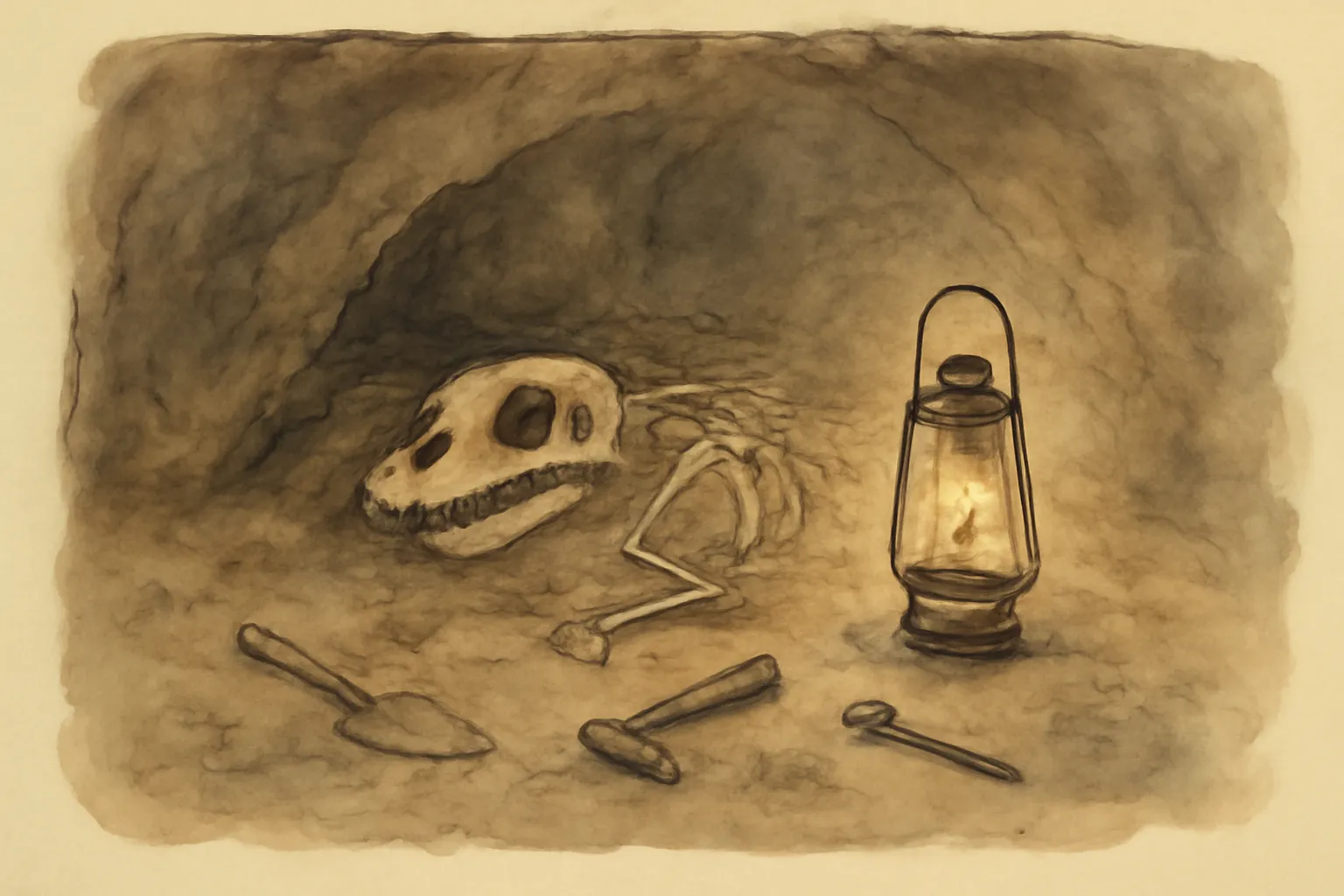
Falk emphasizes how singular fossil finds can upend established scientific narratives. She showcases the discovery of the 'hobbit'—Homo floresiensis—and the Taung Child as turning points that forced researchers to reconsider long-held assumptions about human evolution. These fossils didn’t just fill gaps; they created new questions, demonstrating that science is a dynamic process, always open to revision when new evidence emerges.
2.Brains and Evolutionary Surprises
A central theme is the evolution of the brain and its unexpected twists. Falk explores how the brain size and structure of early hominins, especially in the case of the 'hobbit,' defied expectations. The book delves into how these discoveries challenge the simplistic notion that bigger brains always mean more advanced cognition, urging a more nuanced understanding of intelligence and adaptation.
3.Controversy and Scientific Debate
Falk doesn’t shy away from the contentious nature of paleoanthropology. She details the heated debates, rivalries, and 'paleopolitics' that arise when new fossils threaten established reputations and theories. Through her first-hand accounts, readers witness how scientific progress often involves clashing egos, public disputes, and the slow, sometimes painful, process of consensus-building.
4.The Human Side of Science
The book humanizes scientists, revealing their biases, ambitions, and emotional investments. Falk’s narrative illustrates that science is not just about data; it’s also about people—mentors, rivals, and collaborators—whose personalities and perspectives shape the interpretation of evidence. This theme underscores the importance of humility and open-mindedness in scientific inquiry.
5.The Role of Technology and Interdisciplinarity
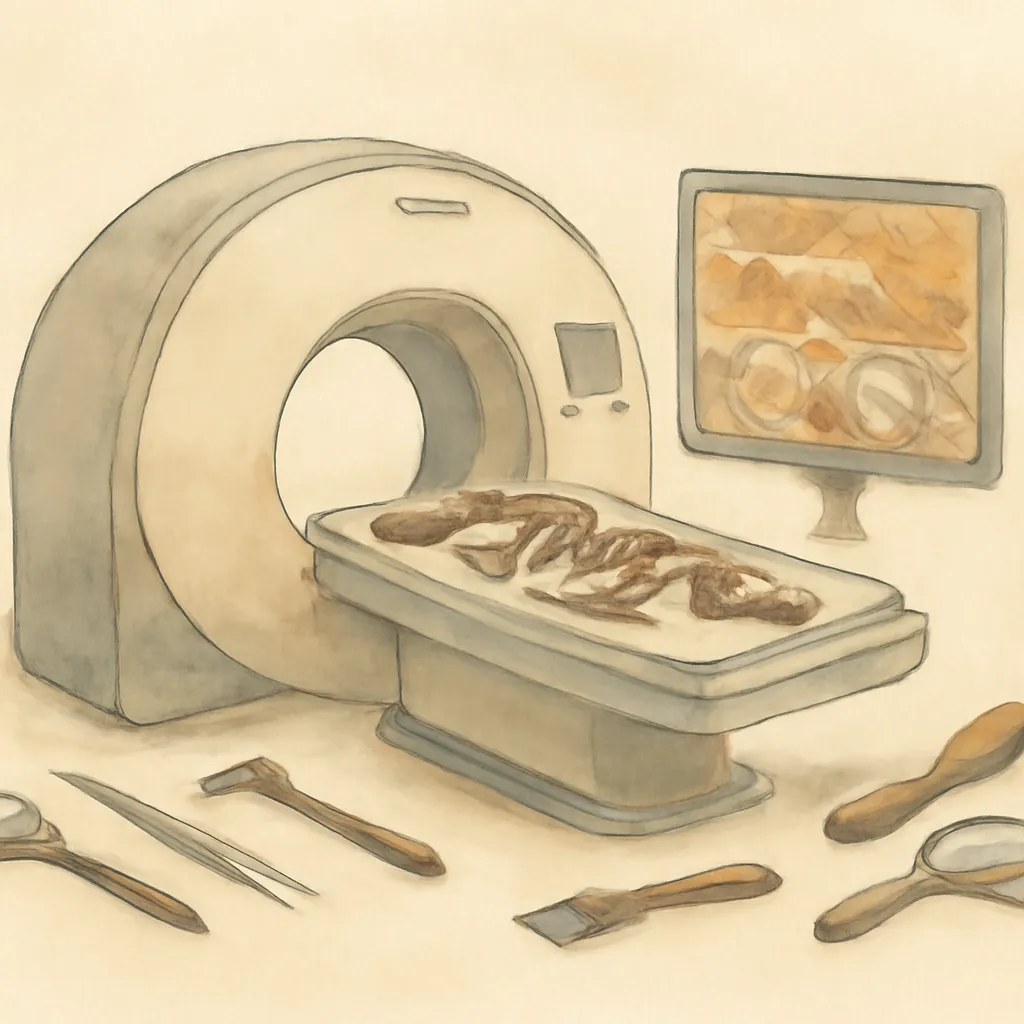
Falk highlights how advances in technology, such as CT scanning and digital reconstruction, have transformed the study of fossils. She also demonstrates the value of interdisciplinary collaboration—drawing on anatomy, anthropology, and neuroscience—to build a fuller picture of our evolutionary past. The book makes a case for integrating multiple fields to solve complex scientific puzzles.
6.Public Perception and the Media
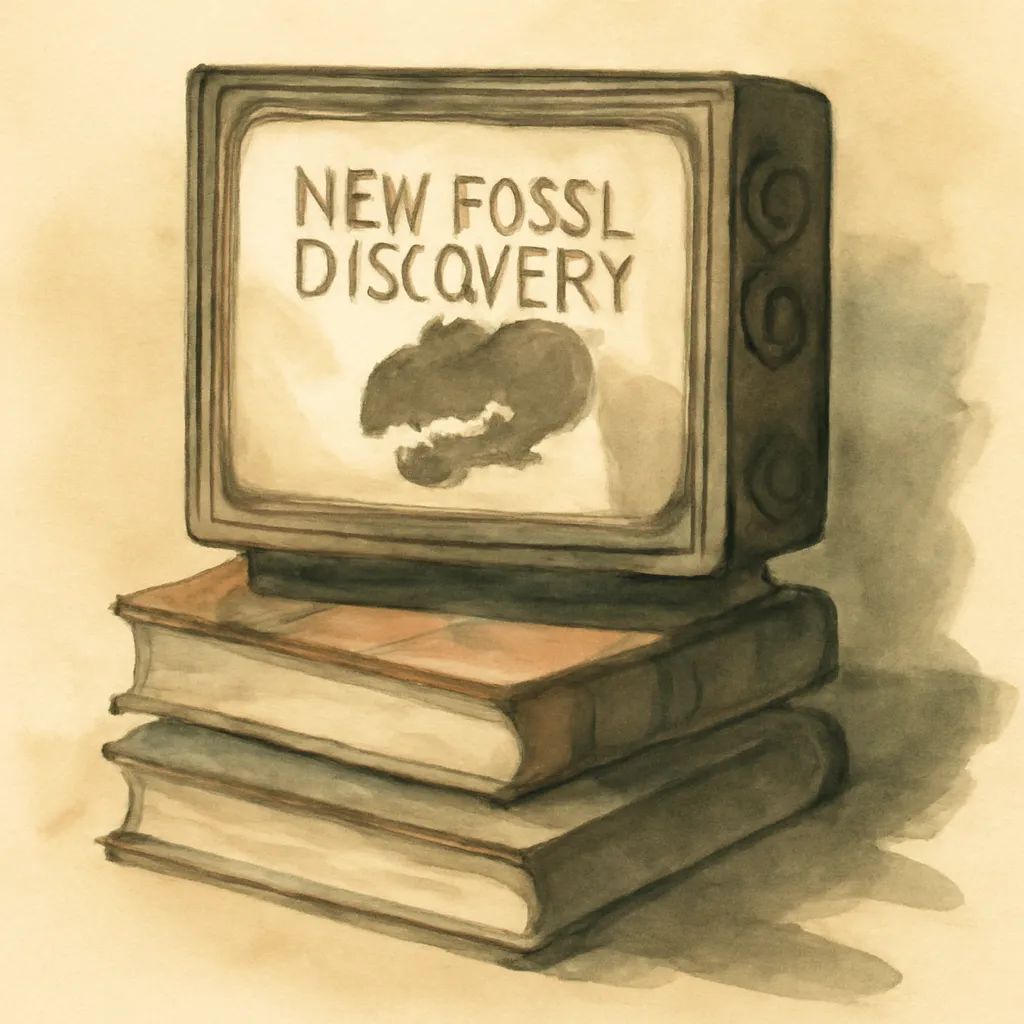
Falk discusses how media coverage and public fascination can both help and hinder scientific understanding. Sensational headlines and premature conclusions can distort the significance of discoveries, while genuine public interest can drive funding and further research. The book encourages readers to think critically about how science is communicated and consumed.