1.The Power of Agreements
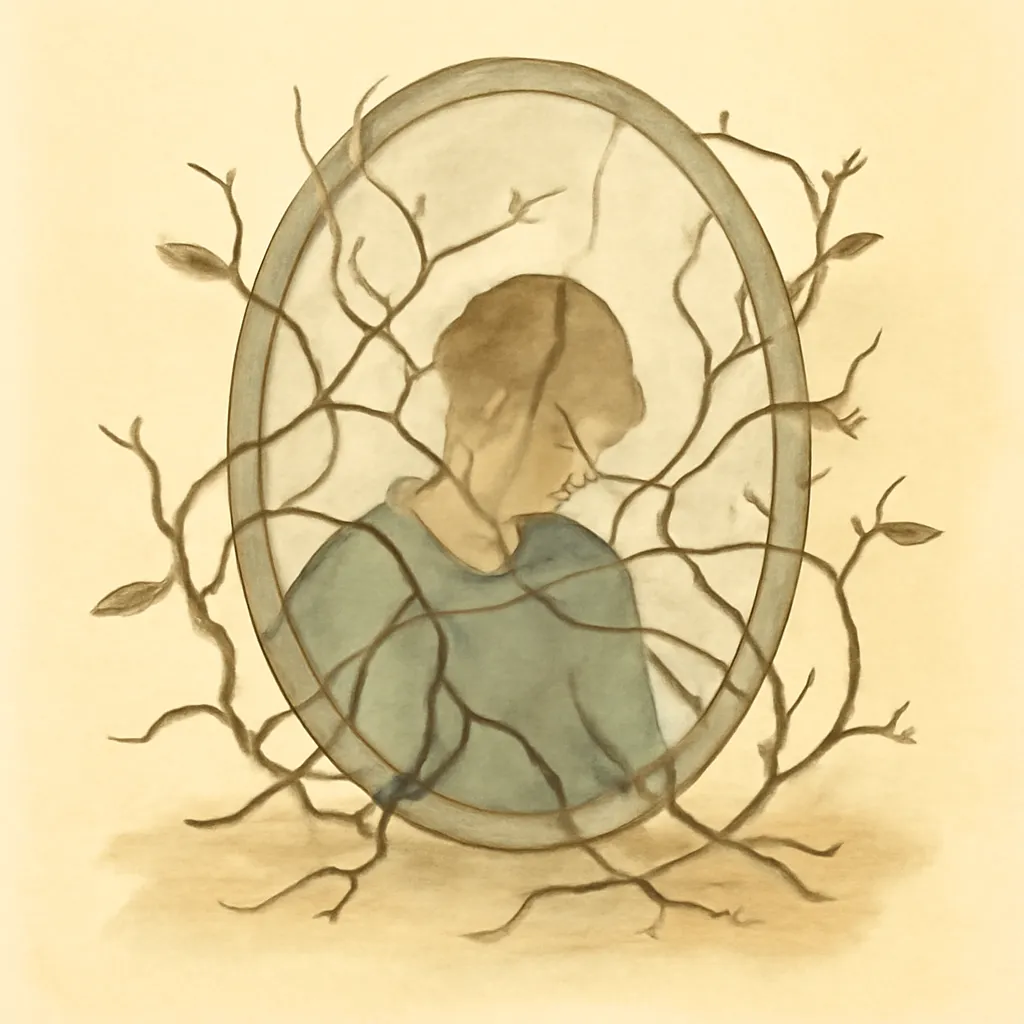
Ruiz argues that much of human suffering stems from 'agreements'—beliefs and rules we unconsciously accept from family, culture, and ourselves. These agreements shape our perceptions and behaviors, often limiting our happiness and potential. By becoming aware of these unconscious contracts and consciously choosing new, empowering agreements, we can transform our experience of life. The book’s central thesis is that freedom and joy are possible when we question and replace self-limiting beliefs.
2.Be Impeccable with Your Word
The first agreement emphasizes the creative and destructive power of language. 'Impeccability' here means speaking with integrity and avoiding self-criticism or gossip. Ruiz suggests that words can plant seeds of love or fear, both in ourselves and others. By choosing words carefully and truthfully, we foster self-respect and healthier relationships. This agreement is foundational, as it shapes our inner dialogue and outward interactions.
3.Don’t Take Anything Personally
Ruiz teaches that what others say and do is a reflection of their own reality, not ours. Taking things personally makes us vulnerable to needless suffering and emotional turmoil. By recognizing that others’ opinions and actions are about them—not us—we gain emotional resilience and freedom from external judgments. This agreement helps break cycles of offense, misunderstanding, and the need for approval.
4.Don’t Make Assumptions
Misunderstandings and conflict often arise from assumptions. Ruiz urges readers to ask questions and communicate clearly, rather than filling in gaps with their own stories. This agreement encourages curiosity and honest dialogue, reducing drama and disappointment. By letting go of assumptions, we foster better understanding and more authentic connections.
5.Always Do Your Best
The fourth agreement ties the others together, acknowledging that our 'best' will vary from moment to moment. Ruiz advocates for effort without self-judgment, suggesting that doing our best—whatever that looks like—prevents regret and self-abuse. This principle is about self-compassion and persistence, allowing us to grow without perfectionism or guilt.
6.Freedom from Domestication
Ruiz uses the concept of 'domestication' to describe how society, family, and culture condition us to adopt beliefs and behaviors that may not serve us. The Four Agreements are presented as a path to reclaiming personal freedom by breaking these inherited patterns. The book encourages readers to become conscious creators of their lives, rather than passive recipients of social programming.