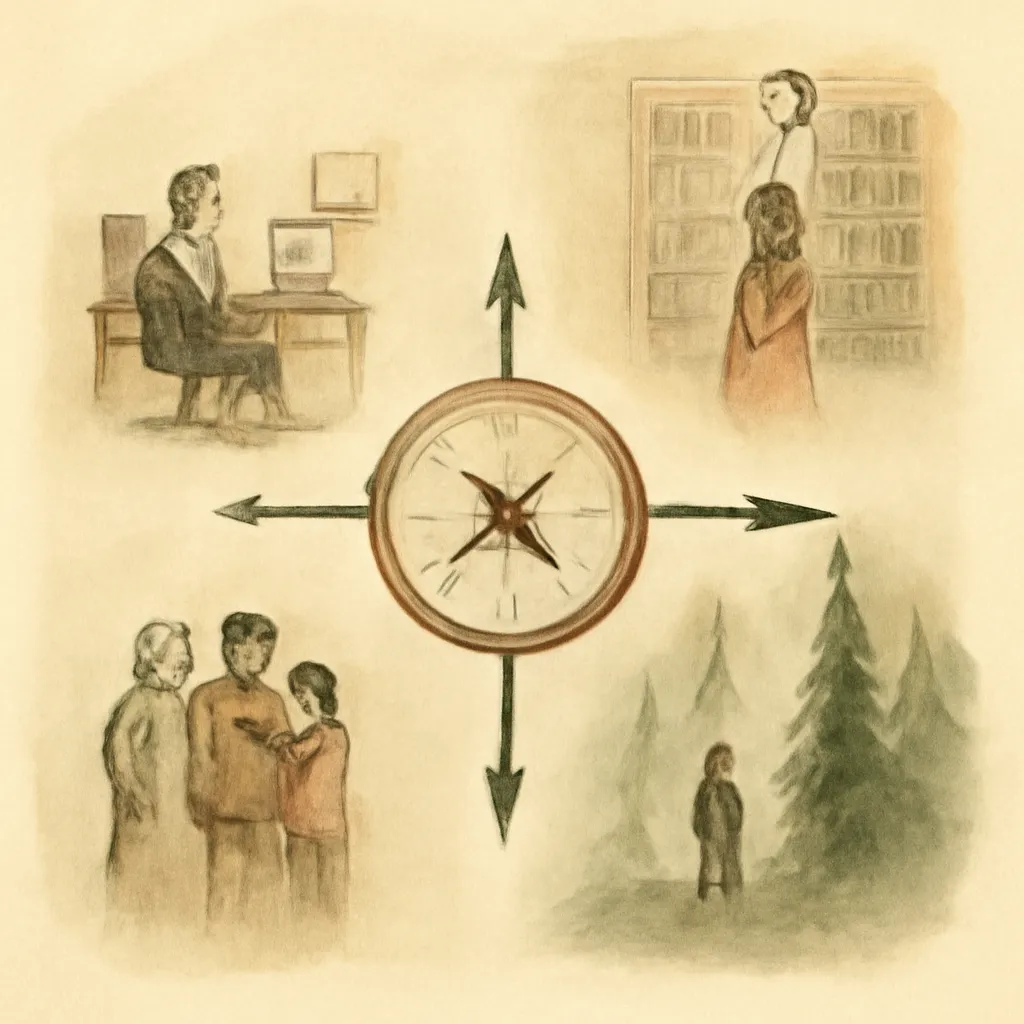
1.The Four Tendencies Framework
Gretchen Rubin introduces a simple yet powerful model that divides people into four 'tendencies' based on how they respond to expectations: Upholders, Questioners, Obligers, and Rebels. This framework explains why some people easily meet inner and outer expectations, while others struggle or resist. Understanding these categories is the foundation for improving motivation, communication, and habit formation.
2.Upholders: Meeting All Expectations
Upholders respond readily to both outer expectations (like work deadlines) and inner expectations (like New Year’s resolutions). They thrive on clarity and structure, but may struggle when rules are ambiguous or when flexibility is required. Recognizing an Upholder’s strengths and limitations helps in assigning tasks and managing relationships.
3.Questioners: Driven by Logic
Questioners question all expectations and will only meet them if they believe they are justified. They need to understand the ‘why’ behind any request, which makes them excellent at spotting inefficiencies but sometimes prone to analysis paralysis. Strategies for Questioners involve providing clear rationale and evidence.
4.Obligers: Motivated by External Accountability
Obligers readily meet outer expectations but struggle with inner ones. They are reliable team members but often neglect their own needs unless someone else is counting on them. Rubin suggests that Obligers benefit greatly from external accountability, such as deadlines, coaches, or support groups.
5.Rebels: Valuing Freedom and Autonomy
Rebels resist all expectations, both outer and inner, and value freedom of choice above all. They are motivated by a sense of identity and self-expression, and resist being told what to do—even by themselves. To work effectively with Rebels, Rubin recommends emphasizing choice and personal values rather than rules or demands.
6.Applying the Tendencies in Life and Work
Rubin emphasizes that knowing your tendency—and those of others—can transform how you build habits, manage teams, parent, or maintain relationships. The book offers actionable tips for tailoring communication, setting up accountability, and avoiding common pitfalls with each tendency. This practical application is what makes the framework so useful in everyday life.