1.The Drive to Become a Multiplanetary Species
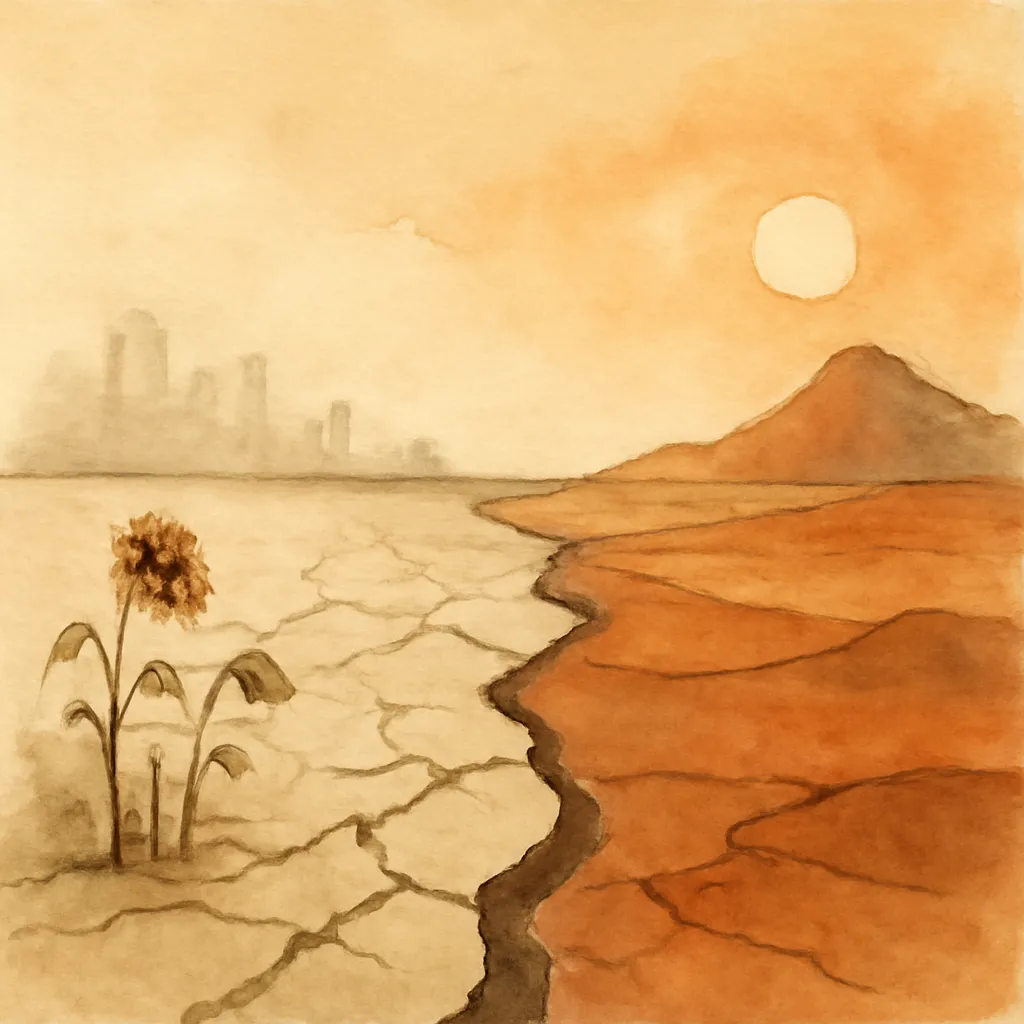
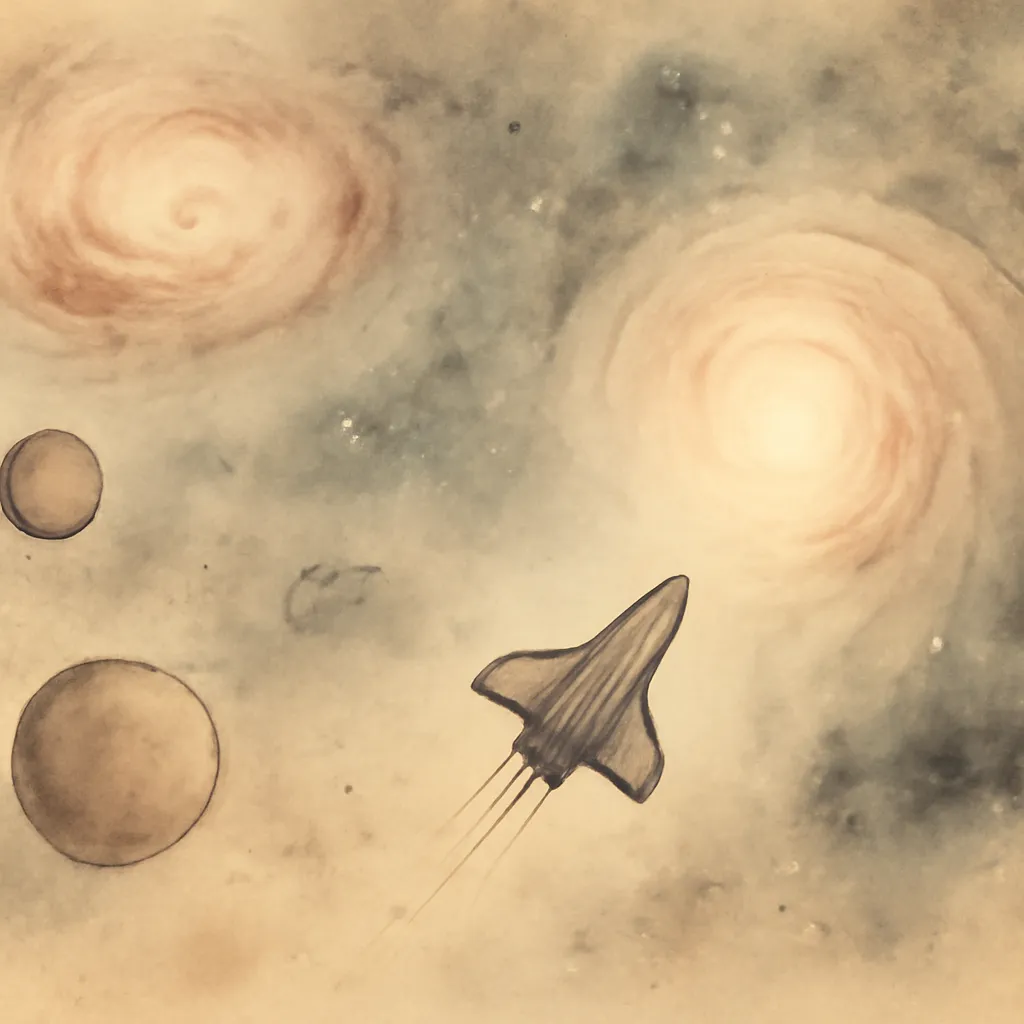
Kaku argues that humanity’s long-term survival depends on our ability to move beyond Earth. He frames space colonization as both a response to existential threats—like asteroid impacts, climate change, or resource depletion—and as the next step in our evolutionary and technological journey. Colonizing Mars and other worlds is depicted not as science fiction, but as an imperative for ensuring the continuity of human civilization.
2.Technological Pathways to the Stars
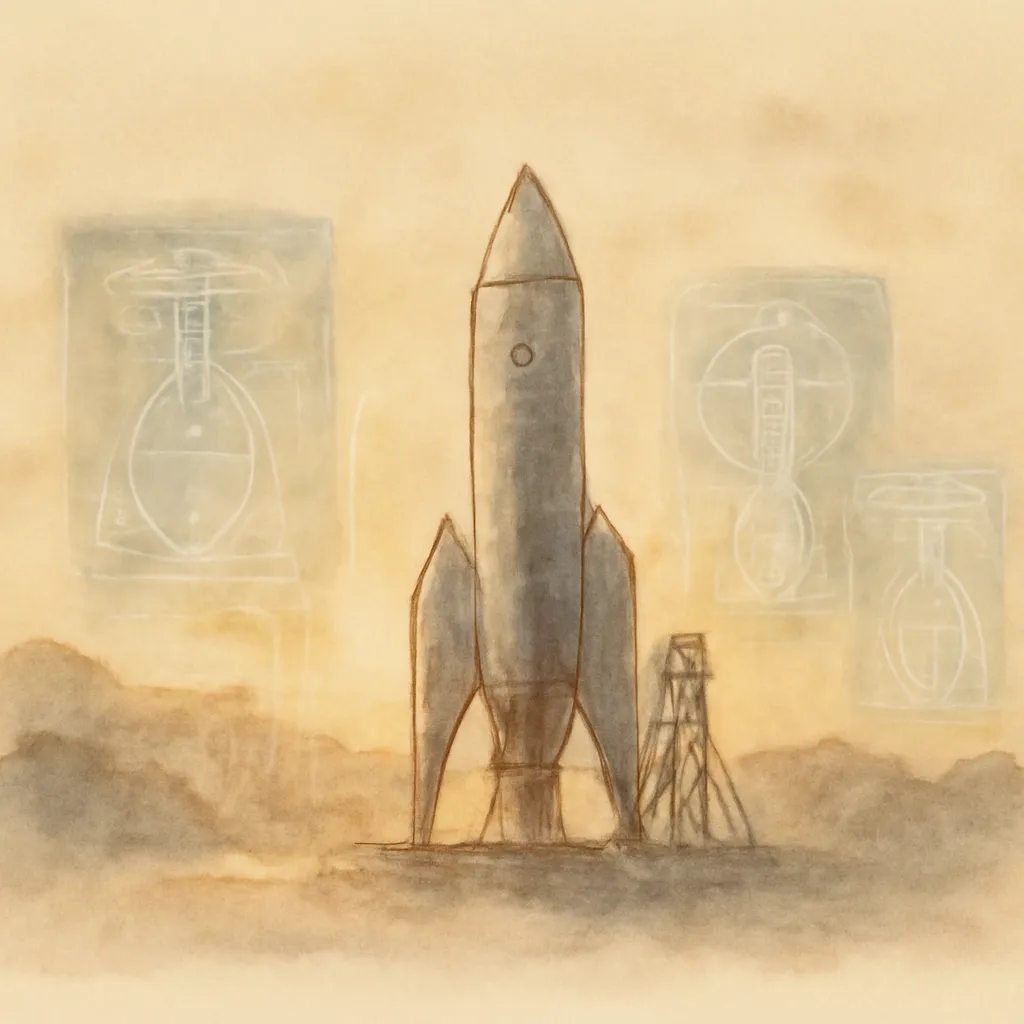
The book surveys the technological advances that could enable interplanetary and interstellar travel. Kaku discusses rockets, ion drives, fusion engines, and speculative concepts like laser sails and nanoships. He emphasizes that while many of these ideas are in their infancy or theoretical, rapid progress in robotics, artificial intelligence, and materials science could make them feasible within the coming centuries.
3.Terraforming and Creating Habitable Worlds
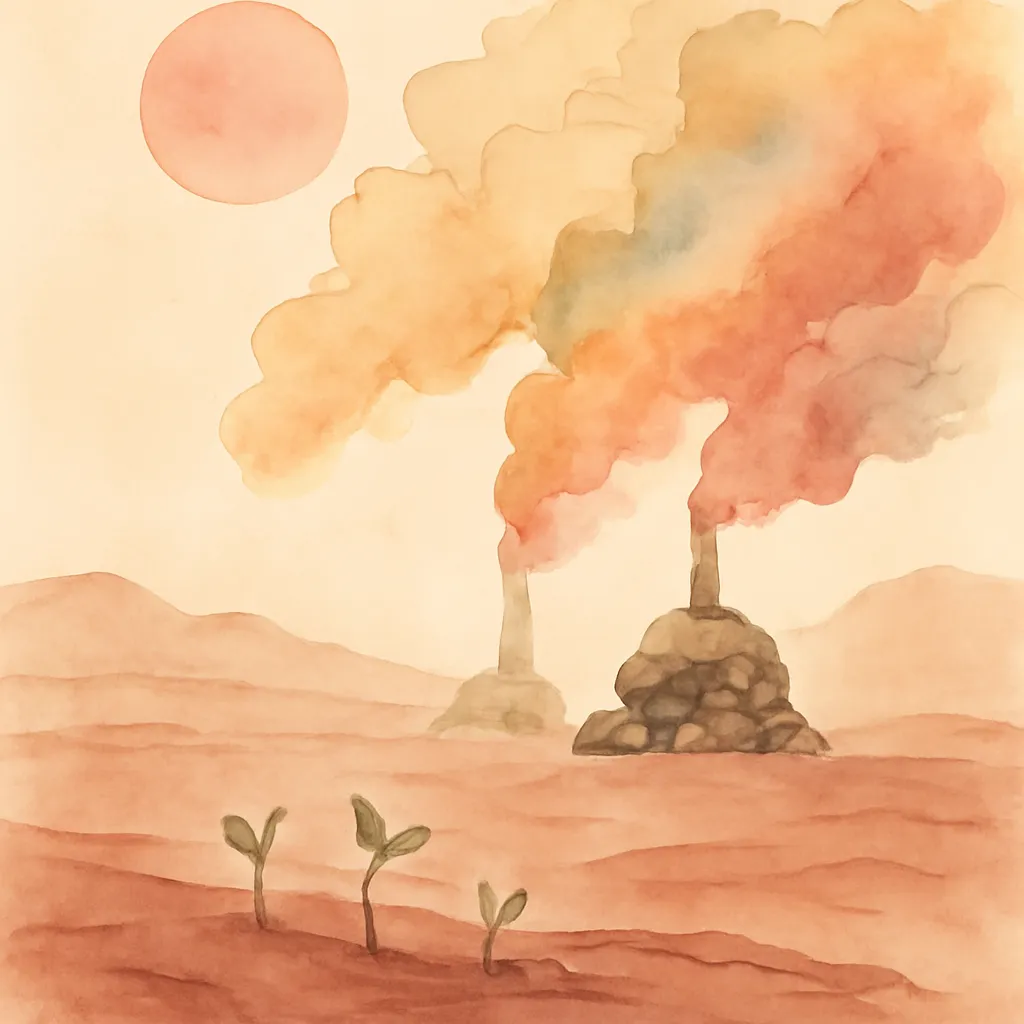
A major theme is the challenge of making other planets livable. Kaku explores the science of terraforming—altering the atmosphere and environment of Mars or other bodies to support life. He examines the technical, ethical, and ecological complexities of such projects, highlighting both the promise and the daunting scale of planetary engineering.
4.The Role of Artificial Intelligence and Biotechnology
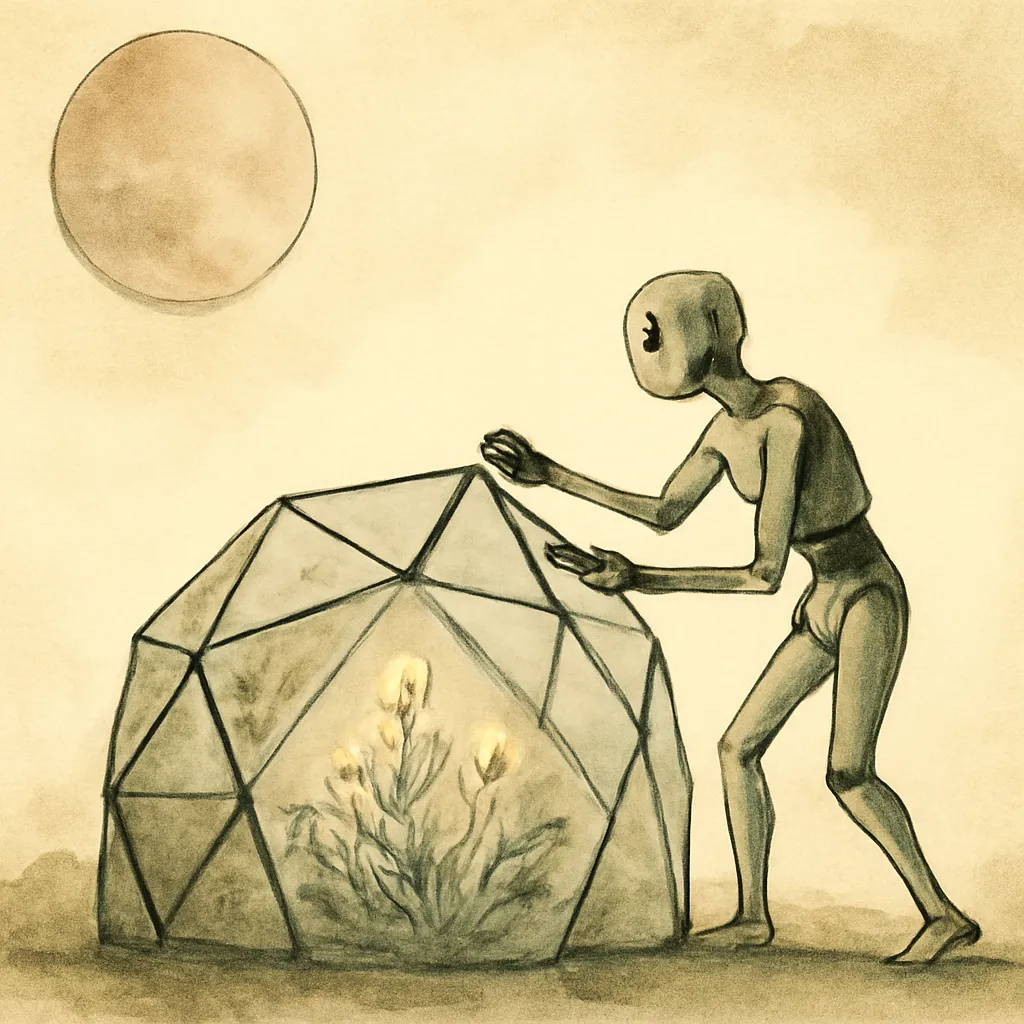
Kaku envisions a future where AI and bioengineering are essential tools for space colonization. Intelligent robots could precede humans to build habitats, while advances in genetics might allow us to adapt ourselves (or other life forms) to alien environments. This raises profound questions about what it means to be human and how technology might reshape our species.
5.Cosmic Perspective and the Search for Meaning
Beyond the technical, Kaku reflects on the philosophical implications of venturing into the cosmos. He discusses the search for extraterrestrial life, the Fermi Paradox, and how expanding into space might change our understanding of ourselves and our place in the universe. The book invites readers to contemplate the ultimate destiny of intelligence and consciousness in the cosmos.
6.Speculative Futures: Warp Drives and Multiverses
In its later chapters, the book delves into the most speculative frontiers of physics—warp drives, wormholes, and the possibility of parallel universes. While careful to distinguish science from fantasy, Kaku explains how these ideas are grounded in real physics, even if they remain far from realization. This speculative lens encourages readers to think beyond current limitations.