1.Mapping the Brain’s Complexity
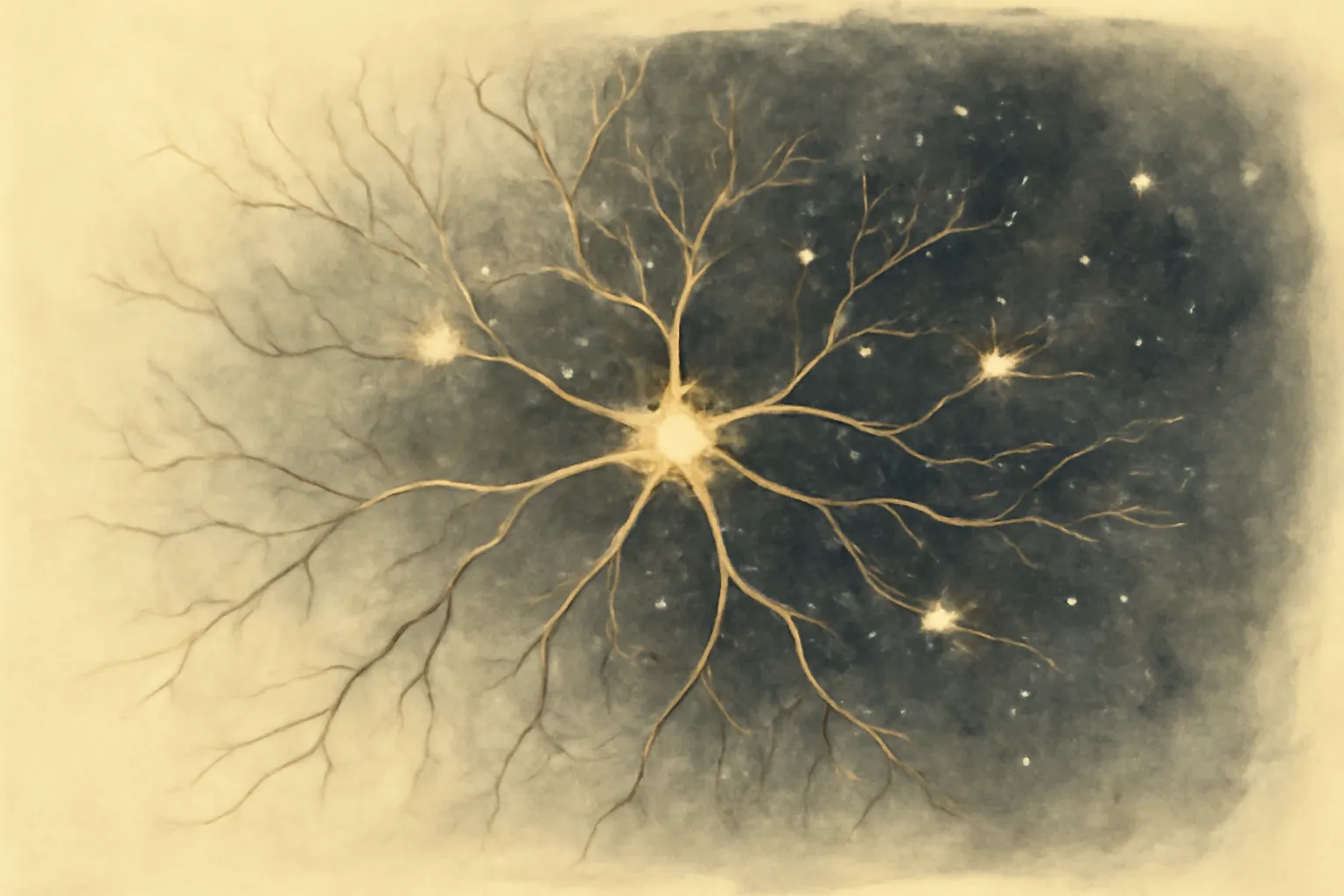
The book underscores just how staggeringly complex the human brain is, with its billions of neurons and trillions of connections. Contributors discuss the daunting challenge of mapping this intricate network, comparing it to decoding the human genome but on an even grander scale. This complexity is not just a technical obstacle—it shapes the very questions scientists can ask and the limits of what current technology can reveal.
2.Technological Frontiers: Tools to Decipher the Mind
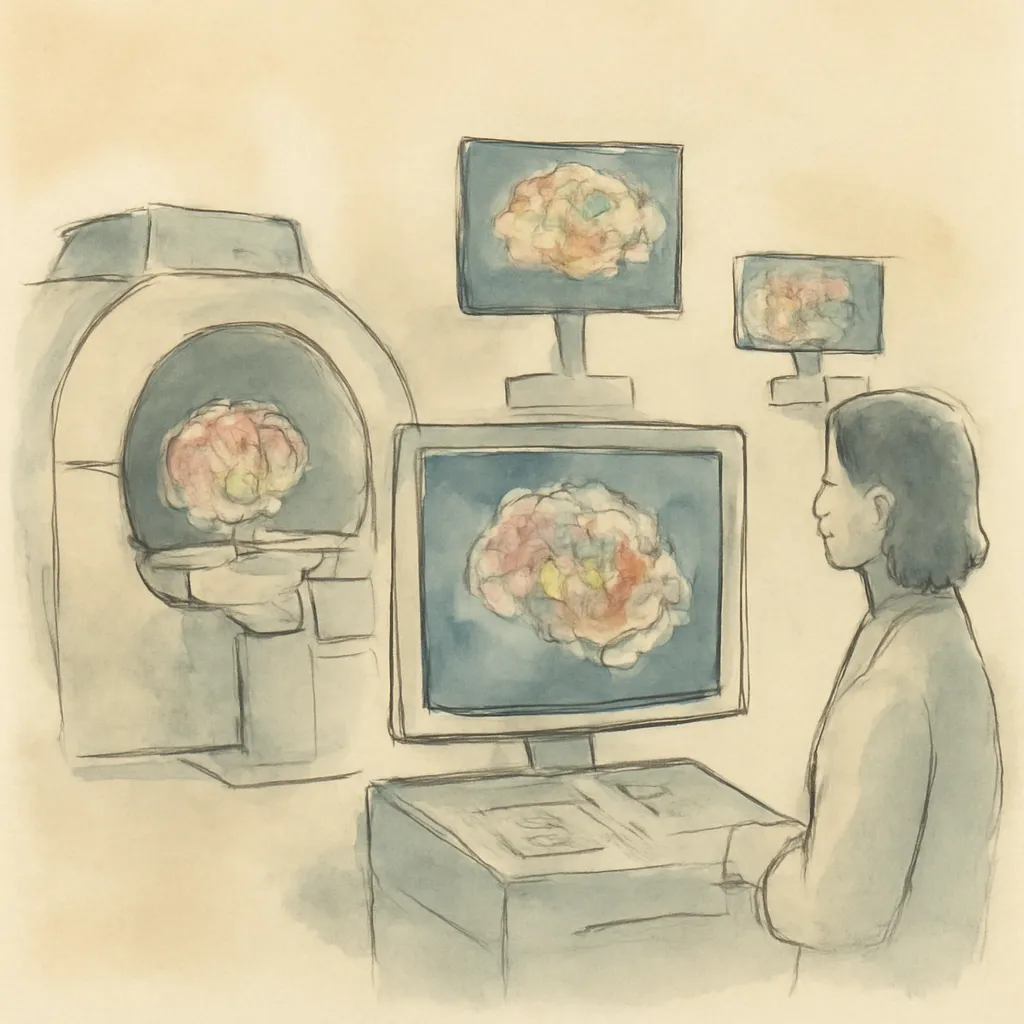
A central theme is the rapid development of new tools—like advanced brain imaging, optogenetics, and large-scale neural recording—that are revolutionizing neuroscience. The essays highlight how these technologies allow scientists to observe and manipulate brain activity with unprecedented precision, opening doors to experiments once thought impossible. Yet, the book also cautions that tools alone won't guarantee understanding; interpretation and theory remain essential.
3.From Brains to Minds: The Challenge of Consciousness
Several essays tackle the philosophical and scientific challenge of consciousness—how subjective experience arises from neural activity. The contributors debate whether mapping every neuron will ever explain the mind, or if consciousness is an emergent property that requires new frameworks. This tension between reductionist and holistic approaches is a recurring motif, reflecting the field’s ongoing debate.
4.Implications for Medicine and Psychiatry
The book explores how advances in brain science could transform medicine, particularly in diagnosing and treating mental illness, neurodegenerative diseases, and brain injuries. Essays examine the promise of personalized medicine based on neural data, but also warn of ethical and practical hurdles. The authors emphasize that while neuroscience offers hope, translating discoveries into effective treatments remains a long-term challenge.
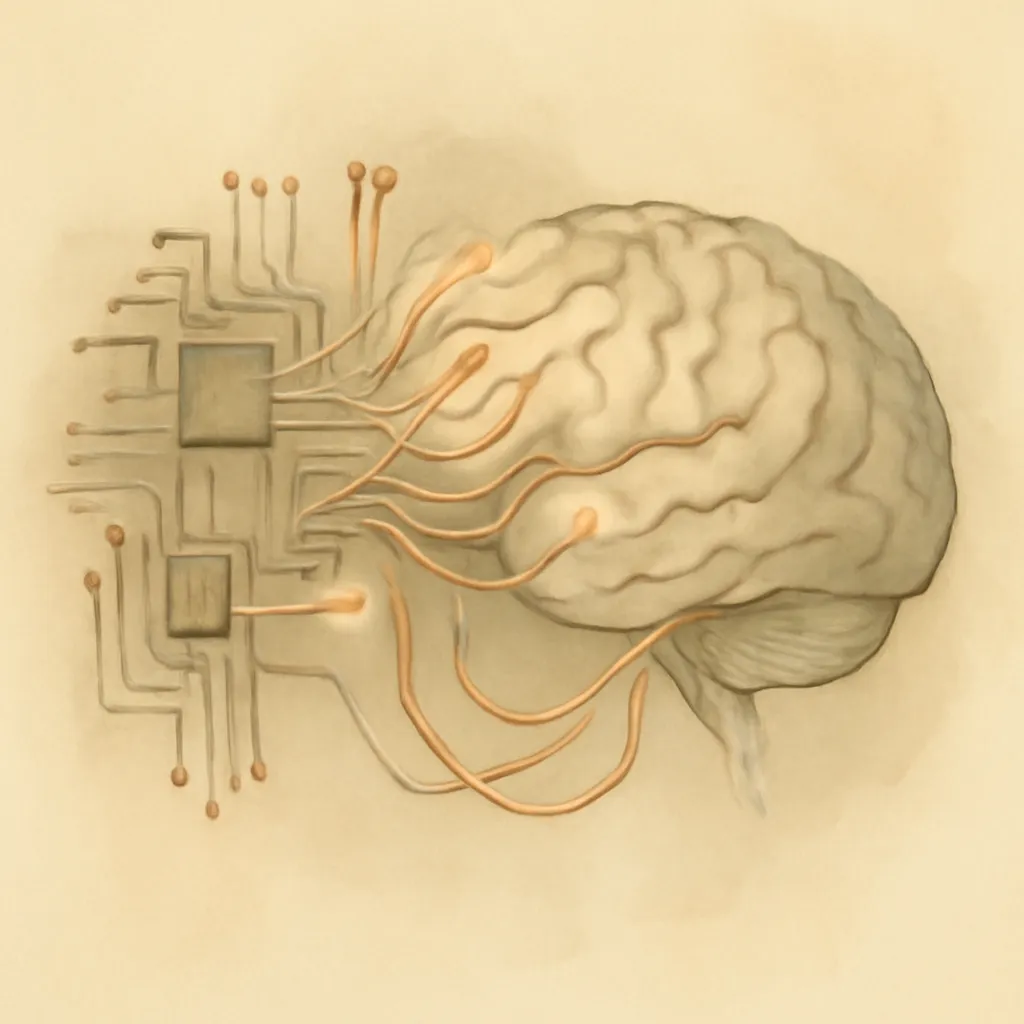
5.The Brain as a Computational System
A recurring idea is the brain as an information-processing machine, inspiring both artificial intelligence and new ways of thinking about cognition. Contributors discuss parallels between neural circuits and computer algorithms, but also highlight the brain’s unique adaptability and complexity. This perspective fuels optimism for brain-inspired technologies, while reminding readers that artificial systems still lag far behind biological intelligence.
6.Collaboration and Open Science
The essays highlight the importance of large-scale, collaborative efforts—such as the BRAIN Initiative and the Human Brain Project—to accelerate progress. The book advocates for open data, shared tools, and interdisciplinary approaches, arguing that only by pooling resources and expertise can neuroscience tackle its biggest questions.