1.The Greatest Upset No One Saw
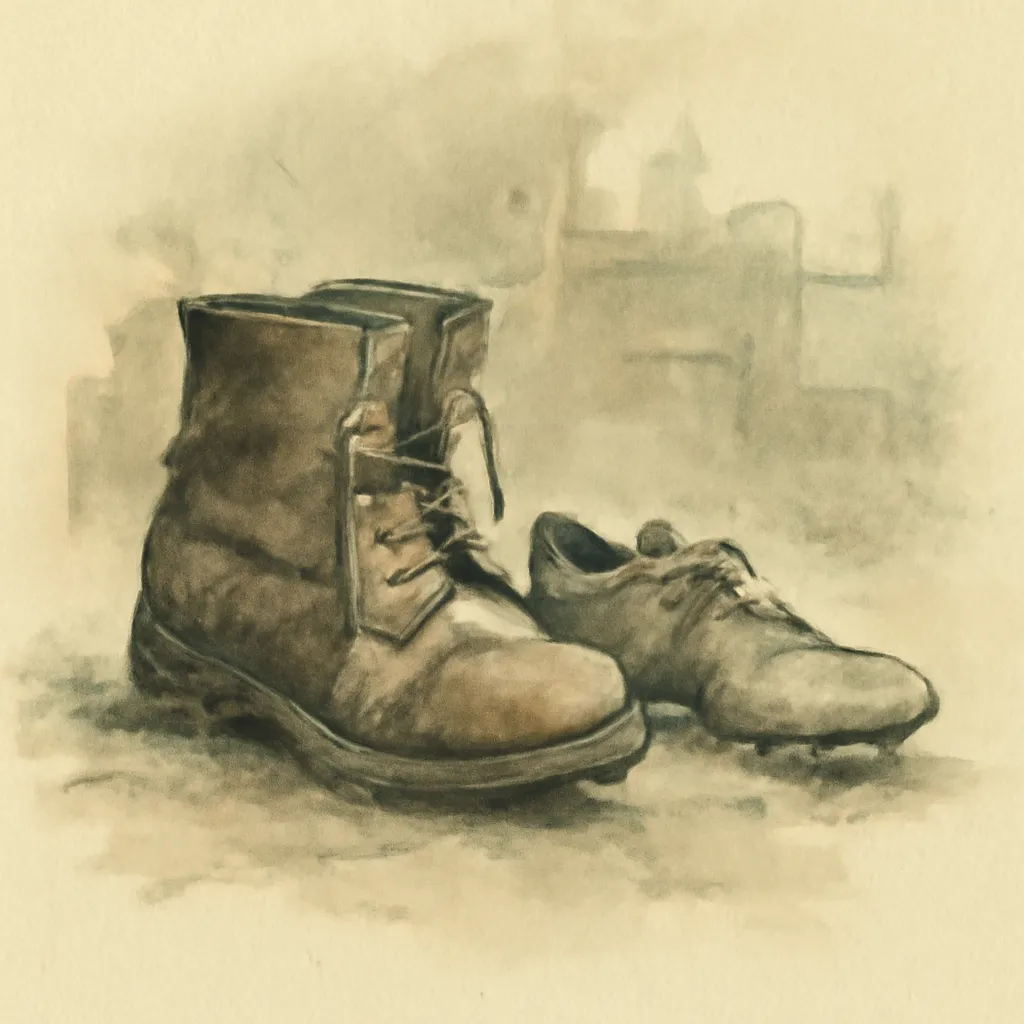
Douglas centers his narrative on the 1950 U.S. soccer team's stunning victory over England—a result so improbable it was dismissed as a reporting error. Yet, in the U.S., the event barely registered. The book explores how this disconnect between achievement and recognition reflects both the marginal status of soccer in American culture and the fleeting nature of sports glory. The match is a lens through which Douglas examines how greatness can pass unnoticed, and how history sometimes overlooks its most remarkable moments.
2.Immigrant Roots and Working-Class Heroes
The team was composed largely of first- and second-generation immigrants, sons of laborers and factory workers. Douglas delves into their backgrounds, revealing how their ethnic communities—Italian, Scottish, Portuguese—fostered a love for soccer in an era when the sport was almost invisible in mainstream America. Their story becomes a celebration of the immigrant experience and a reminder of how American identity has always been shaped by outsiders striving for acceptance and belonging.
3.Unsung Grace and Everyday Heroism
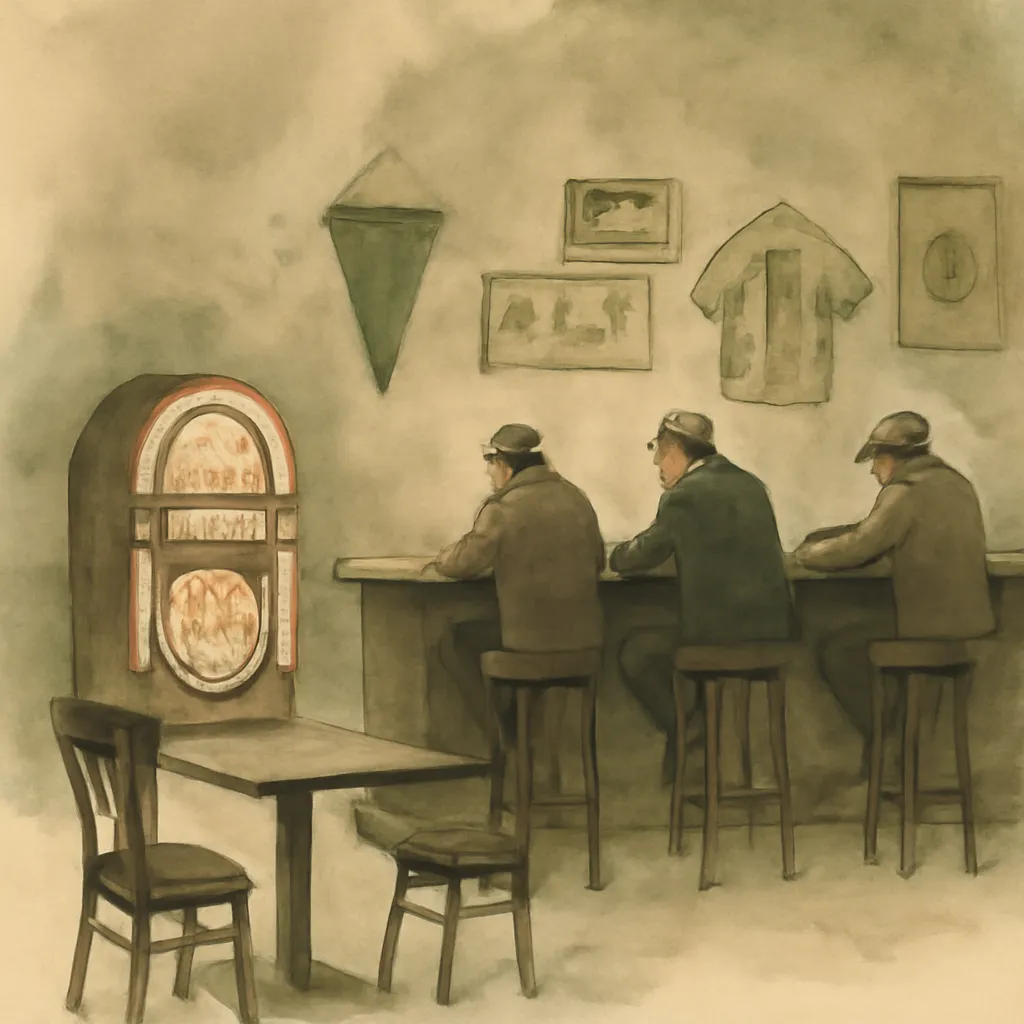
Unlike today's celebrity athletes, these men returned to their jobs in factories and bars after the World Cup, receiving little recognition. Douglas highlights their stoicism, humility, and quiet dignity, contrasting their experience with the modern era's obsession with fame and fortune. The book suggests that true heroism often lies in perseverance and grace under obscurity, rather than in public adulation.
4.A Portrait of Lost Innocence
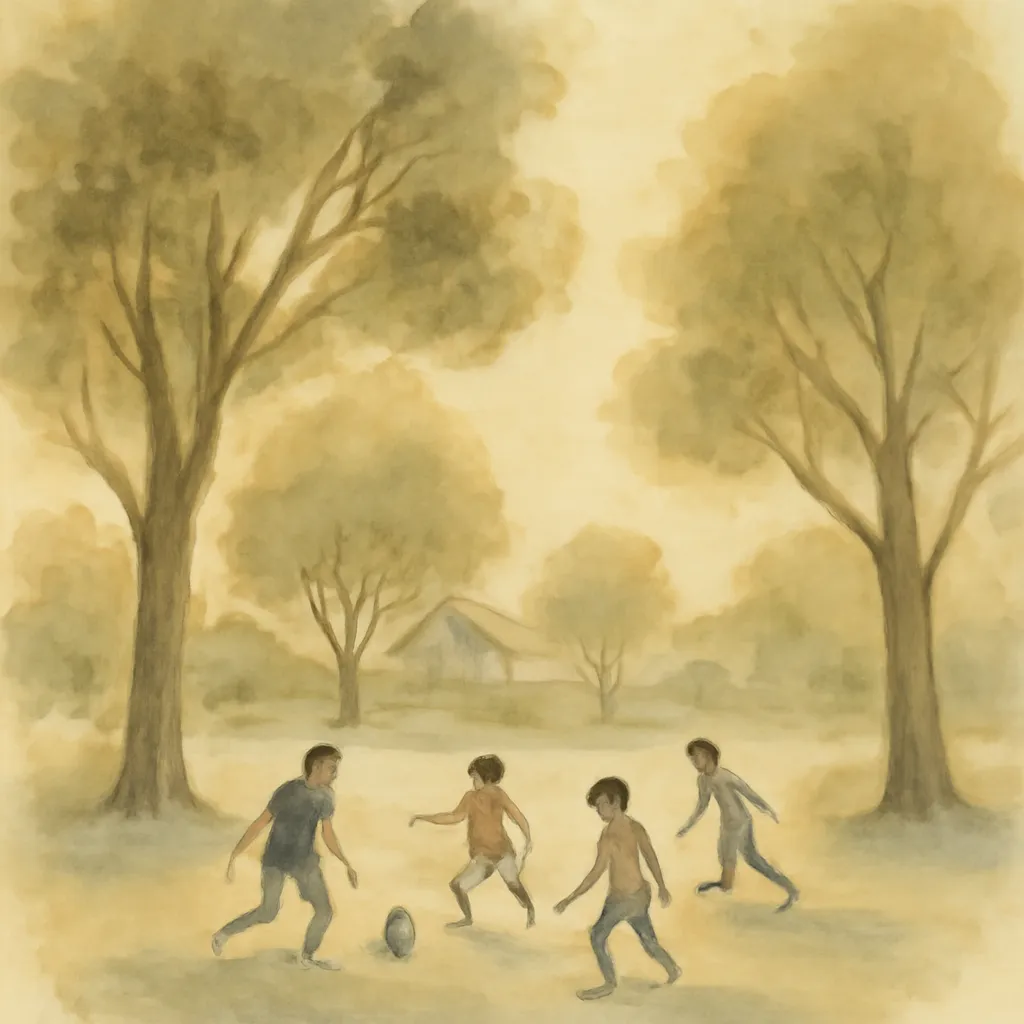
Set in a time before mass media and commercialization, the book evokes an America marked by innocence, community, and simpler pleasures. Douglas uses the team's journey to reflect on what has been lost in the transformation of sports into big business, and how the purity of playing for love of the game has faded. The narrative becomes a meditation on nostalgia and the costs of progress.
5.The Universal Language of Sport
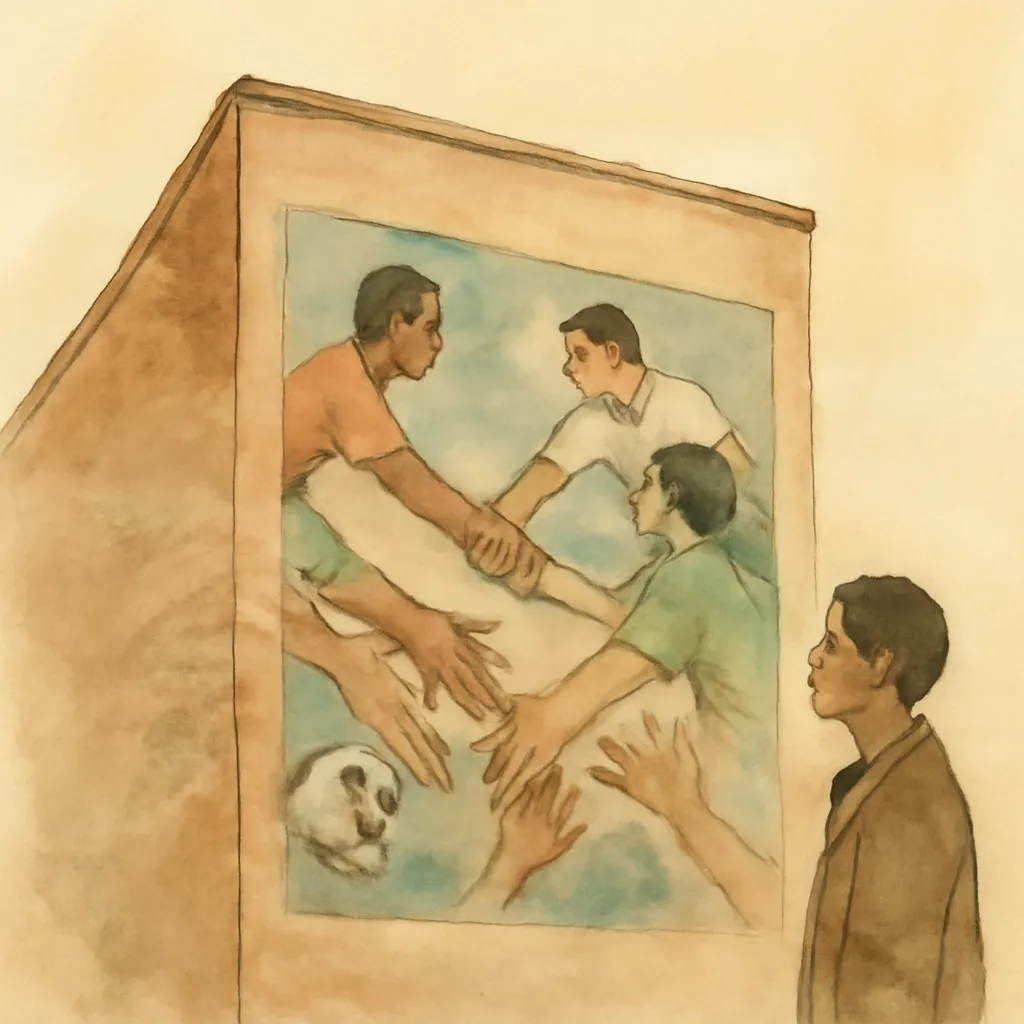
Douglas shows how soccer, though marginalized in the U.S., was a powerful force for connection and meaning among immigrant communities. The sport provided a common language and a sense of pride, both at home and abroad. The team's brief moment of glory in Brazil, celebrated by strangers, underscores how sport can transcend borders and unite people across cultures, even when ignored at home.
6.Memory, Myth, and the Stories We Tell
The book interrogates how history is remembered and mythologized. Douglas reconstructs the match and its aftermath through interviews and archival research, piecing together a story that was almost lost. In doing so, he raises questions about whose achievements are celebrated, how legends are born, and what it means to be remembered.