1.The Infectious Spirit of Youth
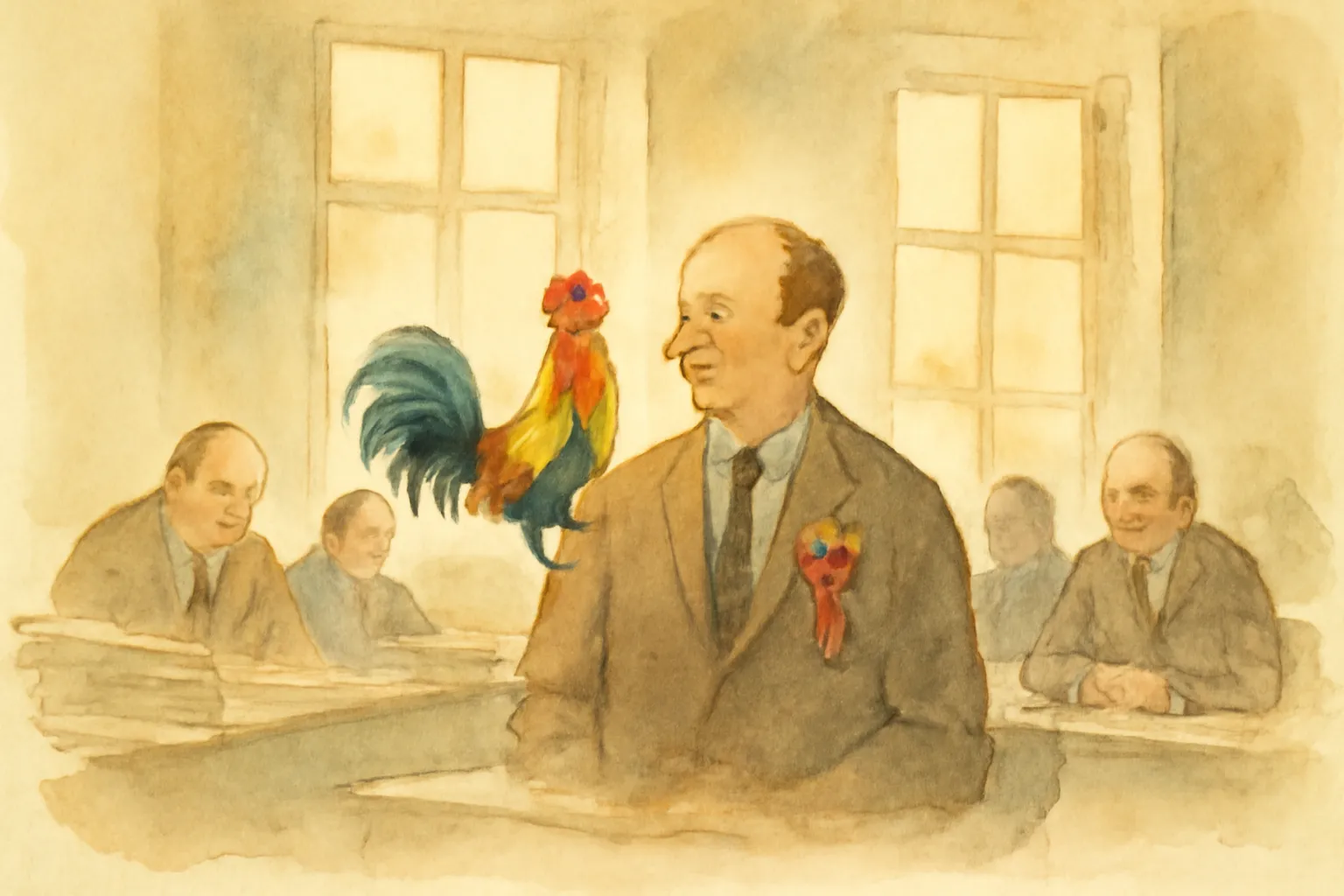
Jimmie Harding embodies the spirit of youthful exuberance, bringing color and vibrancy to the drab lives of his coworkers. His arrival in the office signifies a shift in atmosphere, as tired government employees find renewed energy in his presence. The once monotonous and desiccated environment is infused with Jimmie's infectious enthusiasm, transforming the dynamics among his colleagues. His youthful swagger and romantic ideals act as a catalyst for change, inspiring those around him to reconsider their own lives. The contrast between Jimmie's gallant persona and the monotony of government work highlights the yearning for excitement and adventure that many characters experience. This dynamic illustrates how one person's spirit can uplift an entire community, encouraging them to embrace life rather than merely endure it. Jimmie serves as a reminder of the importance of maintaining a sense of wonder and possibility, even in the face of life's challenges.
2.Love as a Transformative Force

Jimmie's love for a young woman transforms him into a figure of romantic idealism, as he shares tales of her beauty and charm with his coworkers. His infatuation is not just a personal journey; it becomes a shared experience within the office, fostering connections and camaraderie among colleagues. Through his descriptions of the girl he loves, the office becomes alive with imagination, and the mundane tasks of government work are momentarily forgotten. This exploration of love reveals its capacity to inspire creativity and passion, prompting individuals to pursue their dreams. However, this idealized love contrasts sharply with the reality of adult relationships, as seen in Anne Dunbar's marriage. Her longing for romance and connection is stifled by her husband Ridgeley’s materialistic views, revealing the complexities of love as both a source of inspiration and a potential source of disappointment. The story underscores the notion that while love can be uplifting, it can also expose the fractures in our lives and our relationships.
3.The Burden of Societal Expectations
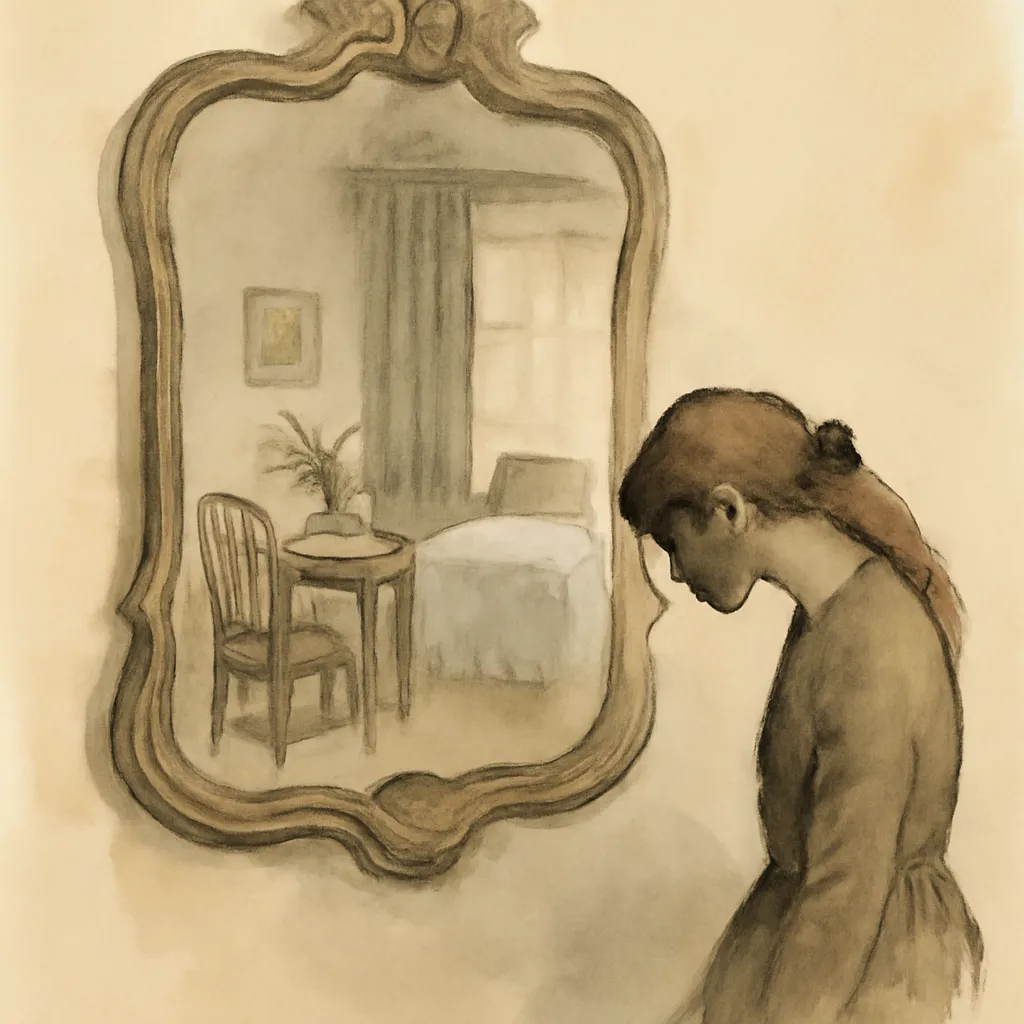
Anne Dunbar's character illustrates the weight of societal expectations and the resulting internal conflict she faces as a woman in early 20th-century America. As the wife of a successful surgeon, she grapples with the disparity between her dreams and her reality, feeling the constraints imposed by society. Ridgeley, her husband, views love pragmatically, focusing on tangible achievements rather than emotional fulfillment. This creates a chasm between them, as Anne yearns for the romance and adventure that Jimmie embodies. The narrative critiques the societal norms that dictate how love and success should manifest, particularly for women. Anne's struggle to assert her desires amidst these expectations highlights the broader theme of individual aspiration versus societal conformity. Her longing for a life filled with excitement and connection serves as a poignant reminder of the sacrifices individuals often make in pursuit of stability and acceptance, drawing attention to the need for personal agency in defining happiness.
4.The Quest for Personal Fulfillment
Throughout the story, characters embark on quests for personal fulfillment that often lead them to confront uncomfortable truths about themselves and their relationships. Christopher Carr's growing affection for Anne reveals his own desires for a deeper connection, challenging the status quo of her marriage. His observations regarding Anne's health and happiness prompt him to take action, illustrating how love can drive individuals to take risks for the sake of another. This quest for fulfillment is not limited to romantic relationships; it extends to the pursuit of passions and dreams. The characters’ journeys underscore the importance of self-discovery and the courage to pursue one’s true desires, even when faced with societal barriers. The narrative invites readers to reflect on their own quests for fulfillment and the sacrifices they are willing to make to achieve their dreams, emphasizing the transformative power of love and ambition.
5.The Intersection of Dreams and Reality
The narrative grapples with the tension between dreams and reality, particularly in the context of Anne's aspirations versus her lived experience. Her dreams of adventure and excitement clash with the mundane reality of her marriage, leading to feelings of confinement and despair. This theme resonates with many readers who have experienced the struggle of reconciling their dreams with the expectations placed upon them by society or family. The contrast between Anne's longing for a vibrant life and her reality serves as a poignant reminder of the sacrifices individuals often make in pursuit of stability. This intersection invites readers to reflect on their own lives and the dreams they may have set aside. Furthermore, it raises questions about the nature of happiness and fulfillment in the face of societal pressures, prompting readers to consider what it means to live authentically.
6.Romantic Idealism versus Cynicism
The story presents a dichotomy between romantic idealism, as embodied by Jimmie, and the cynicism of characters like Ridgeley. Jimmie’s youthful enthusiasm for love and adventure stands in stark contrast to Ridgeley’s pragmatic approach to life and relationships. This tension illustrates the broader societal conflict between those who dream and those who prioritize practicality. Ridgeley's materialistic perspective on love and life serves as a cautionary tale about the dangers of becoming emotionally detached. His view that life is merely about flesh and blood reduces the richness of human experience to mere survival. The narrative invites readers to consider the value of idealism and the potential consequences of allowing cynicism to overshadow the beauty of human connections. By exploring these contrasting perspectives, the story challenges readers to find a balance between ambition and emotional engagement.
7.The Role of Friendship and Community
Friendship and community play crucial roles in shaping the development of the characters and the unfolding of the narrative. Jimmie’s relationships with his coworkers foster a sense of camaraderie that enriches their lives, demonstrating how connections can provide support and encouragement in times of uncertainty. The office becomes a microcosm of society, reflecting the importance of community in navigating personal challenges. Anne’s interactions with Christopher and Jimmie reveal the power of friendship in providing solace and understanding as she grapples with her feelings of isolation. This theme emphasizes the need for human connection in the face of societal pressures, highlighting how friendships can inspire individuals to pursue their dreams. The story suggests that community can serve as both a refuge and a source of strength, empowering individuals to seek fulfillment and authenticity.
8.The Complexity of Gender Roles
The narrative explores the complexities of gender roles, particularly in the context of Anne's marriage to Ridgeley. Anne's struggles to assert her desires and needs reflect the limitations placed on women in her society. The expectations of being a dutiful wife and supporting her husband's career often overshadow her personal aspirations. This dynamic raises questions about the nature of love and partnership, challenging traditional notions of gender roles. As Anne navigates her relationship with Ridgeley, the story critiques the societal norms that confine women to specific roles, encouraging readers to reflect on the evolving nature of gender dynamics in relationships. The portrayal of Anne's internal conflict sheds light on the broader issues of female empowerment and the quest for autonomy in a patriarchal society, inviting readers to consider the importance of self-advocacy and the pursuit of personal happiness.
9.The Power of Choice and Agency
Ultimately, 'The Gay Cockade' emphasizes the power of choice and individual agency in shaping one’s destiny. Characters like Jimmie and Christopher exemplify the courage to pursue their dreams, while Anne's journey reflects the struggle for autonomy within the confines of societal expectations. The narrative suggests that true fulfillment comes from making conscious choices that align with one's values and desires. As characters confront their circumstances, they are faced with pivotal choices that will determine their paths. This theme resonates with readers, encouraging them to reflect on their own choices and the agency they possess in creating their desired futures. The story advocates for a proactive approach to life, reminding readers that while external circumstances may be challenging, the power to shape one’s destiny ultimately lies within.