1.The Evolution of Genetic Understanding
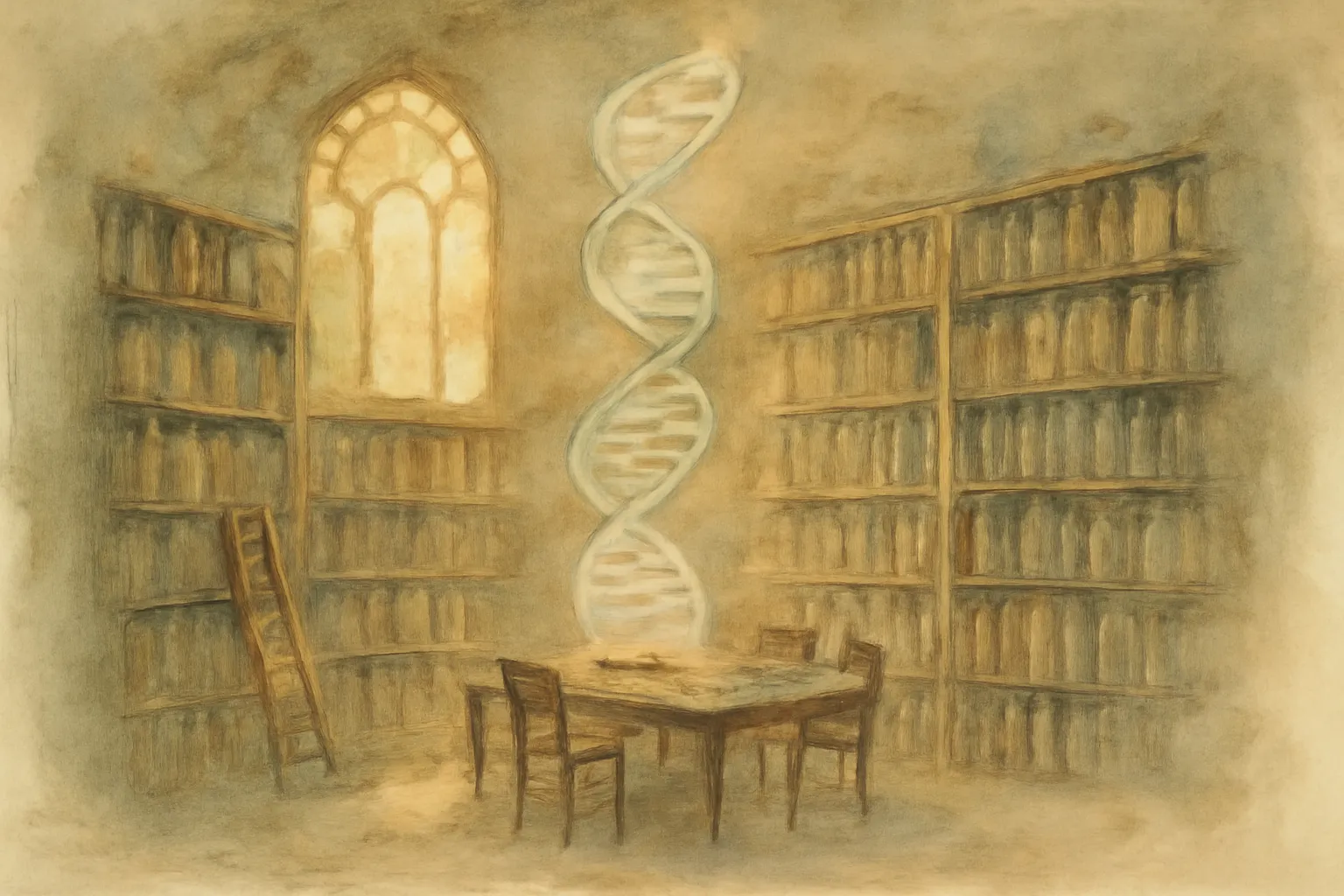
Mukherjee traces the history of genetics from ancient philosophical ideas about inheritance to the modern era of DNA sequencing. He illustrates how our understanding of heredity evolved through landmark discoveries, such as Mendel’s pea experiments, the identification of DNA’s double helix, and the mapping of the human genome. This historical arc reveals not only the cumulative nature of scientific progress but also the social and political forces that shaped genetic research.
2.Genes as Both Blueprint and Possibility
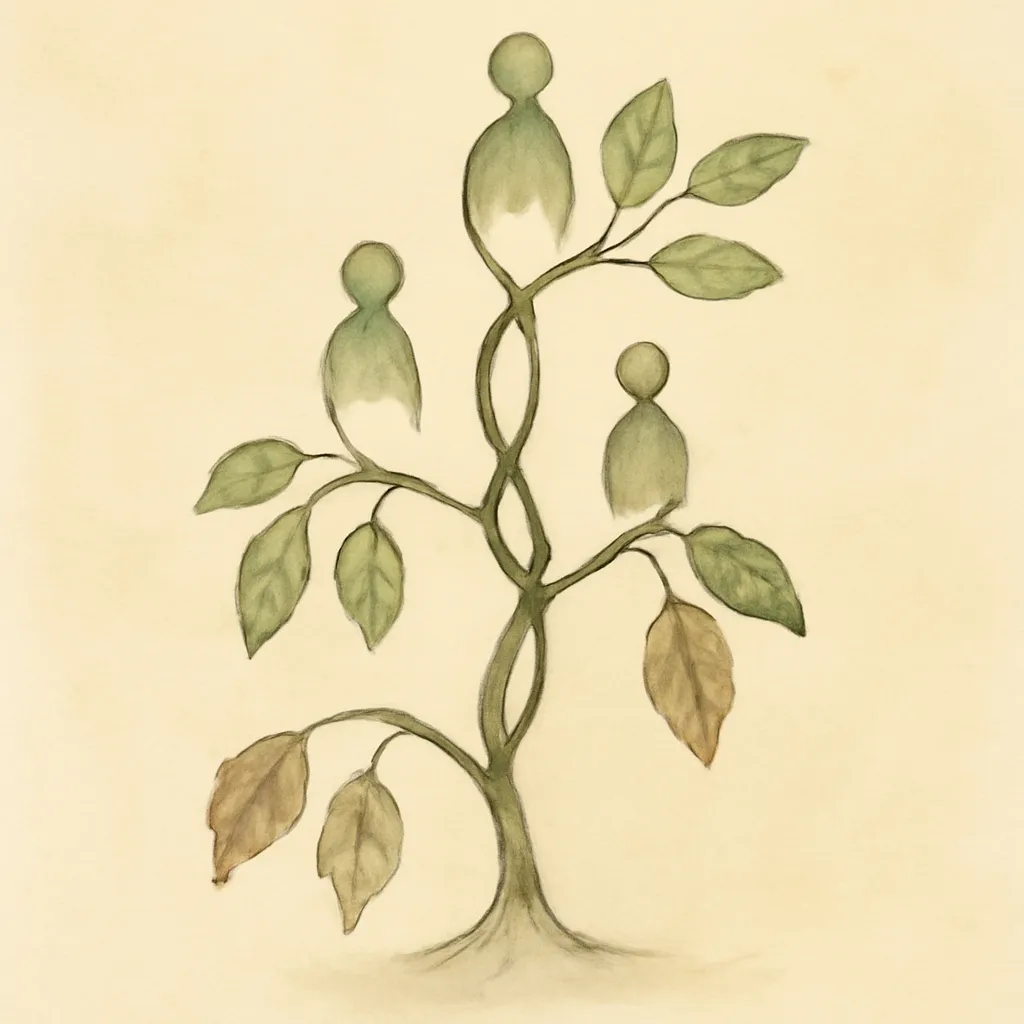
The book explores the dual nature of genes: they are the fundamental instructions for life, yet their expression is influenced by environment, chance, and interaction with other genes. Mukherjee emphasizes that while genes set the stage for traits and diseases, they do not dictate destiny. This nuanced view challenges genetic determinism and invites readers to appreciate the complexity of biological identity.
3.Personal and Familial Stakes of Genetics
Mukherjee interweaves his family’s history of mental illness to personalize the stakes of genetic knowledge. By sharing his own anxieties and hopes regarding hereditary disease, he makes the science intimate and immediate. This narrative approach underscores how genetic information shapes not just public health, but individual lives, choices, and self-understanding.
4.The Perils of Eugenics and Genetic Discrimination
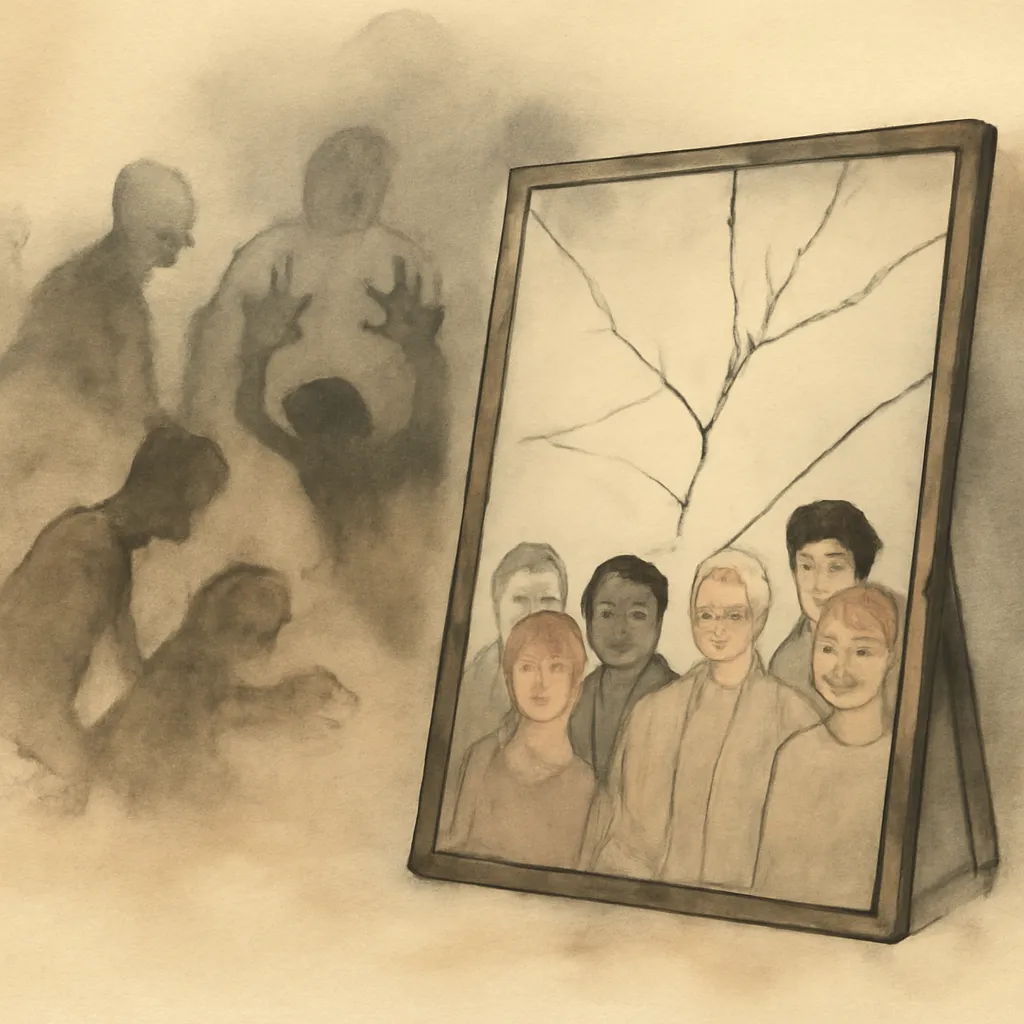
A major theme is the cautionary history of eugenics—the misuse of genetic ideas to justify discrimination, forced sterilization, and genocide. Mukherjee draws on examples from Nazi Germany and early 20th-century America to warn against simplistic or coercive applications of genetics. He argues for vigilance as new technologies like gene editing raise similar ethical dilemmas.
5.The Promises and Dilemmas of Modern Genetic Technology
The book concludes by examining the frontiers of genetics: gene therapy, CRISPR, and personalized medicine. Mukherjee is both optimistic and cautious, highlighting the potential to cure diseases while warning of unforeseen consequences. He calls for a thoughtful, inclusive dialogue about how society should use—and limit—these powerful tools.