1.The Infinite Nature of Existence
The story opens with a profound discussion about the limits of matter and existence. The chemist proposes that just as the universe is infinitely large, so too can the smallest particles of matter be infinitely small. This concept leads him to question the very nature of atoms and the possibility of exploring realms beyond human perception. The chemist's conversation with his peers about the limitations of size sets the stage for his journey into the microscopic world, where he encounters beings that mirror humanity in their complexity and depth. This idea resonates with readers, as it challenges them to consider their own place in the universe and the interconnectedness of all life forms. The analysis of the infinite realms of both the macroscopic and microscopic worlds highlights a central theme of the narrative: that existence is not confined to human understanding, urging readers to expand their minds and embrace the unknown.
2.The Quest for Knowledge
Central to the narrative is the chemist's relentless pursuit of knowledge and understanding. After losing his powerful microscope, he refuses to be deterred and instead embarks on a bold experiment to reduce his size chemically. This act of scientific bravery is not merely an adventure; it represents humanity's insatiable curiosity and desire to explore the unknown. The chemist's journey into the ring not only allows him to witness a new world but also serves as a metaphor for the broader human experience of seeking truth and understanding in a complex universe. His determination highlights the importance of scientific inquiry and the lengths to which individuals will go to unlock the mysteries of existence. Cummings weaves this theme throughout the narrative, emphasizing that knowledge is a double-edged sword that can lead to both enlightenment and peril.
3.Love Across Dimensions
In this new world, the chemist meets Lylda, a beautiful being who captivates him with her grace and charm. Their relationship transcends the limitations of size, showcasing a love that is both profound and innocent. Despite the vast differences in their worlds, the chemist and Lylda connect on a fundamental level, illustrating that love knows no boundaries. Their interactions reflect the universal longing for connection and understanding, emphasizing that emotional bonds can flourish even in the most unlikely circumstances. This theme resonates deeply, reminding readers that love is a powerful force that can bridge gaps and unite individuals across different realities. The chemist's affection for Lylda also serves as a poignant reminder of the human experience, as it encapsulates the struggles, joys, and complexities of love in an ever-changing world.
4.Societal Structures and Governance
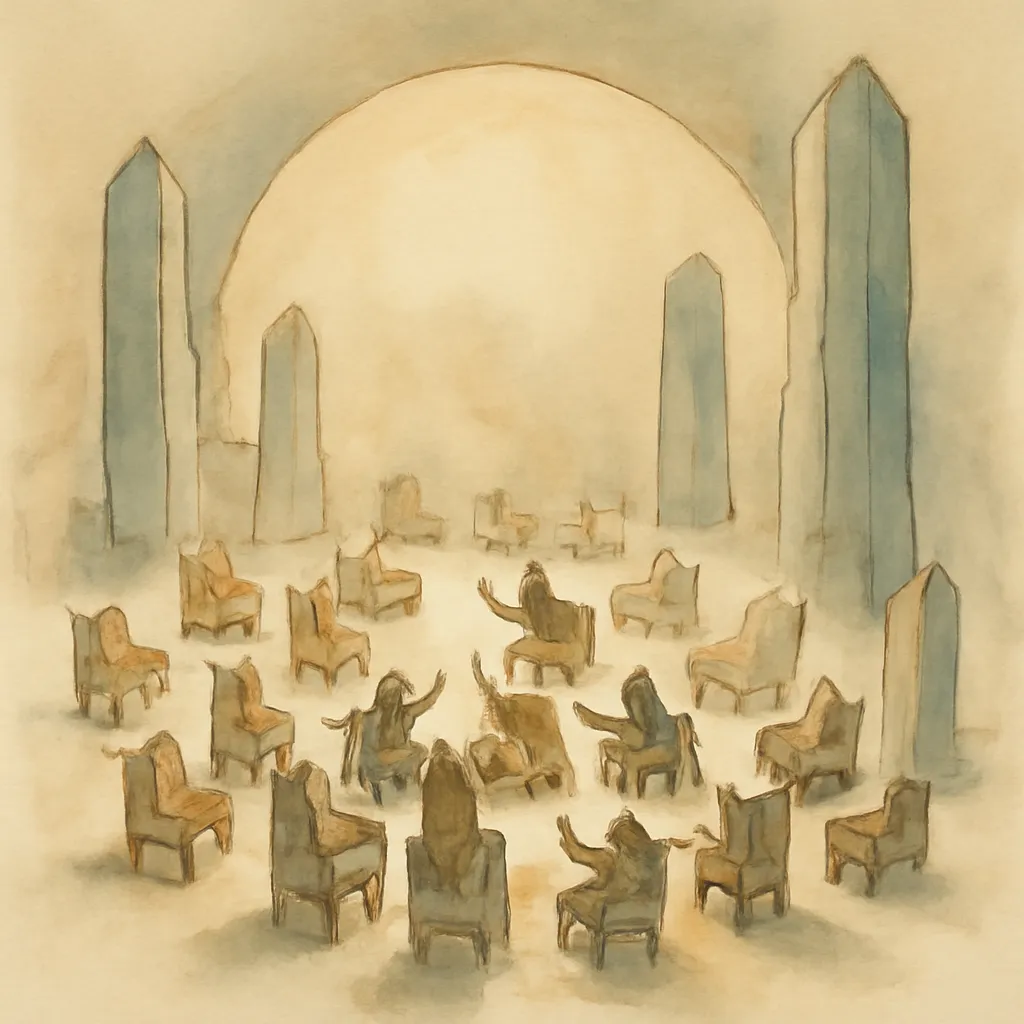
As the chemist navigates this microscopic world, he discovers a complex society with its own governance and social dynamics. The inhabitants of this world, the Oroids, have established a system that includes a king and a council of advisers, blending elements of democracy and monarchy. This portrayal of governance raises questions about power, authority, and the role of individuals within a societal framework. The chemist's observations prompt readers to reflect on their own societal structures and the nature of leadership. Through the lens of this fantastical society, Cummings critiques political systems and explores the responsibilities of those in power, making the narrative relevant to contemporary discussions about governance and civic duty. The depiction of the Oroid society showcases both the strengths and weaknesses of different governance structures, urging readers to consider the complexities inherent in leadership and the potential for corruption.
5.The Nature of Reality and Perception
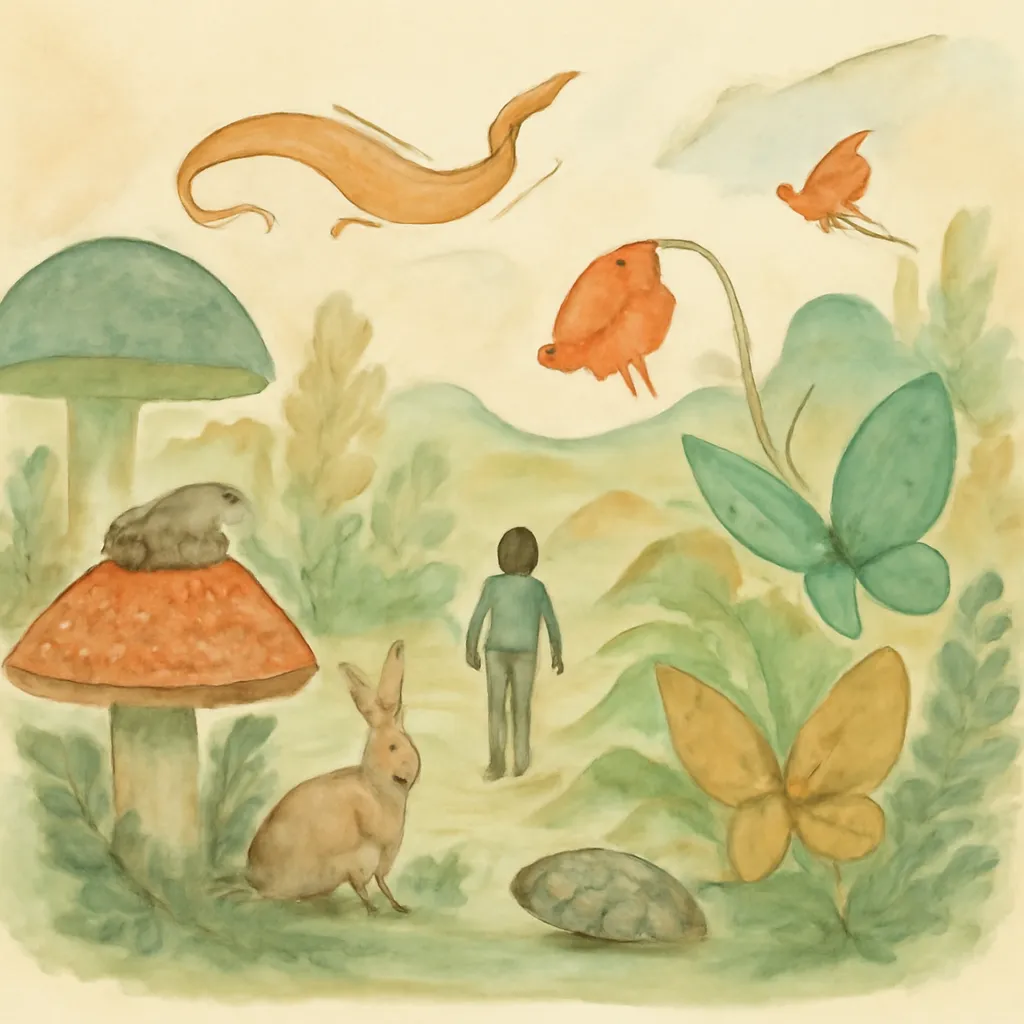
The chemist's shrinking process leads him to experience reality in an entirely new way. As he becomes smaller, his perception of the world changes dramatically, revealing the fluidity of reality. What was once ordinary becomes extraordinary, as everyday objects transform into towering structures. This shift in perspective challenges the reader to consider how perception shapes reality. The narrative suggests that what we deem as 'normal' is often a matter of scale and viewpoint, inviting readers to question their own perceptions of the world around them. Cummings skillfully illustrates that reality is not a fixed state but rather a dynamic interplay of experiences and perspectives. This exploration of perception resonates with philosophical questions about the nature of existence and the ways in which our individual viewpoints influence our understanding of reality.
6.The Dangers of Ambition
While the chemist's journey is driven by curiosity, it also serves as a cautionary tale about the perils of unchecked ambition. His desire to explore the microscopic world comes with significant risks, both to himself and to the inhabitants of that realm. The consequences of his actions raise important ethical questions about scientific exploration and the responsibilities that come with knowledge. Cummings warns of the potential for ambition to lead to unforeseen consequences, urging readers to consider the moral implications of their pursuits. The narrative serves as a reminder that the quest for knowledge must be balanced with ethical considerations, invoking a broader discussion about the role of science in society and the potential dangers of technological advancements unmoored from moral responsibility.
7.The Hero's Journey
The chemist's adventure can be viewed through the lens of the classic hero's journey, where he faces trials, encounters mentors, and ultimately seeks to return home transformed. His initial departure from the familiar world into the unknown symbolizes the universal human experience of growth and self-discovery. Throughout his journey, he faces challenges that test his resolve and character, ultimately leading to personal transformation. This narrative arc not only engages readers but also reinforces the idea that true growth often comes from stepping outside of one's comfort zone. Cummings effectively captures the essence of the hero's journey, making it relatable and inspiring for readers. The challenges faced by the chemist also reflect the internal struggles individuals encounter on their own paths toward self-realization and understanding.
8.Friendship and Loyalty
The bonds formed between the chemist and his fellow explorers highlight the importance of friendship and loyalty throughout the narrative. As they embark on their journey into the ring, the camaraderie among the group provides support and encouragement in the face of uncertainty. Their shared experiences strengthen their connections, illustrating that true friendship can thrive even in the most challenging circumstances. This theme of loyalty becomes especially poignant as the characters face danger and make sacrifices for one another. Cummings emphasizes the value of friendship as a source of strength and resilience, reminding readers that genuine connections enrich our lives and help us navigate the complexities of existence. The portrayal of friendship in the narrative reinforces the idea that collaboration and support are essential for overcoming obstacles and achieving personal growth.
9.The Power of Choice
At several pivotal moments in the story, characters are faced with choices that shape their destinies. The chemist's decision to shrink himself and venture into the unknown is a testament to the power of choice in defining one's path. Similarly, Lylda's choices reflect her agency within her society, as she navigates the expectations placed upon her as a leader. Cummings underscores the idea that choices, both big and small, have far-reaching consequences, urging readers to consider the weight of their own decisions. This theme serves as a reminder that individuals possess the power to shape their own futures through the choices they make, reinforcing the importance of personal responsibility. The narrative illustrates that the act of choosing is a fundamental aspect of the human experience, influencing not only the individual but also the wider community.
10.Exploration and Adventure
The narrative is rich with themes of exploration and adventure, inviting readers to embark on a journey alongside the chemist. As he delves into the microscopic world, he encounters unfamiliar landscapes, creatures, and challenges that ignite a sense of wonder and excitement. Cummings masterfully captures the thrill of discovery, encouraging readers to embrace their own sense of adventure. This theme resonates with the human spirit's innate desire to explore the unknown and seek out new experiences. Through vivid descriptions and imaginative storytelling, the author instills a sense of curiosity that inspires readers to pursue their own explorations, whether they be physical, intellectual, or emotional. The adventure motif serves as a celebration of the human capacity for exploration and the pursuit of knowledge, reinforcing the idea that stepping into the unknown can lead to transformative experiences.