1.The Haunting Power of the Past
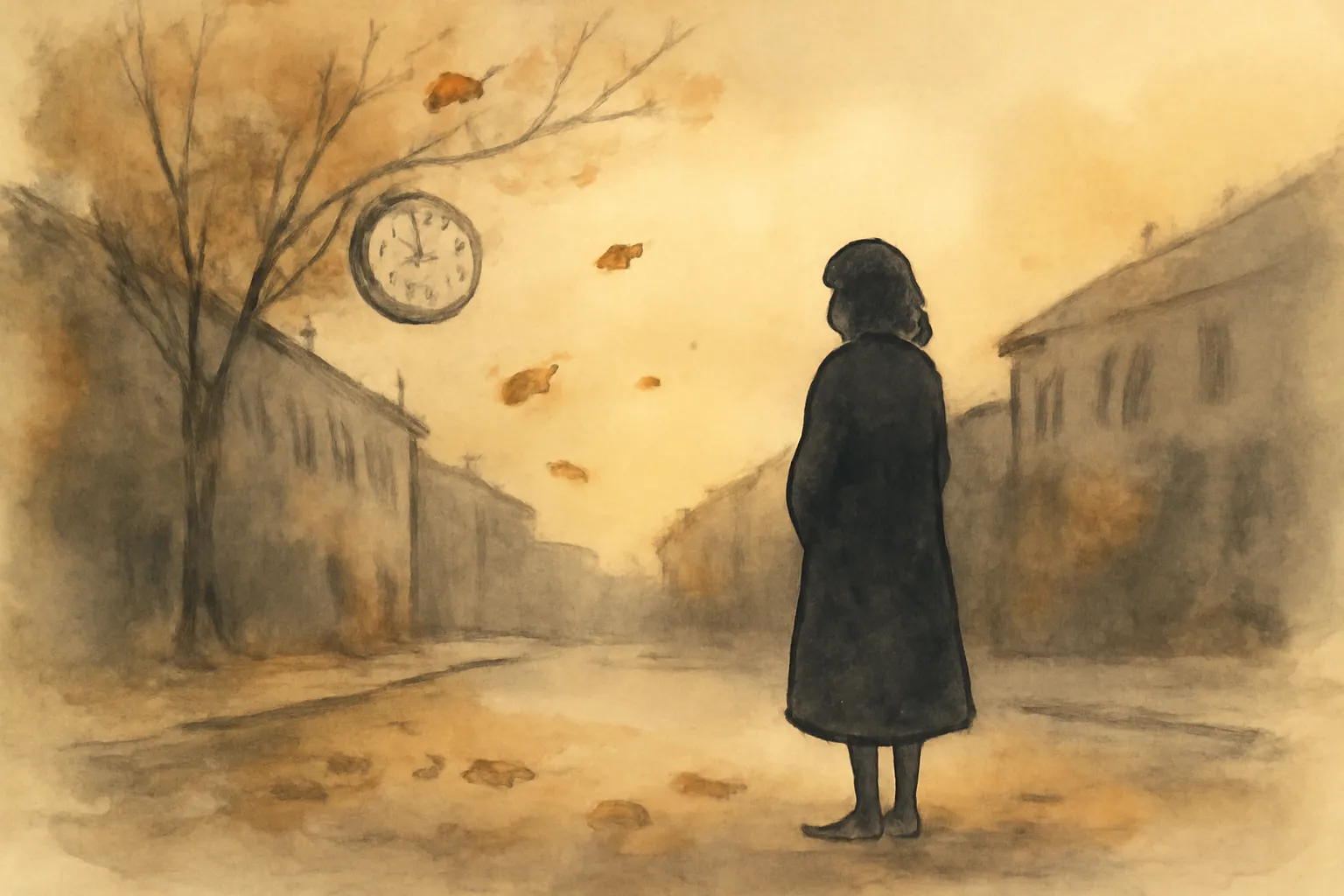
The novel hinges on the idea that the past is never truly gone. George Foss, the protagonist, is haunted by a college romance that ended in tragedy and mystery. When Liana, the enigmatic woman from his past, reappears, George is forced to confront unresolved feelings and unanswered questions. Swanson uses this dynamic to explore how nostalgia and regret can cloud judgment, making us vulnerable to manipulation and self-deception.
2.Trust and Deception
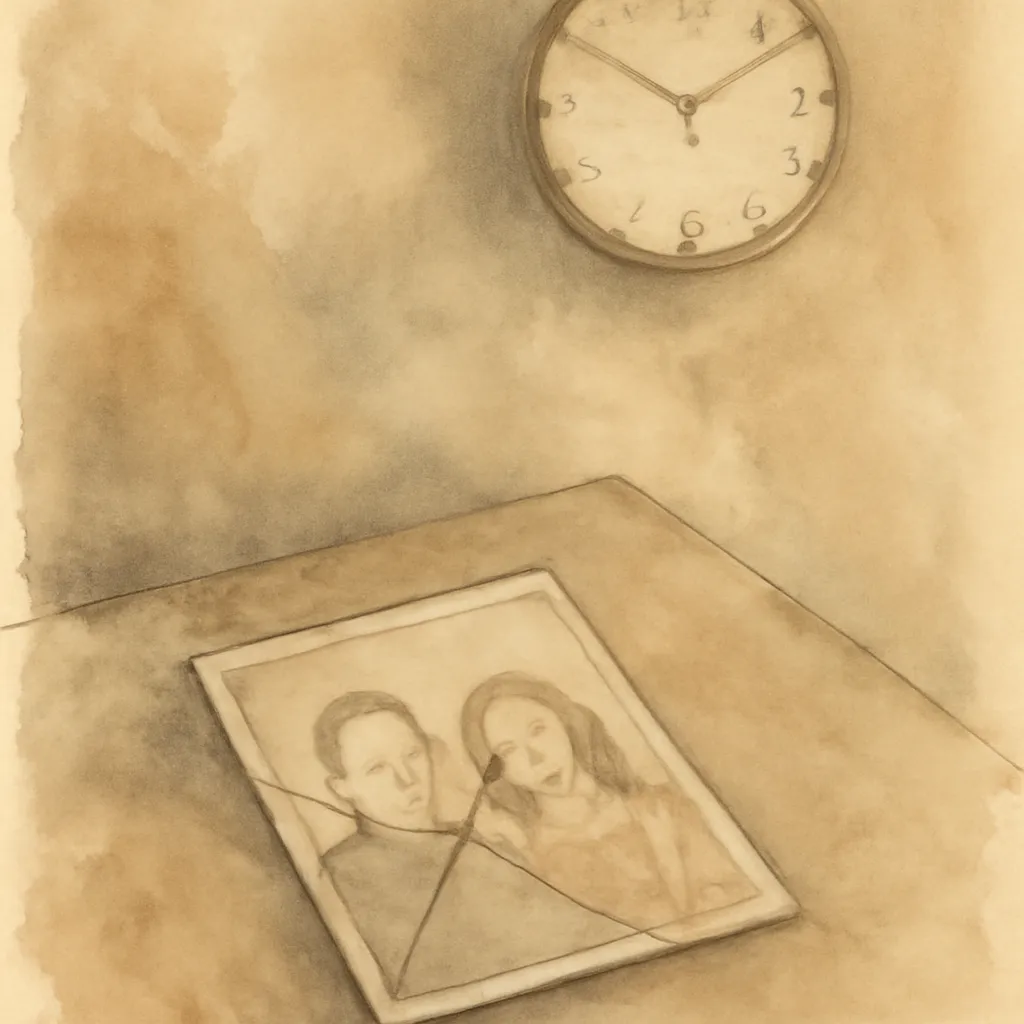
Swanson builds tension through the uncertainty of trust. Liana's motivations are perpetually ambiguous—is she a victim, a manipulator, or both? George's willingness to help her, despite mounting evidence of her duplicity, raises questions about why we trust people who have hurt us. The novel probes the limits of loyalty, the dangers of misplaced faith, and the ease with which truth can be obscured by desire.
3.Ordinary Life Interrupted
George's life is depicted as routine and unremarkable until Liana’s return. The sudden intrusion of danger into his otherwise mundane existence illustrates how quickly stability can unravel. Swanson contrasts the safety of the familiar with the thrill and peril of the unknown, suggesting that the line between the two is thinner than we think.
4.Obsession and Self-Destruction
The story is as much about George’s obsession as it is about Liana’s secrets. His inability to let go of the past leads him into increasingly risky situations. Swanson examines how obsession can override reason, leading individuals to make choices against their own best interests. The novel asks whether we are ever truly free from the people who have shaped us.
5.Identity and Reinvention
Liana’s character is a study in reinvention. Her shifting stories and multiple identities force both George and the reader to question the nature of truth and authenticity. Swanson uses her as a vehicle to explore how identity can be fluid, constructed, and weaponized, especially when survival is at stake.
6.The Unreliable Narrator
Though told in third person, the novel closely follows George’s perspective, making the reader complicit in his uncertainty and confusion. Swanson leverages this limited viewpoint to heighten suspense and ambiguity, reminding us that our perceptions are always incomplete and potentially misleading.