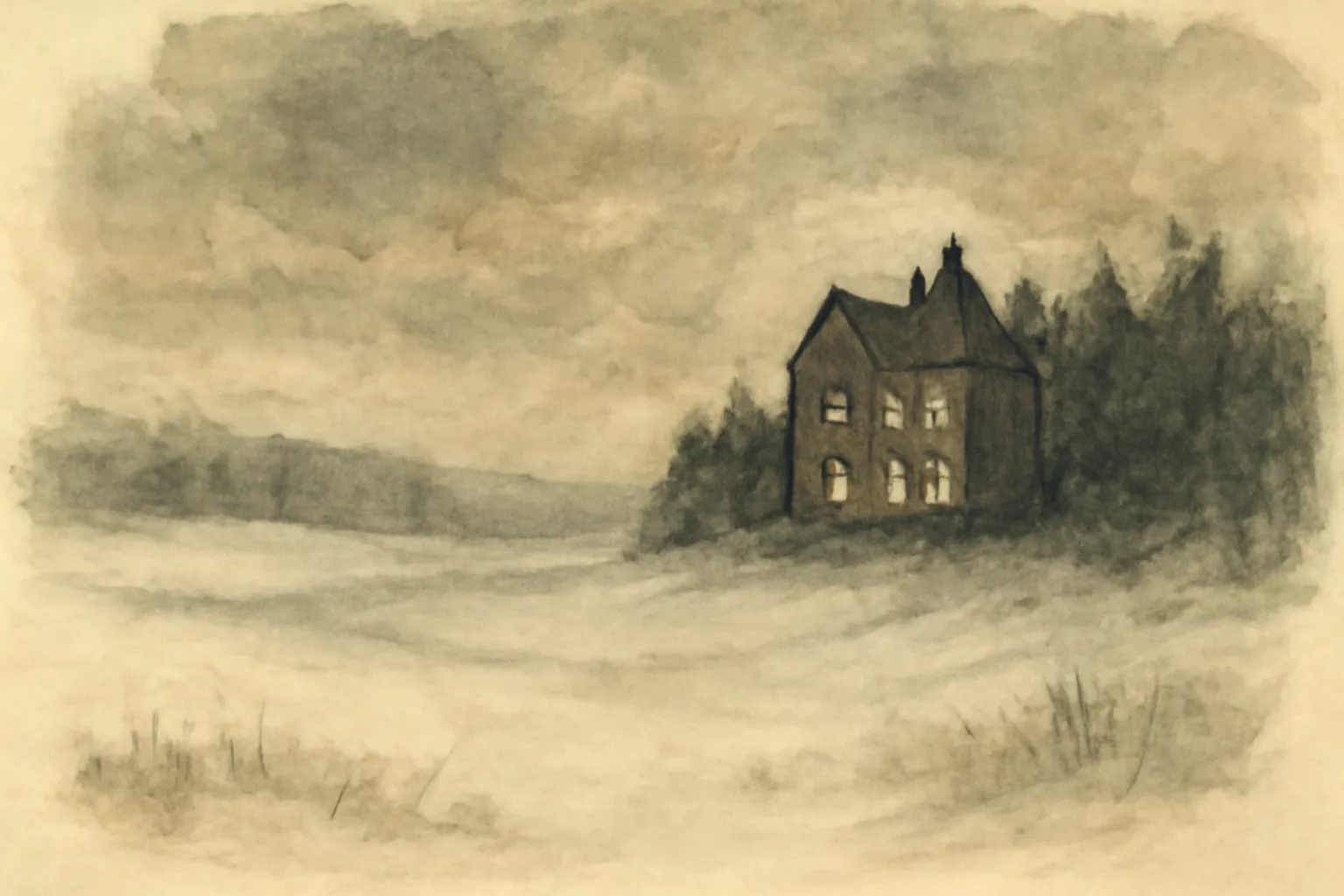
1.A Mystery Rooted in Family and History
At its core, the novel is a classic whodunit: journalist Mikael Blomkvist is hired to solve the decades-old disappearance of Harriet Vanger. But Stieg Larsson elevates the genre by embedding the mystery within the dark, tangled history of the Vanger family, a powerful Swedish dynasty. The investigation peels back layers of family secrets, old resentments, and hidden crimes, reflecting how the past haunts the present and how power can shield wrongdoing for generations.
2.The Unlikely Heroine: Lisbeth Salander
Lisbeth Salander, the eponymous girl with the dragon tattoo, is one of modern fiction’s most distinctive protagonists. Socially isolated, fiercely intelligent, and marked by trauma, Salander subverts expectations of vulnerability and victimhood. Her hacking skills and moral code make her both a formidable investigator and a symbol of resistance against abuse and injustice. Through Salander, the novel interrogates what it means to be an outsider and the costs of survival in a hostile world.
3.Corruption and the Abuse of Power
Larsson’s narrative is a scathing critique of institutional and personal corruption, from corporate fraud to the failures of the legal and social welfare systems. Both Blomkvist’s and Salander’s stories expose how those in power manipulate the truth and exploit the vulnerable. The book suggests that evil often thrives not in the shadows, but in plain sight, protected by wealth, status, and bureaucracy.
4.Violence Against Women as a Central Theme
The original Swedish title translates to 'Men Who Hate Women,' and the novel is unflinching in its depiction of misogyny and sexual violence. Through the experiences of Harriet, Salander, and others, Larsson highlights the prevalence and consequences of gender-based violence. The story is both a thriller and a social commentary, challenging readers to confront uncomfortable truths about the persistence of abuse and the societal structures that enable it.
5.Journalism, Truth, and Justice
Blomkvist’s role as an investigative journalist is not just a plot device—it’s a lens through which Larsson examines the pursuit of truth in the face of powerful interests. The novel explores the ethics of journalism, the risks of exposing corruption, and the personal costs of seeking justice. It raises questions about the responsibilities of the press and the challenges of holding the powerful accountable.
6.The Power of Unlikely Alliances
Blomkvist and Salander are an unconventional team: a middle-aged reporter and a young, antisocial hacker. Their partnership bridges generational, social, and moral divides, demonstrating how collaboration across differences can produce unexpected strengths. Their dynamic is central to the novel’s tension and its ultimate message about the necessity of solidarity in confronting evil.