1.Resilience in the Face of Adversity
Walls’s memoir is a testament to the power of resilience. Despite facing neglect, hunger, and homelessness, Jeannette and her siblings develop a fierce independence and resourcefulness. The narrative shows how children can adapt to extreme circumstances, finding ways to care for themselves and each other when their parents cannot. This resilience is not romanticized; it’s depicted as both a necessity and a burden, shaping Walls’s identity and her eventual escape from her past.
2.The Complexity of Parental Love
The Glass Castle complicates the idea of what it means to be a good parent. Rex and Rose Mary Walls are charismatic, intelligent, and often loving, but their choices—driven by addiction, idealism, and irresponsibility—frequently endanger their children. The memoir refuses to paint them as simple villains or heroes, instead offering a nuanced portrayal of flawed people whose love is real but often damaging. This complexity invites readers to grapple with forgiveness and the limits of empathy.
3.Poverty and the American Dream
Walls’s story exposes the myth of the American Dream by chronicling the grinding poverty her family endures. The book highlights the invisible barriers that keep people trapped in cycles of deprivation, even as they move from town to town seeking a better life. Yet, it also shows how ambition and education can offer a way out—though not without cost. The memoir asks readers to consider how society views and treats the poor, and what it really takes to break free.
4.The Power and Limits of Imagination
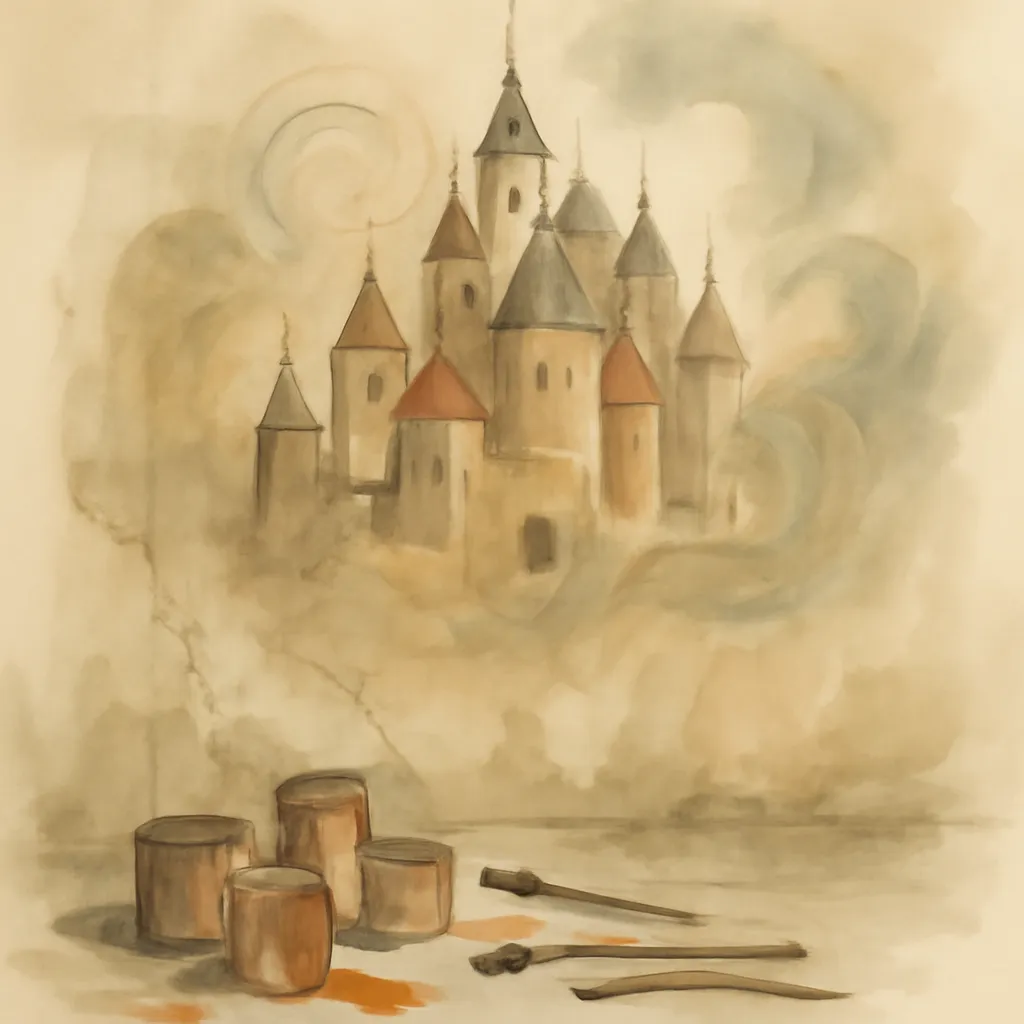
Throughout her childhood, Jeannette’s parents use imagination as both refuge and escape. Rex’s fantastical plans, like building the titular ‘Glass Castle,’ and Rose Mary’s artistic dreams, offer hope but also serve as distractions from harsh realities. Imagination becomes a double-edged sword: it fuels survival and optimism, but also enables denial and neglect. The memoir explores how dreams can sustain us—and how, unchecked, they can keep us from facing the truth.
5.The Journey to Self-Reliance
A core theme is Jeannette’s gradual journey toward self-reliance. As she matures, she begins to question her parents’ choices and take control of her own destiny, ultimately leaving home to build a stable life. This journey is fraught with guilt and loyalty, but it underscores the importance of agency in breaking cycles of dysfunction. The memoir’s arc is one of self-discovery, showing how Walls learns to value herself and create her own definition of family and success.
6.Memory, Shame, and Storytelling
Walls’s act of writing her memoir is itself an act of reclaiming her story. She confronts the shame and secrecy that once defined her relationship to her past, transforming painful memories into a narrative of survival. The book explores how storytelling can be a form of healing, allowing both writer and reader to find meaning in suffering and to see dignity in unlikely places.