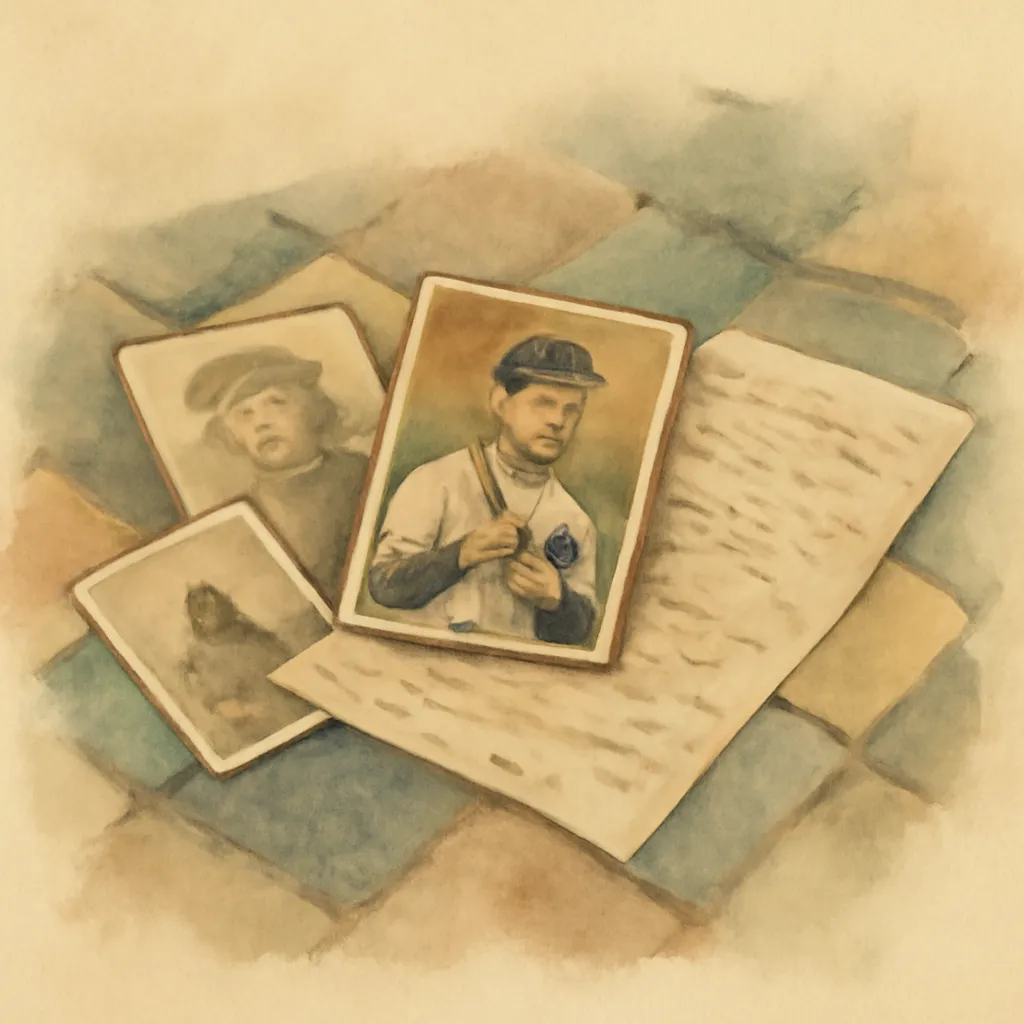
1.Oral History as Time Machine
Lawrence Ritter’s approach is unique: rather than writing a traditional narrative history, he traveled the country to record interviews with surviving players from baseball’s early era. Their recollections, presented in their own voices, give the book an immediacy and authenticity that no secondhand account could match. This method not only preserves the facts but captures the personalities, humor, and emotions of men who played the game when it was still raw and evolving.
2.Baseball’s Evolution and Mythmaking
The book traces baseball’s transformation from a rough, regional pastime to a national obsession. The players’ stories reveal how rules, equipment, and attitudes changed over time, often in unpredictable ways. At the same time, their memories are colored by nostalgia and myth, showing how legends are born and how the past is remembered through a golden lens.
3.Humanizing the Heroes
Rather than presenting early baseball stars as distant legends, Ritter’s interviews make them relatable and human. The players talk about their struggles, mistakes, and joys, offering a candid look at the realities of life as an athlete in an era before fame and fortune. Their humility, humor, and resilience shine through, making the book as much about character as about sport.
4.The Power of Memory and Storytelling
The Glory of Their Times is as much about memory as it is about baseball. The stories are shaped by decades of reflection, sometimes blurring fact and embellishment. Ritter allows these voices to stand on their own, reminding readers that history is not only what happened, but how it is remembered and retold.
5.Cultural and Social Context
The players’ recollections provide a window into American society from the late 19th to early 20th centuries. Issues of race, class, and regional identity surface in their anecdotes, showing how baseball both reflected and influenced broader cultural changes. The book subtly documents how the sport became entwined with the American identity.
6.Nostalgia and the Loss of Innocence
A recurring theme is the sense of loss as baseball becomes more commercialized and less personal. The players often express longing for a simpler, purer game, even as they acknowledge progress. This tension between nostalgia and change gives the book its emotional resonance and universal appeal.