1.Power and Its Price
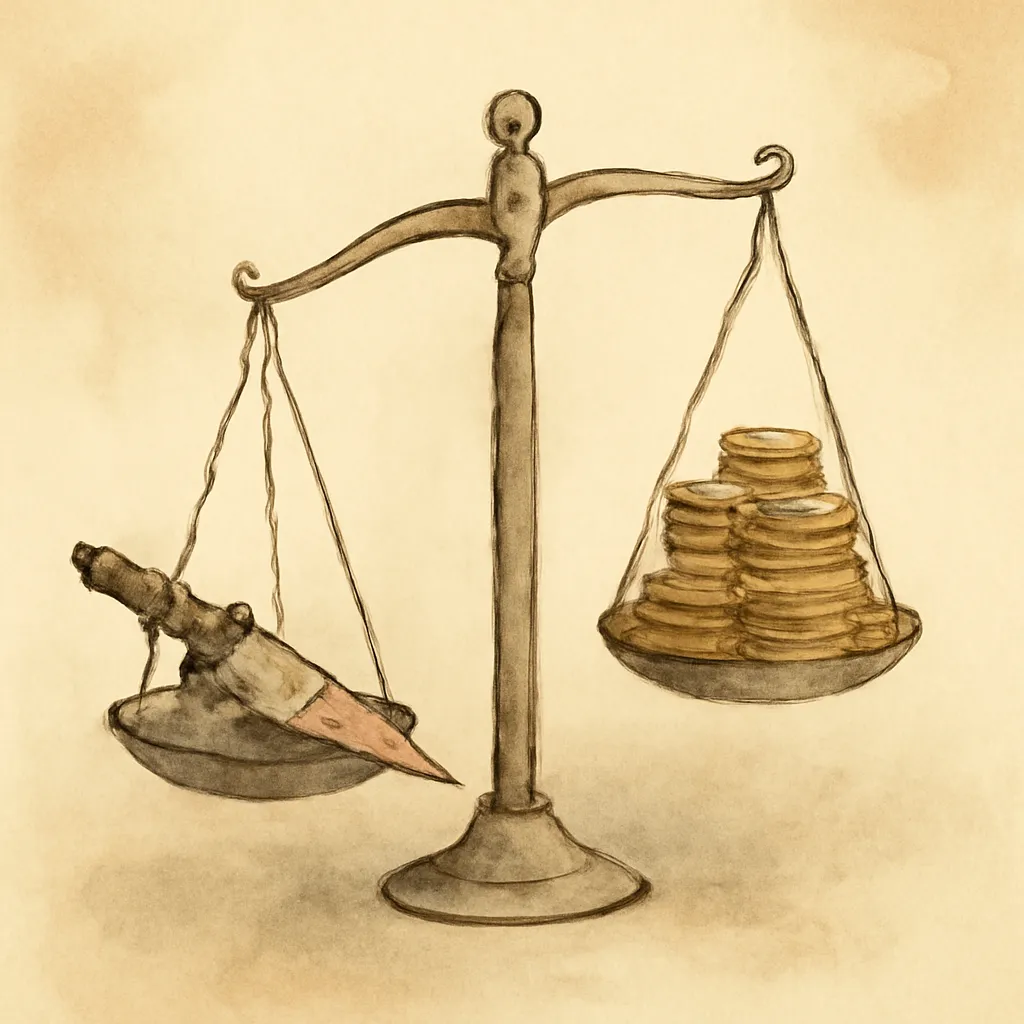
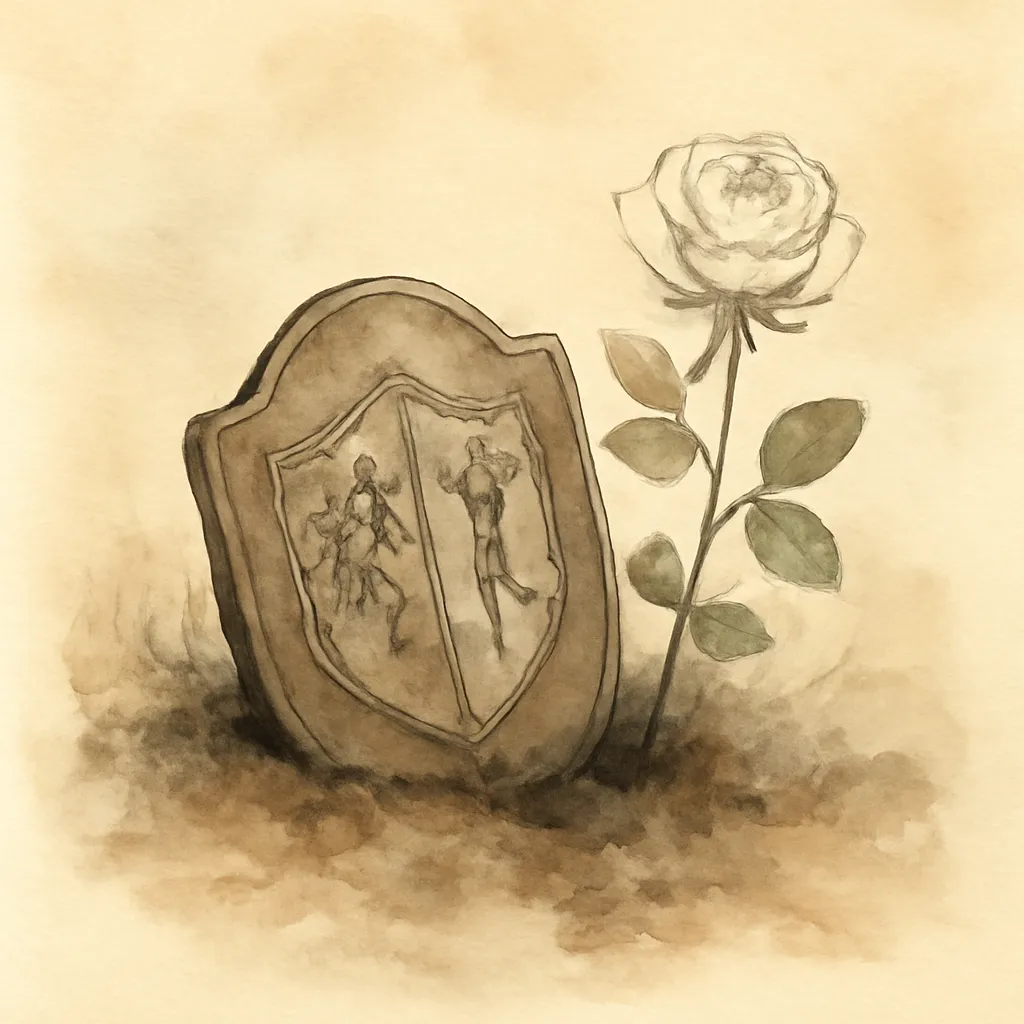
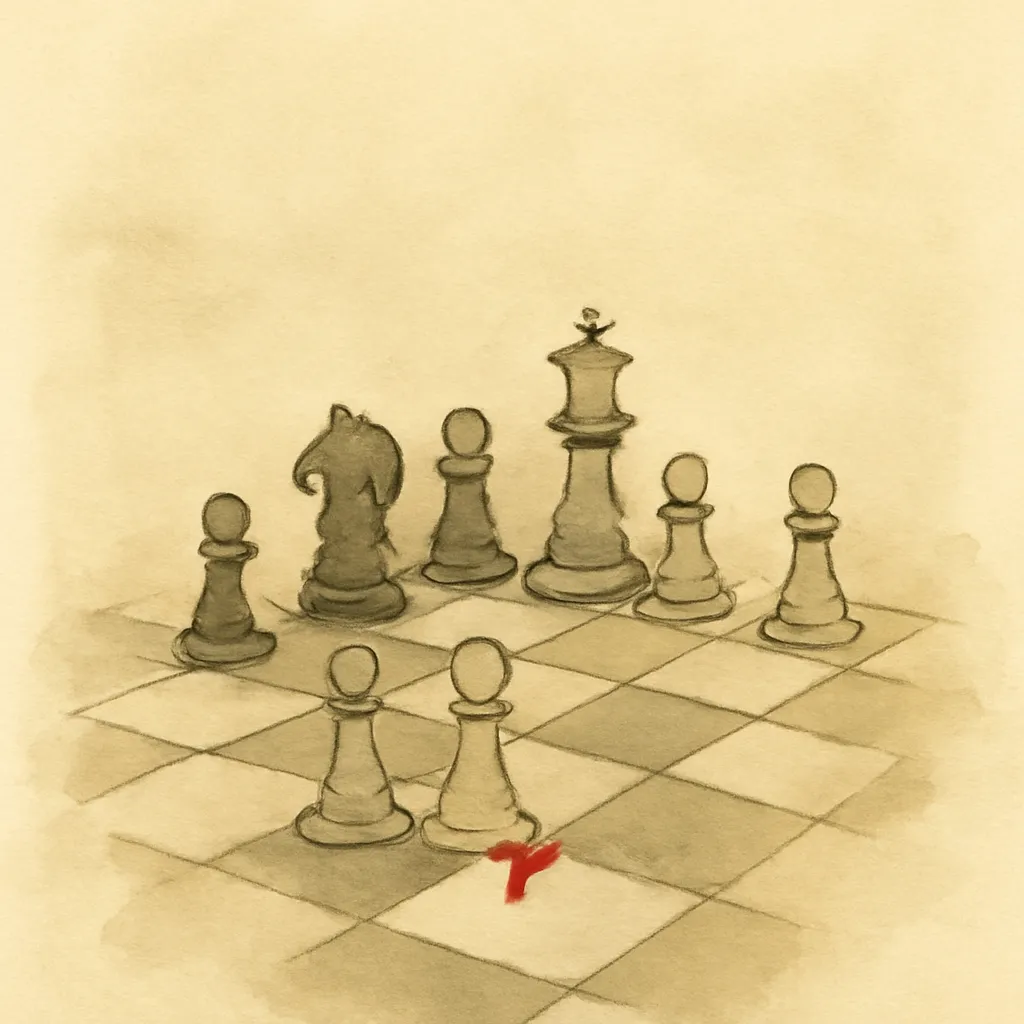
The Godfather explores the nature of power—how it is acquired, wielded, and protected. Vito Corleone’s rise from immigrant poverty to Mafia don is marked by strategic violence, negotiation, and the careful cultivation of loyalty. Yet, every act of power comes with a price: isolation, paranoia, and the perpetual threat of betrayal. The novel asks readers to consider what people are willing to sacrifice to gain and keep power, and whether the ends ever truly justify the means.
2.Family Versus Business
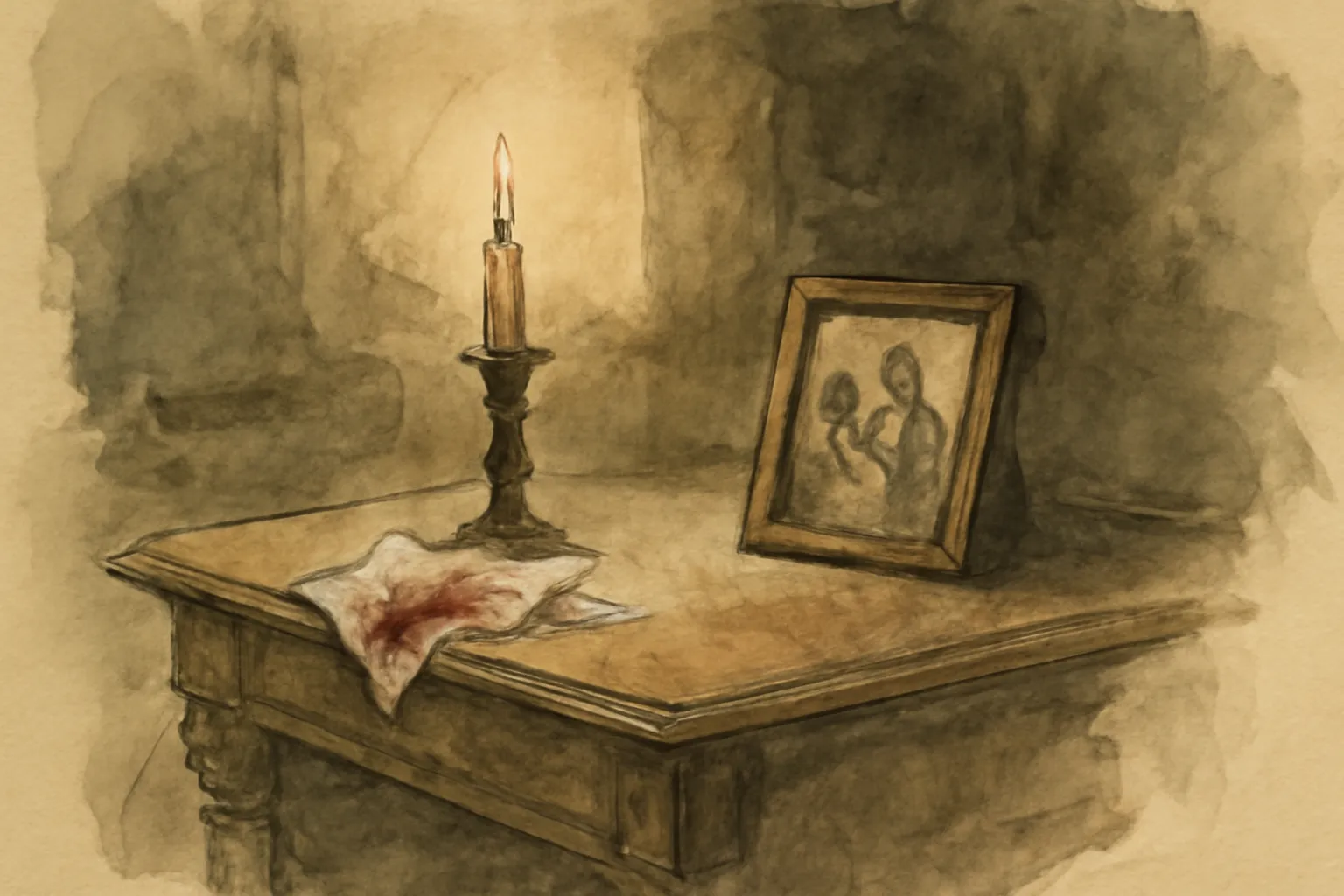
At its core, The Godfather is a family drama. The Corleones’ criminal enterprise is justified, in their eyes, as a way to protect and provide for their own. But the boundaries between family and business blur, leading to heartbreaking choices and betrayals. Michael Corleone’s transformation from reluctant outsider to ruthless leader illustrates how the demands of the 'family business' can warp personal values and relationships.
3.The American Dream’s Dark Side
Puzo’s novel is a critique of the American dream, exposing how ambition and the pursuit of success can lead to moral compromise. The Corleones embody both the promise and the perversion of upward mobility—using illegal means to achieve security and respect denied to them as immigrants. The story forces readers to question the legitimacy of 'success' in a society where the rules are often bent or broken.
4.Loyalty, Betrayal, and Honor
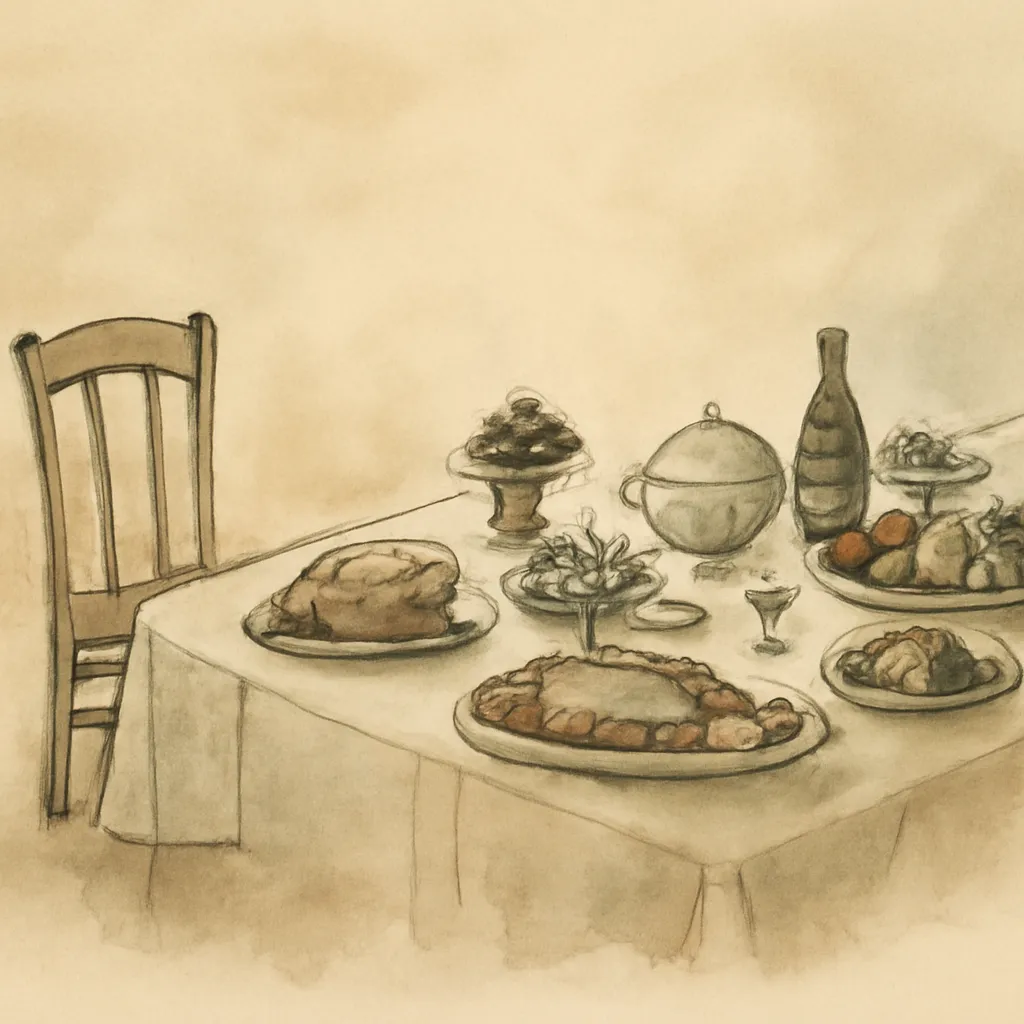
Loyalty is the currency of the Corleone world, but it is constantly tested by ambition, fear, and shifting alliances. The code of honor that governs Mafia life is both rigid and selective, leading to acts of mercy as well as brutal retribution. The novel explores the paradox of a criminal underworld that operates according to its own moral code, sometimes more binding than the law itself.
5.Transformation and Identity
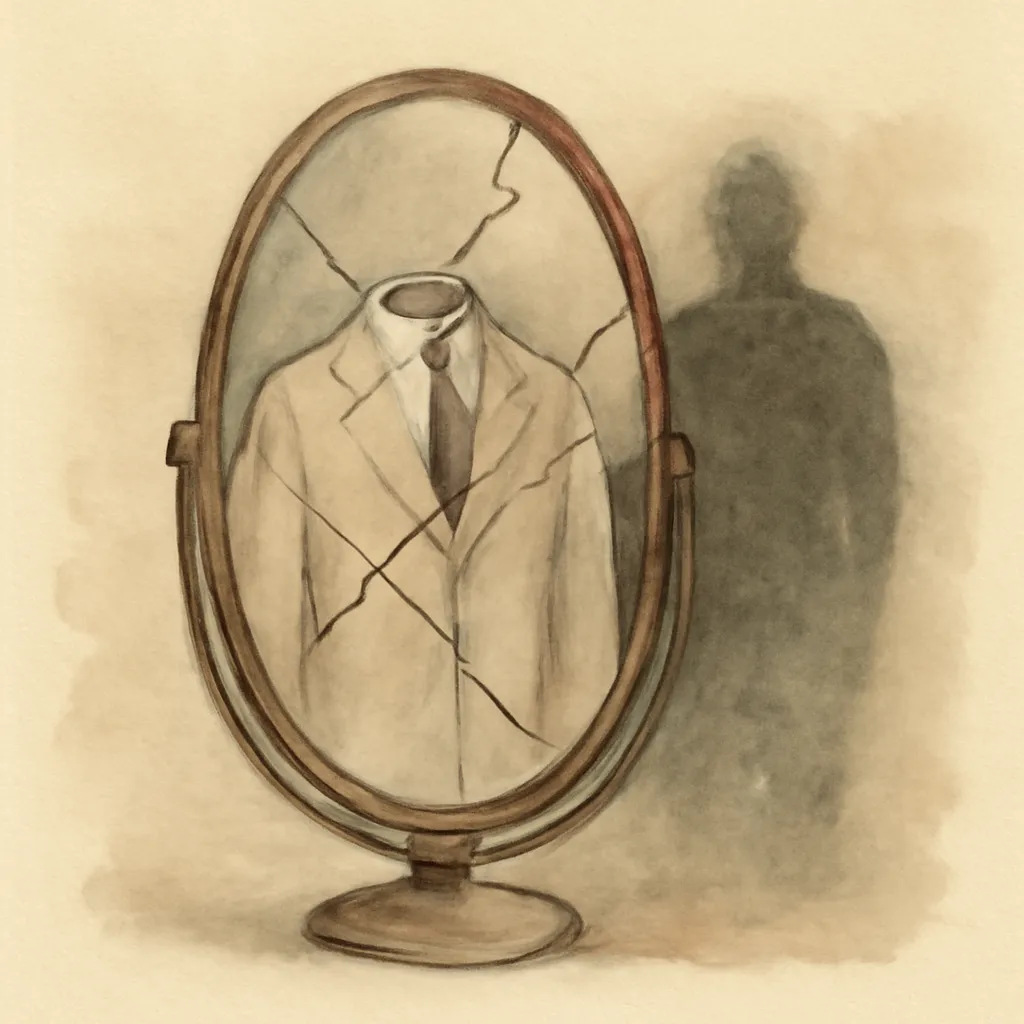
The Godfather is a story of transformation, most notably seen in Michael Corleone. Initially determined to distance himself from his family's criminal life, Michael is gradually drawn in by circumstance and necessity. His evolution raises questions about fate, free will, and the ways in which environment and family shape identity. The novel suggests that no one is immune to the pull of legacy and the demands of survival.
6.Violence as Language and Legacy
Violence in The Godfather is not random but calculated—a tool for communication, negotiation, and control. The novel depicts violence as both destructive and creative, shaping destinies and enforcing order in a lawless world. This raises uncomfortable questions about the role of violence in society and the ways it is rationalized by those in power.