1.The Journey Begins: A Lost Trail
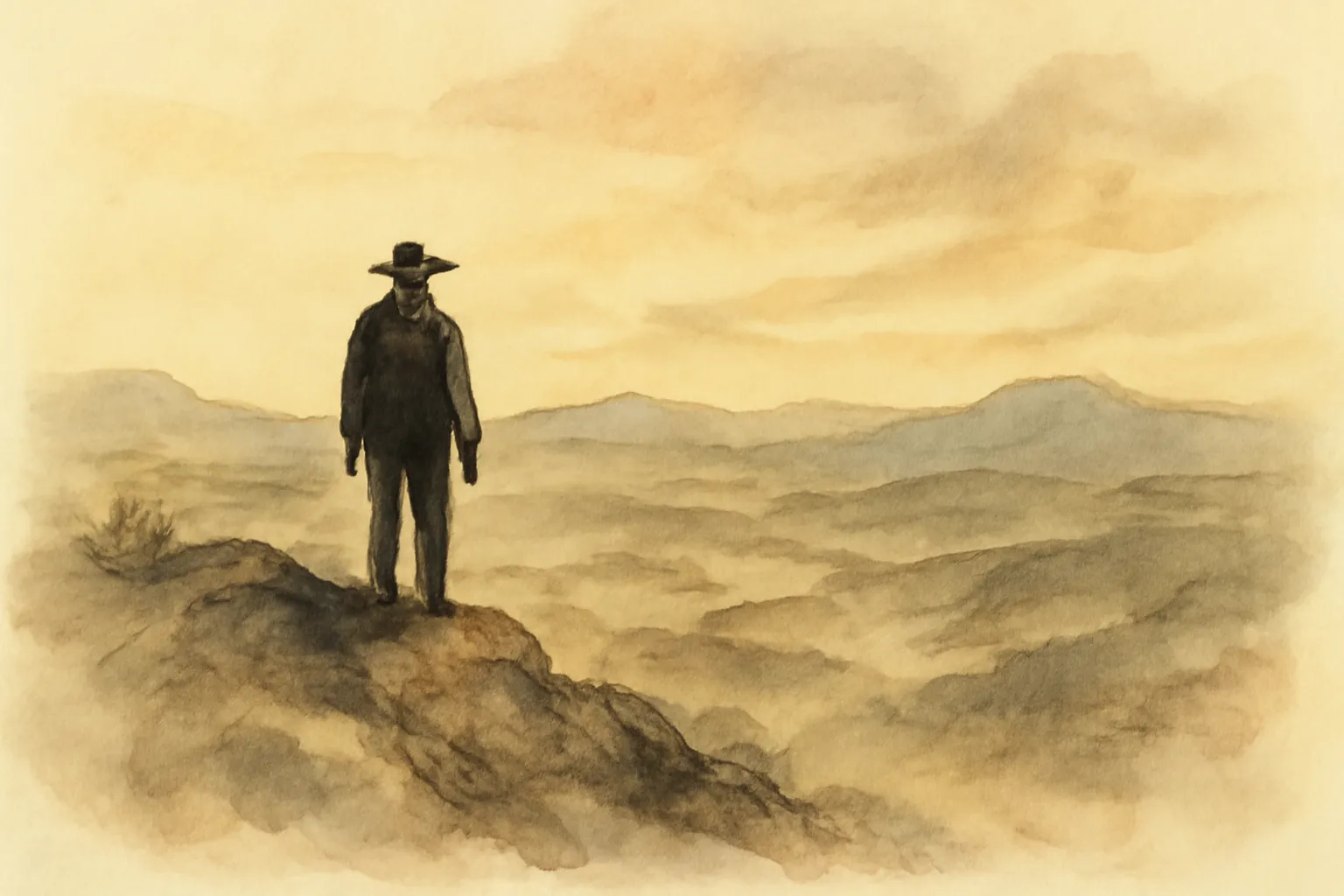
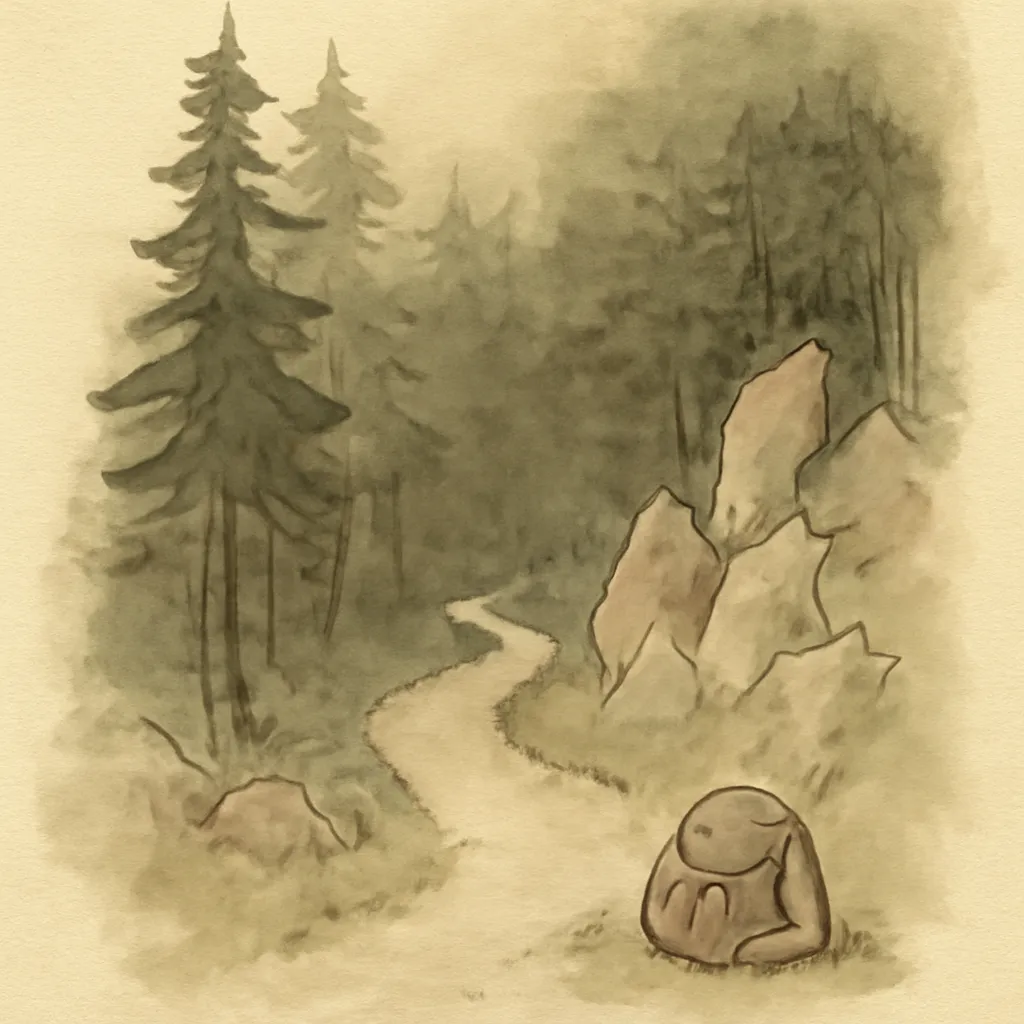
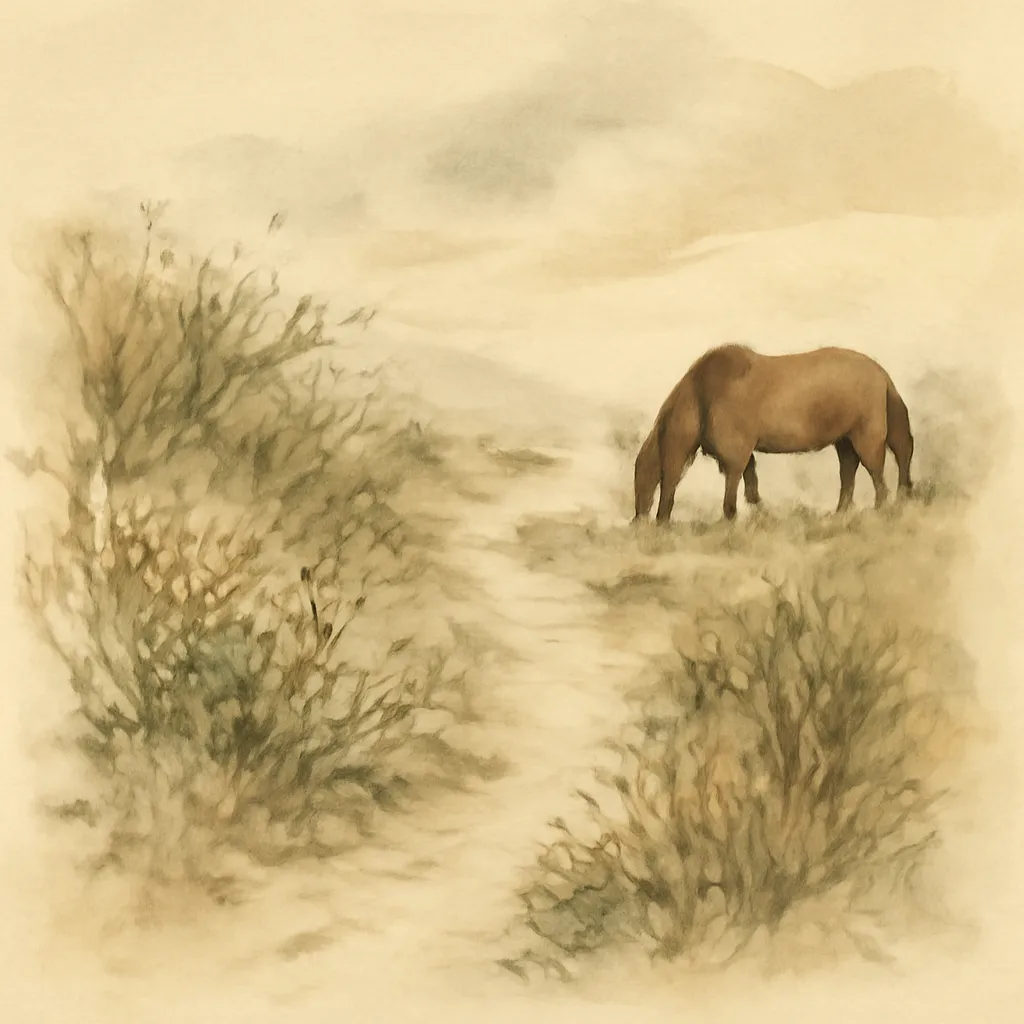
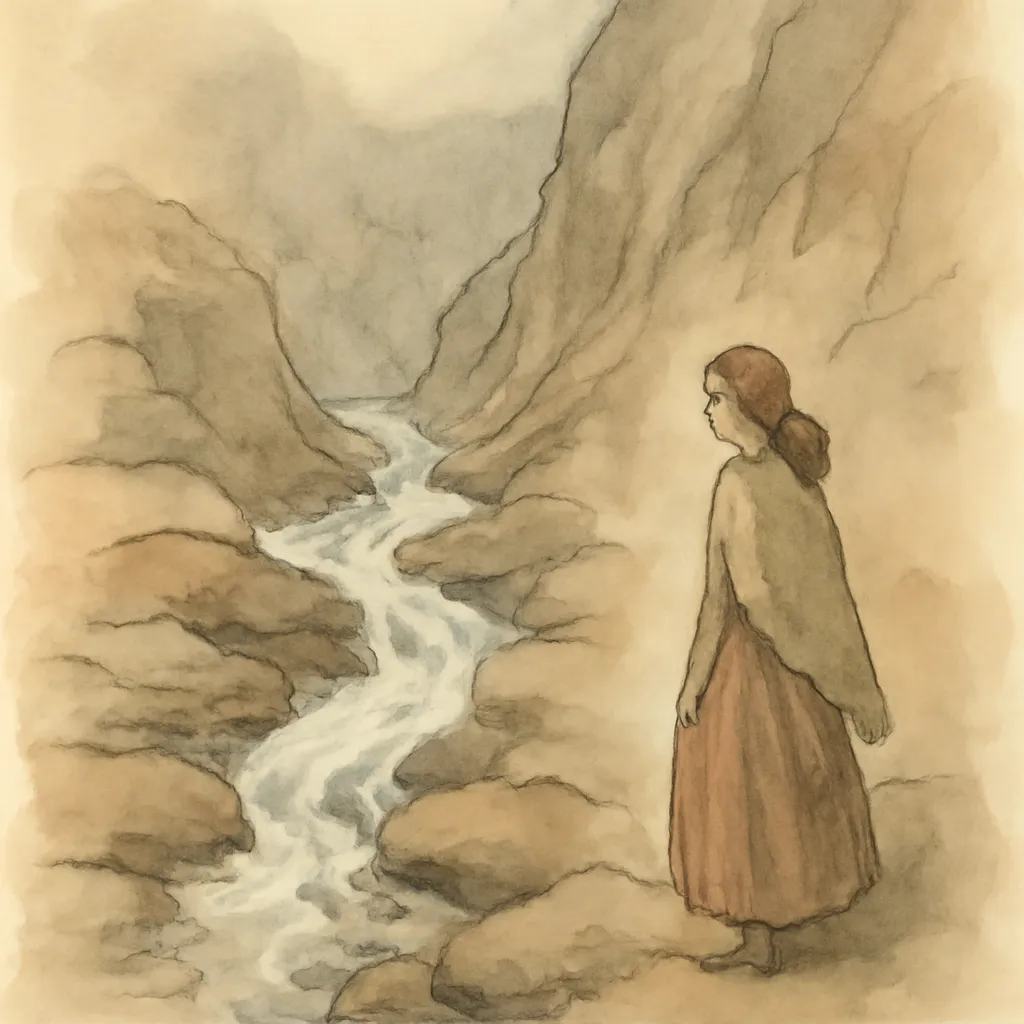
Patty Sinclair's adventure kicks off with her realization that she is lost in the vast wilderness. This moment encapsulates her mix of determination and vulnerability. Despite her physical exhaustion and hunger, she remains resolute, reflecting on her father's love for the wild and her desire to connect with that legacy. In her musings, she acknowledges the grim realities of her situation but is buoyed by the hope of finding her father's mine. This duality sets the stage for her journey, illustrating the tension between fear and hope that will characterize her quest. As Patty grapples with the physical demands of the trail, her internal dialogue reveals not only her emotional struggles but also her strong will to succeed, a theme that resonates throughout the narrative.
2.The Watts Ranch: A Disheartening Welcome
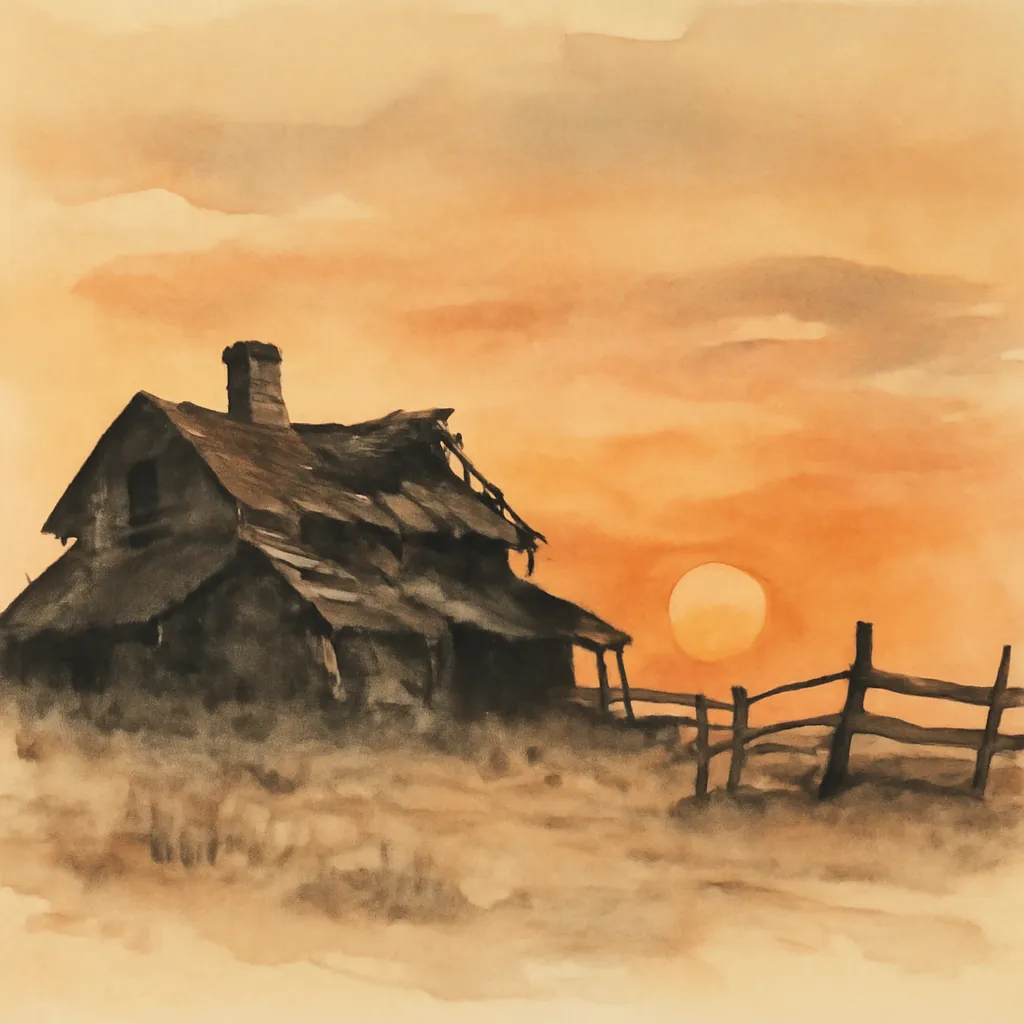
Upon arriving at the Watts ranch, Patty's expectations are shattered. Instead of the idyllic ranch she envisioned from her father's fevered mutterings, she finds a dilapidated property that reflects neglect and despair. The stark contrast between her dreams and the reality she faces highlights the harshness of her new life. The ranch represents not only a physical space but also the emotional weight of her father's unfulfilled dreams. Patty's disappointment serves as a catalyst for her resolve; she understands that she must not only find the gold but also restore her father's honor against the backdrop of a world that seems determined to thwart her. The ramshackle conditions at the ranch mirror her feelings of loss and abandonment, pushing her to reclaim her father's legacy and create a new narrative, one that honors his memory while forging her path.
3.The Struggle for Independence
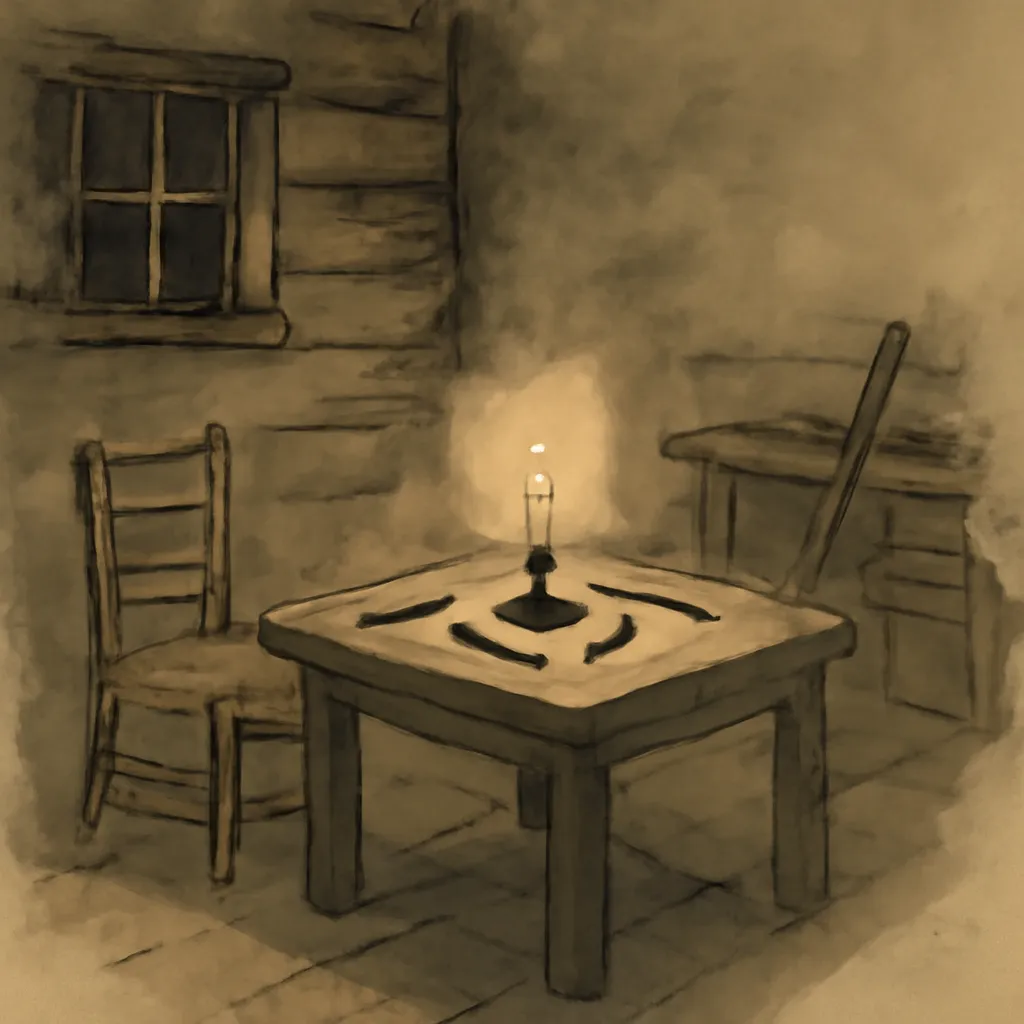
Patty's determination to forge her own path is a central theme throughout the novel. As she settles into the cabin, she embraces the independence that comes from living alone in the wilderness. Her efforts to make the cabin a home reflect her desire for autonomy and self-sufficiency. The physical labor she undertakes to repair and clean the space symbolizes her commitment to her pursuit, while also reinforcing her personal growth. However, this independence is fraught with challenges, including the physical demands of prospecting and the emotional toll of isolation. Patty's journey becomes a metaphor for the broader struggle of women seeking agency in a male-dominated society. Her resilience in the face of adversity underscores the importance of self-reliance and the courage to pursue one's dreams, illustrating that independence is often hard-won and requires both inner strength and perseverance.
4.The Intriguing Monk Bethune
Monk Bethune enters Patty's life as a complex figure who embodies both charm and deceit. Initially, he seems like a potential ally, providing encouragement and companionship in her solitary endeavor. However, as Patty learns more about him, she begins to question his intentions. Bethune's suave demeanor and flirtatious banter mask a deeper ambition—he is also after the gold, and his interest in Patty may not be purely altruistic. This dynamic introduces a layer of tension in the narrative, as Patty must navigate the fine line between trust and suspicion. Bethune becomes a symbol of the duality of human nature—someone who can be both a friend and a potential foe. His presence challenges Patty to discern genuine support from manipulation, forcing her to rely on her intuition and instincts. This relationship reflects the novel's exploration of trust, as Patty learns that not everyone who offers help has her best interests at heart.
5.The Shadow of Vil Holland
Vil Holland represents another layer of complexity in Patty's journey. His rough exterior and blunt demeanor contrast sharply with Bethune's charm, yet there is a sense of honesty in his character. Patty's initial distrust of Holland gradually shifts as she begins to recognize his protective instincts and genuine concern for her well-being. Holland's warnings about Bethune serve as a critical turning point for Patty, forcing her to reevaluate her alliances. The dynamic between these two men highlights the theme of trust and betrayal, as well as the difficulty of discerning true intentions in a world filled with deceit. Holland's character evolves from a mere adversary to a potential ally, revealing the complexities of human relationships in the face of shared goals and mutual respect. His bluntness, while off-putting, ultimately proves to be a form of honesty that Patty comes to appreciate.
6.The Quest for the Mine
Patty's relentless search for her father's mine symbolizes her quest for identity and purpose. Each day, she ventures deeper into the hills, driven by a mix of hope and desperation. The physical challenges she faces—treacherous trails, unpredictable weather, and the constant specter of danger—mirror her internal struggles. As she uncovers clues about her father's past, she begins to forge her own identity, independent of her father's legacy. The mine becomes a tangible representation of her father's dreams, but it also serves as a reminder of the weight of expectation that she carries. Patty's journey is not just about finding gold; it is about finding herself. The author's nuanced portrayal of Patty's exploration underscores the idea that the true treasure lies in self-discovery and the courage to pursue one's dreams against overwhelming odds.
7.The Emotional Toll of Isolation
The solitude of the hills takes a significant emotional toll on Patty. While she initially embraces her independence, the weight of loneliness begins to seep into her psyche. The long days spent prospecting alone lead to moments of self-doubt and introspection. Patty grapples with the fear of failure and the haunting memories of her father's struggles. This emotional landscape is rich and nuanced, illustrating the psychological challenges that accompany her physical journey. The tension between her desire for solitude and her longing for connection underscores the complexity of her character and the broader human experience of isolation. As she confronts her fears, Patty learns to draw strength from her solitude, transforming her isolation into a source of empowerment rather than despair.
8.Confronting Deceit
As Patty delves deeper into her quest, she finds herself confronting the deceit of those around her. The revelation of Bethune's true intentions shatters her trust and forces her to reconsider her alliances. This confrontation with betrayal is a pivotal moment in her journey, as it propels her to take control of her destiny. Patty's resilience in the face of deception highlights her growth as a character; she learns to trust her instincts and make decisions based on her own judgment rather than the opinions of others. This theme of confronting deceit resonates throughout the narrative, emphasizing the importance of self-reliance and critical thinking. The author effectively illustrates how the experience of betrayal can serve as a catalyst for personal growth, pushing Patty to assert her independence.
9.The Climactic Showdown
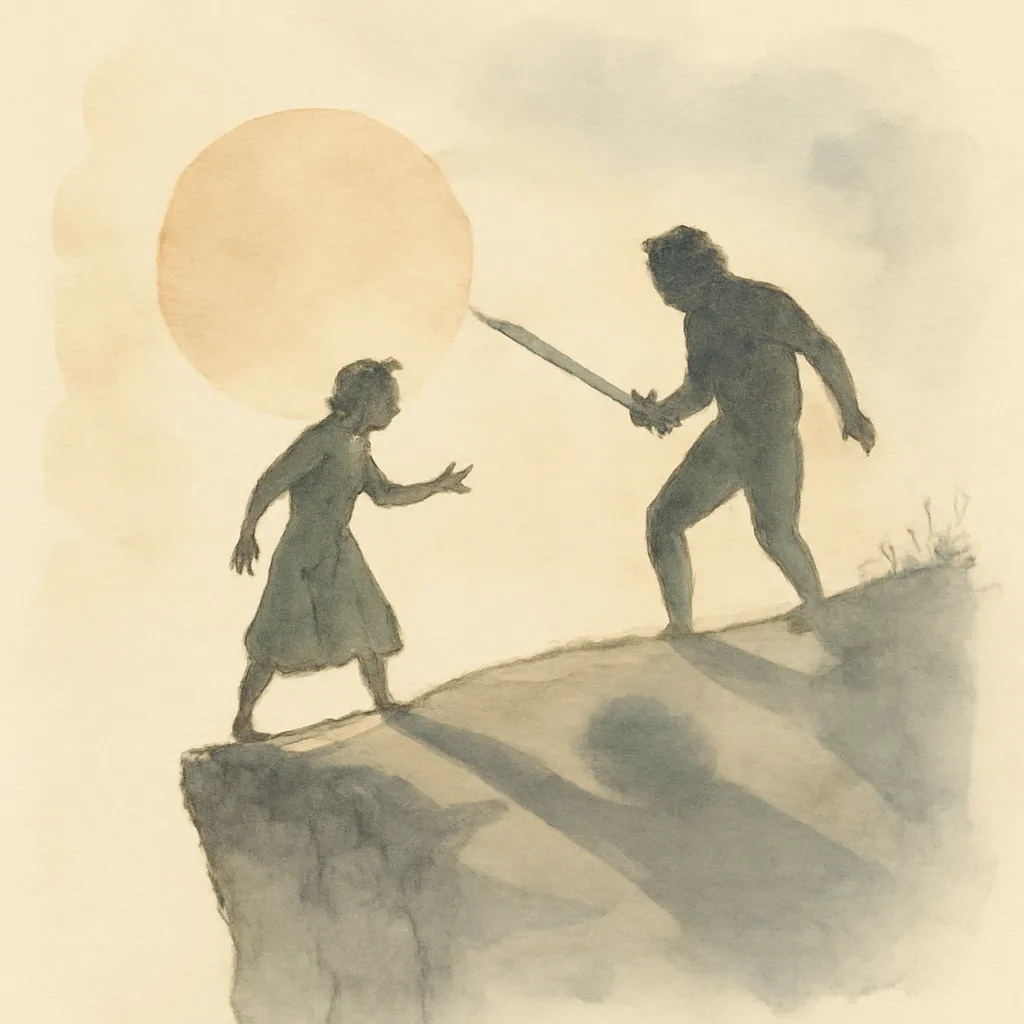
The climax of Patty's journey culminates in a tense showdown that tests her resolve and determination. As she finally uncovers the truth about her father's mine, she must confront the consequences of her choices and the actions of those around her. This moment is fraught with tension, as Patty's future hangs in the balance. The stakes are high, and her ability to navigate this final challenge will determine not only her fate but also the legacy she wishes to uphold. The showdown serves as a powerful metaphor for the broader struggles faced by individuals in pursuit of their dreams, underscoring the importance of courage and perseverance in the face of adversity. The resolution of this conflict highlights Patty’s growth from a vulnerable young woman to a determined individual, fully capable of asserting her place in the world.
10.The Resolution: A New Beginning
As the story reaches its resolution, Patty emerges transformed by her experiences. She has navigated the complexities of trust, betrayal, and self-discovery, ultimately finding strength within herself. The ending is not just about the gold but about the personal growth that Patty has achieved along the way. She has learned to stand on her own two feet, making decisions that reflect her values and aspirations. The narrative concludes with a sense of hope and possibility, suggesting that while the journey may be fraught with challenges, it is also filled with opportunities for growth and self-actualization. Patty's story serves as an inspiring testament to the resilience of the human spirit and the power of determination to overcome obstacles. The resolution leaves readers with a profound understanding that true treasure is often found not in material wealth but in the strength of character and the courage to forge one’s own path.