1.The Fine-Tuning Problem
Davies lays out the evidence that many physical constants and laws of the universe appear 'just right'—not too strong, not too weak—for life to exist. Even slight changes in these constants would render the universe lifeless. This 'Goldilocks' quality raises the question: is this a cosmic coincidence, or is there a deeper explanation? Davies surveys the scientific discoveries that have revealed how delicately balanced our universe is, making the fine-tuning problem a central puzzle in modern cosmology.
2.Possible Explanations: Chance, Necessity, or Design
The book critically examines the main explanations for fine-tuning. Is it pure chance that our universe has life-permitting laws? Is there a necessity—that physics could not have been otherwise? Or is there evidence of design, either by a creator or through some principle? Davies weighs these possibilities, highlighting both their scientific and philosophical strengths and weaknesses, and invites readers to grapple with the profound implications of each.
3.The Multiverse Hypothesis
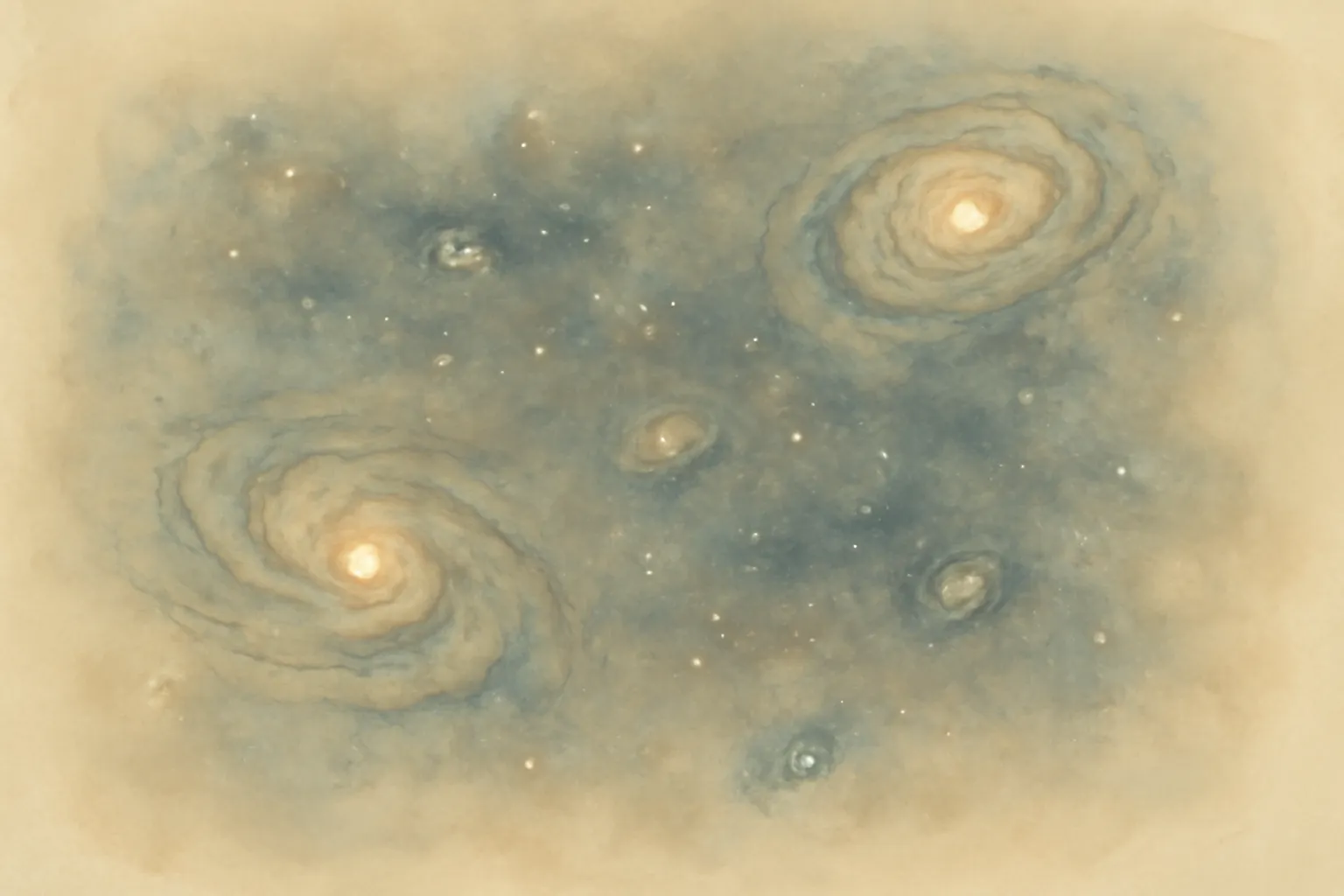
A major focus is the multiverse theory: the idea that our universe is just one of countless others, each with different physical laws. In such a 'cosmic lottery,' it’s not surprising that at least one universe would be suitable for life. Davies explores the scientific basis for the multiverse, its challenges, and whether it truly solves the fine-tuning puzzle, or simply shifts the question to a higher level.
4.The Role of Life and Consciousness
Davies goes beyond physics to ask whether life and consciousness play a fundamental role in the universe. He discusses speculative ideas like the anthropic principle—the notion that the universe must allow for observers like us—and whether consciousness might be woven into the fabric of reality itself. This leads to deep questions about the relationship between mind and cosmos.
5.Limits of Science and the Mystery of Existence
Throughout the book, Davies is candid about the limits of scientific explanation. Some questions about why the universe is the way it is may be forever beyond empirical science, bordering on metaphysics or philosophy. He encourages readers to appreciate both the power and the humility of science when confronting ultimate mysteries.
6.Implications for Meaning and Purpose
Finally, Davies considers what these cosmic questions mean for our sense of purpose and meaning. Whether the universe is a product of chance, necessity, or design has profound implications for how we see ourselves and our place in the cosmos. The book invites readers to reflect on whether the universe is indifferent, or if there is a deeper significance to our existence.