1.Engineering as Human Drama
McCullough frames the construction of the Brooklyn Bridge not merely as a technical achievement, but as a story of human will, ambition, and frailty. The book explores how Washington Roebling, after his father’s death and his own debilitating illness, relied on intellect and determination—supported by Emily Roebling’s crucial involvement—to overcome daunting obstacles. The bridge becomes a metaphor for the human capacity to dream and endure, making the narrative as much about people as about steel and stone.
2.The Collision of Politics and Progress
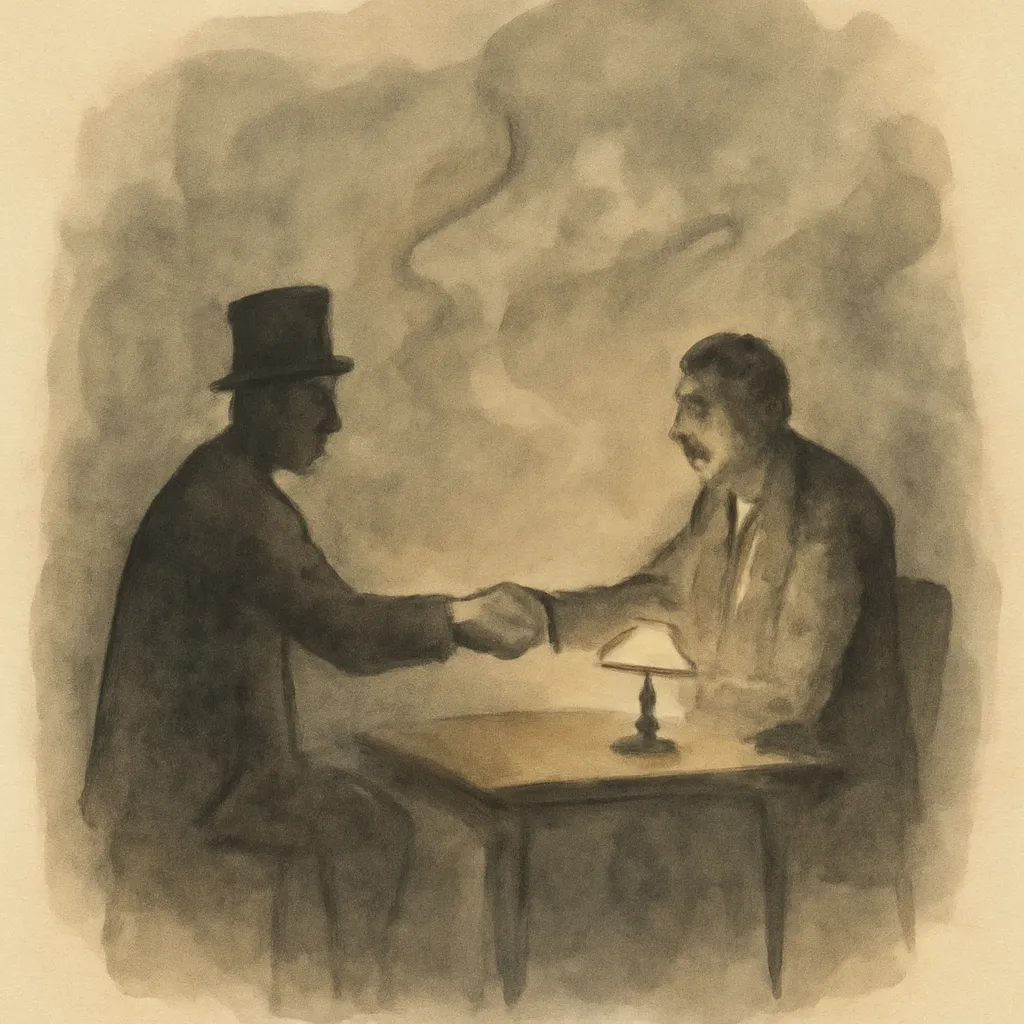
The Great Bridge reveals how the project was entangled in the corrupt politics of the Gilded Age, especially the influence of Boss Tweed and Tammany Hall. McCullough details the backroom deals, public skepticism, and financial scandals that threatened to derail the bridge at every turn. This context highlights how major public works are never isolated from their political environments, and how progress often requires navigating, or surviving, the machinations of power.
3.Innovation Amid Uncertainty
The Brooklyn Bridge was a leap into the unknown, employing new materials like steel cables and pioneering construction techniques such as pneumatic caissons. McCullough illustrates how the Roeblings and their team confronted unprecedented engineering challenges, often risking their lives and health. The narrative underscores the costs and courage inherent in innovation, and the necessity of adapting to unforeseen dangers and failures.
4.The Unsung Role of Emily Roebling
A standout theme is the pivotal, often overlooked, role played by Emily Warren Roebling. When Washington Roebling was incapacitated, Emily became his intermediary, learning complex engineering concepts and managing communications with workers and officials. McCullough elevates her contribution, challenging traditional narratives and highlighting the importance of unrecognized figures—especially women—in landmark achievements.
5.Symbolism and the American Spirit
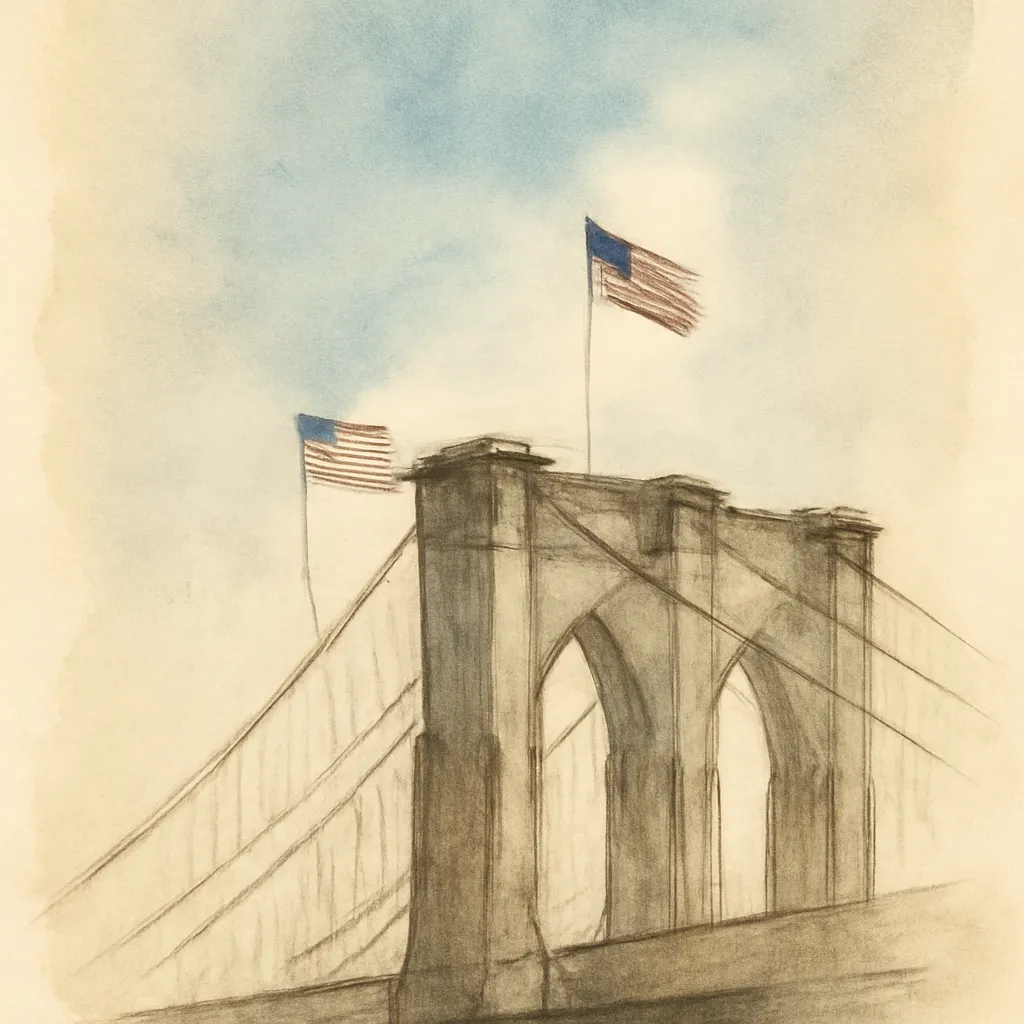
McCullough positions the Brooklyn Bridge as a symbol of American optimism, ingenuity, and unity. Its completion marked not just a physical connection between Manhattan and Brooklyn, but a triumph of collective effort and belief in progress. The bridge’s enduring presence in the American imagination, as described in the book, reflects broader themes of national identity and aspiration.
6.The Cost of Greatness
The book does not shy from the human and social costs of the bridge: deaths, injuries, and the toll on the Roebling family. McCullough’s account is a reminder that monumental achievements often come at a price, and that heroism can coexist with tragedy and sacrifice.