1.Travel as a Lens for Self-Discovery
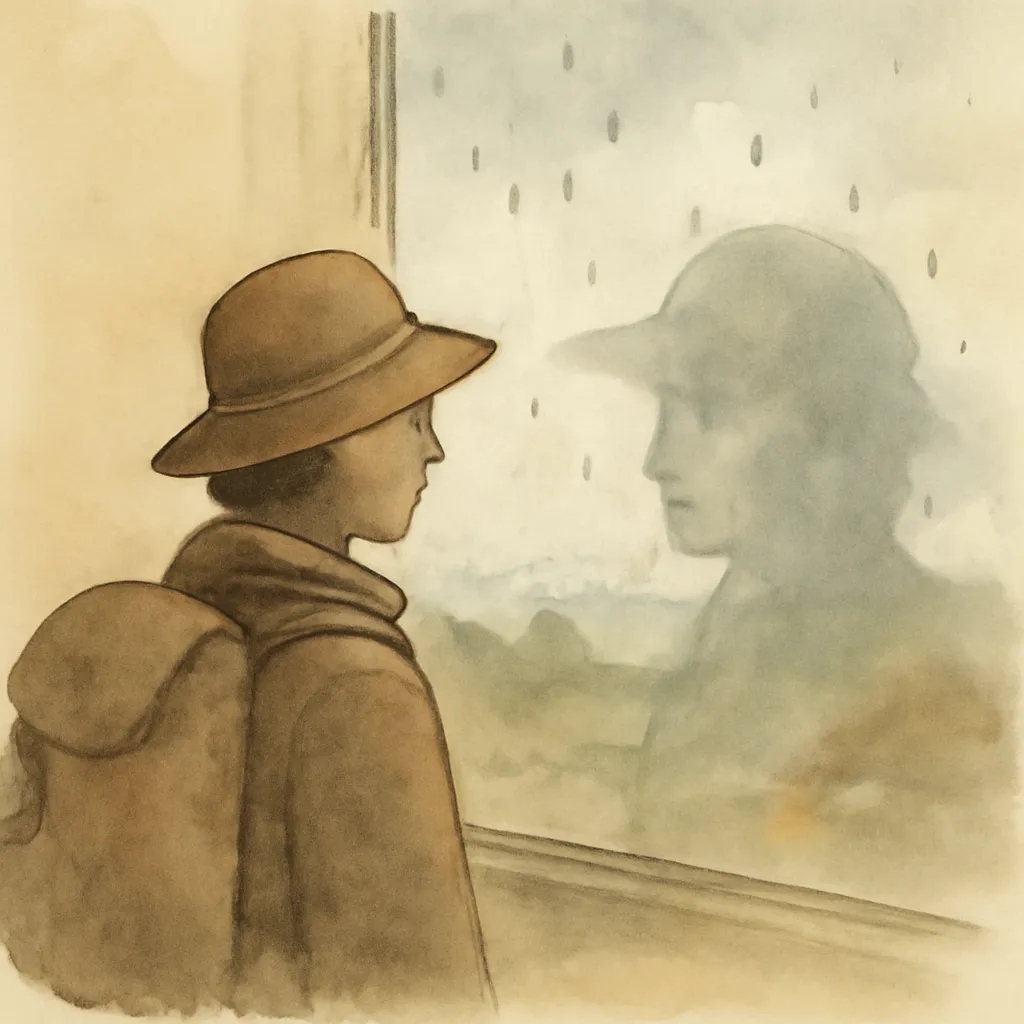
Theroux’s journey is as much about the internal transformation of the traveler as it is about the external world. The book explores how the act of moving through unfamiliar territories prompts reflection on one’s own identity, biases, and desires. Encounters with strangers and immersion in different cultures force the narrator—and by extension, the reader—to reconsider what is familiar and what is foreign, often blurring the lines between the two.
2.The Romance and Reality of Train Travel
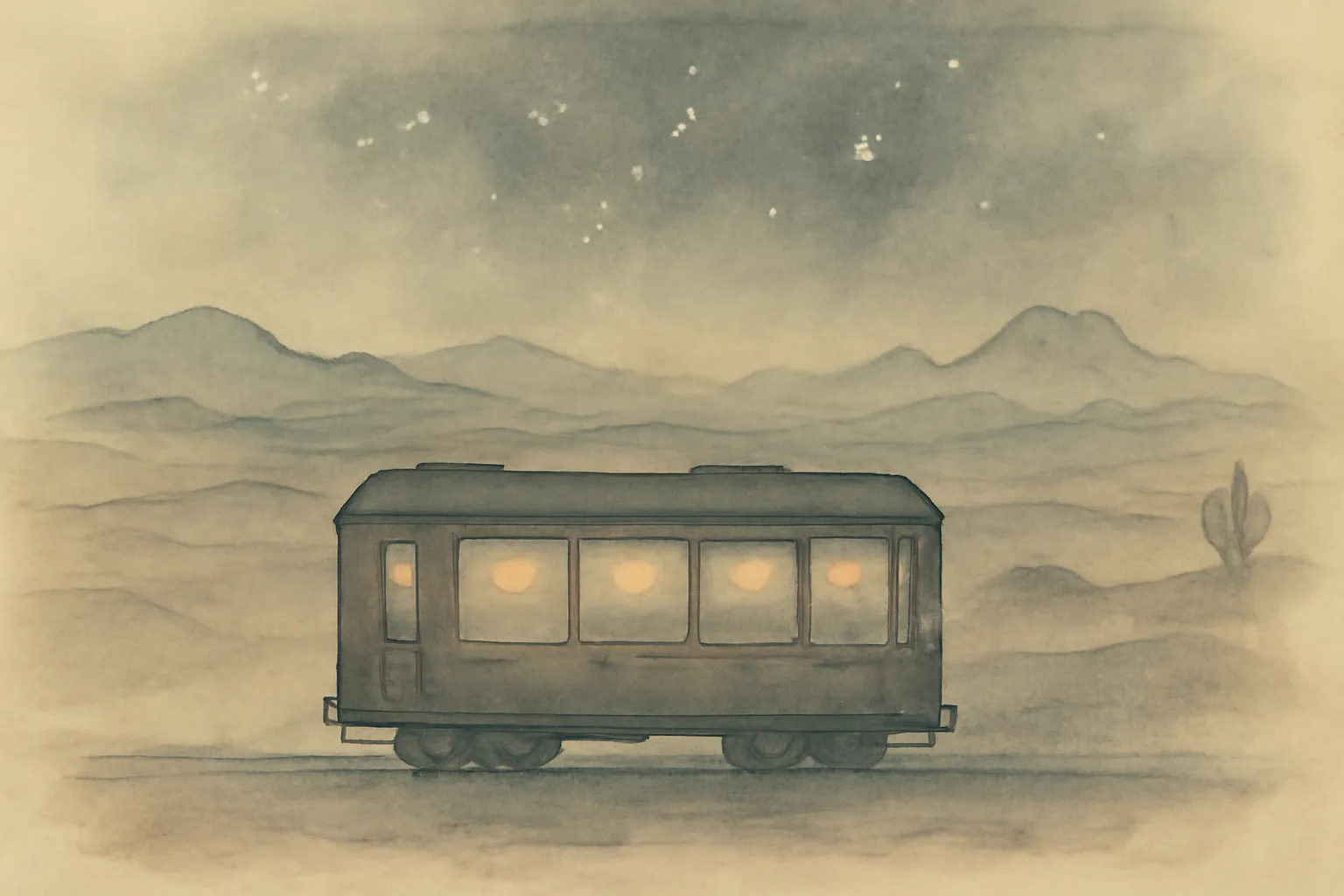
Theroux romanticizes the railway, painting it as a microcosm of society and a stage for adventure, yet he is equally attentive to its discomforts and absurdities. The book captures both the nostalgia and the gritty reality of long-distance train travel, from the camaraderie of shared compartments to the monotony and occasional squalor. This duality underscores the unpredictability and transformative potential of overland journeys.
3.Cultural Observation and Satire
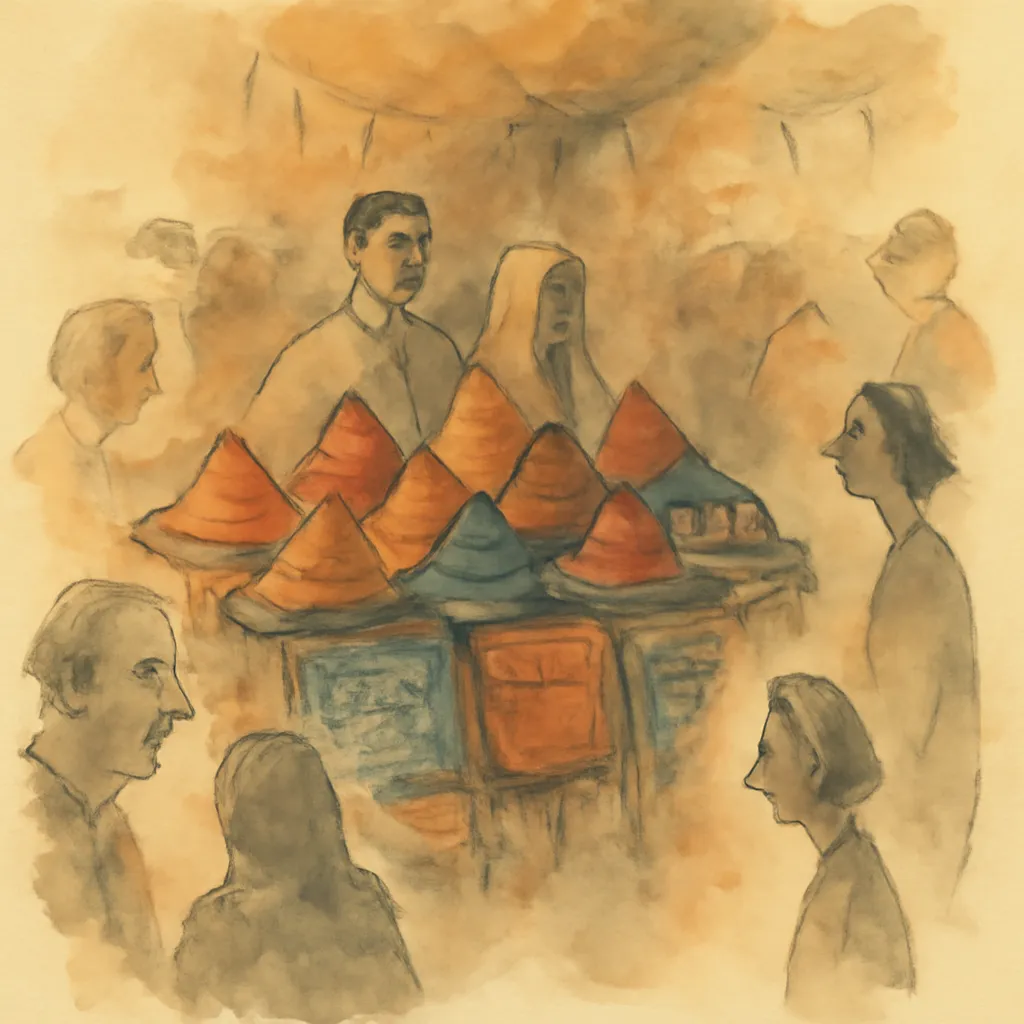
One of Theroux’s hallmarks is his sharp, sometimes acerbic, observation of people and places. He documents the customs, foibles, and contradictions of the countries he passes through, often with a satirical edge. Rather than offering a sanitized tourist perspective, he reveals the complexities and idiosyncrasies of each locale, challenging readers to look beyond stereotypes and easy generalizations.
4.Impermanence and Change
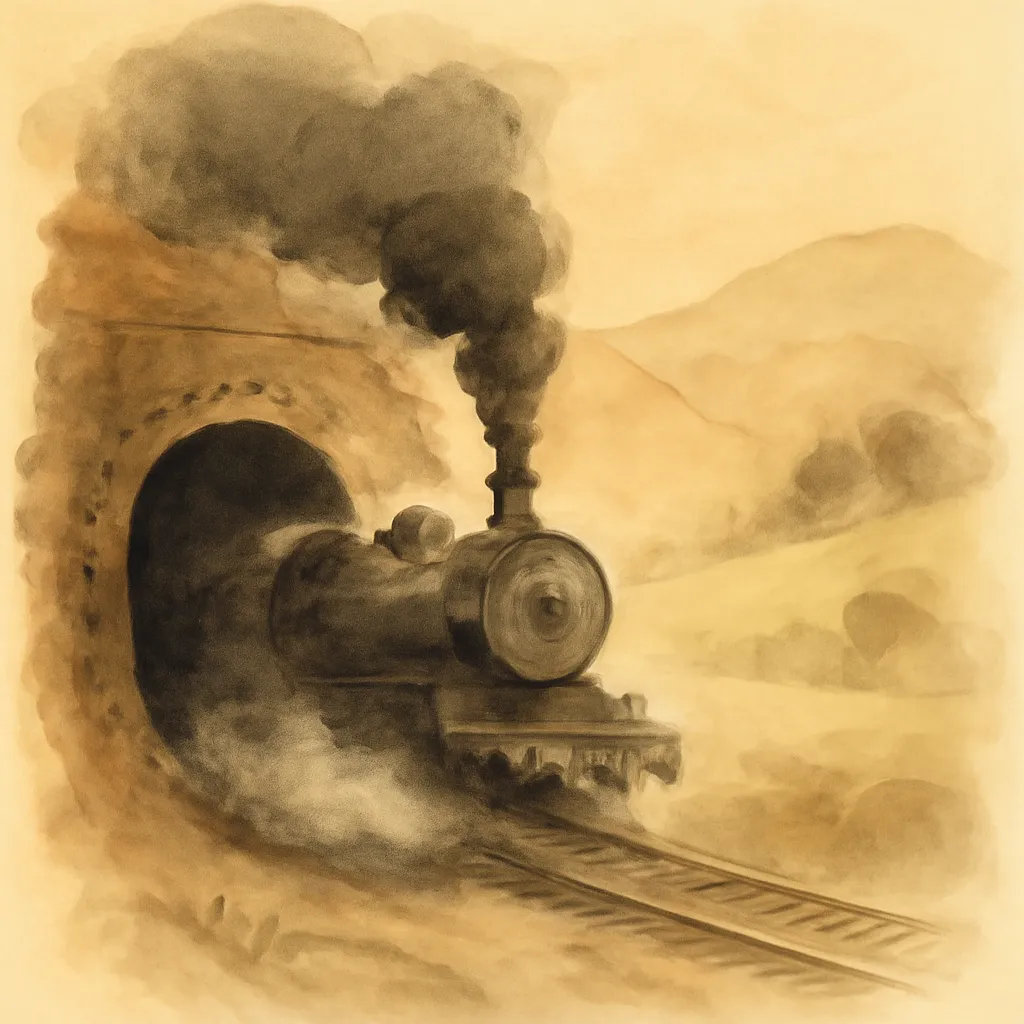
The Great Railway Bazaar is suffused with a sense of impermanence—of fleeting encounters, vanishing landscapes, and the relentless passage of time. Theroux is keenly aware that the world he travels through is in flux, and that the places and people he meets may soon be transformed by political, social, or technological change. This awareness lends the narrative a bittersweet quality, as it documents a world on the cusp of modernization.
5.The Solitude and Community of the Traveler
Theroux explores the paradox of travel: the traveler is both isolated and perpetually surrounded by others. He reflects on the loneliness that can accompany long journeys, but also on the unexpected bonds formed with fellow passengers. These transient relationships, marked by candor and brevity, reveal much about human connection and the ways in which travel can both separate and unite.
6.The Power of Storytelling
Throughout the book, Theroux demonstrates that travel is not just about movement, but about narrative. He weaves the stories of his fellow travelers, the histories of the places he visits, and his own observations into a tapestry that is as much about storytelling as it is about geography. This approach elevates the travelogue into a literary form, inviting readers to see journeys as stories in themselves.