1.Evolution as an Established Fact
Dawkins opens by emphasizing that evolution is not merely a hypothesis but a well-supported fact, akin to the Earth orbiting the sun. He addresses the persistence of creationist skepticism, arguing that the scientific community’s consensus is grounded in a mountain of converging evidence from diverse fields. The book’s tone is both explanatory and urgent, aiming to correct public misunderstanding and to assert the intellectual solidity of evolutionary biology.
2.The Evidence: Fossils, Genes, and Living Examples
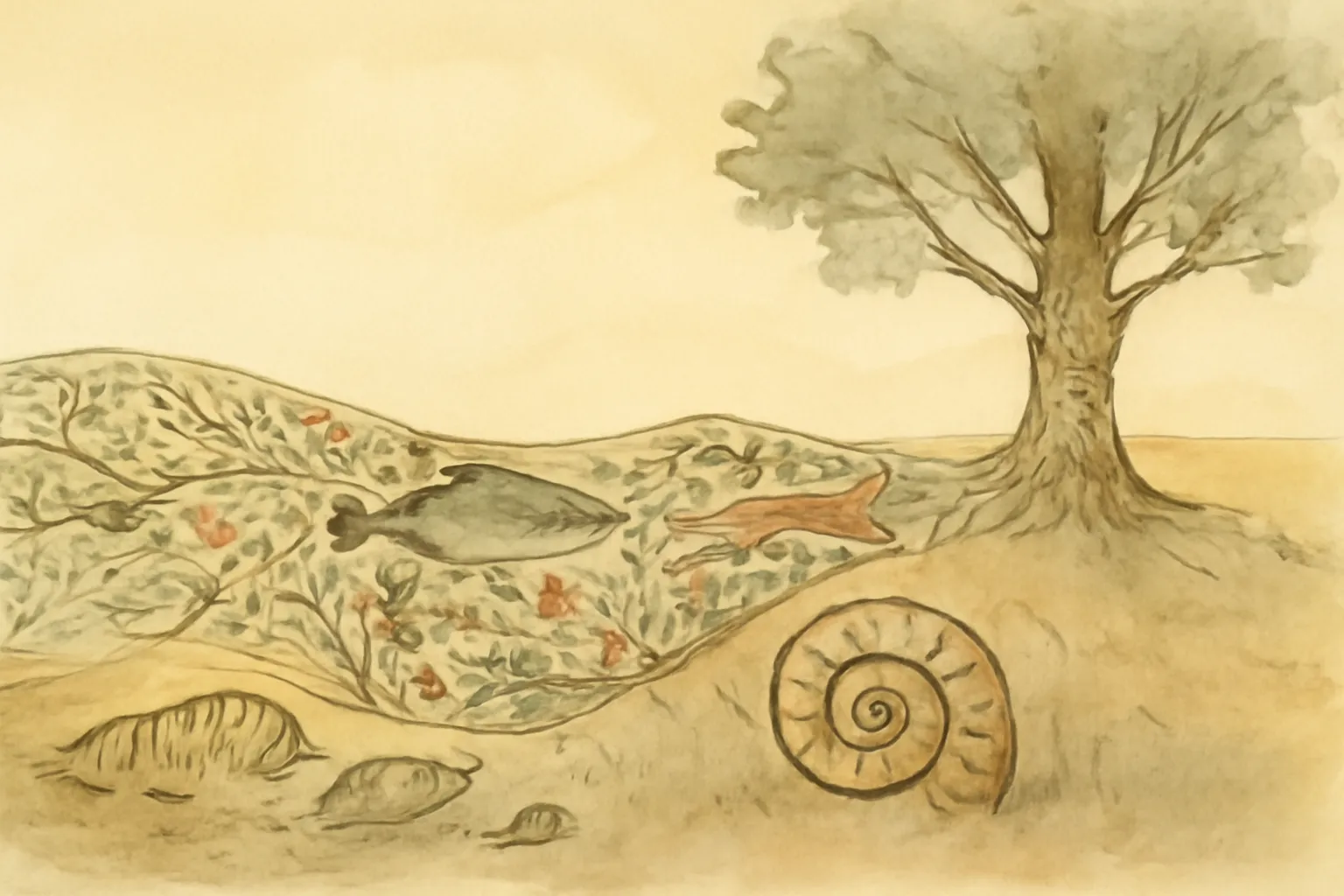
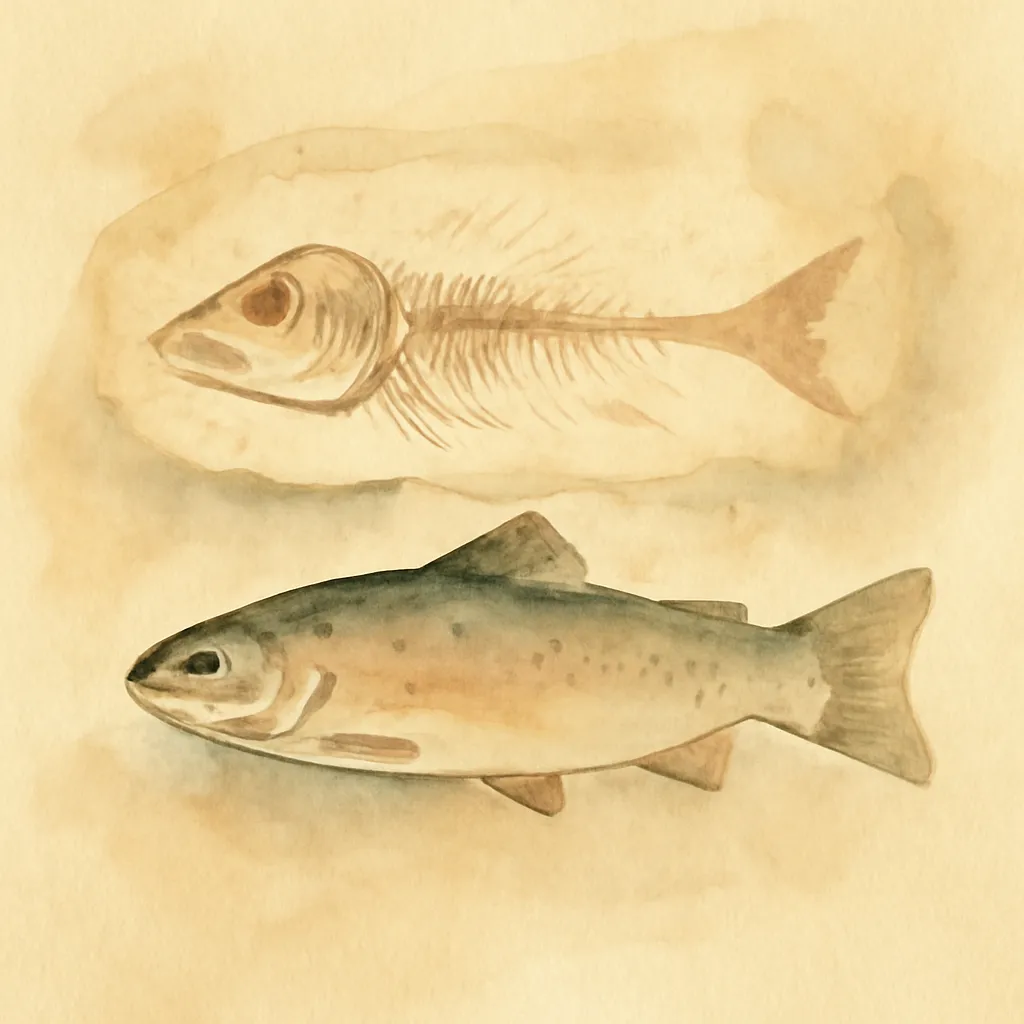
A central thrust of the book is Dawkins’s presentation of multiple, independent lines of evidence for evolution. He details how the fossil record reveals gradual change and transitional forms, how comparative anatomy and embryology show shared ancestry, and how modern genetics uncovers the molecular signatures of evolution. Dawkins also highlights real-time examples, such as bacterial resistance and observable speciation, making the case that evolution is not just historical but ongoing.
3.Natural Selection in Action
Dawkins devotes significant attention to the mechanisms of natural selection, illustrating how small, cumulative changes can lead to the complexity of life. He uses vivid analogies and contemporary research—such as experiments with dogs, plants, and insects—to show how selection operates, dispelling misconceptions about randomness or directionless change. The book clarifies that natural selection is a creative, non-random process that shapes adaptation and diversity.
4.Dating the Past: Geological and Molecular Clocks
A recurring challenge to evolution is the question of timescale. Dawkins explains how scientists use radiometric dating and dendrochronology (tree rings) to establish the Earth’s age and the chronology of life. He demystifies these methods, showing how they independently corroborate a timeline vastly older than creationist claims, and how molecular clocks in DNA provide yet another, convergent measure of evolutionary history.
5.Refuting Creationist Arguments
Throughout the book, Dawkins directly addresses creationist objections, from the supposed absence of transitional fossils to misunderstandings about probability and complexity. He systematically dismantles these arguments, exposing their logical and factual flaws. Rather than just rebutting, he uses these challenges as teaching moments, clarifying how science works and why certain arguments persist in public discourse.
6.The Wonder and Beauty of Evolution
Beyond the polemic, Dawkins’s passion for the subject shines through in his celebration of life’s diversity and the elegance of evolutionary processes. He invites readers to appreciate the grandeur and interconnectedness revealed by evolutionary science, arguing that understanding evolution enhances, rather than diminishes, our sense of wonder about the natural world.