1.The Complexity of Love
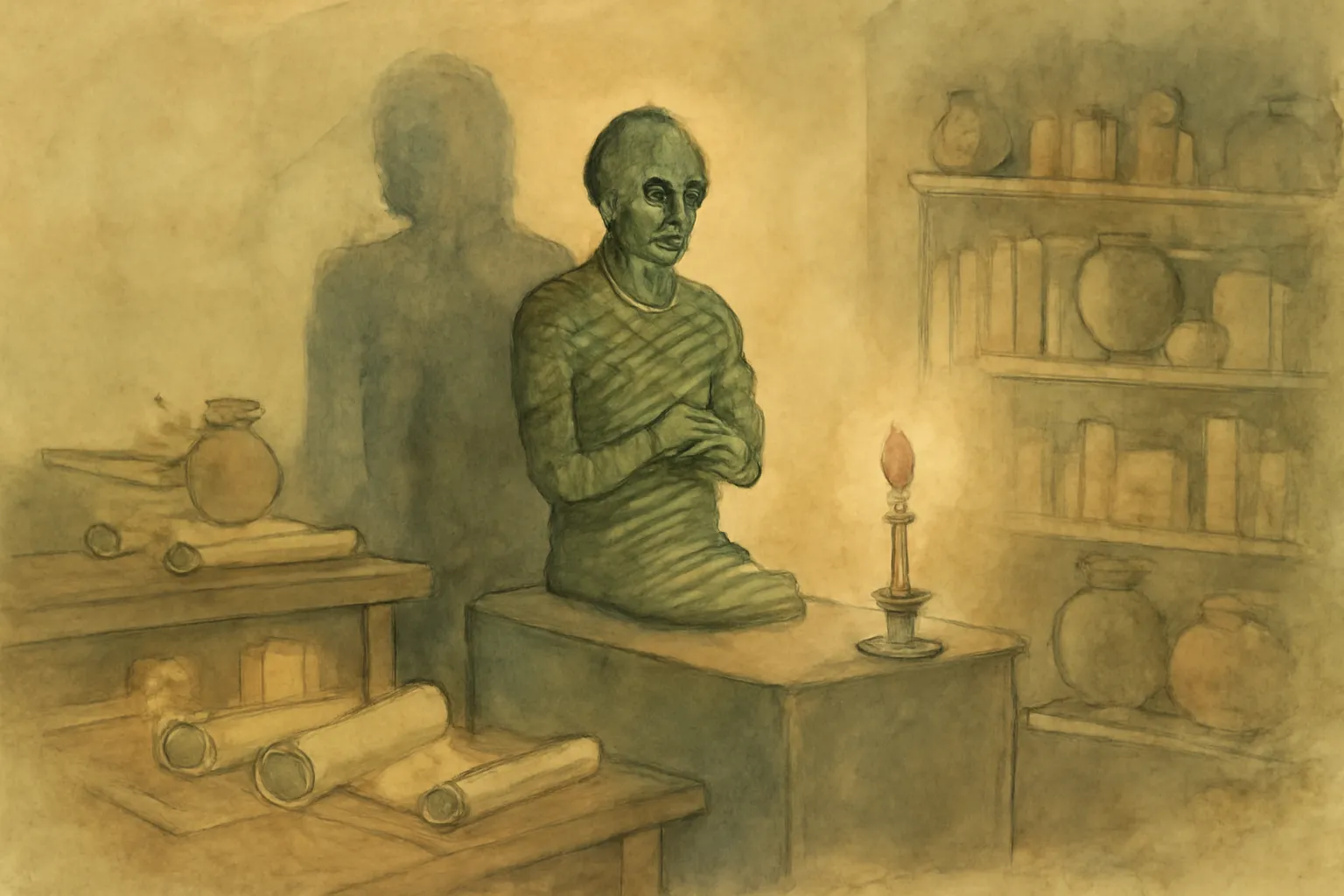
At the heart of 'The Green Mummy' lies a complex love story between Archie Hope and Lucy Kendal. Their relationship is marked by both passion and tension, as Archie feels the weight of financial obligations tied to his engagement. Lucy's step-father, Professor Braddock, represents a paternal authority that complicates their union, as he demands a significant sum for his consent to their marriage. This dynamic raises questions about the nature of love itself—can it truly flourish under the shadow of monetary exchange? The dialogue between Archie and Lucy reveals the delicate balance of affection and transactional expectations, illustrating how love can be both a sanctuary and a battleground. As they navigate their emotions, the narrative invites readers to consider whether love is a pure bond or one that is negotiated and dictated by external pressures.
2.The Eccentric Professor
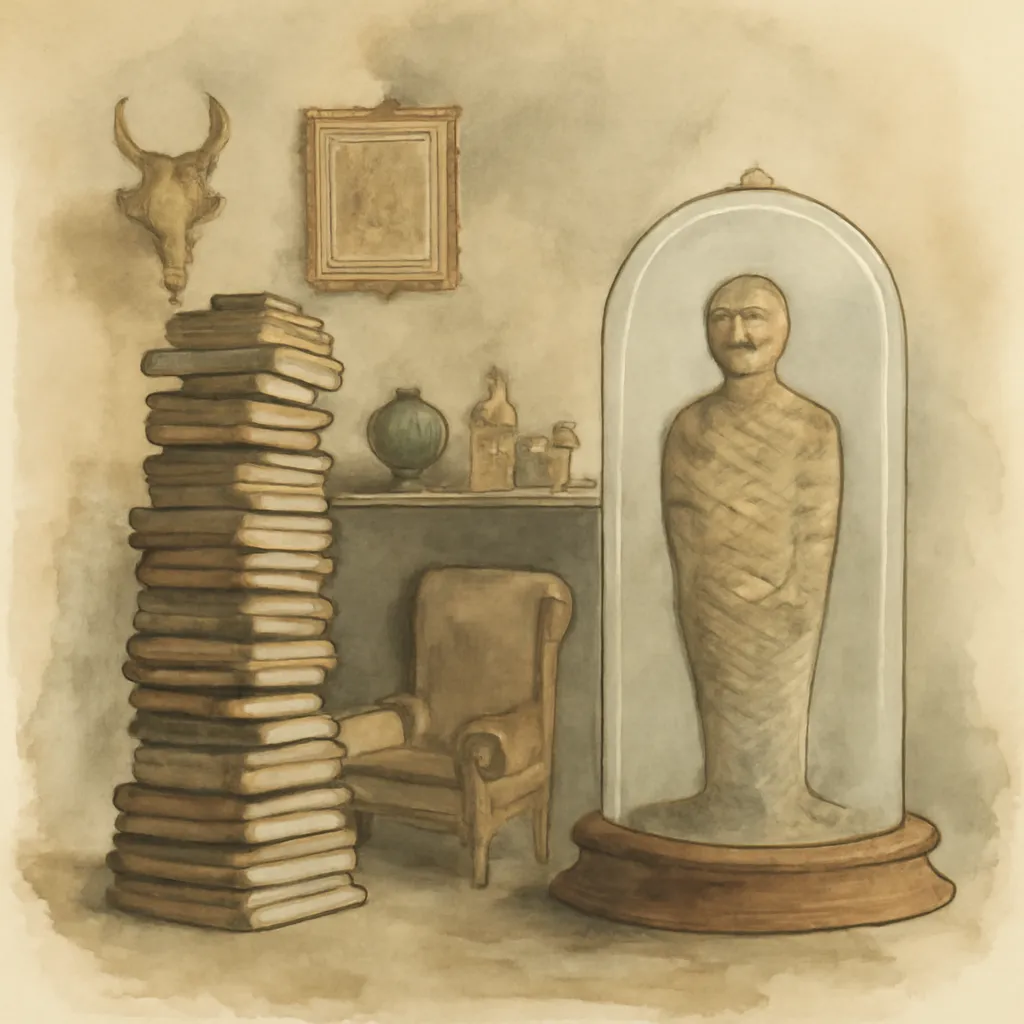
Professor Braddock is a quintessentially quirky character whose obsession with archaeology and ancient Egyptian artifacts defines his existence. His life revolves around his collection of mummies and relics, positioning him as a 'scientific pauper' lost in the past. This eccentricity serves as a powerful symbol of the conflict between intellectual pursuits and practical realities. Braddock’s marriage to Mrs. Kendal, motivated by financial necessity rather than romantic affection, further illustrates the tension between love and ambition. His character raises important questions about the sacrifices made in the name of knowledge and the extent to which one can become consumed by their passions. The Professor's neglect of familial relationships in favor of his scholarly pursuits serves as a cautionary tale about the dangers of allowing ambition to eclipse personal relationships. His interactions with Lucy also highlight the generational divide, as he views her as an asset to be managed rather than as an individual with her own desires.
3.The Mysterious Tomb
The quest for the mysterious tomb of Queen Tahoser drives much of the narrative's tension. Braddock's desire to secure funding for an expedition to unearth this tomb underscores the theme of ambition and its consequences. The tomb symbolizes not only the allure of ancient treasures but also the destructive power of obsession. As Archie contemplates borrowing money from Sir Frank Random to satisfy Braddock's insatiable appetite for discovery, he grapples with the moral implications of such a decision. The tomb serves as a metaphor for unattainable dreams, illustrating how the pursuit of wealth and recognition can lead one down a perilous path. This quest ultimately catalyzes a series of tragic events that intertwine the fates of all characters involved. Braddock's relentless pursuit hints at the idea that some treasures—be they material or intellectual—come at a price that is not always worth paying.
4.Murder and Mystery
The narrative takes a dark turn with the murder of Sidney Bolton, Braddock’s assistant, which sets off a chain of events steeped in intrigue. The circumstances surrounding his death—strangulation and the disappearance of the mummy—create a gripping mystery that captivates both the characters and the readers. Inspector Date’s investigation into Bolton’s murder highlights the theme of justice and the challenges of uncovering the truth in a world filled with deceit and hidden motives. As various characters are drawn into the investigation, their true natures are revealed, exposing the darker sides of human ambition. The murder serves as a catalyst that propels the characters into a web of suspicion and betrayal, emphasizing the lengths to which individuals will go to protect their interests. This element of the story emphasizes that the quest for truth is fraught with danger, and those who seek it must confront uncomfortable realities about themselves and others.
5.The Role of Gossip
In the small village of Gartley, gossip plays a significant role in shaping perceptions and influencing events. The rapid spread of rumors regarding the murder and the missing mummy illustrates how quickly information—and misinformation—can alter social dynamics. As the villagers speculate about the identities of the murderer and the whereabouts of the mummy, the narrative explores the destructive power of gossip. Characters such as Widow Anne and Mrs. Jasher find themselves caught in the crossfire of public opinion, demonstrating how easily reputations can be tarnished. This theme serves as a commentary on the human tendency to judge others based on incomplete information, revealing the dangers of assumptions and the importance of seeking truth. The way in which gossip escalates drama in Gartley reflects the fragile nature of social bonds and the responsibilities that come with sharing information.
6.The Consequences of Obsession
The characters' obsessions drive much of the plot, leading to dire consequences. Braddock's fixation on the mummy and the tomb blinds him to the emotional needs of those around him, particularly Lucy, who yearns for his attention and affection. Archie's desire to marry Lucy becomes entangled with his financial worries, highlighting the intersection of love and ambition. The tension between personal desires and broader ambitions illustrates how obsession can lead to moral compromises and tragic outcomes. As characters pursue their goals, they often overlook the collateral damage inflicted on their relationships and the lives of others. This central theme serves as a poignant reminder of the dangers of allowing ambition to overshadow personal connections. The impact of obsession is not limited to Braddock and Archie; it seeps into the very fabric of the village, affecting everyone as their lives become intertwined in unexpected and often disastrous ways.
7.Cultural Reflections
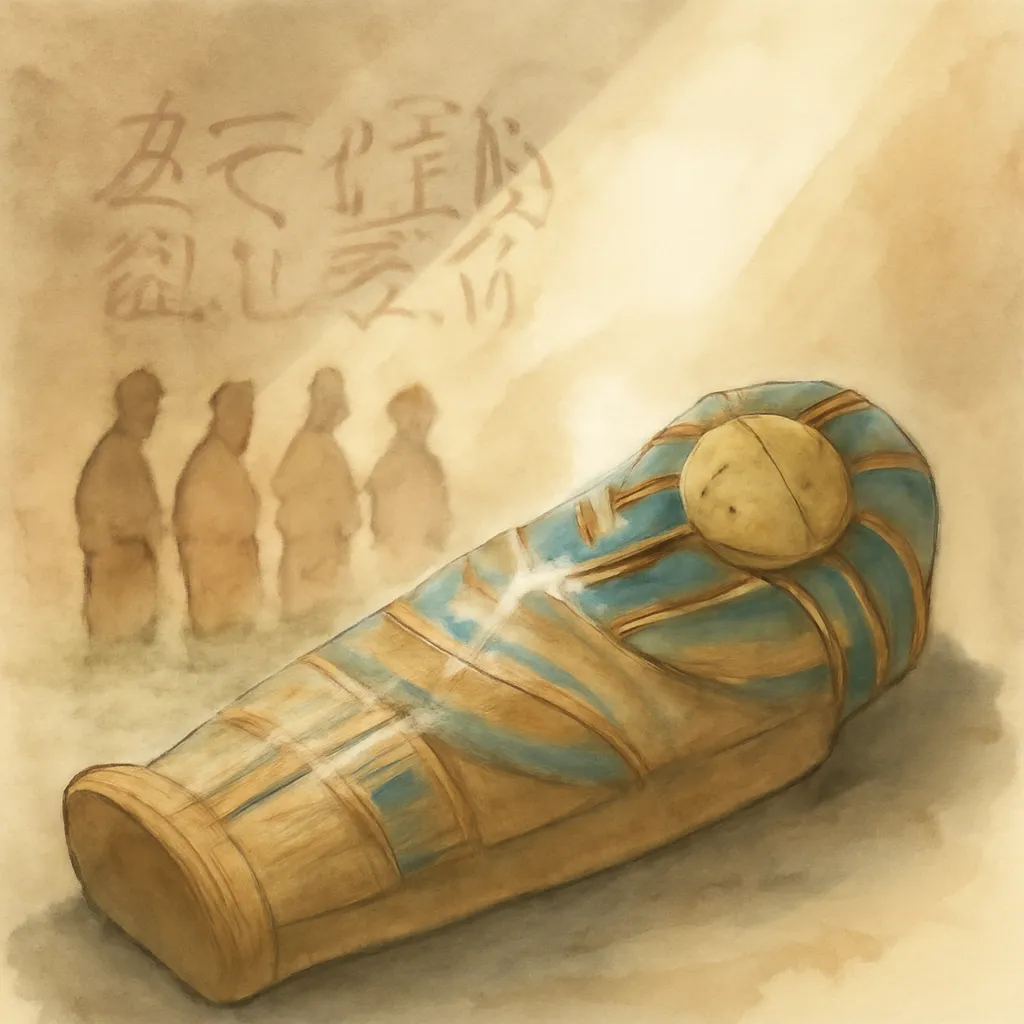
The story is steeped in cultural references, particularly to ancient Egyptian civilization and its artifacts. Braddock’s obsession with mummies and hieroglyphics reflects a broader fascination with the exotic and the unknown. This cultural backdrop serves not only to enrich the narrative but also to provoke reflections on colonialism and the appropriation of ancient cultures. The characters' interactions with these artifacts prompt questions about ownership and the ethics of archaeological pursuits. The mummy itself becomes a symbol of lost histories and the human desire to possess the past. As characters navigate their relationships with these cultural relics, the narrative critiques the often exploitative nature of cultural fascination, underscoring the importance of respect and understanding in the pursuit of knowledge. The cultural elements in the story invite readers to consider the implications of their own fascination with the past and the responsibilities that come with it.
8.The Importance of Truth
As the investigation into Bolton's murder unfolds, the pursuit of truth becomes a central theme. Characters grapple with their own secrets and the implications of their actions, leading to a moral reckoning. The narrative emphasizes the idea that truth, while often elusive, is essential for justice and personal redemption. Inspector Date’s efforts to uncover the murderer reflect the universal desire for truth in the face of deception. As various characters confront their pasts and the consequences of their choices, the story advocates for honesty as a necessary foundation for healthy relationships and societal cohesion. This theme resonates throughout the narrative, highlighting the transformative power of truth and the need for accountability. The tension between truth and deception raises critical questions about how far individuals will go to protect their interests and the moral implications of their choices.
9.Ambition and Its Discontents
The characters' ambitions drive the plot and shape their identities, revealing the complexities of human desire. Each character’s pursuit of wealth, status, or knowledge is fraught with challenges and moral dilemmas. For instance, Archie's financial struggles and his willingness to compromise for love highlight the sacrifices made in the name of ambition. Braddock's relentless quest for archaeological discovery, despite its toll on his family life, serves as a cautionary tale about the perils of unchecked ambition. The narrative illustrates how ambition can inspire greatness but also lead to ethical compromises and personal tragedy. This duality underscores the importance of balancing ambition with empathy and the recognition of one's responsibilities to others. The characters' journeys remind readers that the pursuit of ambition should not come at the expense of personal integrity or relationships.
10.Redemption and Forgiveness
As the story reaches its climax, themes of redemption and forgiveness emerge. Characters confront their past mistakes and seek to make amends, illustrating the potential for personal growth and transformation. Lucy’s journey towards understanding her own desires and the implications of her choices highlights the importance of self-reflection. Similarly, Braddock's eventual recognition of his failings as a father and husband suggests the possibility of redemption through accountability and change. The narrative ultimately advocates for forgiveness as a pathway to healing, emphasizing that acknowledging one's flaws is the first step towards personal and relational growth. This theme resonates deeply, offering hope amidst the chaos of ambition and desire, and suggesting that even the most flawed characters are capable of genuine transformation.