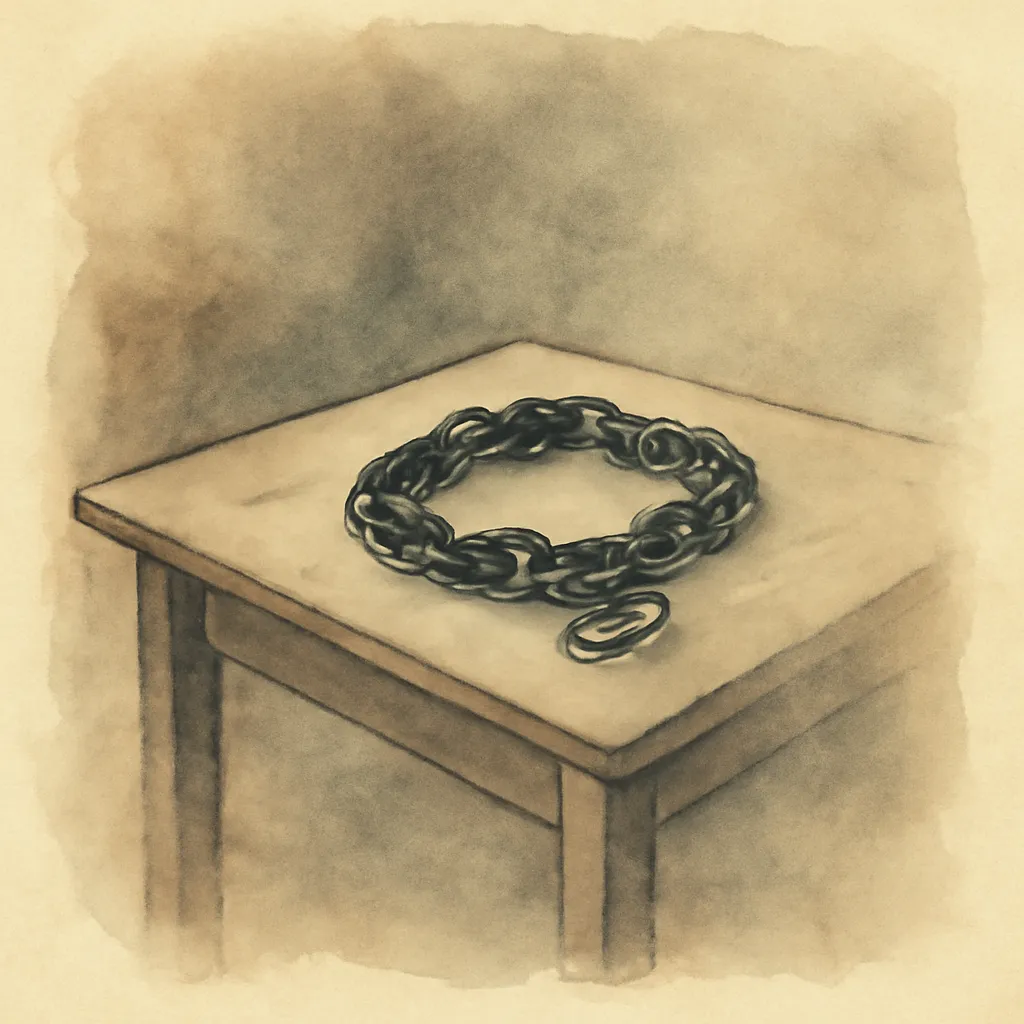
1.The Systemic Nature of Oppression
Solzhenitsyn reveals that the Gulag was not an aberration or a few isolated camps, but a vast, bureaucratic system woven into the fabric of Soviet society. The book exposes how repression was institutionalized, with laws, procedures, and entire government departments dedicated to arrest, interrogation, and punishment. This systemic approach implicates not just leaders but countless ordinary people, showing how totalitarianism depends on widespread participation and complicity.
2.The Banality and Psychology of Evil
One of Solzhenitsyn’s most unsettling insights is that evil is often committed by ordinary individuals who rationalize their actions or simply follow orders. He explores how people justify cruelty—through ideology, fear, or self-preservation—and how the machinery of the Gulag relied on countless small acts of betrayal and indifference. This challenges readers to reflect on the moral choices made under pressure and the ease with which people can become agents of injustice.
3.Survival, Resistance, and the Human Spirit
Amidst the brutality, Solzhenitsyn highlights stories of dignity, solidarity, and resistance. He documents how prisoners found ways to maintain their humanity—through acts of kindness, secret prayer, intellectual debate, or simply refusing to betray others. These moments, though rare, serve as powerful reminders that even in the darkest circumstances, individuals can assert their moral agency and refuse to be broken.
4.Memory as Resistance
The act of remembering and bearing witness is itself a form of resistance for Solzhenitsyn. By collecting testimonies and recounting his own experiences, he confronts the Soviet state’s attempts to erase or deny its crimes. The book insists that truth-telling is essential for justice and healing, and that societies must confront their own histories, however painful, to avoid repeating them.
5.The Corrosive Effects of Fear and Lies
Solzhenitsyn explores how fear and dishonesty permeate every level of a repressive society. The constant threat of arrest, torture, and betrayal creates an atmosphere where trust dissolves and people become isolated. Lies—both public and private—are shown to be the lifeblood of the system, distorting reality and undermining any sense of shared morality.
6.Moral Responsibility and the Limits of Excuse
A recurring theme is the question of individual responsibility. Solzhenitsyn refuses to let anyone—guards, informers, or even prisoners—off the hook for their choices. He acknowledges the pressures and dangers, but insists that each person must confront their own conscience. This insistence on moral accountability gives the book its enduring ethical force.