1.The Gulf as an American Sea
Davis reframes the Gulf of Mexico not just as a geographical feature, but as a central stage in the American story. He argues that the Gulf has shaped the nation’s economy, culture, and identity as much as any river or mountain range. By tracing the region’s influence on everything from seafood to hurricanes, Davis invites readers to see the Gulf as a living, dynamic entity that is both uniquely American and globally significant.
2.Nature at the Center of History
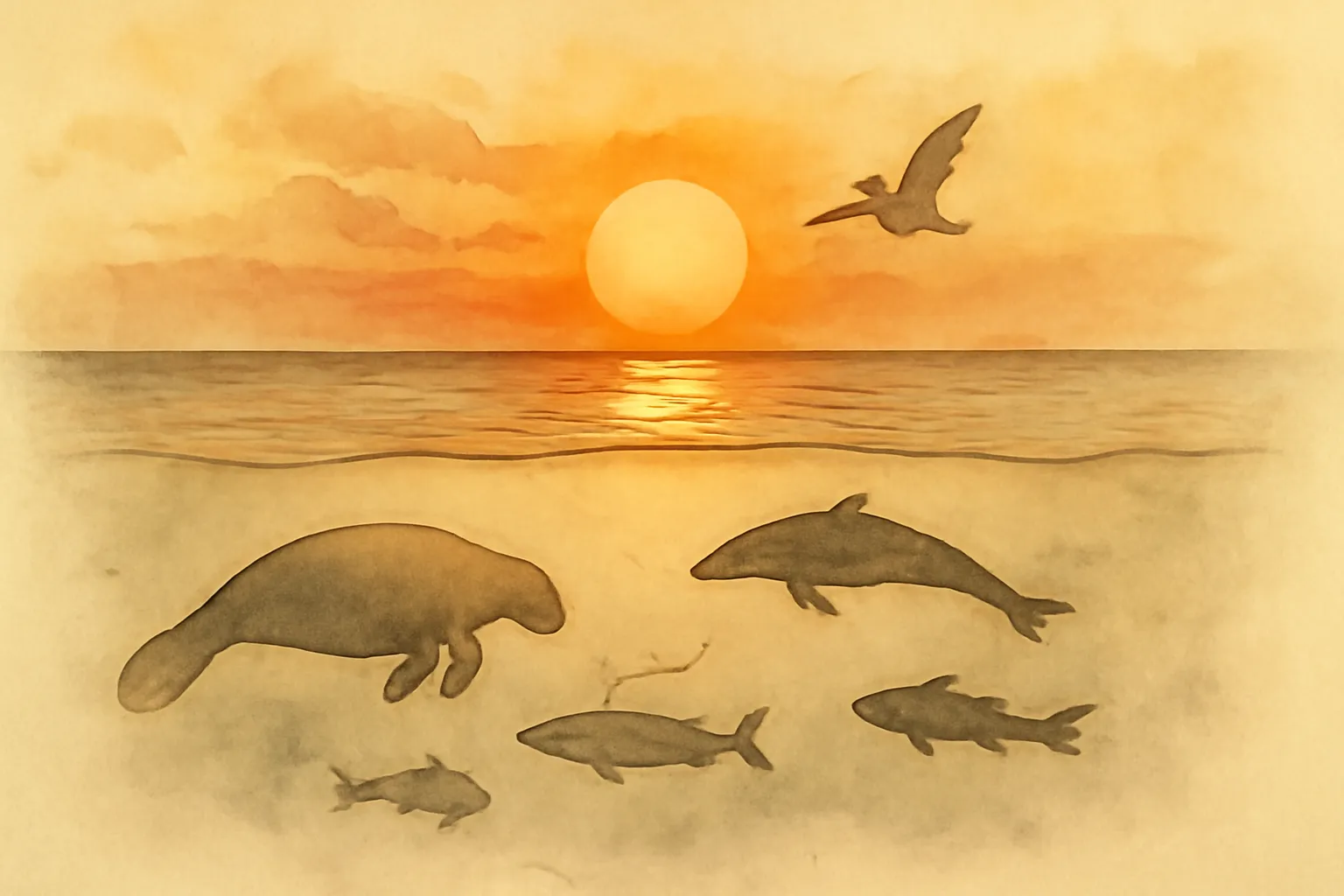
Unlike traditional histories that focus on human actors, Davis places the Gulf’s natural environment at the heart of his narrative. He details how its rich estuaries, barrier islands, and marine life have sustained human communities for millennia, and how the interplay between people and nature has defined the region. This approach highlights the interconnectedness of ecological and human histories, making the case that understanding one is impossible without the other.
3.Cycles of Abundance and Exploitation
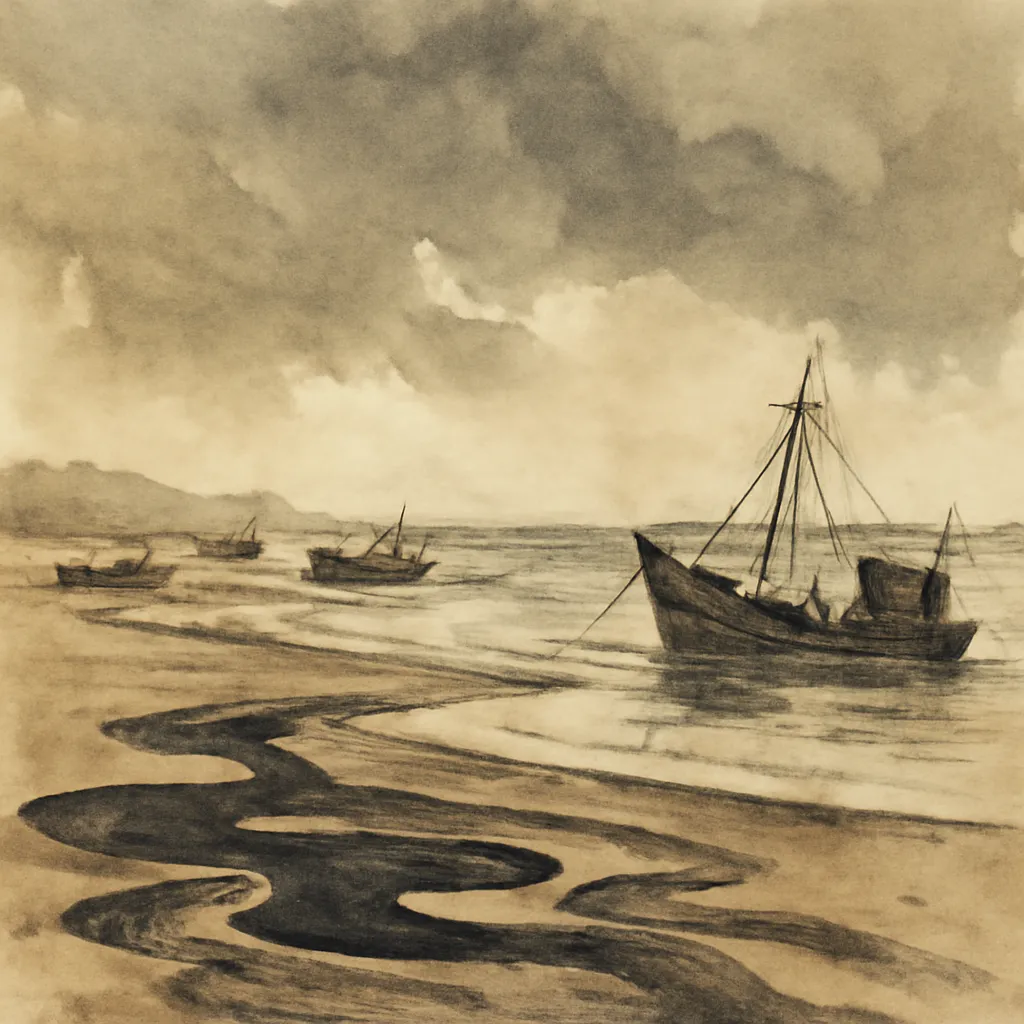
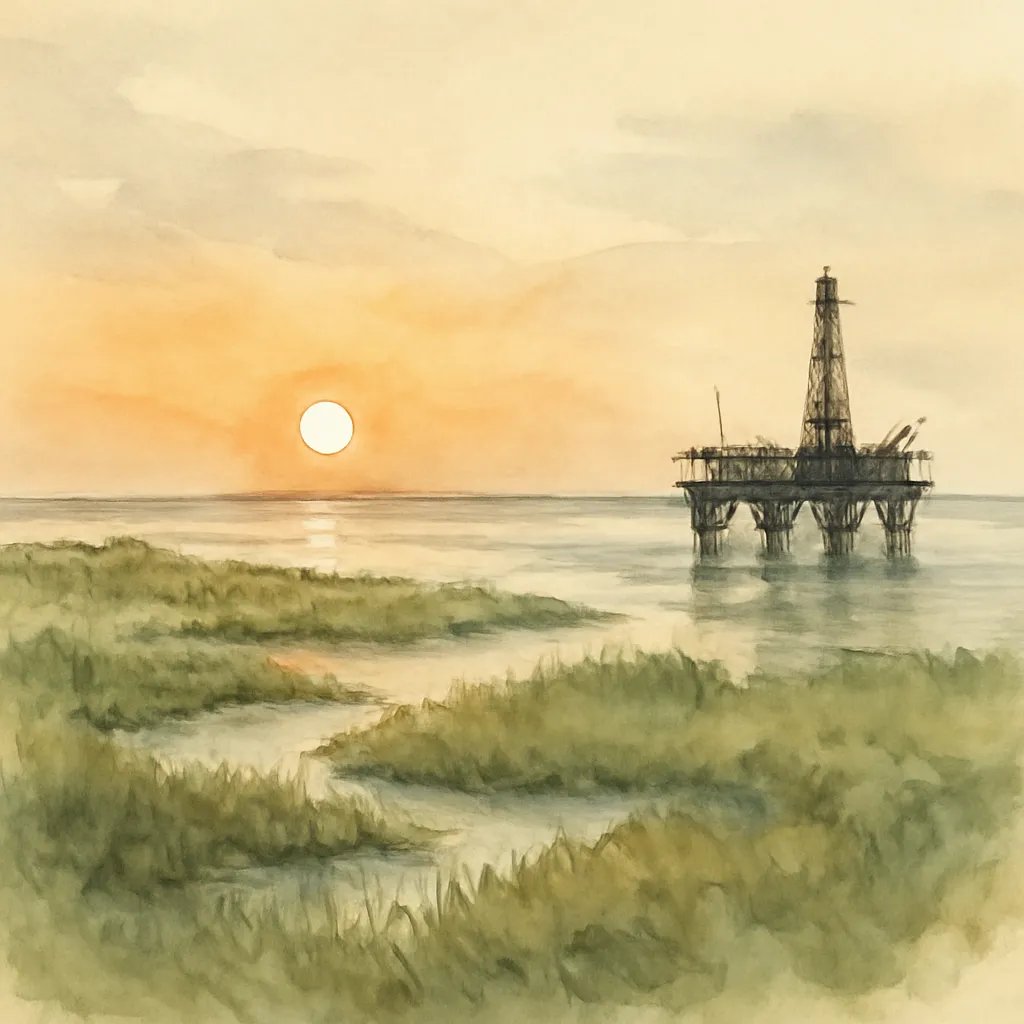
The Gulf’s bounty—its fisheries, wetlands, and energy resources—has long attracted both sustenance seekers and profiteers. Davis chronicles how waves of exploitation, from overfishing to oil extraction and coastal development, have repeatedly threatened the Gulf’s health. Yet, he also acknowledges the resilience of its ecosystems and the efforts of those who have fought to preserve them, illustrating the ongoing tension between abundance and depletion.
4.A Mosaic of People and Stories
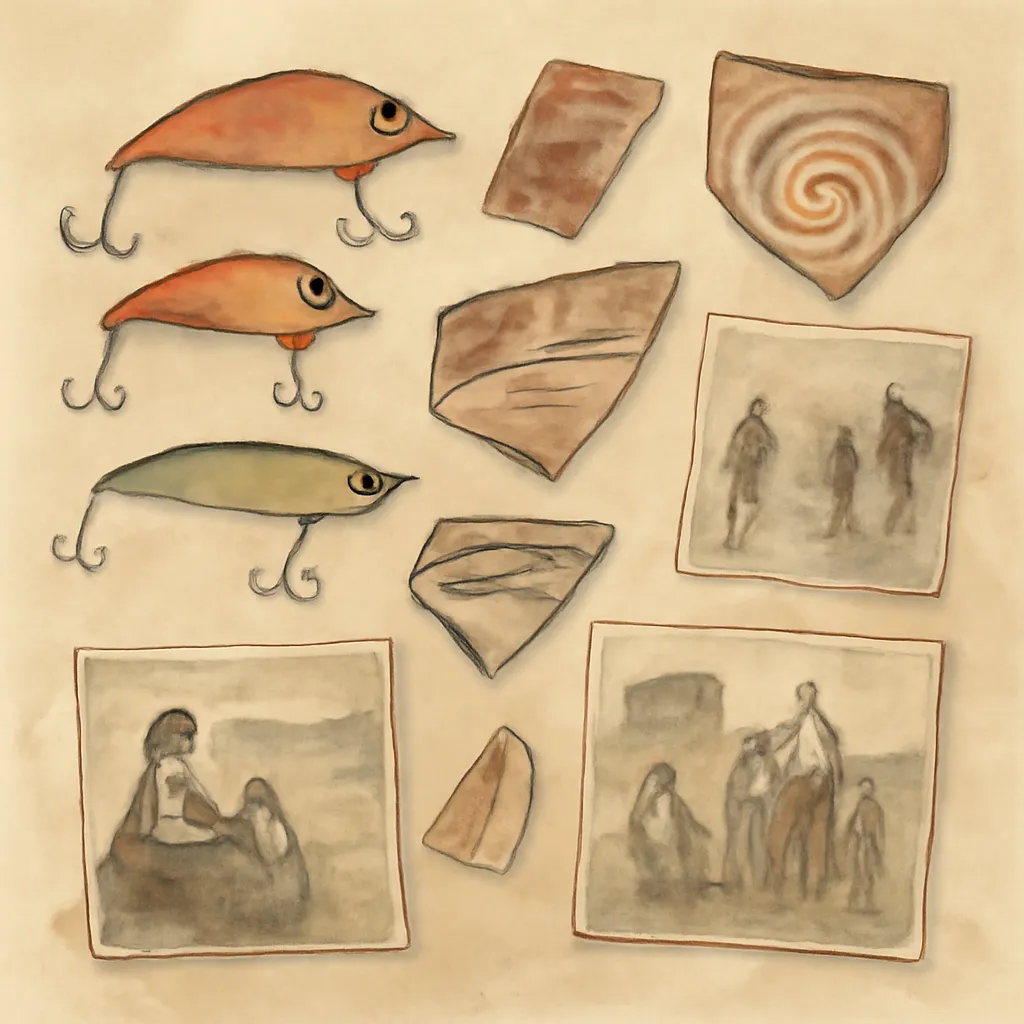
Through vivid storytelling, Davis introduces a diverse cast: Native peoples, Spanish explorers, shrimpers, sportsmen, oilmen, and conservationists. Each group’s relationship with the Gulf reveals different values and impacts, from reverence and stewardship to exploitation and neglect. By humanizing the region’s history, Davis shows how cultural attitudes toward the Gulf have shifted—and how they continue to shape its future.
5.Environmental Reckoning and Hope
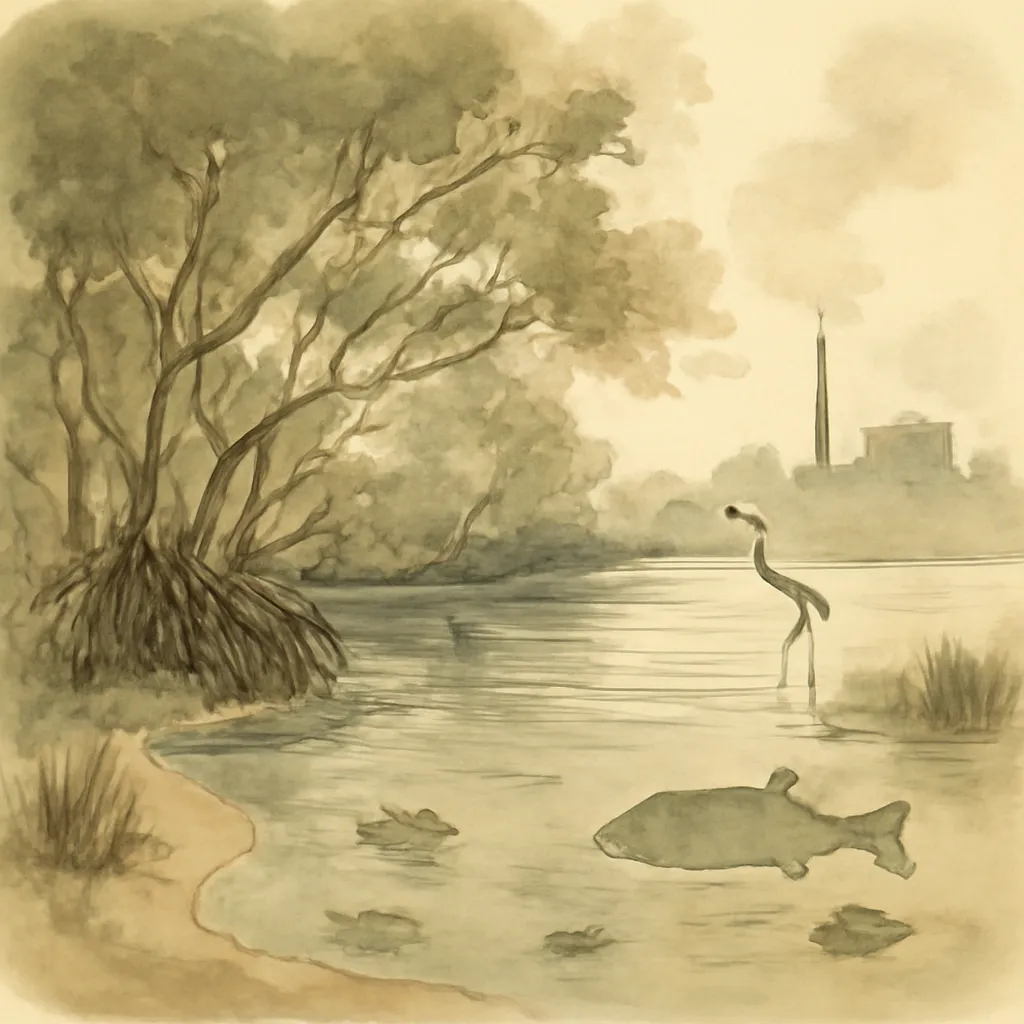
Davis does not shy away from the Gulf’s environmental crises, including catastrophic hurricanes, the Deepwater Horizon oil spill, and the looming challenge of climate change. Yet, he balances this with stories of recovery, adaptation, and activism. The book ultimately asks whether Americans can learn from the Gulf’s history to forge a more sustainable relationship with nature—one that values long-term health over short-term gain.
6.Regional History, National Lessons
By focusing on a single region, Davis demonstrates how local histories can illuminate broader national and even global patterns. The Gulf’s story is a microcosm of America’s environmental past—its triumphs, failures, and possibilities. Davis suggests that by understanding the Gulf, readers can better grasp the stakes of environmental stewardship everywhere.