1.The Human Cost of Liberation
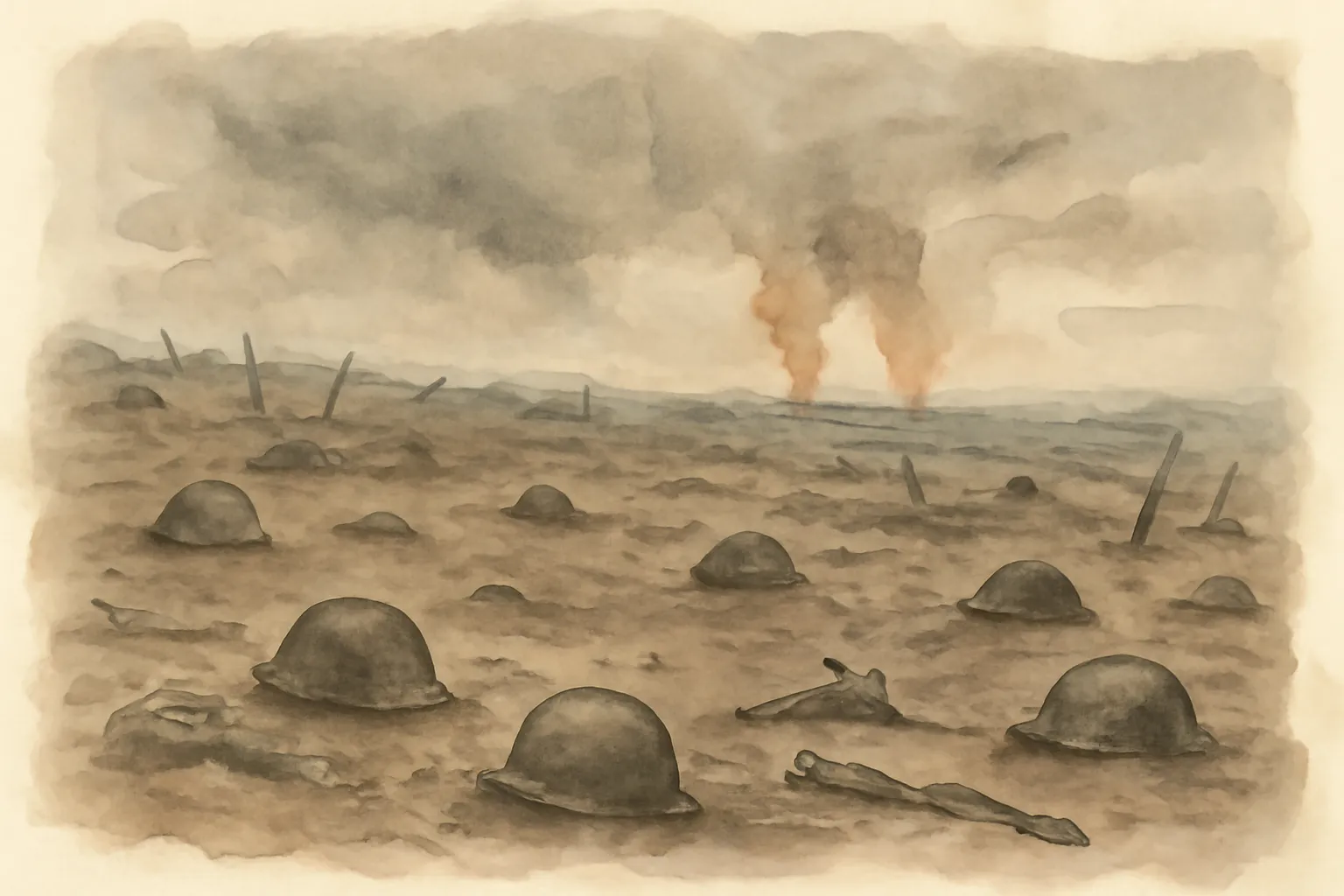
Atkinson places the suffering and sacrifice of soldiers and civilians at the heart of his narrative. He details not just the grand strategies and famous leaders, but also the daily grind and terror faced by ordinary people. The book is unflinching in its depiction of loss, exhaustion, and the moral ambiguities of war, reminding readers that victory came at a staggering price.
2.Leadership Under Fire
The book scrutinizes Allied leadership, especially Eisenhower, Montgomery, and Patton, highlighting their strengths, flaws, and the tensions between them. Atkinson shows how personality clashes, differing national priorities, and the sheer scale of the campaign complicated decision-making, sometimes with tragic consequences.
3.Logistics: The Unsung Hero
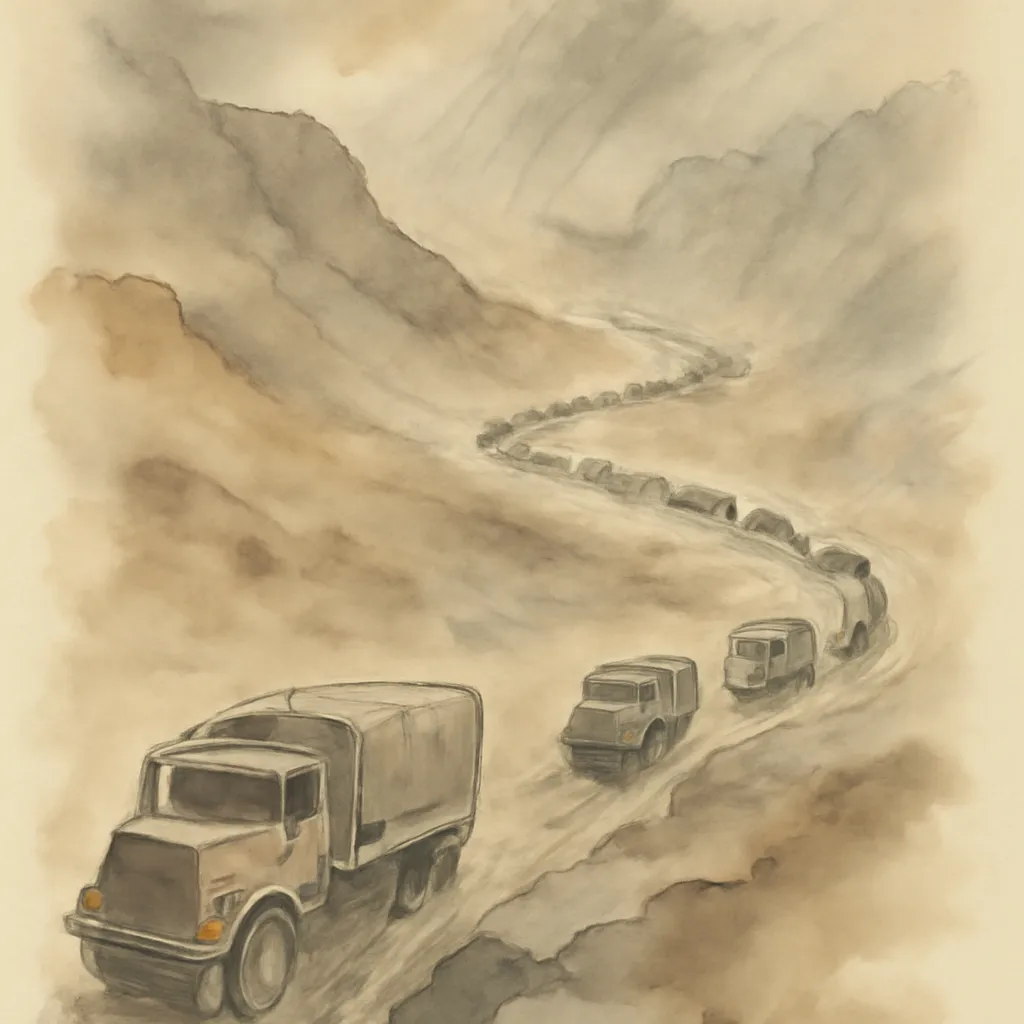
A recurring theme is the immense logistical challenge of sustaining the Allied advance. Atkinson explains how supply lines, fuel shortages, and the movement of men and materiel were as decisive as battlefield tactics. He demonstrates that wars are won not just by bravery, but by the ability to feed, fuel, and equip armies at the right time and place.
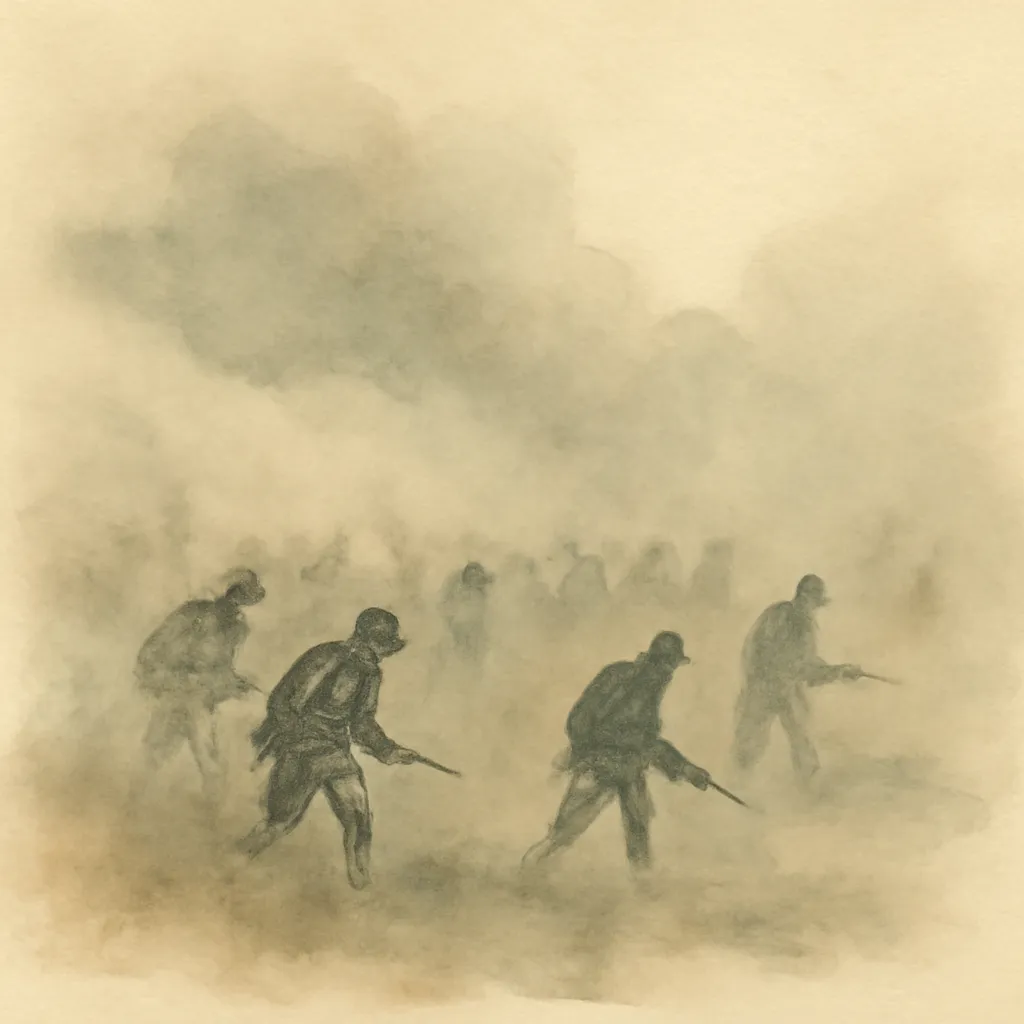
4.The Fog of War and Unintended Consequences
Atkinson emphasizes the unpredictability of war. Plans often went awry, and even the best generals made costly mistakes. The narrative is filled with examples of miscommunication, friendly fire, and operations that failed to achieve their objectives, illustrating the chaos inherent in large-scale conflict.
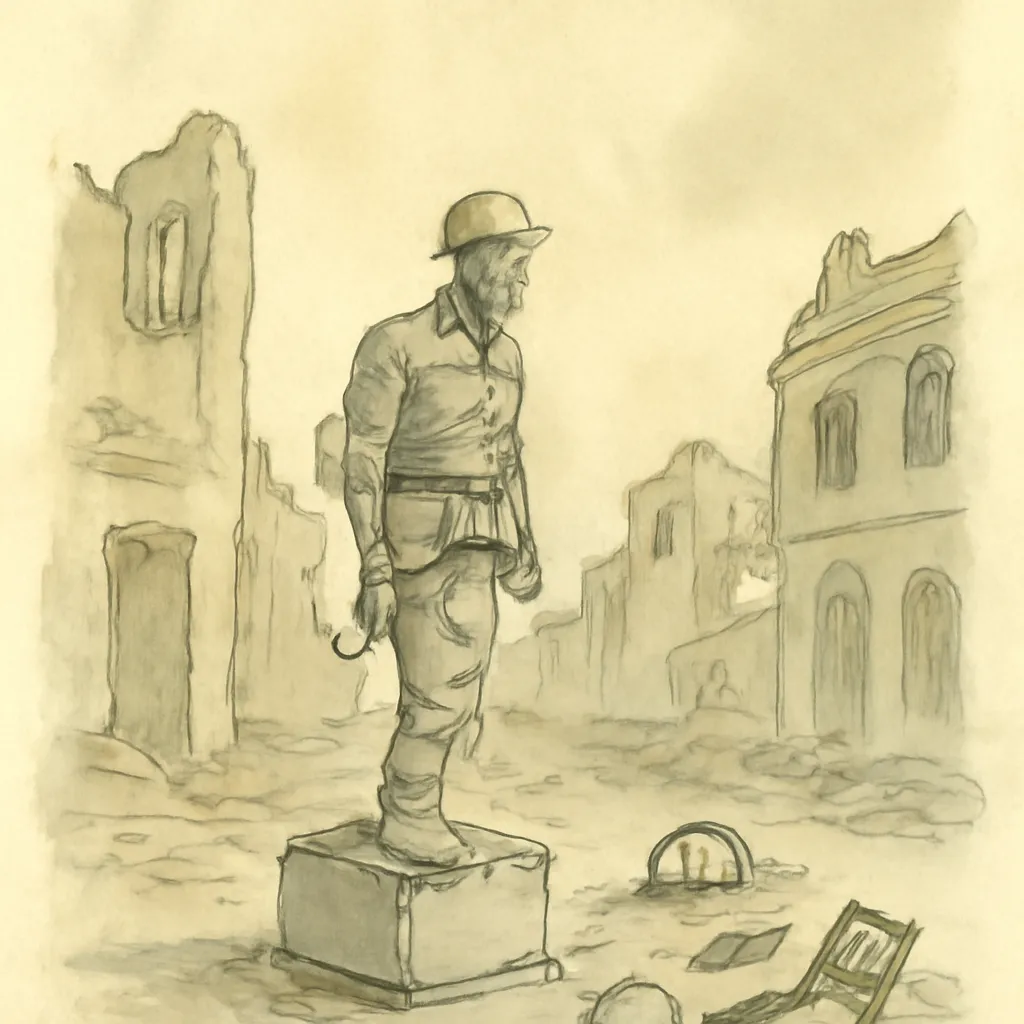
5.Liberation and Its Aftermath
The book explores the complex aftermath of liberation for Western Europe. Atkinson does not romanticize the Allies as flawless liberators; instead, he examines the challenges of occupation, the suffering of civilians, and the difficult process of rebuilding shattered societies, raising questions about the true cost and meaning of victory.
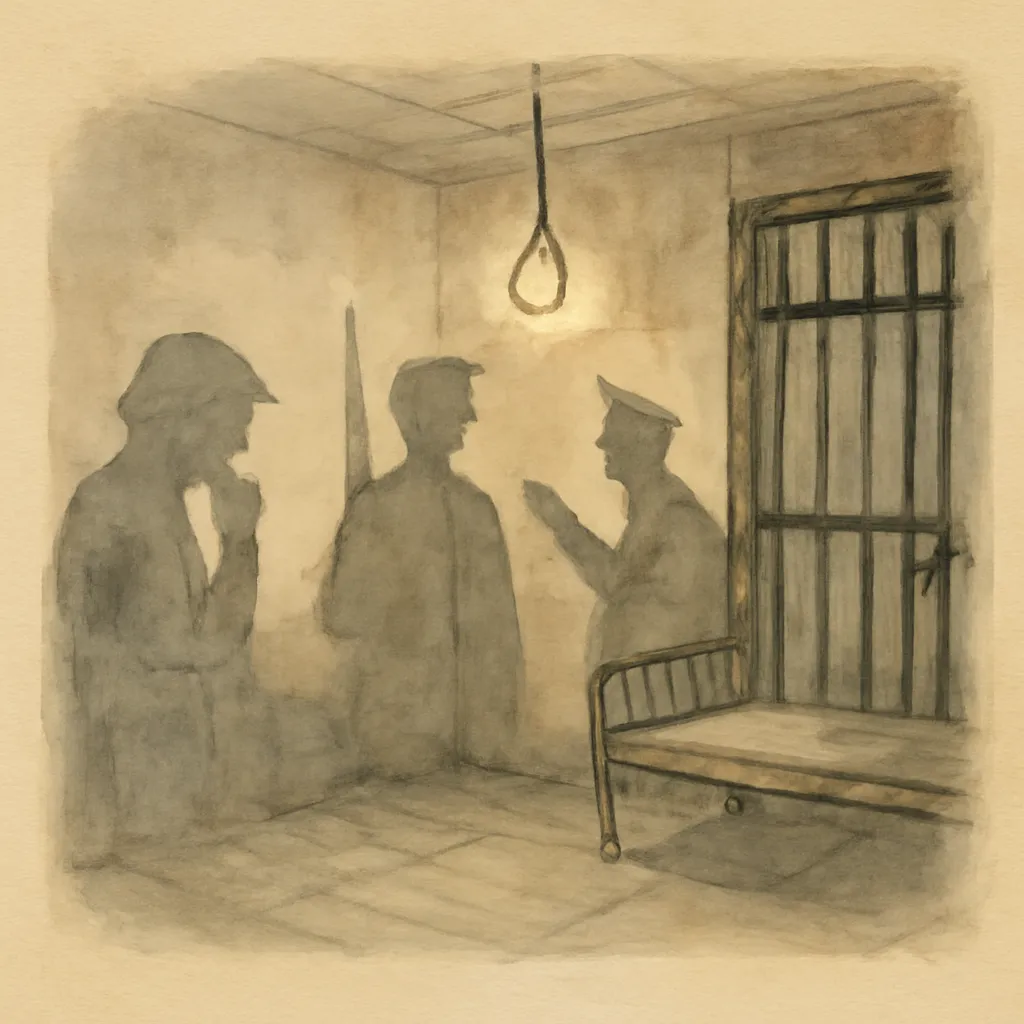
6.The Moral Dimension of War
Throughout, Atkinson grapples with the ethical dilemmas faced by commanders and soldiers. From the bombing of cities to the treatment of prisoners and civilians, the book asks what it means to fight a 'just war' and whether the ends justified the means in the struggle against Nazi Germany.