1.Travel as a Path to Self-Discovery
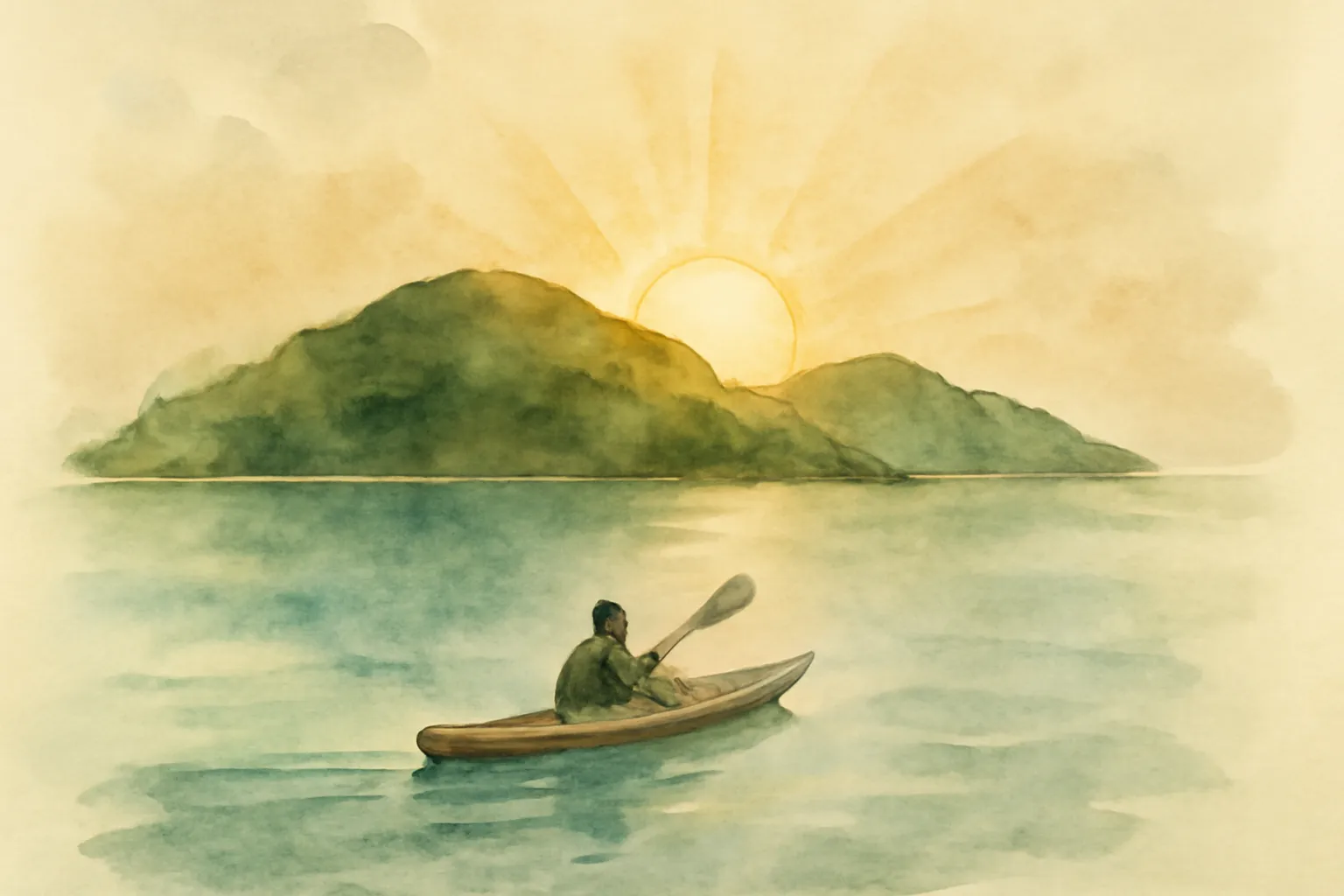
Theroux’s journey is as much inward as outward. Recently separated and facing personal upheaval, he uses the physical challenge and isolation of kayaking to confront his own anxieties and mortality. The book explores how travel, especially in unfamiliar and demanding environments, can strip away distractions and force deep introspection, revealing both vulnerability and resilience.
2.The Contradictions of Paradise
While Oceania is often romanticized as a tropical paradise, Theroux uncovers its complexities: environmental degradation, colonial legacies, poverty, and the clash between tradition and modernity. He resists easy stereotypes, instead portraying the islands as places of both beauty and hardship, where the idea of 'paradise' is often at odds with reality.
3.Encounters with Island Cultures
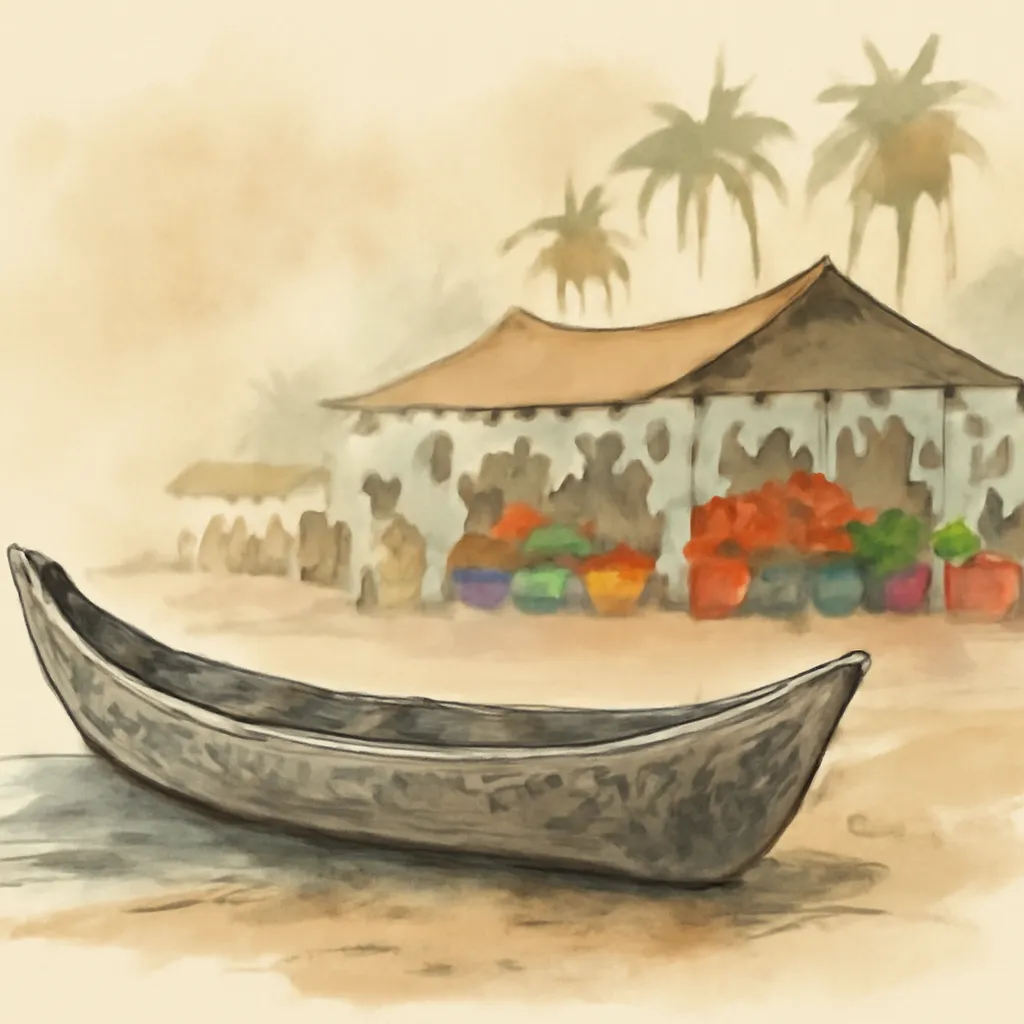
Theroux’s interactions with islanders are central to the narrative. He observes how globalization, tourism, and Western influence have shaped and sometimes eroded local customs. Yet he also finds resilience and humor in the people he meets, highlighting the diversity and adaptability of Pacific cultures.
4.Solitude and the Joys of Slow Travel
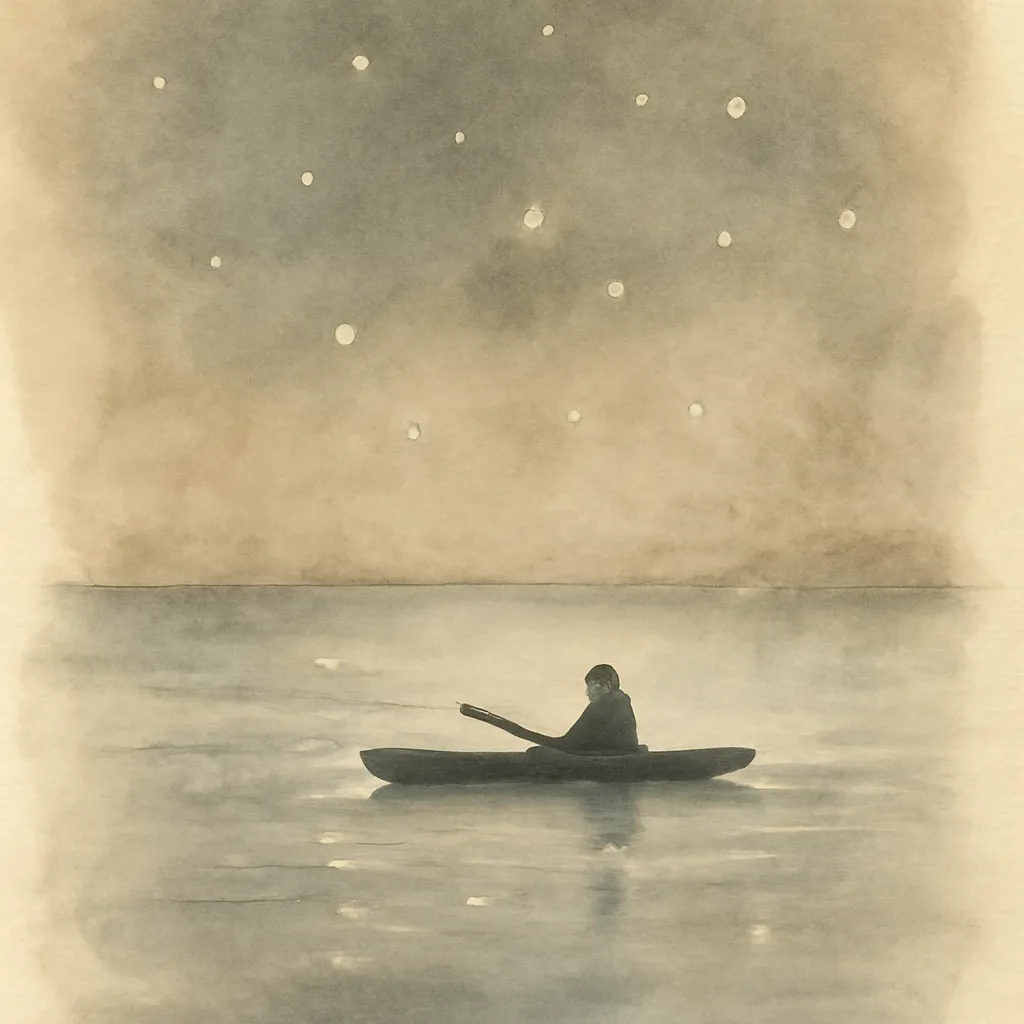
Kayaking alone for months, Theroux reflects on the virtues of solitude and the different pace of life on the water. The slow, physically demanding journey allows for a deeper engagement with the landscape and its inhabitants, contrasting sharply with the superficiality of mass tourism.
5.Nature’s Power and Fragility
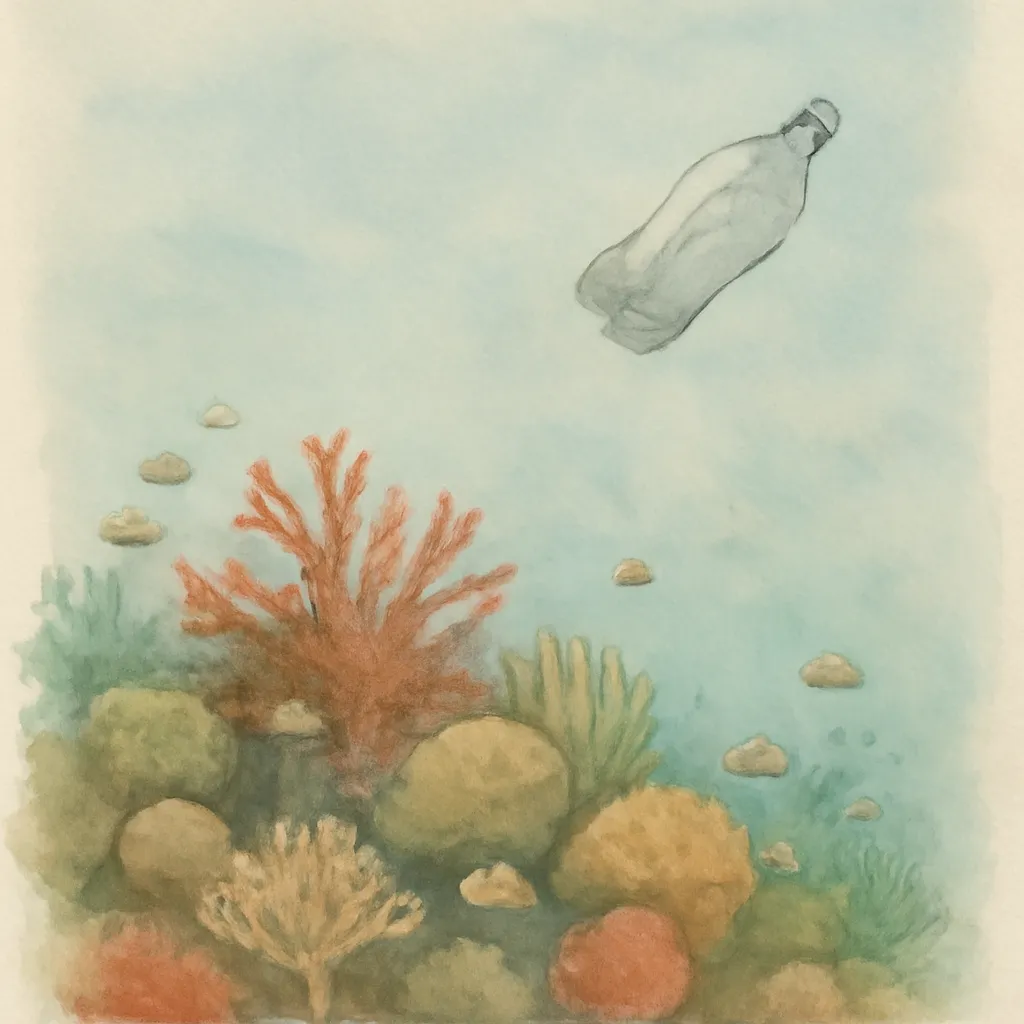
The Pacific Ocean and its islands are both majestic and precarious. Theroux describes the natural beauty he encounters, but also the threats posed by pollution, climate change, and overdevelopment. His observations serve as an early warning about the vulnerability of these environments.
6.The Limits of the Outsider’s Perspective
Theroux is keenly aware of his status as a foreigner and the limitations that come with it. He grapples with the ethics of travel writing—how to represent cultures truthfully without exoticizing or judging, and the inevitable gaps in understanding that remain.