1.Mindfulness as a Way of Being
Kabat-Zinn emphasizes that mindfulness is not simply a set of exercises or meditative practices, but a fundamental shift in how we relate to our thoughts, emotions, and sensations. By cultivating present-moment awareness without judgment, we create space to respond to life's challenges with greater clarity and compassion. This shift can lead to a deeper sense of peace, resilience, and acceptance, even in the face of pain or adversity.
2.The Science of Healing and Neuroplasticity
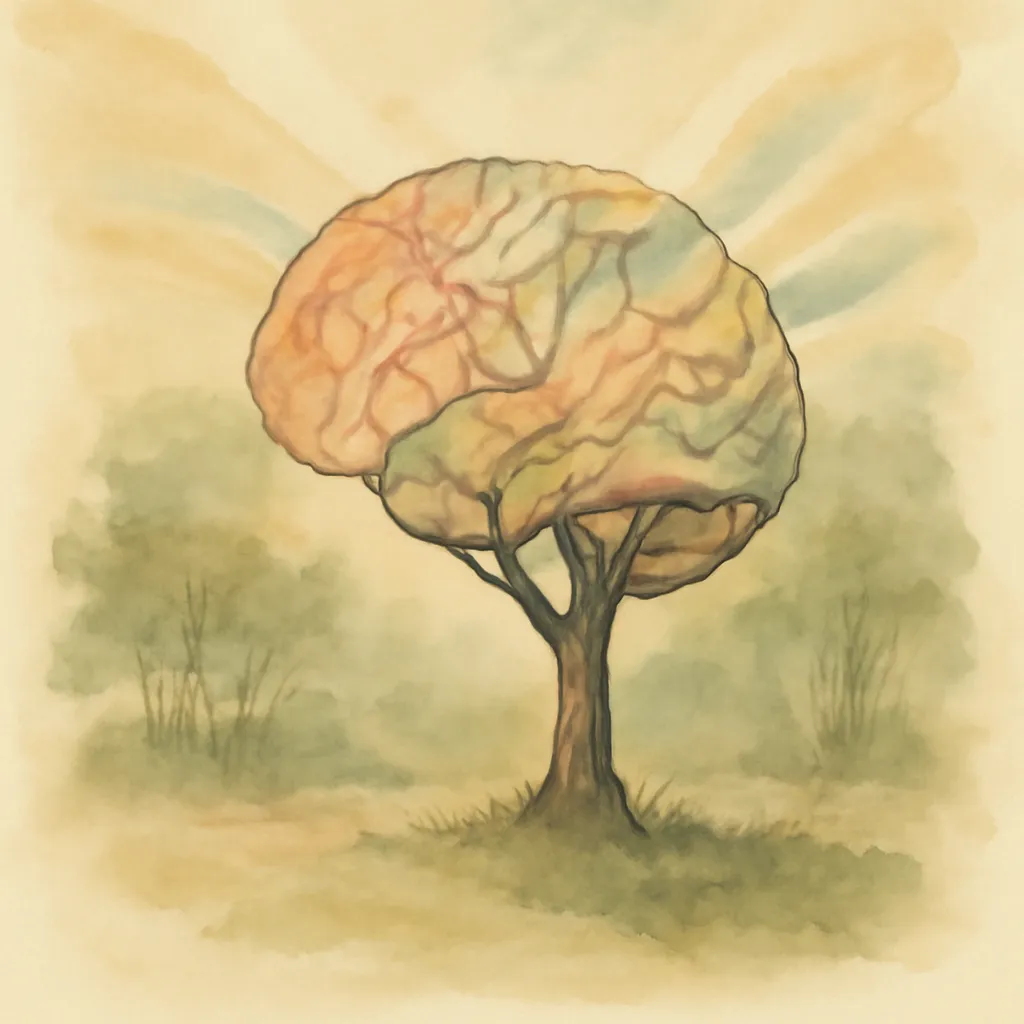
A major theme of the book is the growing scientific evidence that mindfulness can bring about measurable changes in the brain and body. Kabat-Zinn discusses research on neuroplasticity, showing that regular mindfulness practice can reshape neural pathways associated with stress, pain, and emotional reactivity. This scientific grounding helps demystify mindfulness and positions it as a credible complement to conventional medicine.
3.Transforming Our Relationship with Pain and Illness
Rather than promising to eliminate pain or disease, Kabat-Zinn invites readers to explore how mindfulness can change their relationship to discomfort. By observing sensations and emotions with openness, rather than resistance or fear, individuals can reduce suffering and find new ways to cope with chronic pain, anxiety, or illness. This approach empowers people to reclaim agency over their own healing journey.
4.Mindfulness in Everyday Life
The book stresses that mindfulness is not limited to formal meditation. Everyday activities—walking, eating, listening—can become opportunities for mindful presence. Kabat-Zinn provides practical guidance for integrating mindfulness into daily routines, making it accessible to people regardless of their background or experience level.
5.Facing Mortality and Embracing Impermanence
Kabat-Zinn does not shy away from life’s ultimate challenges, including aging and mortality. He argues that mindfulness can help us face the reality of impermanence with greater equanimity and gratitude. By learning to be present with 'what is,' even when it is difficult, we can live more fully and make peace with the transience of existence.
6.The Power of Acceptance and Non-Judgment
Central to Kabat-Zinn’s teaching is the idea that healing begins with acceptance—of ourselves, our circumstances, and our limitations. Non-judgmental awareness fosters self-compassion and reduces the inner struggle that often exacerbates suffering. This attitude of acceptance is not passive resignation, but an active, courageous engagement with life as it unfolds.