1.Community Across Difference
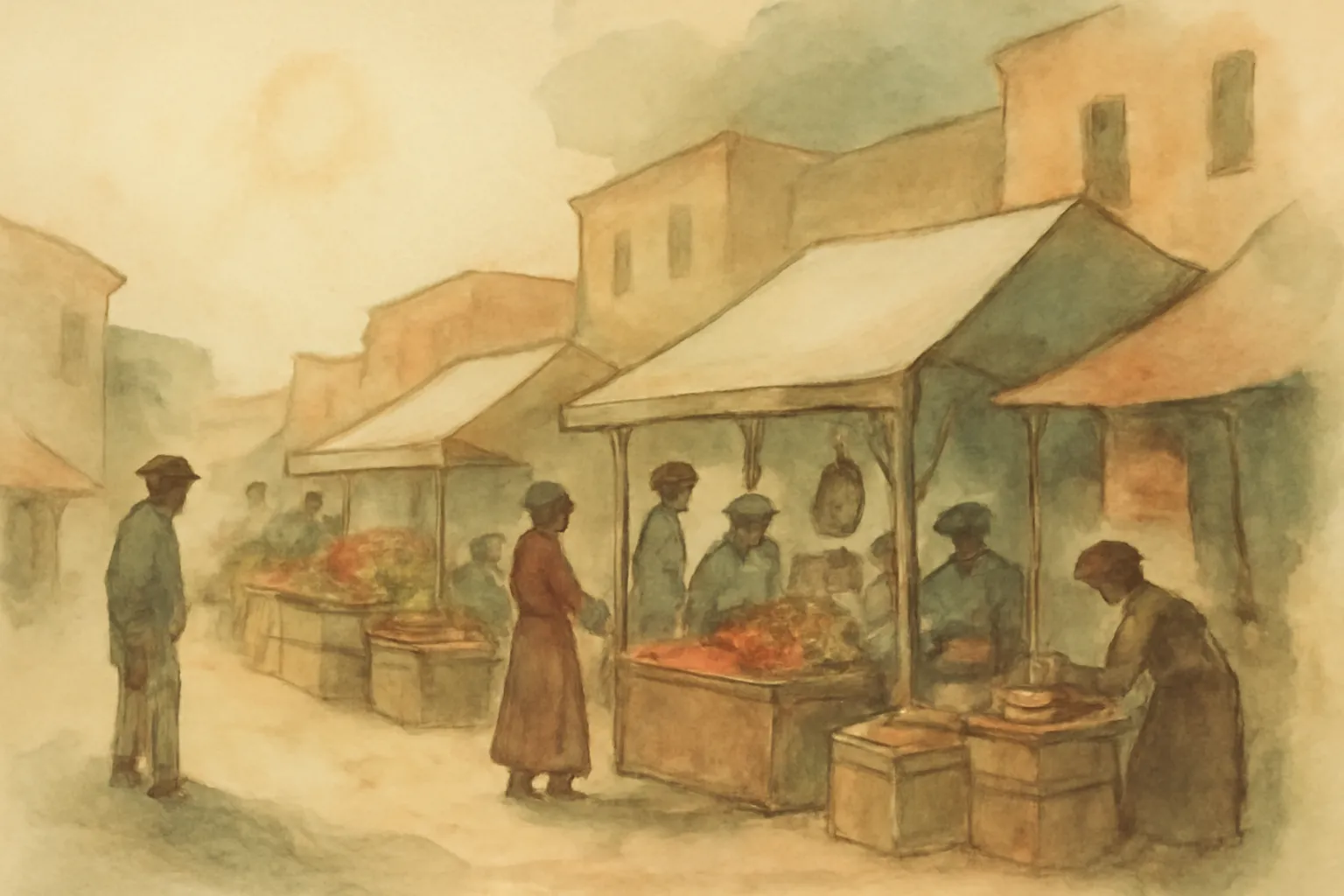
At the heart of the novel is Chicken Hill, a neighborhood where African Americans and Jewish immigrants coexist, forging bonds in the face of exclusion by the town’s white establishment. McBride shows how shared marginalization can foster solidarity, mutual aid, and even joy, despite the ever-present threat of prejudice. The Heaven & Earth Grocery Store itself becomes a symbol of this interdependence—a place where cultures collide, secrets are kept, and lives intertwine. The story illustrates how community is not just a matter of proximity but of active care and risk-taking on behalf of others.
2.The Weight and Power of Secrets
The discovery of a skeleton in a well serves as a catalyst for unraveling long-held secrets that have shaped the lives of Chicken Hill’s residents. McBride uses this mystery to explore how secrets can both protect and endanger, binding people together while also perpetuating cycles of fear and injustice. The novel asks readers to consider what is lost and gained when communities choose silence over confrontation, and how truth, when finally revealed, can be both liberating and devastating.
3.Survival and Resistance
Survival in Chicken Hill is an act of daily resistance. Characters must navigate not only poverty but also the institutional racism and anti-Semitism that threaten their safety and dignity. McBride’s characters—especially the resourceful Chona Ludlow and the determined Nate Timblin—show how small acts of defiance and compassion can become forms of resistance. The novel highlights the ingenuity required to survive on the margins and the moral choices that come with it.
4.The Role of Institutions and Power
McBride is unflinching in his depiction of how the town’s white establishment wields power through institutions—police, hospitals, and government—often to the detriment of Chicken Hill’s residents. The story exposes the ways in which systemic injustice is perpetuated through bureaucracy and indifference, and how those with little formal power can nevertheless subvert these systems through collective action and cunning.
5.Love as Redemption and Sustenance
Despite the darkness that hovers over Chicken Hill, the novel is suffused with moments of tenderness and love—between spouses, neighbors, and even unlikely friends. McBride suggests that love, in its many forms, is what enables people to endure suffering and injustice. It is both a personal and communal force, capable of healing wounds and inspiring acts of extraordinary courage.
6.Memory, History, and Belonging
The Heaven & Earth Grocery Store is as much about the stories people tell as the lives they lead. McBride explores how memory and history—both personal and collective—shape identity and belonging. The novel is a meditation on whose stories are remembered, whose are forgotten, and what it means to claim a place in the world amid shifting tides of acceptance and exclusion.