1.Selwood's Role as the Reluctant Detective

Selwood starts as Jacob Herapath's secretary, embodying the archetype of an ordinary man thrust into extraordinary circumstances. His initial portrayal focuses on his mundane duties and the peculiarities of his employer, but when Herapath goes missing, Selwood's character undergoes a profound transformation. He evolves from a passive bystander into an active participant in the investigation, showcasing his instincts and intelligence. The narrative emphasizes how Selwood's observations and interactions with the household provide crucial insights into the relationships and tensions at play. This transformation invites readers to consider how everyday individuals can be propelled into roles of significance when faced with crisis, revealing the latent potential for courage and resourcefulness that lies within us all. Selwood's journey reflects the theme of responsibility and the burden of knowledge, compelling him to confront not only the mystery at hand but also his own moral compass.
2.Jacob Herapath's Dual Nature
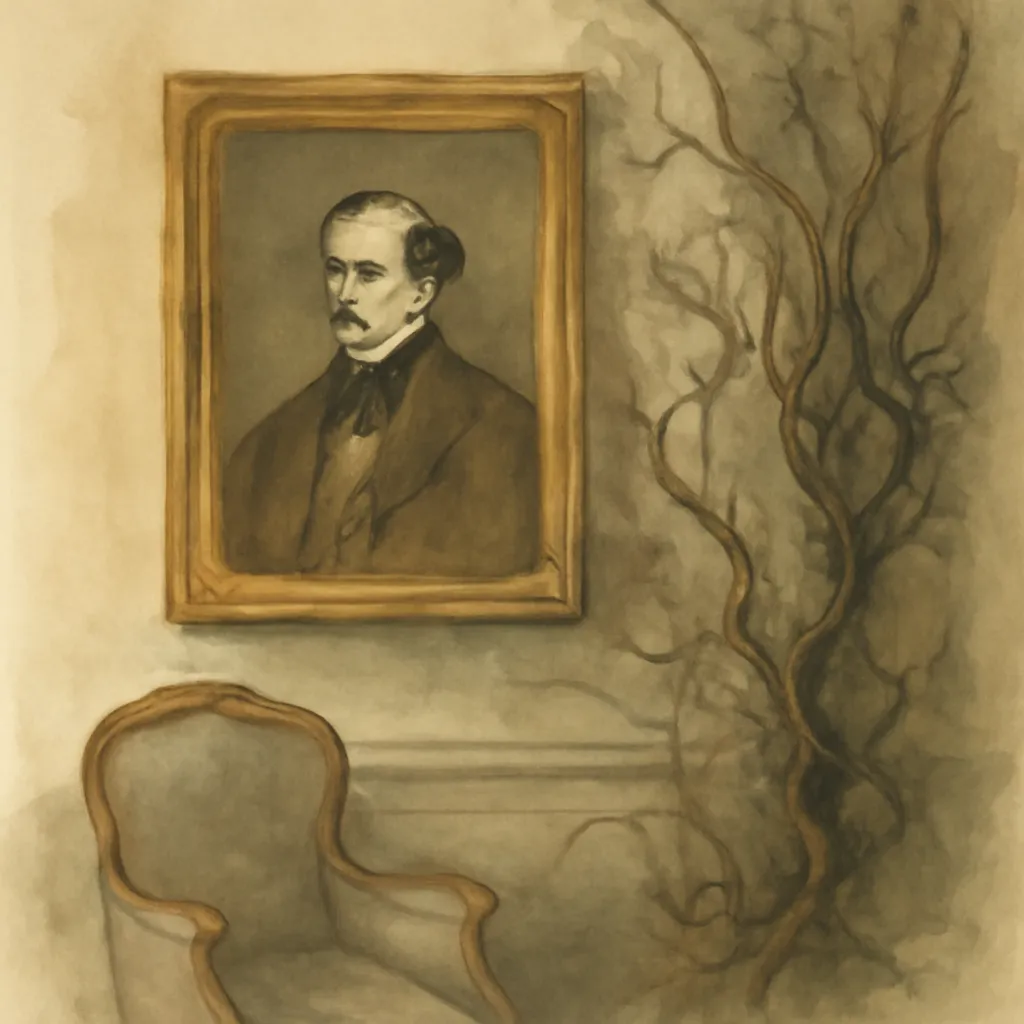
Jacob Herapath is depicted as a multifaceted character whose public persona as a respected politician contrasts sharply with the private eccentricities that define his life. His obsession with meticulous details—ranging from sanitation to lighting—paints a picture of a man deeply invested in his ideals yet disconnected from the personal relationships surrounding him. Fletcher crafts Herapath as a figure of authority and influence, but also as an isolated individual whose strict adherence to his principles isolates him from those he should connect with. This duality raises questions about the nature of success and the personal sacrifices made in its pursuit. Through Herapath's character, Fletcher explores the tension between societal expectations and personal fulfillment, forcing readers to examine the costs of ambition and the emotional toll of leading a life dedicated to public service. Herapath's complexity serves as a mirror for the characters he leaves behind, each of whom grapples with the fallout of his life choices.
3.The Catalyst of Mystery: Herapath's Disappearance
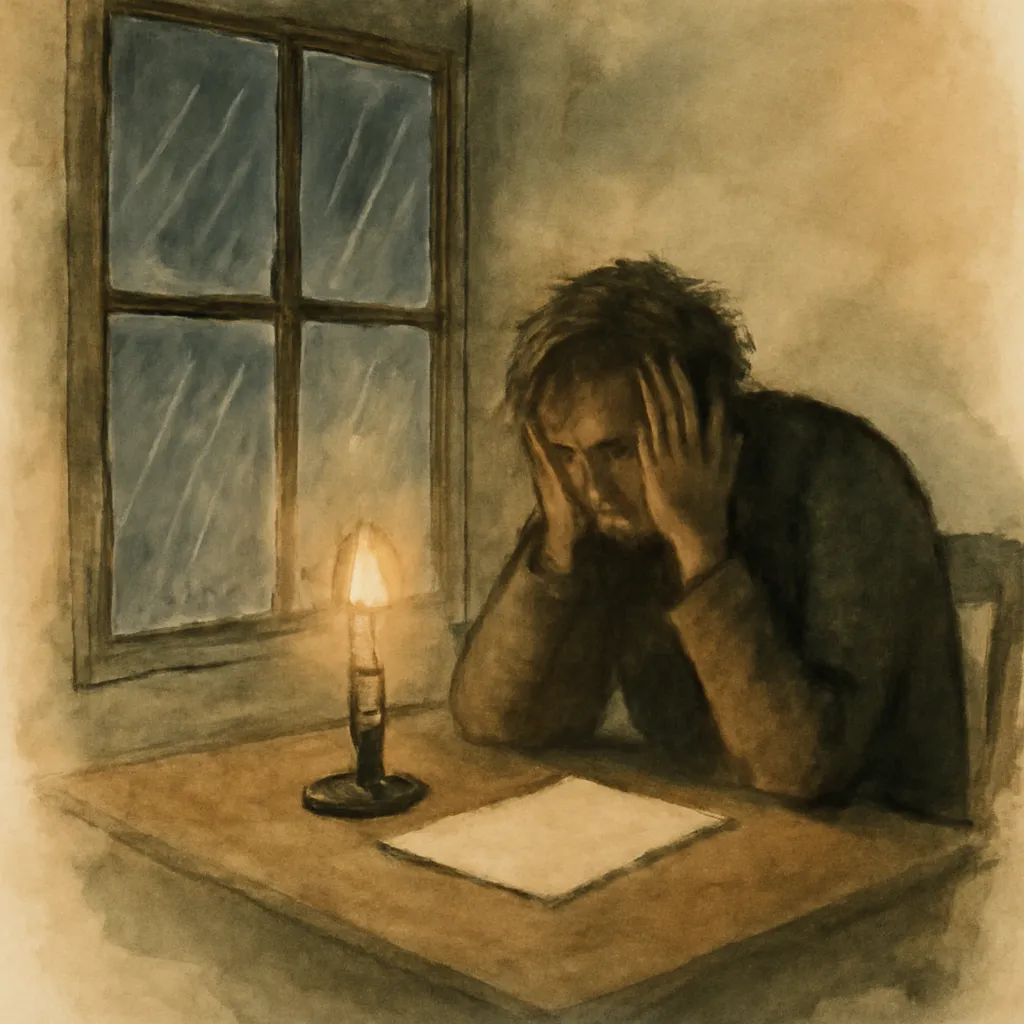
The narrative takes a dramatic turn when Selwood receives an urgent call from Kitteridge, the butler, signaling that Jacob Herapath has vanished without a trace. This inciting incident thrusts the reader into a state of uncertainty and urgency, highlighting the immediate reactions of the household staff as they grapple with the implications of his absence. The initial investigation, characterized by confusion and fear, raises questions about Herapath's last known actions and the potential for foul play. The scene effectively sets the tone for the ensuing mystery, emphasizing themes of anxiety and the unknown. As Selwood navigates the initial chaos, he encounters a range of emotions—from the anxiety of Kitteridge to Mountain's contemplative observations—each contributing to the mounting tension. This moment serves as a crucial pivot in the narrative, transitioning from the mundane to the mysterious, and inviting readers to invest in the unfolding drama.
4.Character Introductions: The Web of Relationships

As the investigation unfolds, Fletcher introduces key characters such as Barthorpe Herapath, Jacob's nephew, and Peggie Wynne, whose interactions with Selwood provide insight into the familial dynamics at play. Barthorpe is portrayed as a figure of authority, exuding a mix of ambition and resentment towards his uncle. His complex relationship with Jacob is brought to the forefront, highlighting underlying tensions and the potential for conflict. Meanwhile, Peggie's presence adds a layer of emotional weight, as she grapples with her grief while trying to uncover the truth. The interplay between these characters reveals the intricacies of loyalty and ambition within family ties, inviting readers to explore the impact of personal motivations on their actions. Each character's relationship with Herapath is colored by their own desires and ambitions, creating a tightly woven narrative that probes the depths of human emotion and the consequences of betrayal.
5.The Role of Law and Investigation

The police investigation into Jacob Herapath's death introduces the legal system as both a character and a mechanism for uncovering the truth. The interaction between Inspector and the household staff underscores the limitations of a purely legal approach to justice, as the characters grapple with their own perceptions of morality. Selwood, while cooperating with the authorities, often finds himself at odds with the police's methodical approach, showcasing the tension between instinct and procedure. The investigation reflects a critique of the legal system, suggesting that it can sometimes fall short of capturing the nuances of human behavior and motivation. Fletcher explores how the quest for justice becomes entangled with personal loyalties, leading to tensions that complicate the investigation. This interplay invites readers to consider the effectiveness of the legal system in addressing moral ambiguities and the ways in which human relationships can both aid and obstruct the pursuit of truth.
6.Psychological Dimensions of Guilt and Suspicion
One of the most compelling aspects of the narrative is the psychological exploration of guilt and suspicion among the characters. As evidence mounts against certain individuals, the internal conflicts they experience illuminate the complexities of human emotion. Mr. Tertius, who is deeply affected by Herapath's death, grapples with feelings of loyalty and guilt as his past with the deceased comes to light. The emotional turmoil faced by characters like Tertius and Peggie reveals how grief can manifest in unexpected ways, leading to suspicion and doubt. This psychological depth adds richness to the narrative, inviting readers to examine their own responses to guilt and the motivations that drive individuals to conceal their truths. Fletcher's portrayal of these emotional struggles emphasizes the profound impact of loss on human relationships, highlighting the fragility of trust and the weight of secrets.
7.The Unfolding of Family Loyalties
As the investigation progresses, the loyalty of characters to one another is tested in unexpected ways. Barthorpe's pursuit of the will and his determination to assert his claim to Herapath's estate create a rift within the family, highlighting the dangers of ambition. Peggie's desire to seek the truth, meanwhile, leads her to confront Barthorpe and question his motives. This dynamic exposes the fragility of familial bonds, as personal ambitions threaten to overshadow shared histories. The narrative illustrates how ambition can corrupt even the strongest ties, leading to tension and betrayal. As each character grapples with their loyalties, readers are invited to reflect on the complexities of family relationships and the ethical dilemmas that arise when love and ambition collide. The unraveling of these loyalties serves as a powerful commentary on the impact of greed and the often-unspoken tensions that exist within families.
8.The Mystery of the will: Stakes and Consequences
The will itself becomes a focal point of contention, as Barthorpe contests its validity and attempts to stake his claim to Jacob Herapath's estate. This subplot introduces legal drama into the narrative, emphasizing themes of power and ambition. Barthorpe's caveat against the will creates tension and raises questions about loyalty and betrayal within the family. The will is not merely a legal document; it represents the culmination of Herapath's life choices and the legacy he leaves behind. The stark contrast between Barthorpe's ambition and Peggie's desire to honor Herapath's memory underscores the complexity of inheritance and the moral implications of contesting a loved one's final wishes. Fletcher's exploration of the will as both a plot device and a symbol of family values invites readers to consider the ethical dilemmas surrounding inheritance and the consequences of pursuing one's interests at the expense of others.
9.Media Influence and Public Perception
The role of the media in shaping public perception of Herapath's death adds another layer of complexity to the narrative. Triffitt, the journalist, represents the intersection of sensationalism and truth, navigating the fine line between storytelling and ethical journalism. The media's portrayal of the case generates public interest, influencing the characters' actions and perceptions. This dynamic reveals the power of public opinion and its capacity to shape the investigation's trajectory. Fletcher critiques the sensationalism inherent in media reporting, urging readers to consider the ethical responsibilities of journalists and the effects of public scrutiny on those involved in the case. The interplay between media and perception serves as a reminder of the complexities of truth in a world driven by narrative and spectacle, prompting readers to reflect on the impact of media on justice and individual lives.
10.The Climax: Unveiling Truth and Consequences

As the narrative builds towards its climax, the unraveling of the mystery becomes a moment of reckoning for all characters involved. The revelation of the truth behind Jacob Herapath's death serves as a culmination of the tensions that have been brewing throughout the story. Each character's actions are brought to light, leading to confrontations that force them to confront their motivations and the consequences of their choices. The fallout from these revelations emphasizes the theme of justice—not only in a legal sense but also as a moral imperative. The resolution of the mystery serves as a poignant reminder of the complexities of human nature and the enduring impact of choices made in the pursuit of ambition. Fletcher's exploration of truth and consequence invites readers to reflect on the profound effects of our actions on the lives of others, ultimately challenging them to consider their own values and the moral dilemmas that arise in everyday life.