1.Ordinary People, Extraordinary Choices
Corrie ten Boom and her family were unremarkable watchmakers before World War II, living quiet, routine lives. Their decision to join the Dutch Underground and shelter Jews was not born out of heroism, but from a deep-seated sense of Christian duty and compassion. The book emphasizes that moral courage is not the exclusive domain of the exceptional, but can be found in everyday people who choose to act when confronted with injustice.
2.Faith as Sustenance and Challenge
Throughout their ordeal, Corrie and her sister Betsie draw strength from their Christian faith, using prayer and scripture as sources of hope. Yet, the book does not present faith as an easy refuge; it is tested by fear, loss, and cruelty. The narrative explores the tension between doubt and belief, showing how faith can both comfort and demand more than seems possible.
3.The Power and Cost of Forgiveness
One of the most profound themes is Corrie's struggle to forgive her persecutors. After the war, she is confronted by a former guard and must grapple with the radical nature of Christian forgiveness. The book does not romanticize this process; instead, it portrays forgiveness as a difficult, ongoing act that liberates the forgiver as much as the forgiven.
4.Resistance Through Compassion
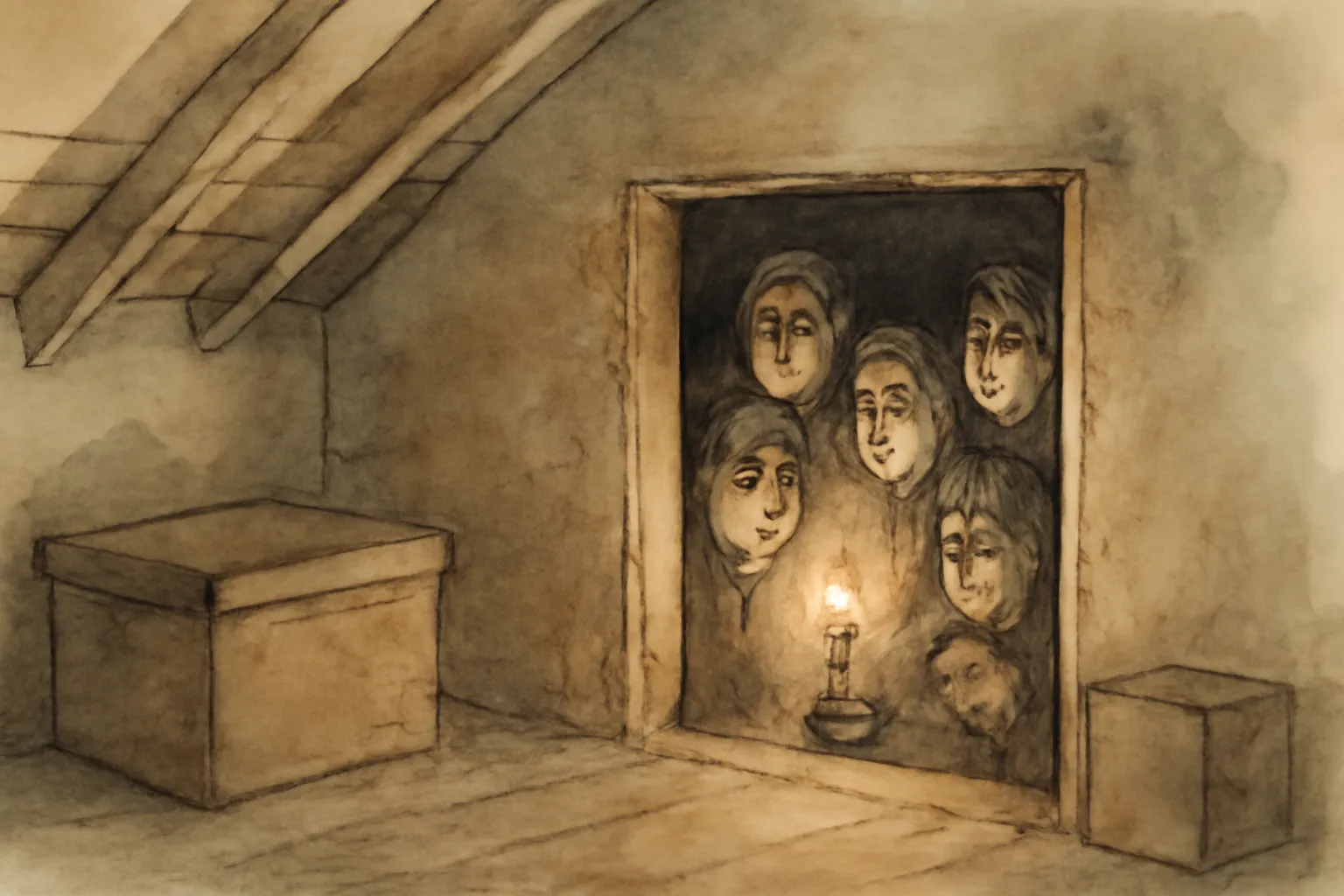
The ten Boom family's resistance was rooted in empathy, not violence. Their home became a literal 'hiding place' for the vulnerable, and their acts of kindness were small but powerful forms of defiance against the dehumanizing Nazi regime. The narrative highlights how quiet, compassionate resistance can undermine evil and preserve human dignity.
5.The Endurance of Hope Amid Suffering
Life in the concentration camps is depicted with unflinching honesty, detailing the brutality, deprivation, and despair. Yet, Corrie and Betsie persist in finding moments of beauty and hope, whether in a shared prayer or a glimpse of sunlight. The book insists that hope is not naïve, but a necessary act of resistance in itself.
6.The Lasting Impact of Trauma and Memory
The Hiding Place does not end with liberation; Corrie must rebuild her life and make sense of her trauma. The book explores how memory can be both a burden and a source of purpose, as Corrie chooses to share her story to inspire reconciliation and healing in a broken world.