1.The Enchantment of the Landscape
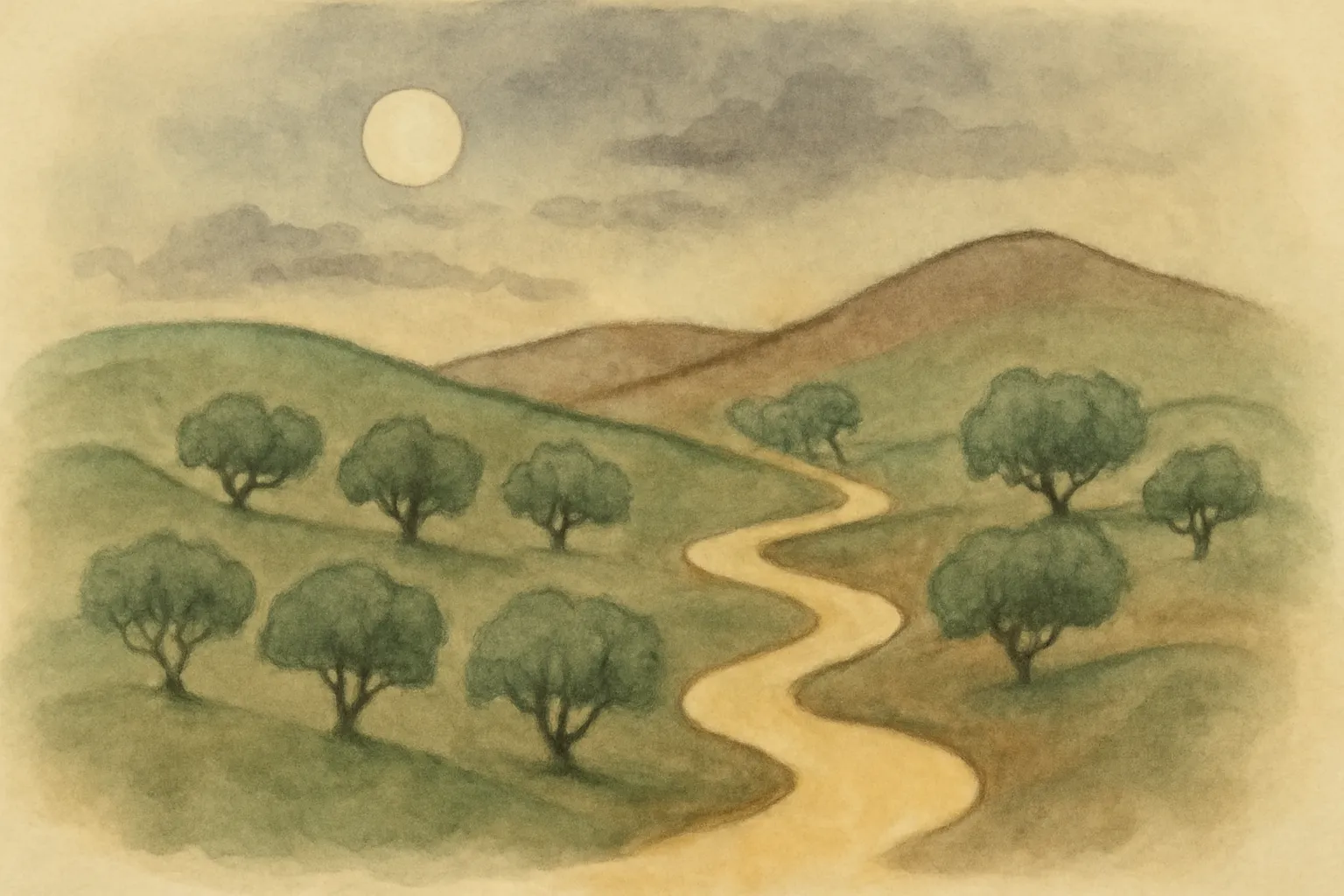
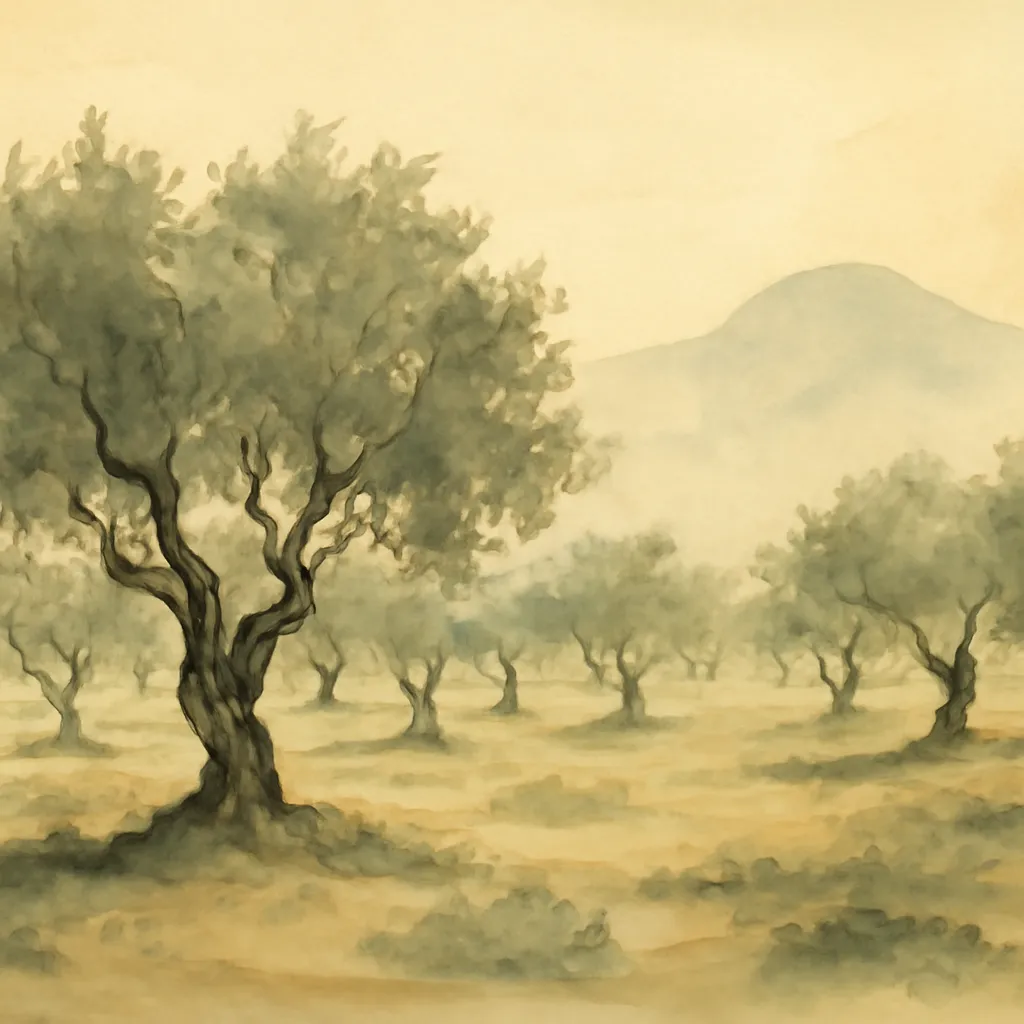
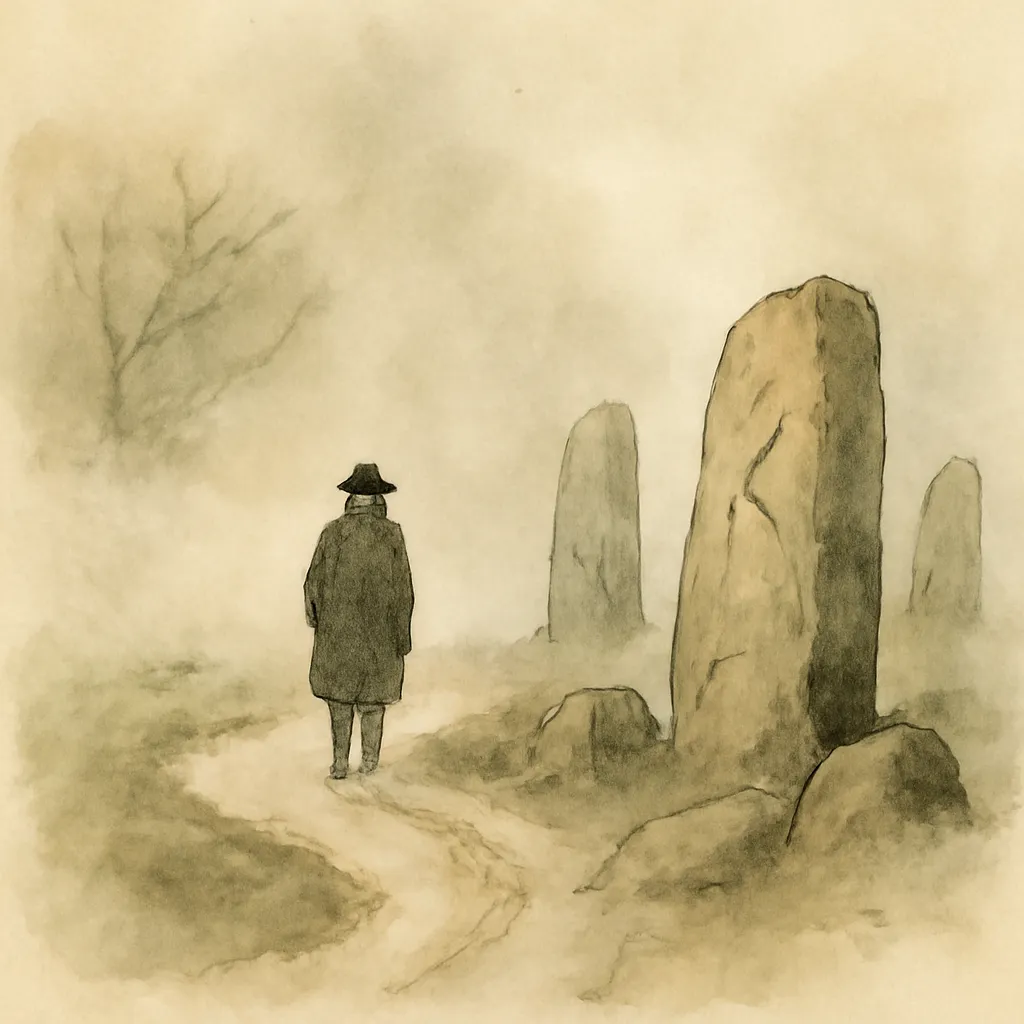
Gallizier opens the novel with breathtaking descriptions of the Basilicata region during the summer solstice, capturing the beauty and magic of the Italian landscape. The lush olive trees, the meandering Garigliano, and the distant Monte Gargano create a vivid backdrop that enchants both the characters and readers alike. This enchanting landscape serves not only as a setting but also as a reflection of Francesco's internal state—his longing for freedom and the haunting shadows of his obligations. As he rides through this idyllic scenery, the reader senses a duality; the beauty of nature contrasts starkly with the turmoil brewing within Francesco as he grapples with his impending fate. The landscape becomes a character in its own right, embodying the themes of love, loss, and the passage of time, as it witnesses the unfolding drama of human lives.
2.The Burden of Duty
Francesco's journey is fundamentally shaped by the weight of familial and societal expectations. As he prepares to renounce his ties to his loved ones, including his beloved Ilaria, the burden of duty becomes palpable. His father's dying wish looms over him, forcing him into a life of monastic servitude that he did not choose. Gallizier effectively illustrates the tension between personal desires and societal obligations, portraying Francesco's internal struggle as he contemplates his future. The author uses Francesco's character to explore the broader implications of duty in medieval society, where honor and family reputation often overshadow individual happiness. This theme resonates deeply, prompting readers to reflect on their own lives and the sacrifices they make for the sake of others, raising the question: to what extent should one sacrifice personal happiness for duty?
3.The Complexity of Love
The relationship between Francesco and Ilaria serves as the emotional core of the novel, illustrating the profound complexities of love in the face of adversity. Their love, while passionate and genuine, is fraught with obstacles that challenge its very existence. Ilaria embodies the allure of freedom and the joy of life that Francesco yearns for, yet he is bound by the chains of his fate. Gallizier captures the bittersweet nature of their bond through poignant exchanges and moments of longing, highlighting how love can be both a source of strength and a painful reminder of what one cannot have. The author delves into the nuances of their relationship, revealing the sacrifices each character must make and the emotional toll it takes on them. This exploration of love transcends mere romanticism, inviting readers to consider the sacrifices inherent in any deep relationship, especially when faced with external pressures and societal constraints.
4.The Role of Fate
Fate is an omnipresent force in 'The Hill of Venus,' shaping the characters' lives in ways they cannot control. Francesco's path is dictated by the circumstances of his birth, the expectations of his family, and the political landscape of 13th-century Italy. Gallizier emphasizes the inevitability of fate through Francesco's experiences, illustrating how he is swept along by forces beyond his control. This theme raises profound philosophical questions about free will and determinism, challenging readers to consider whether individuals are truly the architects of their destinies or merely pawns in a larger game. The author deftly weaves the concept of fate into the narrative, creating moments of tension where characters confront their predetermined paths. Ultimately, this exploration invites readers to reflect on their own lives and the forces that shape their choices, prompting deeper contemplation about the nature of existence.
5.The Conflict Between Ghibellines and Angevins
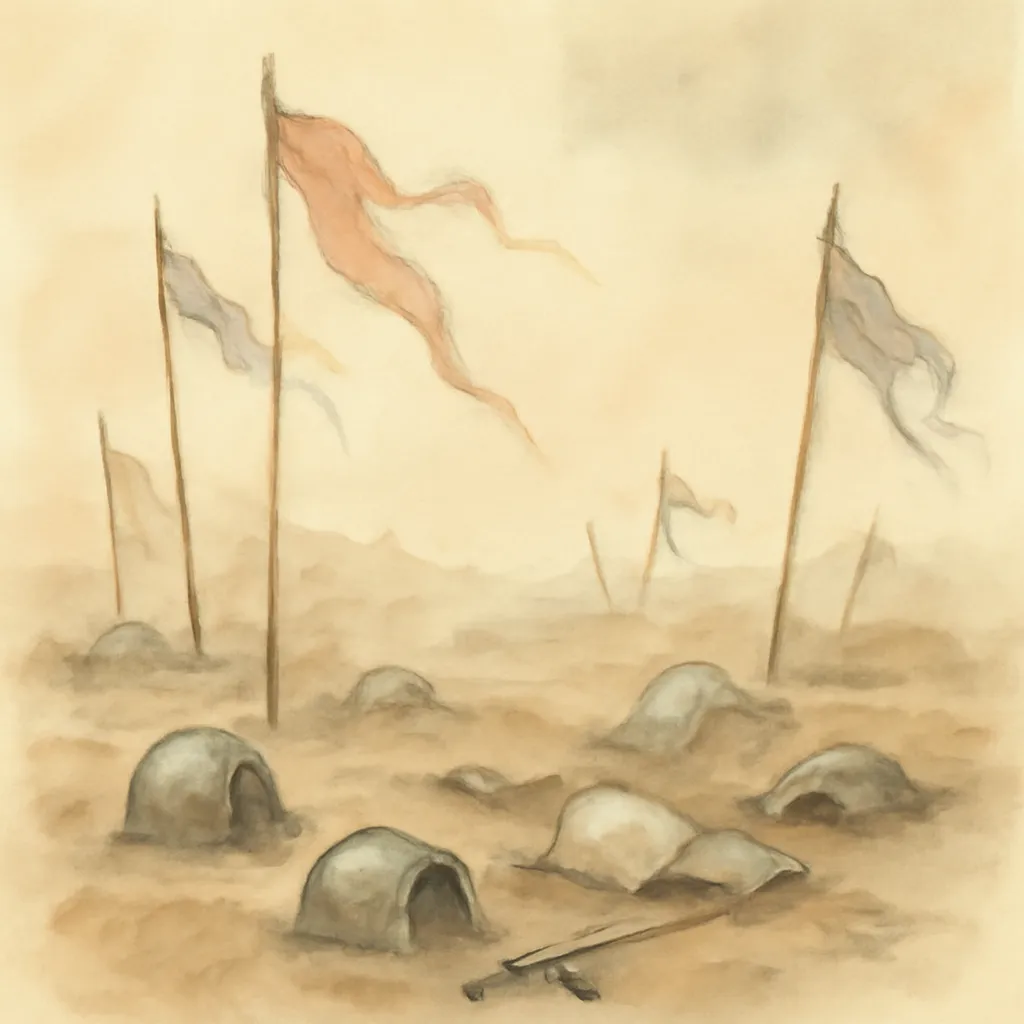
The historical backdrop of the Ghibelline and Angevin conflict provides a rich context for the personal struggles of the characters. Gallizier intricately weaves political intrigue into the narrative, illustrating how the broader societal conflicts impact individual lives. Francesco's loyalties are tested as he navigates the treacherous waters of political allegiance, reflecting the tumultuous nature of the time. The author vividly portrays the stakes involved in this conflict, from the battles fought to the personal sacrifices made by those caught in the crossfire. This exploration of political strife serves to heighten the tension in the story, as Francesco's personal dilemmas become intertwined with the fate of his people. By grounding the narrative in historical reality, Gallizier enriches the emotional depth of the characters, allowing readers to understand the complexities of loyalty and the impact of political turmoil on personal lives.
6.The Search for Identity
Francesco's journey is also a quest for self-discovery, as he grapples with his identity amidst the expectations placed upon him. The process of renouncing his past and embracing a new life in the cloisters forces him to confront who he truly is. Gallizier skillfully portrays this internal conflict, capturing the essence of Francesco's struggle to reconcile his desires with his obligations. The theme of identity is further complicated by the shifting allegiances and roles within the Ghibelline struggle, as characters redefine themselves in response to external pressures. Through Francesco's experiences, readers are invited to reflect on their own identities and the factors that shape them, from family and culture to personal choices and societal expectations. This exploration of selfhood underscores the universal quest for meaning and belonging, making Francesco's journey resonate on a deeply personal level.
7.The Power of Memory
Memory plays a crucial role in 'The Hill of Venus,' serving as a link between the past and present for Francesco. The memories of his youth, particularly those associated with Ilaria, haunt him throughout his journey, shaping his perceptions and decisions. Gallizier artfully illustrates how memory can be both a source of comfort and a painful reminder of lost possibilities. As Francesco reflects on his past, he grapples with the weight of nostalgia and the longing for a life that could have been. This exploration of memory invites readers to consider their own relationships with the past and how it influences their present actions. By weaving memory into the narrative, Gallizier enriches the emotional landscape of the story, allowing for a deeper understanding of the characters' motivations and the impact of their choices.
8.The Influence of Religion
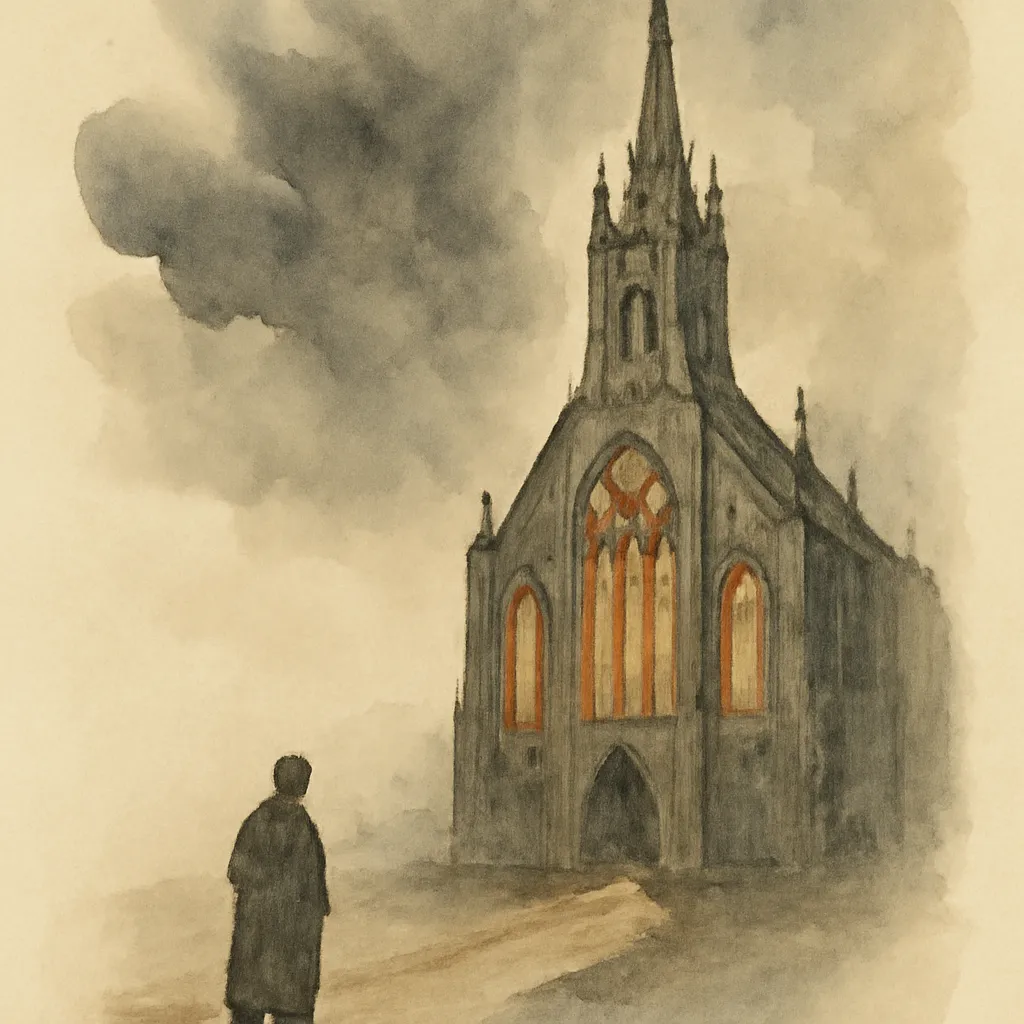
Religion is a pervasive theme in 'The Hill of Venus,' shaping the characters' lives and decisions in profound ways. The Church's authority looms large over Francesco, dictating his path and imposing a moral framework that he must navigate. Gallizier explores the complexities of faith and doubt, as Francesco grapples with the expectations of the Church while yearning for personal fulfillment. The author deftly portrays the tension between religious obligation and individual desire, illustrating how faith can be both a guiding light and a source of conflict. This exploration of religion prompts readers to reflect on their own beliefs and the role they play in shaping their lives. By addressing the intersection of faith and personal agency, Gallizier invites a deeper conversation about the nature of spirituality and the human experience.
9.The Tragic Nature of Sacrifice
Sacrifice is a recurring theme throughout 'The Hill of Venus,' as characters make difficult choices that come with significant personal costs. Francesco's impending vows and his separation from Ilaria exemplify the tragic nature of sacrifice, highlighting the emotional toll it takes on both individuals. Gallizier skillfully depicts the weight of these sacrifices, illustrating how they shape the characters' futures and alter their relationships. The author delves into the complexities of sacrifice, exploring the motivations behind it and the consequences that follow. This poignant examination invites readers to consider the sacrifices they make in their own lives, prompting reflection on the nature of love, loyalty, and duty. By portraying sacrifice as both a noble and a painful act, Gallizier enriches the emotional depth of the narrative, allowing for a more nuanced understanding of the characters' journeys.
10.The Illusion of Control
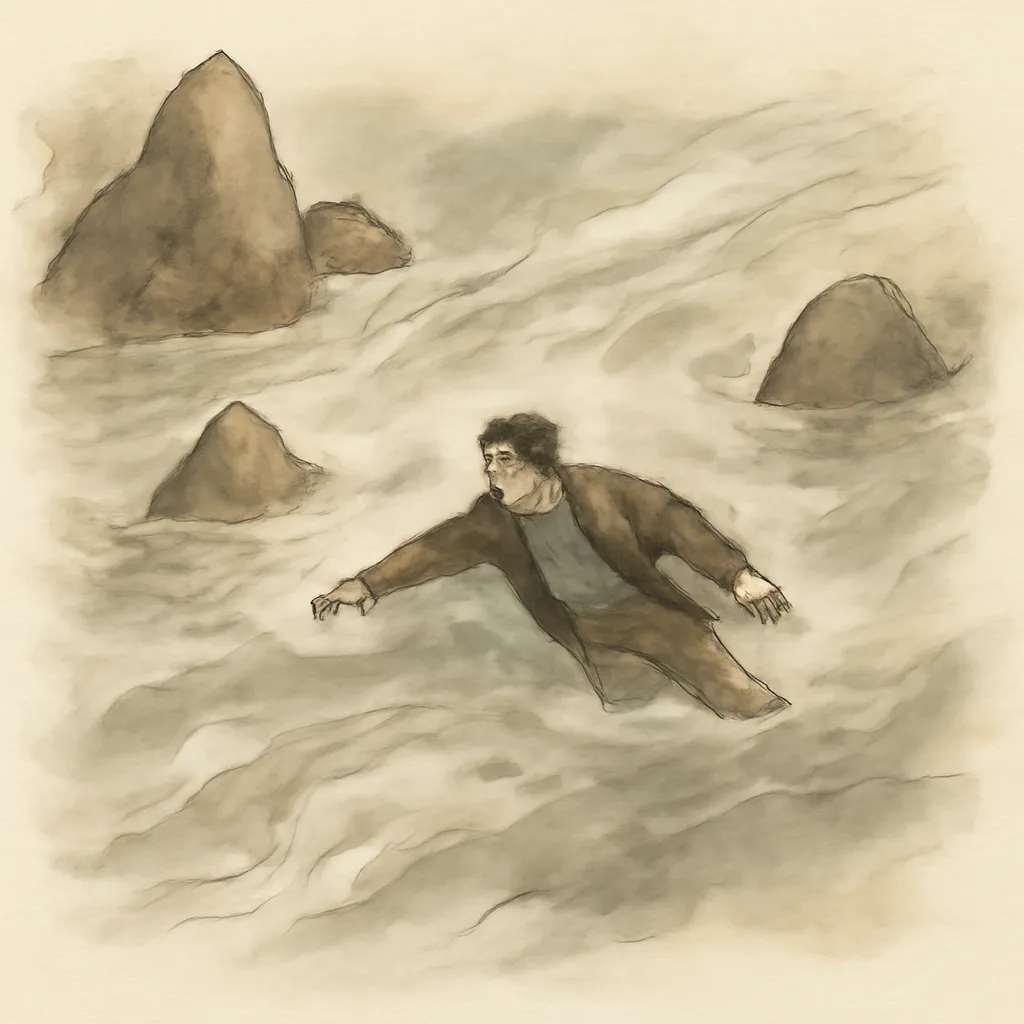
Francesco's journey reveals the illusion of control that individuals often believe they possess over their destinies. Despite his desires and aspirations, he finds himself swept along by forces beyond his control, illustrating the futility of resisting fate. Gallizier effectively captures this struggle, highlighting the tension between personal agency and the external circumstances that shape one's life. As Francesco confronts the reality of his situation, he grapples with feelings of helplessness and frustration, raising profound questions about the nature of free will. This theme resonates deeply, prompting readers to consider their own lives and the extent to which they believe they can influence their paths. By exploring the illusion of control, Gallizier invites a deeper contemplation of the human experience and the factors that govern our choices.